12 Ways to Improve Candidate Experience in Your Hiring Process
Discover 12 proven strategies to improve candidate experience in your hiring process. Learn recruitment best practices that boost employer brand and offer acceptance.

12 Ways to Improve Candidate Experience in Your Hiring Process
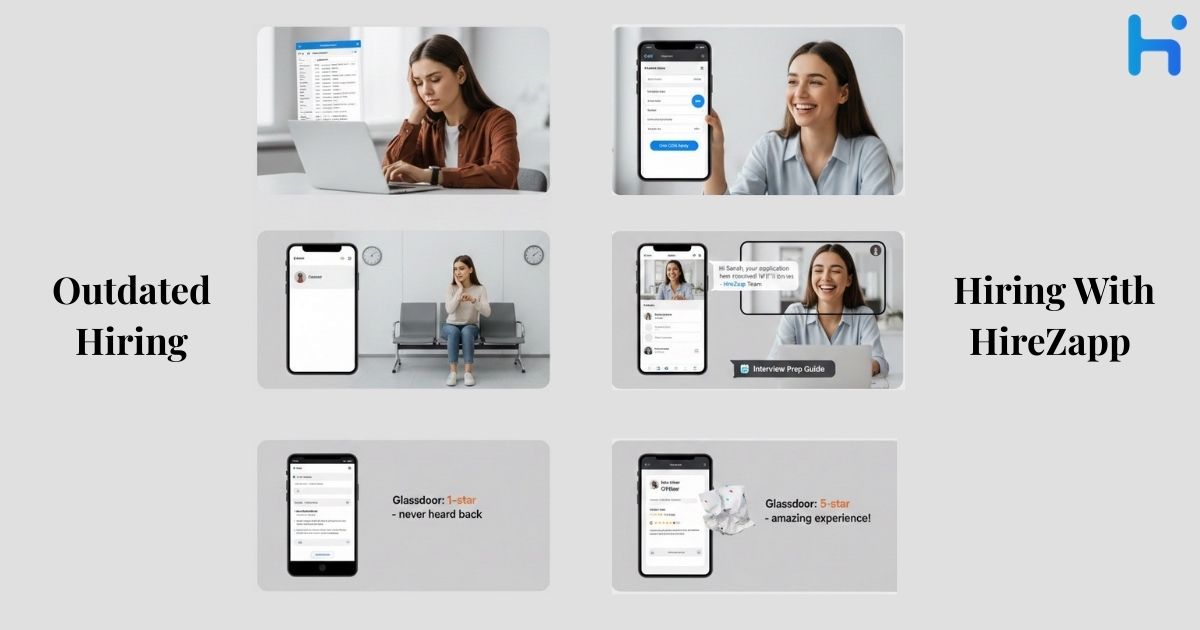
A talented candidate interviews with your team.Days pass. No update.Weeks later, you see a negative Glassdoor review about poor communication and a confusing interview process.
Soon after, fewer qualified candidates apply.
This is not a coincidence.
Candidate experience directly shapes your employer brand, offer acceptance rates, and future talent pipeline. In today’s market, how you hire matters just as much as who you hire.
The Real Cost of Ignoring Candidate Experience
The numbers are hard to ignore:
- 66% of candidates accept offers because of a positive experience
- 36% decline offers after a bad interview
- 26% reject offers due to poor communication
- 48% of candidates share negative experiences publicly
- A poor candidate experience can cause a 22% drop in future applications
Worse, 41% stop buying from the company, and 27% actively discourage others from applying.
Your hiring process is a public-facing brand experience.
1. Simplify the Application Process
Long, complex applications push candidates away.
- 52% find lengthy applications frustrating
- 33% abandon one-way video interviews
Keep applications short.Remove unnecessary fields.Enable resume or LinkedIn autofill.Ensure mobile optimization, because most candidates apply from their phones.
A faster application = more completed applications.
2. Communicate Clearly and Consistently
Silence is the biggest candidate complaint.
Set expectations early:
- Share your hiring stages
- Communicate realistic timelines
- Send instant application confirmations
- Provide regular updates, even if there’s no decision yet
When rejecting candidates, close the loop respectfully. Clear communication builds trust, even in rejection.
3. Fix Interview Scheduling Friction
Scheduling delays signal disorganization.
Candidates expect interviews to be scheduled within a week, not weeks later.
Use tools that:
- Show real-time availability
- Support time zones
- Send calendar invites and reminders
- Share clear interview details upfront
Smooth scheduling immediately improves candidate perception.
4. Prepare Your Interviewers
Unprepared interviewers damage trust.
Ensure interviewers:
- Review candidate profiles beforehand
- Understand what they’re assessing
- Ask structured, role-relevant questions
- Submit feedback quickly
Prepared interviews show respect and professionalism.
5. Help Candidates Prepare
Candidates perform better when they know what to expect.
Share:
- Role details
- Interview format
- Skills being evaluated
- Company values and culture
- Video interview best practices if relevant
Preparation reduces anxiety and leads to better conversations.
6. Personalize Where It Matters
Small details make a big difference.
- Use names in emails
- Reference specific experience
- Acknowledge career pivots
- Customize questions where relevant
Candidates can tell when communication is thoughtful versus automated.
7. Show Your Culture Honestly
Candidates want authenticity, not a highlight reel.
- Introduce real team members
- Share what day-to-day work looks like
- Be honest about pace, expectations, and values
Authentic culture messaging attracts the right candidates and improves retention.
8. Keep Assessments Fair and Focused
Assessments should validate skills, not exhaust candidates.
- Keep them 15 to 30 minutes
- Explain why they’re used
- Share how results influence decisions
- Respect candidate time
Transparency builds trust.
9. Speed Up Decisions
Slow decisions lose talent.
- 72% of candidates drop off due to delayed communication
- Aim to decide within one week of final interviews
- Align stakeholders early to avoid delays
Speed signals confidence.
10. Make Offers Clear and Personal
A vague offer creates doubt.
Strong offers include:
- Complete compensation breakdown
- Benefits and flexibility
- Start date clarity
- Next steps
- Personal references to interview discussions
Clarity increases acceptance rates.
11. Treat Rejected Candidates with Respect
Rejected candidates are future applicants, referrals, or customers.
- Send timely rejections
- Share constructive feedback
- Encourage future applications
Good rejections build long-term goodwill.
12. Measure and Improve Continuously
You can’t improve what you don’t track.
Measure:
- Application completion rate
- Interview no-show rate
- Offer acceptance rate
- Candidate satisfaction surveys
- Glassdoor reviews
Identify friction points and fix them systematically.
Why Great Candidate Experience Is a Competitive Advantage
Companies that invest in candidate experience see:
- 70% lower cost-per-hire
- 30% higher application rates
- Up to 28% lower employee turnover
- Stronger employer branding
- Faster, more confident hiring decisions
Candidate experience isn’t “nice to have.”It’s a business advantage.
How HireZapp Helps You Deliver a Better Candidate Experience
Great candidate experience requires consistency, speed, and visibility.
HireZapp brings all of that together in one platform.
With HireZapp, teams can:
- Automate interview scheduling
- Send timely, personalized communication
- Streamline applications
- Reduce candidate drop-offs
- Track exactly where candidates face friction
- Use AI-powered insights to continuously improve hiring journeys
Instead of candidates falling through the cracks, HireZapp ensures every interaction feels intentional, fast, and human.
When hiring feels easy for candidates, great talent follows.
Ready to elevate your candidate experience?
Discover how HireZapp helps companies attract better talent, close roles faster, and build employer brands candidates trust.
FREQUENTLY ASKED QUESTIONS
1. Why does candidate experience matter in the hiring process?
Candidate experience directly impacts offer acceptance, employer brand, and future applications. Around 66% of candidates accept offers due to positive experiences, while negative experiences reduce applications, referrals, and even customer trust. Strong candidate experience lowers cost-per-hire and improves retention.
2. What are the most common candidate experience complaints?
The most common issues are poor communication, long application processes, slow feedback, and unprepared interviewers. Many candidates drop out simply because they do not hear back on time or do not understand the hiring timeline.
3. How can I improve candidate experience without major investment?
Focus on process, not budget. Streamline applications, communicate timelines clearly, prepare interviewers, use simple scheduling tools, and send timely updates. Small changes in clarity and consistency create big improvements.
4. What role does personalization play in candidate experience?
Personalization makes candidates feel valued rather than interchangeable. Using names, referencing past experience, tailoring questions, and sending thoughtful follow-ups significantly improves engagement and offer acceptance rates.
5. How does mobile optimization impact candidate experience?
Most candidates discover jobs on mobile. A mobile-friendly application reduces drop-offs, increases completion rates, and signals professionalism. Poor mobile experience leads to frustration and abandoned applications.
6. What feedback should I provide to rejected candidates?
Provide timely, respectful feedback that explains why they did not advance, highlights strengths, and encourages future applications. Even brief personalized feedback builds goodwill and protects your employer brand.
7. How can I measure candidate experience improvement?
Track application completion rates, interview attendance, time-to-hire, offer acceptance, and candidate surveys. Monitor Glassdoor reviews and look for recurring feedback themes to guide improvements.
8. Why do candidates reject offers after final interviews?
Candidates often reject offers due to slow decisions, unclear compensation, poor interview experiences, or stronger competing offers. Fast feedback, transparent offers, and positive interviews significantly reduce offer drop-offs.