Best ATS for Tech Startups: Greenhouse, Ashby, Lever vs HireZapp
For a growing tech startup, hiring feels like changing a tire on a moving car. You need top talent yesterday, but your inbox is a mess of resumes, your LinkedIn DMs are overflowing, and you are losing great candidates in spreadsheets. The right applicant tracking system can bring order to the chaos, helping you convert applicants to hires faster.

Best ATS for Tech Startups: A 2026 Comparison of Greenhouse, Ashby, Lever, and HireZapp
For a growing tech startup, hiring feels like changing a tire on a moving car. You need top talent yesterday, but your inbox is a mess of resumes, your LinkedIn DMs are overflowing, and you are losing great candidates in spreadsheets. The right applicant tracking system can bring order to the chaos, helping you convert applicants to hires faster.
But choosing the wrong one can lock you into expensive contracts and complex workflows designed for massive corporations, not for a fast-moving startup. This guide breaks down the real differences between major players like Greenhouse, Ashby, and Lever, and shows where a newer, AI-driven platform like HireZapp fits in.
What Tech Startups Really Need in an ATS
Before diving into an ATS comparison, it is critical to know what features actually matter when you are small and need to move fast. Forget the enterprise-level bells and whistles. Your focus should be on efficiency, cost-effectiveness, and candidate experience.
- Fast Setup and Ease of Use
You do not have time for a three-month implementation. The system should be intuitive for founders, hiring managers, and recruiters alike. - Affordable and Scalable Pricing
Avoid long-term contracts with high per-seat costs. Look for pricing that grows with your hiring volume, not your headcount. - Strong Core ATS Features
This includes a centralized pipeline, automated candidate communication, and simple scheduling tools. - AI-Powered Efficiency
Tools that can generate job descriptions, screen resumes, and score candidates save you dozens of hours. - Employer Branding Tools
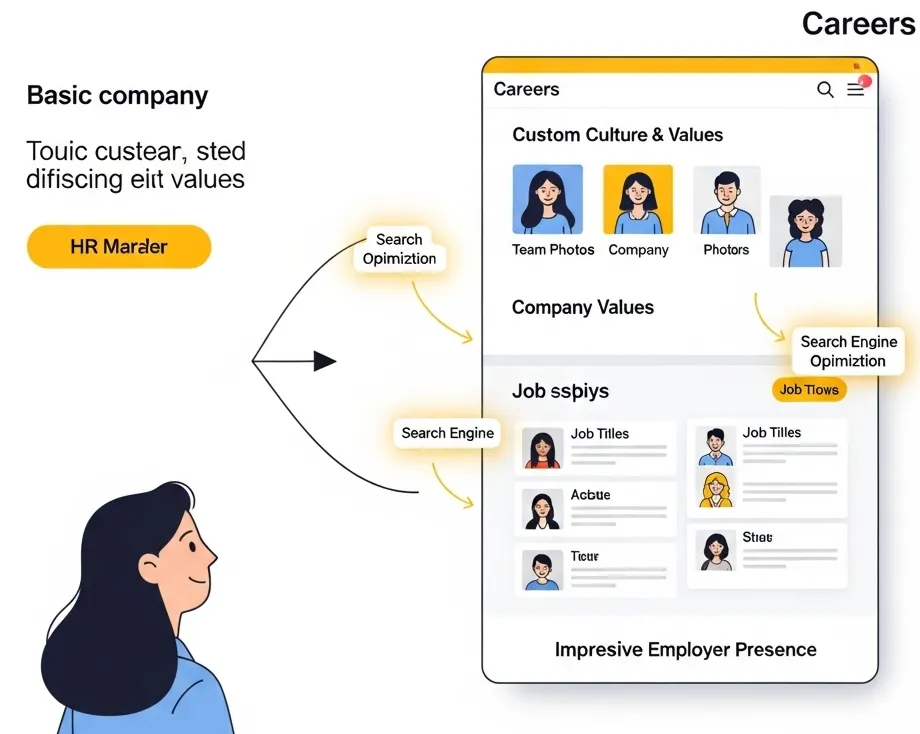
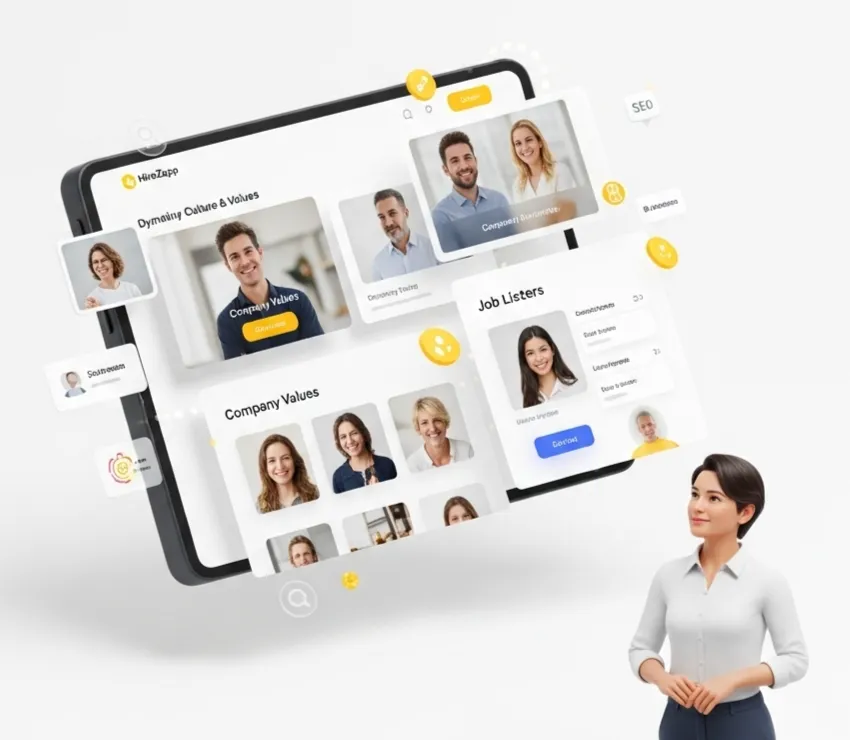
Your ATS should make it easy to create a professional careers page and branded job posts that attract the right people. - Basic Sourcing and Integration
The ability to connect with LinkedIn and other key channels is essential for building your talent pool.
Greenhouse: The Enterprise Powerhouse
Greenhouse is one of the most well-known names in recruiting software. It is a powerful, feature-rich platform built for large, structured hiring processes.
Key Features
- Structured Hiring Kits
Enforces consistency with scorecards and predefined interview plans. - Deep Reporting and Analytics
Offers comprehensive data on every aspect of the hiring funnel. - Massive Integration Marketplace
Connects with hundreds of other HR and recruiting tools.
Who is this ATS best for?
Greenhouse is ideal for well-funded, late-stage startups (Series B and beyond) or companies with an established HR department that needs process control and deep analytics. Early-stage teams may find it too complex and costly for their needs.
Lever: The Candidate Relationship Builder
Lever combines ATS features with a strong Candidate Relationship Management (CRM) system, making it great for teams that focus on proactive sourcing and building talent pipelines.
Key Features
- Lever Nurture
Automates outreach campaigns to keep passive candidates engaged. - Unified Candidate Profile
Combines all interactions with a candidate into a single, easy-to-read timeline. - Fast Sourcing Extension
Quickly add candidates from LinkedIn and other sites.
Who is this ATS best for?
Lever is a great fit for startups with dedicated sourcers or recruiting teams that prioritize building long-term talent pools. Its focus on relationships is powerful, but the price point can be a stretch for lean teams.
Ashby: The All-in-One Data Machine
Ashby has gained popularity with modern tech companies for its all-in-one approach, combining ATS, CRM, and advanced scheduling and analytics into a single platform.
Key Features
- Advanced Analytics Suite
Provides incredibly detailed dashboards on recruiter performance, time-to-hire, and more. - All-in-One Platform
Aims to replace multiple tools with a single solution for everything from sourcing to scheduling. - High Degree of Automation
Offers powerful recipes and rules to automate repetitive tasks.
Who is this ATS best for?
Ashby is built for data-driven recruiting teams who want granular control and deep insights into their entire process. For a founder doing hiring on the side, the sheer volume of features can be overwhelming.
HireZapp: The AI-Powered Engine for Lean Teams
HireZapp is designed specifically for the challenges early-stage tech startups face. The platform focuses on speed, efficiency, and cost-effectiveness by leveraging AI to automate the most time-consuming parts of hiring.
Key Features
- AI Job Description and Form Generation
Creates optimized job posts and application forms in seconds. - Job Match and Quality Scores
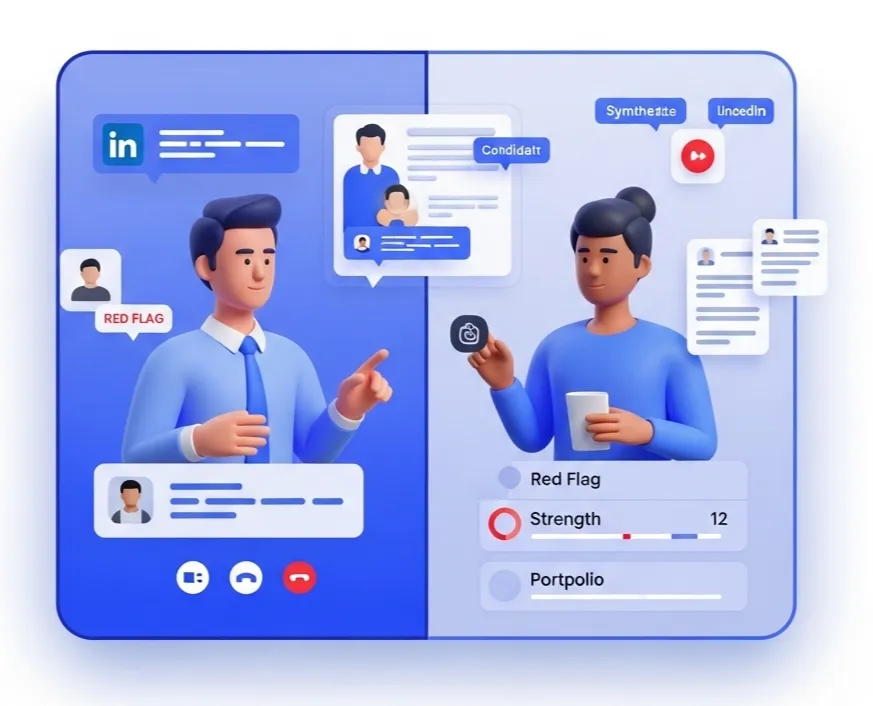
Instantly surfaces the most relevant candidates so you know where to focus your time. - Credit-Based Pricing
As an affordable ATS for startups, you only pay for what you use, making it perfect for fluctuating hiring needs. - Integrated Sourcing Playbooks
Provides guidance on where and how to find candidates, turning anyone into a capable sourcer.
Who is this ATS best for?
HireZapp is the best ATS for tech startups at the seed or Series A stage, founders leading their own hiring, and small recruiting teams that need to convert applicants to hires quickly without a large budget or complex setup. It is a powerful AI ATS for startups focused on results.
A Quick Startup Hiring Scorecard Template
No matter which system you use, a simple scorecard helps remove bias and keeps interviews focused. Here is a template you can adapt.
- Technical Skills (Role-Specific)
Assesses core competencies required for the job. - Problem-Solving Ability
Evaluates how the candidate approaches and solves complex challenges. - Team Collaboration and Communication
Measures how well they work with others and articulate ideas. - Alignment with Company Values
Determines if their work style and principles match your culture. - Motivation and Drive
Gauges their passion for the role and your company mission. - Growth Potential
Considers their ability to learn and take on more responsibility over time.
Common Mistakes Startups Make When Choosing an ATS
Choosing the right recruiting software for tech startups is about avoiding common traps. Watch out for these mistakes.
- Buying for a future you do not have yet.
Do not pay for enterprise features you will not use for another three years. - Ignoring the total cost of ownership.
Factor in implementation fees, training time, and per-seat costs that grow quickly. - Focusing only on features, not workflow.
A platform with 100 features is useless if it takes 10 clicks to do a simple task. - Underestimating the importance of candidate experience.
A clunky application process will drive away top talent. - Getting locked into a long-term contract.
Your needs will change quickly. A flexible plan is essential.
What an ATS Won’t Fix
An applicant tracking system is a powerful tool, but it is not a magic wand. It amplifies your existing process, for better or worse. An ATS will not solve fundamental issues like:
- A weak or undefined employer brand.
- A broken or inconsistent interview process.
- Uncompetitive salary or benefits packages.
- A lack of clarity on what makes a successful hire.
Focus on fixing the foundation first. Then, add the tool that helps you scale.
Finding the Right Fit for Your Stage
For large, established companies, Greenhouse, Lever, and Ashby offer powerful, specialized solutions. But for most tech startups, the game is about speed, efficiency, and conserving cash. An AI-driven platform with a flexible pricing model gives you the leverage to compete for talent without the enterprise overhead.
Stop Comparing, Start Scaling Faster.
Ready to outpace competitors? HireZapp's AI automates screening, cuts costs, and scales your tech startup's hiring.
Frequently Asked Questions
1) What is the best ATS for a company with less than 50 employees?
For companies under 50 employees, the best ATS is typically one that is easy to set up, affordable, and focused on core hiring tasks. Platforms like HireZapp are designed for this stage, prioritizing speed and efficiency over the complex features needed by larger corporations.
2) How much should a startup expect to pay for an ATS?
Costs vary widely. Some platforms charge thousands per year with per-seat licenses. Newer, startup-focused models often use credit-based or pay-per-job pricing, which can be much more affordable, starting from a free plan and scaling with your actual hiring volume.
3) Can an ATS help with sourcing candidates for tech roles?
Yes, many systems can. Some, like Lever, have strong CRM features for nurturing sourced candidates. Others, like HireZapp, provide integrated sourcing playbooks and tools to help you find candidates on platforms like LinkedIn and GitHub more effectively.
4) What are the must-have startup ATS features?
The essential startup ATS features include a simple pipeline view, automated email templates, a branded careers page, scheduling integration, and collaborative tools for team feedback. AI-powered features for screening and scoring are also becoming critical for efficiency.
5) How long does it take to set up an applicant tracking system for small tech companies?
It depends on the platform. Enterprise systems can take weeks or months. Modern systems designed for startups, however, can often be set up in a single day, allowing you to post your first job and start collecting candidates almost immediately.
6) Is Greenhouse too expensive for a small startup?
For most seed or Series A startups, Greenhouse is likely too expensive and complex. Its pricing and feature set are designed for more mature companies with dedicated HR teams and larger budgets.
7) What makes an AI ATS for startups different from a traditional one?
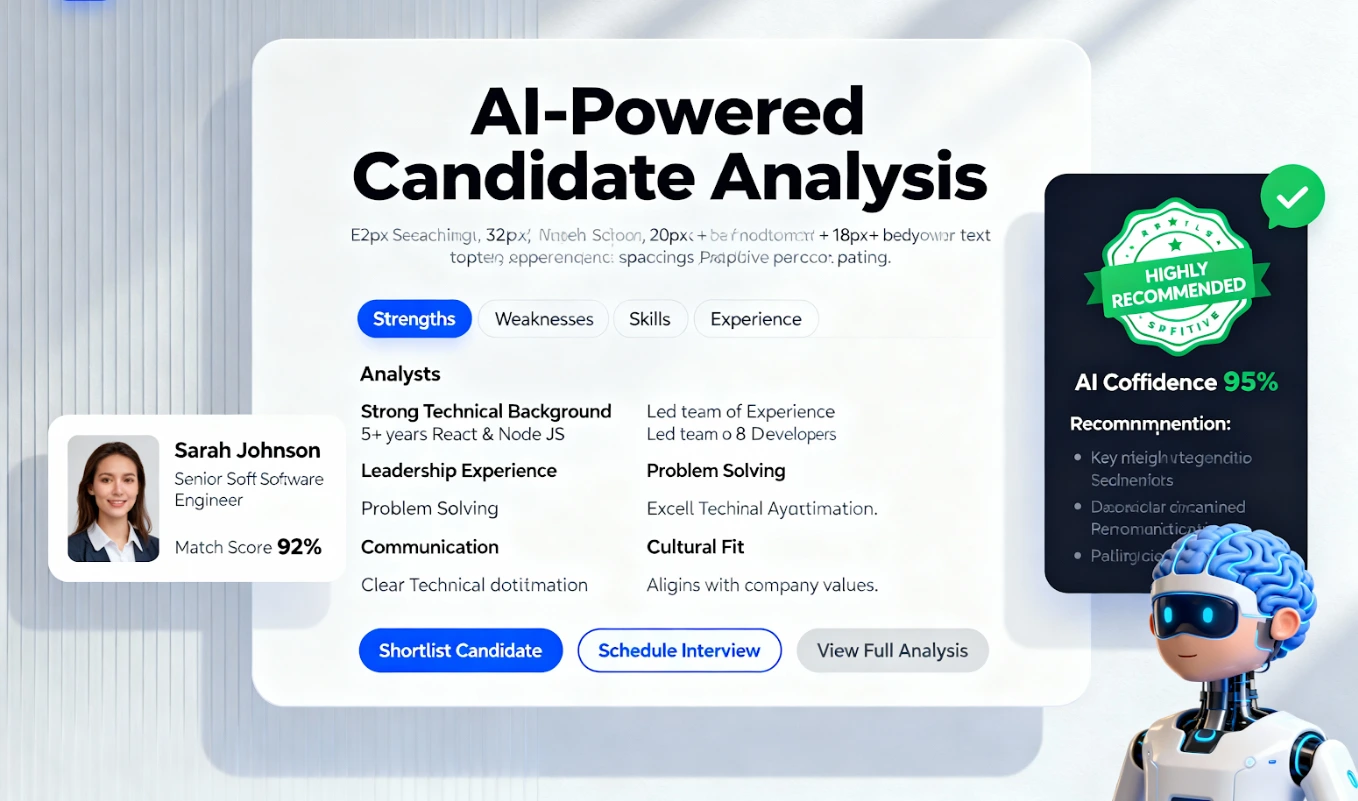
An AI ATS automates tasks that recruiters traditionally do manually. This includes writing job descriptions, screening resumes against job requirements, scoring candidate fit, and suggesting relevant applicants. This saves a huge amount of time for small teams.
8) How does a credit-based pricing model for an ATS work?
Instead of paying a flat fee per user each month, a credit-based model lets you purchase credits that you spend on specific actions, like posting a job or revealing a candidate's contact info. This is highly flexible and cost-effective for startups with inconsistent hiring needs.