Resume Screening Best Practices: Save Time and Find Better Candidates
Improve your hiring with proven resume screening best practices. Learn how to screen resumes efficiently and find quality candidates.

Resume Screening Best Practices: Save Time and Find Better Candidates
Introduction
Your resume screening process is the gateway between applications and opportunities. When screening is ineffective, qualified candidates slip away and unqualified applicants waste your team's time.
In 2025, organizations that master resume screening best practices gain a competitive edge in attracting top talent while dramatically reducing hiring cycles. The key is knowing which techniques work and how to apply them consistently.
When Resume Screening Becomes Overwhelming
Recruiters today face a crisis of volume. A single job posting can generate hundreds of applications, turning resume screening from a focused task into an exhausting marathon.
- 94% of recruiters use ATS software, yet many still struggle with efficiency and accuracy.
- Without a structured approach, screening becomes chaotic and inconsistent.
- Recruiters may make snap judgments based on formatting instead of substance.
- Candidates with non-traditional backgrounds often get filtered out due to rigid criteria.
“More applications shouldn’t mean more chaos, just better systems.”
As manual screening grows, hiring decisions get delayed, strong candidates accept competing offers, and positions stay open longer. Organizations lacking effective screening practices report longer time-to-hire, lower quality hires, and increased turnover.
Effective screening demands a systematic approach that balances speed, accuracy, fairness, and objectivity.
Implementing Resume Screening Best Practices
Below are the most effective best practices leading organizations use to improve results:
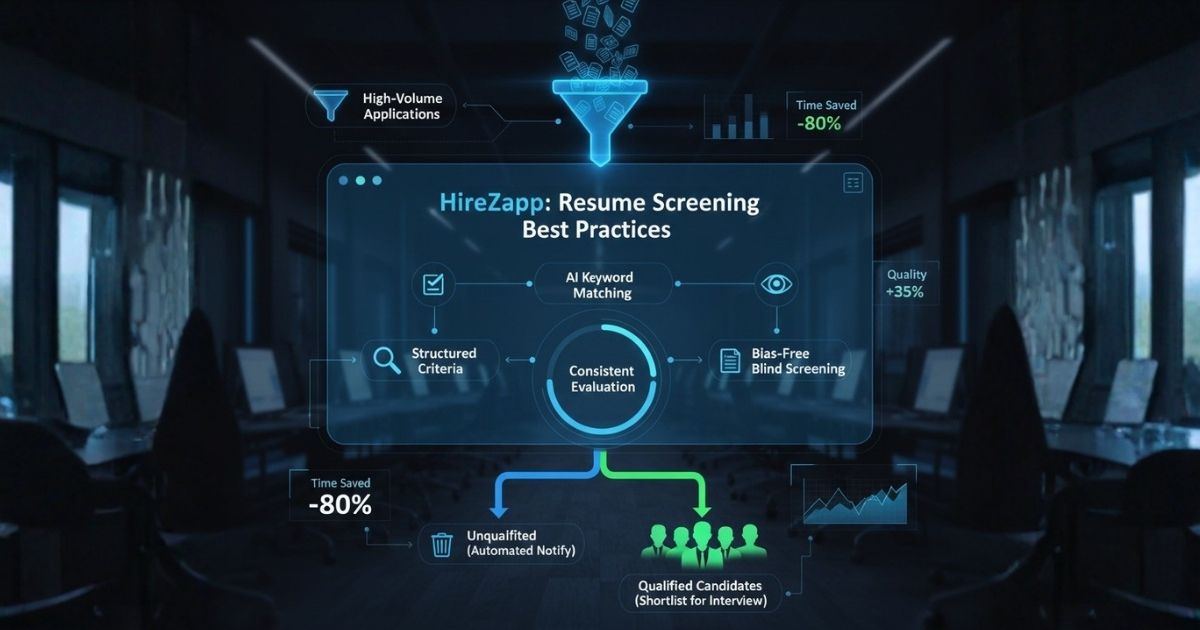
1. Create Clear Screening Criteria
Before reviewing resumes, establish objective criteria aligned with job requirements.
- Distinguish between must-haves and nice-to-haves
- Define what strong candidates look like: skills, experience, education, background
- Use the criteria consistently to make decisions fair and defensible
Organizations implementing structured screening criteria improve candidate quality by 30–40% and reduce time-to-hire from 45 days to 25 days on average.
2. Use Keyword Matching Strategically
Keyword matching and Boolean search are powerful for handling high-volume applications.
- Identify essential keywords from your job description
- Build targeted Boolean searches to surface relevant resumes
- This approach can process hundreds of applications in hours
Recruiter productivity improves by 50% with this method.
3. Implement Blind Resume Screening
Remove personally identifiable information such as names, addresses, phone numbers, and graduation dates during initial screening.
This prevents unconscious bias and centers the evaluation purely on qualifications.
Organizations using blind screening report a 20% increase in diverse candidates moving to interviews and improved fairness across demographics.
4. Develop Consistent Evaluation Standards
Use the same evaluation process for every resume.
- Create a scoring rubric
- Assign points for specific qualifications and experience levels
- Apply this rubric uniformly
Consistency reduces evaluation variability and ensures no qualified candidate is overlooked.
5. Leverage Technology Effectively
Modern ATS and AI-powered screening tools automate routine tasks while maintaining accuracy.
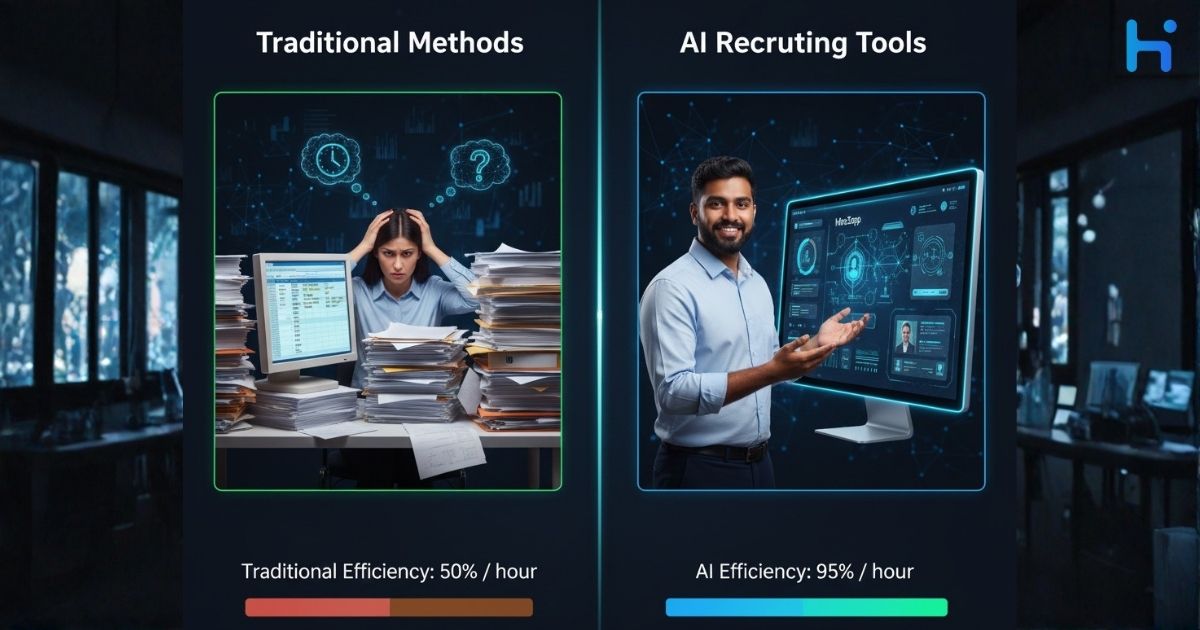
- AI can identify qualified candidates with 85–96% accuracy
- Manual screening often achieves 60–70% accuracy
- Technology reduces hiring manager burden by 80%
“Technology should support human judgment not replace it.”
6. Prioritize Quality Over Speed
While speed matters, quality should never be sacrificed.
A slightly longer screening process that identifies strong candidates is better than a quick one that misses them. Often, improving tools and processes is more effective than cutting corners.
7. Perform Structured Interviews
Screening identifies candidates, interviews validate their fit.
Using structured interviews with consistent questions for all candidates ensures fairness and allows for comparable data.
8. Give Second Looks to Promising Candidates
Sometimes a candidate may lack one requirement but show potential through:
- Transferable skills
- Learning ability
- Proven growth in past roles
Many of the best hires come from non-traditional paths.
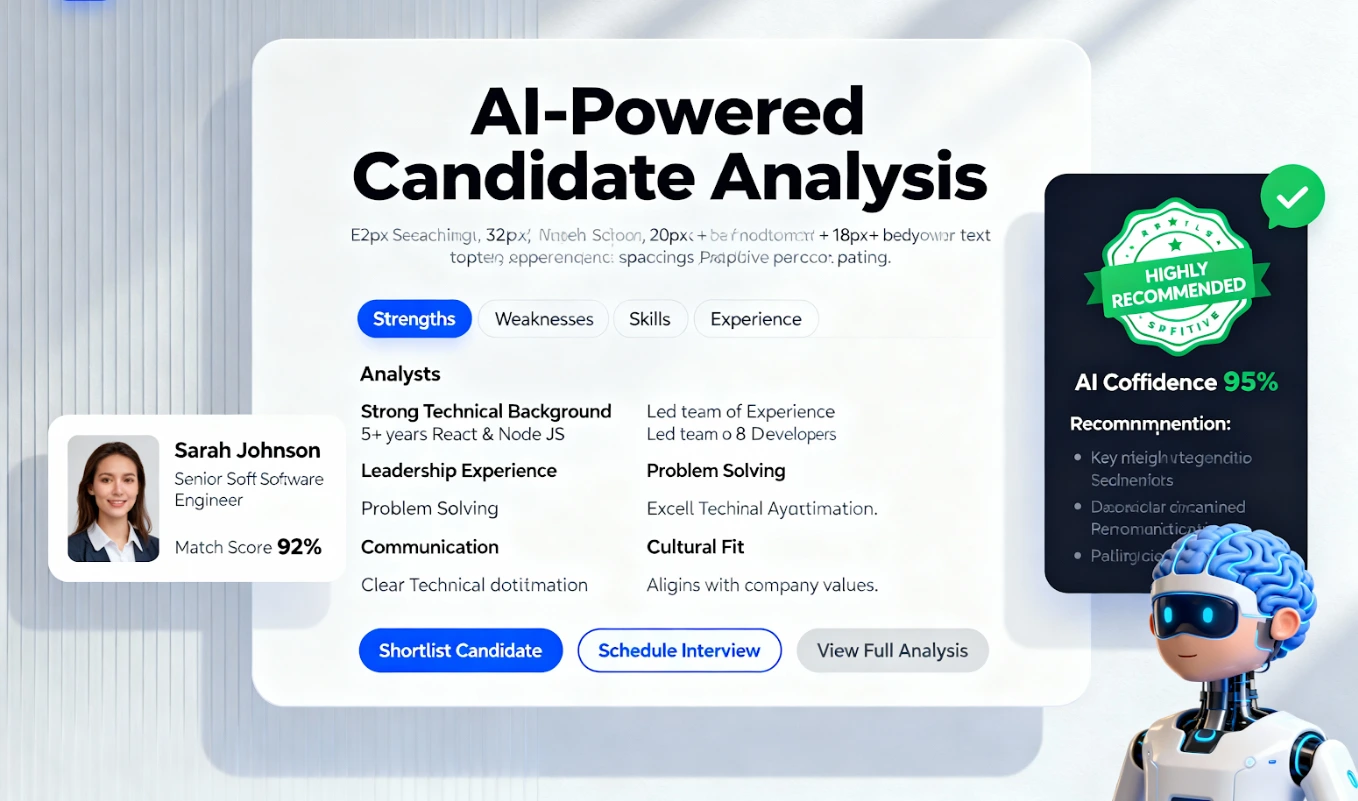
HireZapp's AI Candidate Analysis
HireZapp applies these best practices automatically:
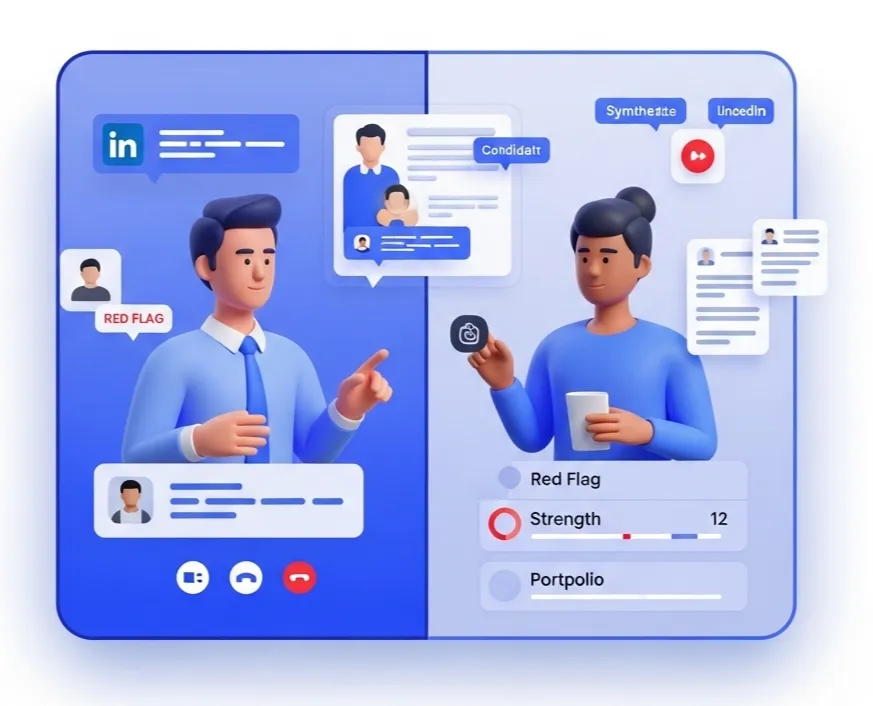
- Screens resumes against your criteria
- Removes bias through anonymization
- Scores candidates consistently
- Prioritizes top applicants
As one customer from New Delhi noted:
“We used to spend days screening resumes. Now HireZapp does it in minutes.”
Better Hiring, Faster Decisions
Organizations that implement effective resume screening best practices see significant transformation:
- Screening moves from days to hours
- Candidate quality improves due to systematic evaluation
- Recruiters experience less burnout and more job satisfaction
- Candidate communication becomes faster and more respectful
This strengthens employer brand even rejected candidates feel valued when communication is timely and clear.
Companies using HireZapp report:
- 60% reduction in time-to-hire
- 35% reduction in cost-per-hire
When screening works well, the entire hiring process becomes more efficient and effective.
A Final Thought
Effective resume screening is both art and science. It requires the right balance of:
- Human judgment
- Technology
- Consistency
- Flexibility
- Speed
- Accuracy
By implementing these best practices and using modern tools, you can transform resume screening from a bottleneck into a hiring accelerator.
Ready to revolutionise your process? HireZapp's AI-powered platform helps you hire three times faster with smarter candidate evaluation.
Frequently Asked Questions (FAQs)
1. How can effective resume screening save time?
Through automation, keyword matching, and consistent criteria, allowing recruiters to process hundreds of resumes in hours instead of days.
2. What is blind resume screening and why is it important?
It removes personal information during review to reduce unconscious bias. It increases diverse candidates advancing to interviews by 20%.
3. How do I create effective screening criteria?
Define must-haves, separate nice-to-haves, and establish objective standards. Apply the criteria consistently across all candidates.
4. Can AI improve resume screening accuracy?
Yes. AI tools offer 85–96% accuracy, higher than manual screening. AI works best when combined with human judgment.
5. How should I use keyword matching?
Identify must-have keywords and use Boolean search to quickly surface relevant resumes, especially in high-volume hiring.
6. What mistakes should be avoided?
Inconsistent evaluation, biased decisions, ignoring non-traditional candidates, prioritizing speed over quality, and failing to document decisions.
7. How does resume screening software improve outcomes?
It automates tasks, applies consistent criteria, reduces bias, provides data insights, and frees recruiters for relationship-building.