Best Gem Alternatives for Sourcing Plus Automated Screening & Ranking
If you use Gem, you are great at one thing: outreach. But as you scale, you quickly realize that sourcing is only the first step. The real bottleneck is sifting through replies and applications to find qualified candidates. Many teams start looking for <b>Gem alternatives</b> not because their outreach is failing, but because their screening process is broken.

Top Gem Alternatives for Sourcing and Automated Candidate Screening
If you use Gem, you are great at one thing: outreach. But as you scale, you quickly realize that sourcing is only the first step. The real bottleneck is sifting through replies and applications to find qualified candidates. Many teams start looking for Gem alternatives not because their outreach is failing, but because their screening process is broken.
This guide provides a complete talent acquisition software comparison framework. We will explore platforms that combine outreach with the intelligent screening you need to turn applicants into hires, faster. It’s time to connect your sourcing efforts to actual results.
Why Your Sourcing Outreach Doesn't Lead to Faster Hires
Many recruiters find their process stalls right after a candidate shows interest. The problem often lies in the gap between sourcing and screening. If you are facing hiring delays, it is likely due to one of these common issues:
- Manual resume review is a time sink.
Spending hours reading every resume and profile is inefficient and leads to burnout. - Inconsistent evaluation across candidates.
Without a clear system, bias can creep in, and great candidates get overlooked. - Good applicants get lost in your inbox.
Managing candidates across DMs, emails, and forms leads to missed follow-ups and a poor candidate experience. - No clear data on what works.
You cannot tell which sourcing channels deliver the best candidates, not just the most candidates. - Screening is disconnected from the job description.
Your screening questions may not accurately test for the core competencies listed in the job post.
A 7-Step Framework for Choosing the Right Tool
To find the best tool for your team, you need a clear decision-making process. This repeatable playbook helps you evaluate options based on the problems you actually need to solve, focusing on sourcing tools with automated screening.
- Define your single biggest problem.
Are you struggling to find people (sourcing) or struggling to identify the best applicants you already have (screening)? Be honest about your primary bottleneck. - Map your current hiring workflow.
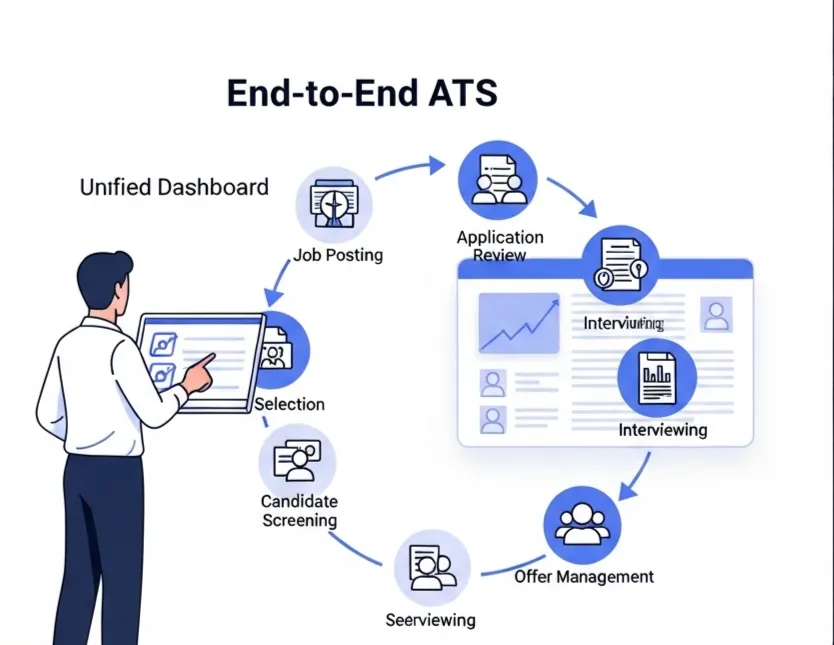
Draw out every step from posting a job to making an offer. Identify exactly where delays and frustrations happen. - Prioritize features that automate manual work.
Look for tools that can automatically score, rank, and communicate with candidates to save you time. - Evaluate multi-channel screening capabilities.
Can the tool pull data from LinkedIn, GitHub, and resumes to build a complete candidate profile? - Compare pricing models carefully.
Understand the difference between per-seat licenses that charge for users and credit-based models that charge for usage. - Test the candidate experience yourself.
Apply to a test job to see how easy the process is. A clunky application process will cause top talent to drop off. - Check for simple integration with your calendar.
The tool must make scheduling interviews easy, not create another administrative burden.
Practical Templates to Improve Your Screening Process
A new tool is only effective with a good process. Here is a simple screening scorecard you can adapt to evaluate candidates more consistently for a technical role.
Screening Scorecard Checklist: Senior Software Engineer
- Proficiency in Core Language (e.g., Python).
- Experience with Required Frameworks (e.g., Django, Flask).
- Demonstrated knowledge of cloud platforms (e.g., AWS, GCP).
- History of working in an Agile environment.
- Code samples available on GitHub or personal site.
- Clear communication in written responses.
- Experience mentoring junior developers.
How HireZapp Connects Sourcing to Qualified Hires
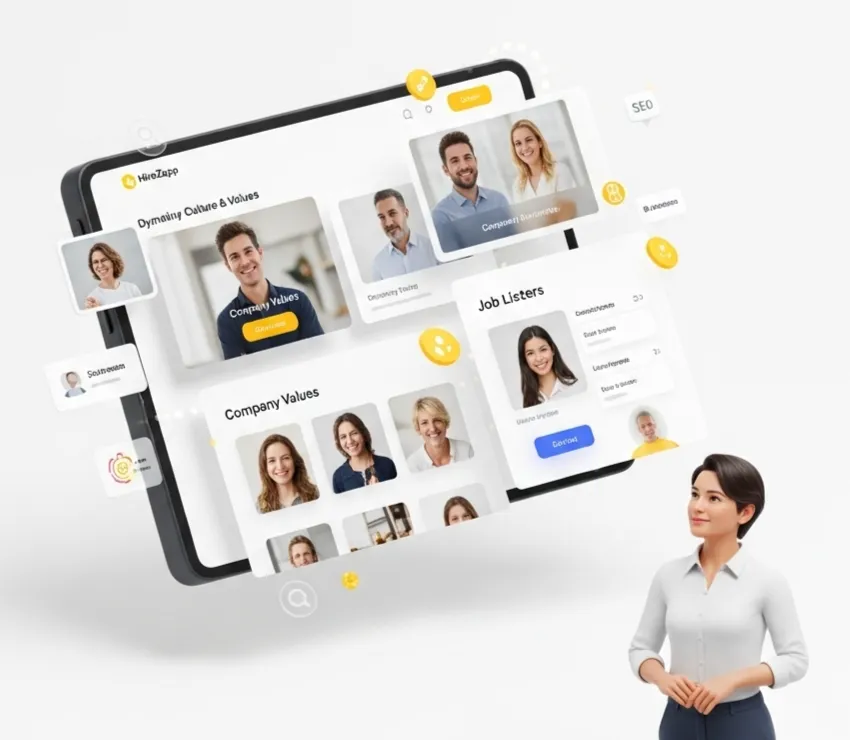
HireZapp is designed to solve the disconnect between finding candidates and qualifying them. It acts as an all-in-one platform to attract, screen, rank, and engage talent without the chaos of multiple tools.
- AI JD and Job Form Generation
Create optimized job descriptions and application forms in minutes, ensuring you attract the right people from the start. - Job Match and Job Quality Scores
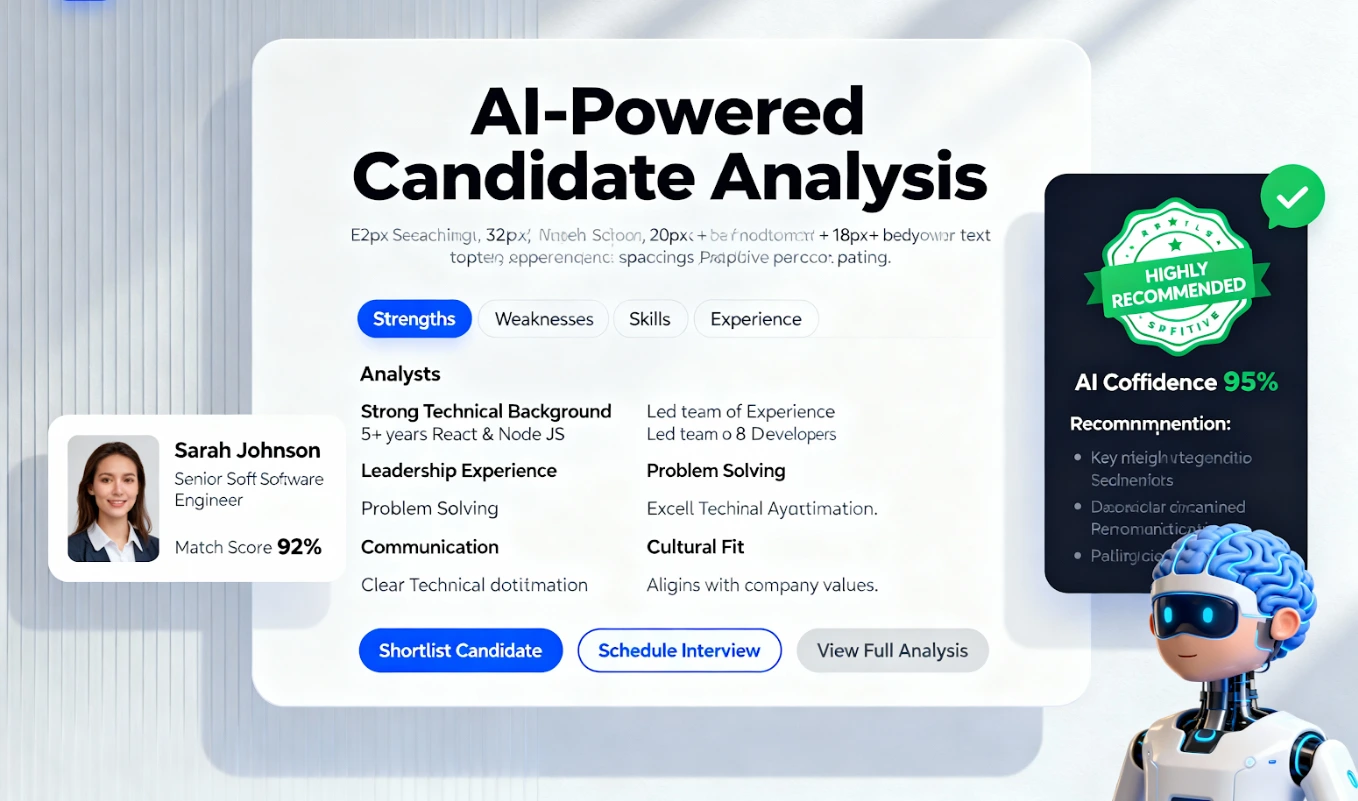
Our AI instantly scores every applicant against your job requirements, so you can focus your time on the top candidates. - Multi-Channel Screening
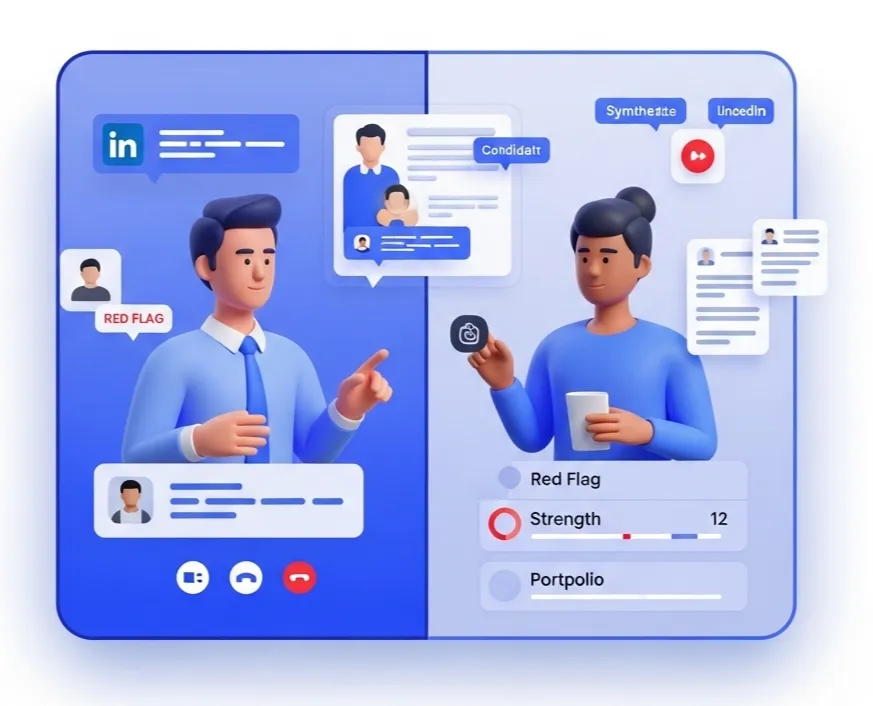
We consolidate profiles from LinkedIn, GitHub, and resumes into one view for a holistic understanding of each candidate. This makes us an effective recruiting CRM with job matching. - Assessments and Automated Pipeline
Move candidates through your pipeline with automated assessments and follow-ups, keeping everyone engaged. - Employer Branding Suite
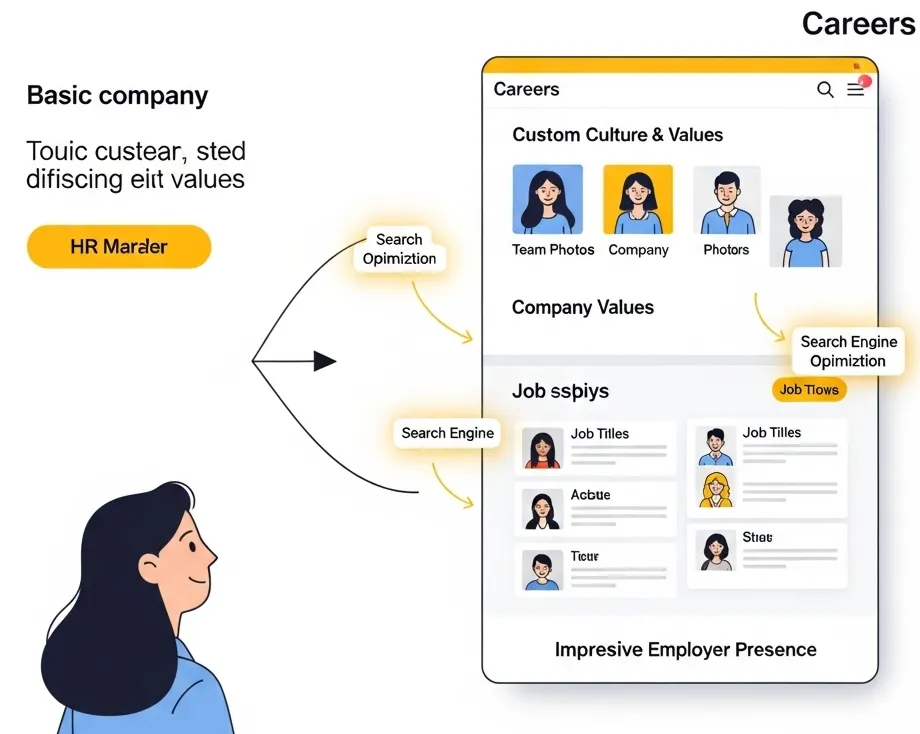
Build a professional careers page and use branded communications to create a trustworthy and appealing candidate experience.
Beyond Gem: Smarter Sourcing, AI Screening.
Stop sifting. HireZapp's AI automates screening, ranks candidates, and boosts your recruitment ROI beyond traditional tools.
Common Mistakes That Keep Recruiting Teams Stuck
Adopting new technology can fail if old habits persist. Watch out for these common mistakes that prevent teams from getting the full value out of their tools.
- Buying separate tools for every small task.
- Focusing only on outreach volume instead of quality.
- Ignoring the candidate experience in favor of internal process.
- Failing to train the entire team on the new workflow.
- Using generic, unbranded outreach and follow-up messages.
- Neglecting to close the loop with rejected candidates.
Recruiter reality: “We had a tool for sourcing, another for tracking, and we used spreadsheets for ranking. Nothing talked to each other. It was chaos. We spent more time managing our tools than talking to candidates.”
A Reality Check: What a New Tool Won't Solve
Even the best software cannot fix foundational issues in your hiring strategy. Be aware that a new platform will not fix:
- A vague or unappealing job description.
- A slow and disorganized interview process.
- A weak or negative employer reputation.
- Non-competitive compensation and benefits.
Find Your Complete Sourcing and Screening Solution
Choosing an alternative to Gem means looking beyond just outreach. The goal is to build a system that connects sourcing to screening and ranking seamlessly. By focusing on automation and candidate experience, you can stop managing spreadsheets and start building relationships with the right people. The best sourcing tools 2026 will be the ones that do both.
Frequently Asked Questions
1) What is the main limitation of sourcing-only tools like Gem?
Sourcing-only tools are excellent for outreach but typically lack robust features for screening, ranking, and managing the high volume of applicants they help generate. This creates a downstream bottleneck where recruiters are overwhelmed with manual review.
2) How does an ATS with AI screening improve hiring speed?
An ATS with AI screening automatically parses resumes and profiles, scores candidates against job criteria, and highlights the best matches. This reduces manual review time from hours to minutes, allowing recruiters to engage top talent faster.
3) What should I look for in candidate ranking software?
Look for customizable scoring criteria, the ability to screen across multiple sources (like LinkedIn, GitHub, and resumes), and a clear, easy-to-understand interface. The software should explain why a candidate received a certain score to ensure transparency.
4) Are all-in-one AI recruiting platforms better than specialized tools?
For most growing companies, all-in-one AI recruiting platforms are better because they reduce costs, eliminate data silos, and create a seamless experience for both recruiters and candidates. They prevent the need to manage multiple subscriptions and disconnected workflows.
5) What is a realistic budget for modern recruitment automation platforms?
Pricing varies widely. Some platforms charge high per-seat licenses ($200-$500/user/month), while others like HireZapp use more flexible credit-based or usage-based models. This allows you to pay for what you actually use, which is often more cost-effective for smaller teams.
6) How does HireZapp compare to other Gem alternatives?
While many alternatives focus on improving outreach, HireZapp integrates sourcing with powerful, automated screening, ranking, and pipeline management. Its AI Job Match Score is a key differentiator that helps teams instantly identify the most qualified candidates from any source.
7) What's the first step in upgrading our recruitment tech stack?
The first step is to audit your current process. Identify the single biggest bottleneck that slows down your hiring and look for a tool that solves that specific problem first. Avoid buying complex software with features you will never use.