How to Hire for Remote Positions Effectively
You have applicants coming from everywhere. Some reply to your social media ads, others slide into your DMs, and a few fill out a random form. The result is chaos. It's hard to track who is where in the process, and good candidates get lost. Figuring out <b>how to hire remote employees</b> without a clear system feels impossible.

How to Hire for Remote Positions Effectively: A Complete Guide
You have applicants coming from everywhere. Some reply to your social media ads, others slide into your DMs, and a few fill out a random form. The result is chaos. It's hard to track who is where in the process, and good candidates get lost. Figuring out how to hire remote employees without a clear system feels impossible.
The goal is to move from scattered efforts to a streamlined virtual hiring process. A repeatable system helps you find the right people faster, gives every applicant a professional experience, and saves you hours of administrative work.
Why Does Remote Hiring Feel So Broken?
Many founders and recruiters find that their traditional hiring methods don't work for remote roles. A weak remote hiring strategy often leads to frustration. The core problems are usually simple and fixable.
Here is what might be going wrong:
- Vague Job Descriptions: Your job post doesn't clearly state time-zone requirements, communication expectations, or what success looks like in a remote role.
- A Disjointed Application Process: Candidates apply through five different channels, and you have to manually copy-paste their information into a spreadsheet.
- Inconsistent Screening: Without a central system, different team members screen candidates using different criteria, leading to biased or inconsistent decisions.
- Poor Candidate Communication: Applicants are left wondering about their status for weeks because sending manual updates to everyone is too time-consuming.
- Difficulty Assessing Self-Discipline: It is tough to tell from a resume if a candidate has the autonomy and communication skills to thrive without direct supervision.
- Lack of a Central Hub: Your team communicates about candidates in Slack, email, and meeting notes, with no single source of truth.
A Simple Playbook: How to Hire Remote Employees Step-by-Step
Building an effective remote hiring machine doesn't have to be complicated. Following a clear, repeatable process helps you stay organized and make better decisions. Here are the key steps to take.
- Define the Role and Remote Expectations First
Before you write a single word, decide on core hours, meeting cadences, and must-have collaboration tools. Be clear about what "remote" means for this specific job. - Create a Remote-First Job Description
Use a tool that helps you focus on outcomes and remote-friendly skills like asynchronous communication and project management. Avoid office-centric language. - Set Up a Single, Branded Application Funnel
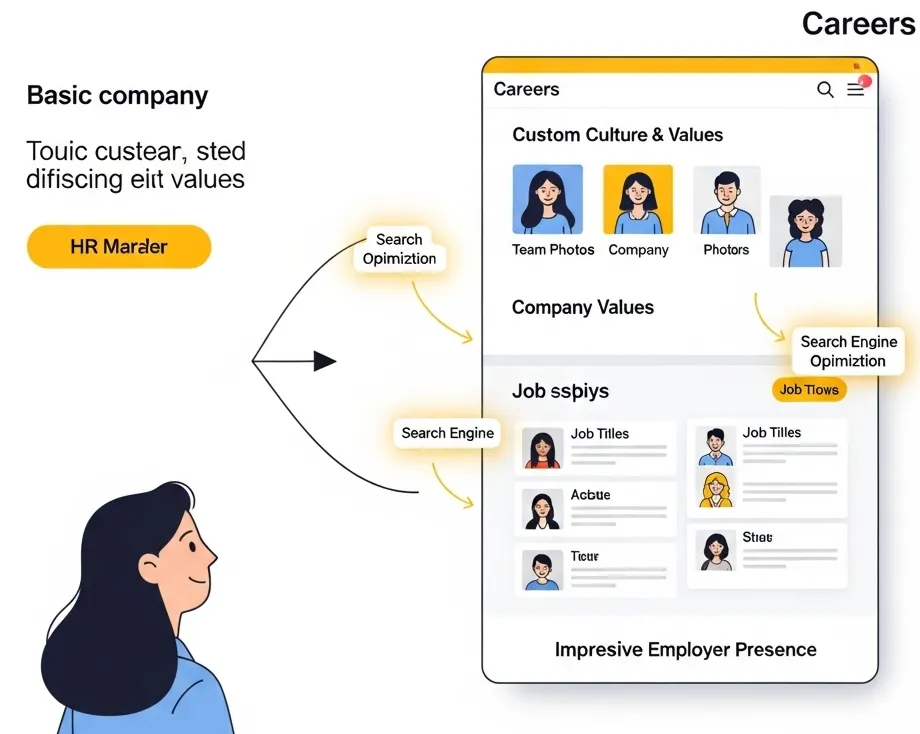
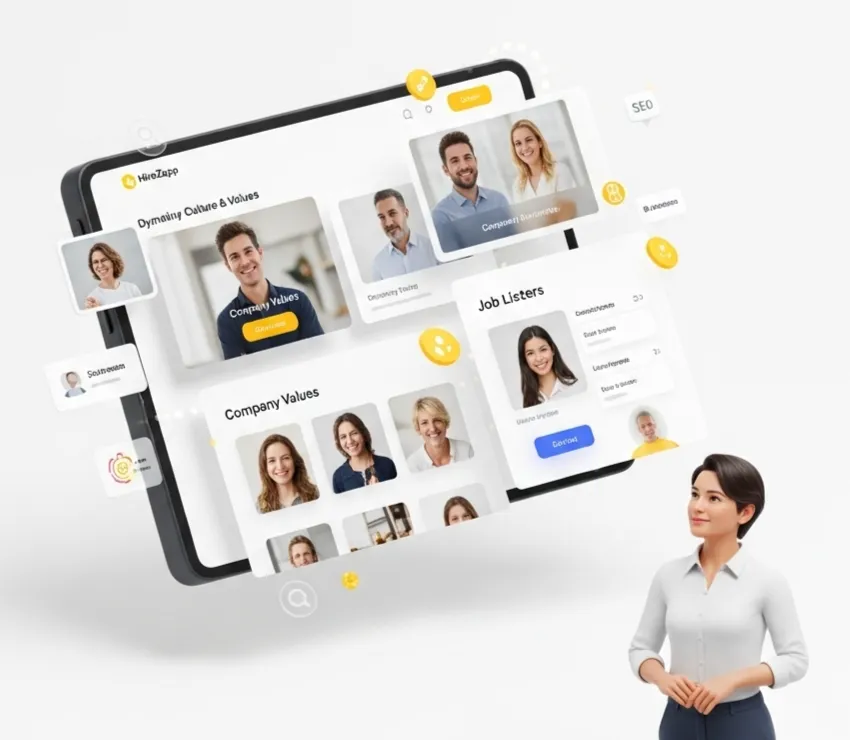
Direct all candidates to one place, like a dedicated careers page or a smart job form. This ends the chaos of managing multiple inboxes and spreadsheets. - Source Talent Where They Are
Use sourcing playbooks to find candidates on platforms like LinkedIn, GitHub, and niche job boards. A good system helps you track outreach and engagement. - Use a Job Match Score to Screen Applicants
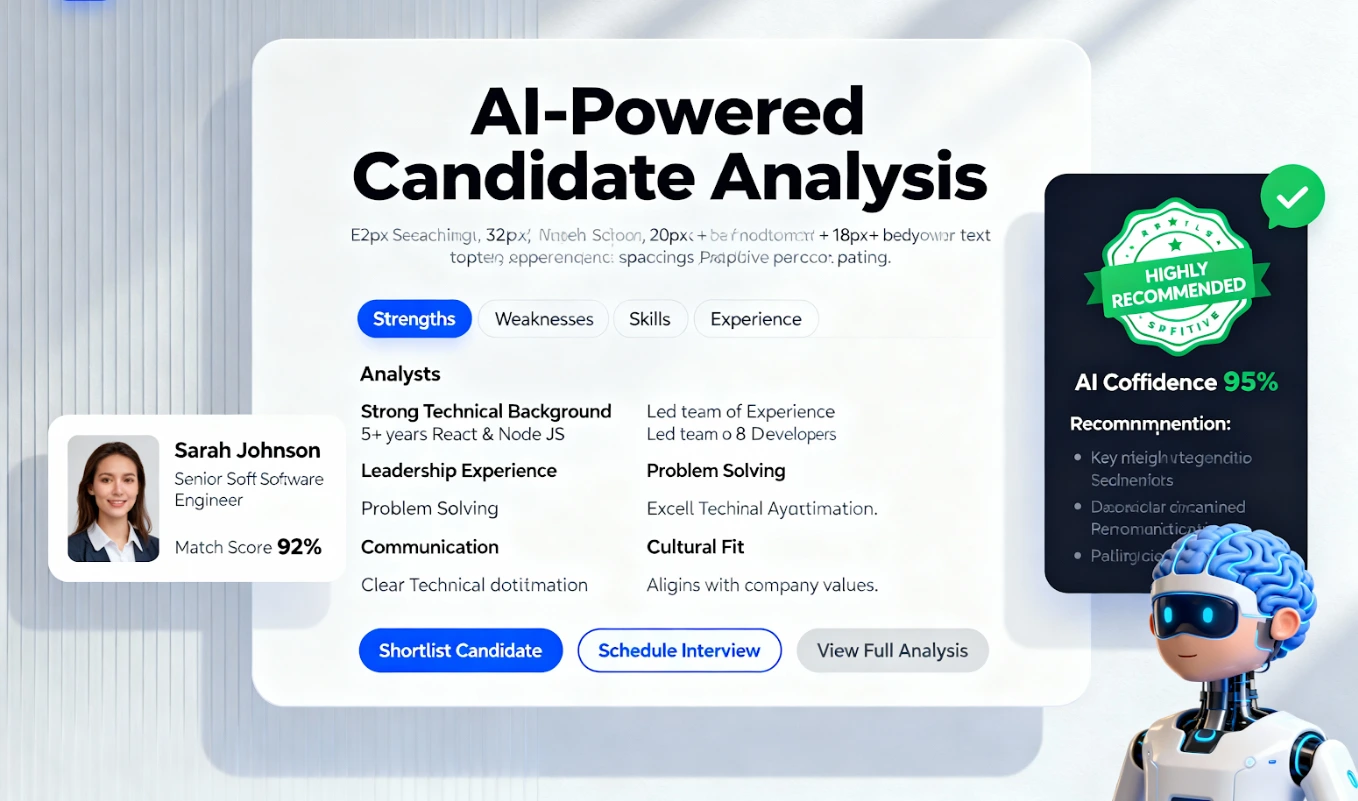
Automatically screen and score candidates based on their skills, experience, and answers to key questions. This lets you focus your time on the top contenders. - Conduct Structured Video Interviews
Ask every candidate for a role the same core questions. This reduces bias and makes it easier to compare applicants fairly. - Deploy a Simple Skills Assessment
Use a short, practical test or project to see how a candidate thinks and works. This is the best way to validate the skills they listed on their resume. - Automate Follow-Ups and Communication
Keep every candidate informed with automated status updates. A good experience builds your brand, even with candidates you don't hire.
Copy-and-Paste Templates for Your Remote Hiring Kit
Having ready-to-use templates saves time and ensures consistency. Here are a few examples to get you started for screening remote candidates effectively.
<b>Mini Remote Job Description Snippet</b>
About This Role:
We are looking for a self-directed Content Marketer to own our blog and social media presence. In this role, you will be responsible for planning the content calendar, writing two articles per week, and reporting on traffic and engagement. This is a fully remote position, but you must be available for team meetings between 10 AM and 2 PM Eastern Time.
<b>5 Great Remote Interview Questions</b>
- Describe your ideal remote work environment to be most productive.
- How do you prefer to communicate with your team on a daily basis (e.g., Slack, email, scheduled calls)?
- Tell me about a time you had to solve a problem without direct supervision. What was your process?
- How do you manage your schedule and prioritize tasks when working from home?
- What tools do you use to stay organized and collaborate with a remote team?
How a Central Platform Streamlines Remote Hiring
A dedicated platform like HireZapp is designed to run this playbook for you. Instead of juggling multiple tools, you get one central hub to manage the entire process. A strong ATS for remote hiring is no longer optional.
Recruiter reality: “I used to spend half my day just copying and pasting candidate info between my email, a spreadsheet, and my calendar. Now it all just flows into one place.”
Here is how specific features solve common problems:
- AI Job Description Generator
Creates clear, outcome-focused job posts that attract the right remote talent from the start. - Branded Careers Page and Job Forms
Gives you one professional, central link to share everywhere, ending the mess of multi-channel applications. - Job Match Score
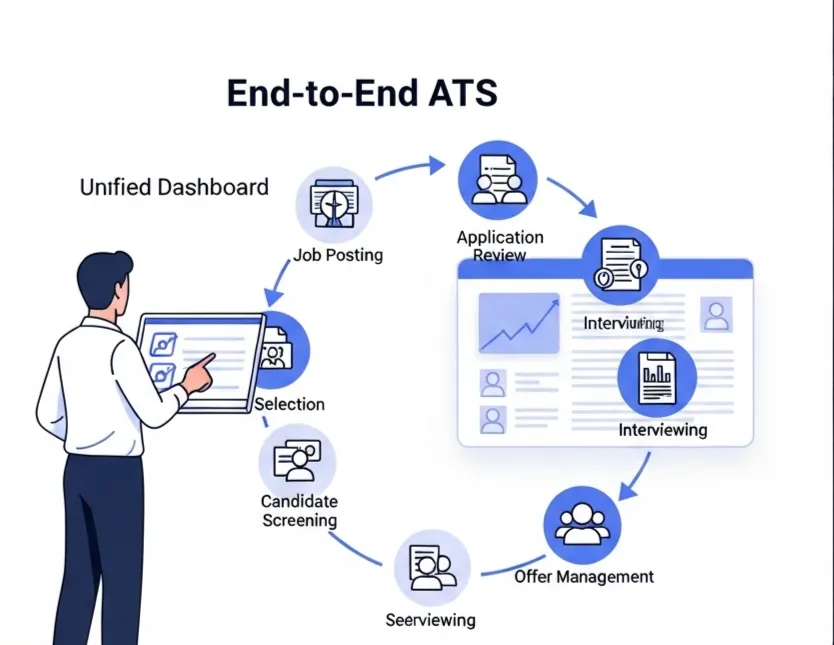
Automatically surfaces the most qualified candidates so you can stop wasting time on manual resume reviews. - Unified ATS Pipeline
Lets you see every candidate's stage, notes, and communication history in one simple dashboard. - Automated Follow-ups
Keeps candidates engaged and informed without any manual effort, improving your brand reputation.
Common Traps That Sabotage Remote Hiring
Even with a good process, small mistakes can derail your efforts. Watch out for these common issues that many teams face.
- Ignoring time-zone differences during interview scheduling.
- Failing to create a strong employer branding remote experience through clear and timely communication.
- Using generic interview questions that don't assess remote work competencies.
- Moving too slowly and losing top candidates to faster-moving companies.
- Not clearly defining success metrics and performance expectations for the role.
- Onboarding new hires with a disorganized, confusing process.
What a Better Process Can't Solve
A streamlined hiring system is powerful, but it is not a magic wand. It is important to be honest about what technology and process alone cannot fix. Your new hiring process will not solve:
- A non-competitive salary or benefits package.
- A toxic or unsupportive company culture.
- A high-stress work environment with poor work-life balance.
- A lack of clarity in the company's overall mission or direction.
Build Your Remote Team with Confidence
Hiring for remote positions does not have to be a source of stress. By replacing manual, scattered tasks with a single, streamlined workflow, you can build your team faster and more effectively. Implementing these best practices for remote hiring gives you a competitive advantage in finding great talent anywhere in the world.
Scale Remote Hiring. Automate Screening.
Implement blog strategies effortlessly. HireZapp's AI automates remote JDs, screening, and ATS for faster, better hires.
Frequently Asked Questions
1) What is the biggest challenge in hiring remote employees?
The biggest challenge is often accurately assessing a candidate's ability to work autonomously and communicate effectively without in-person cues. A structured process with skills assessments is key.
2) How do you write a good remote job description?
Focus on outcomes, not just tasks. Clearly state expectations around time zones, communication tools, and meeting schedules. Mentioning remote-specific skills like asynchronous communication is also helpful.
3) How can I screen candidates for remote work skills?
Use targeted interview questions about their time management, communication preferences, and past experiences with remote work. A short, paid skills test can also provide valuable insight into their work style.
4) Why is an ATS important for remote hiring?
An Applicant Tracking System (ATS) centralizes all candidate information, automates communication, and ensures a consistent screening process. This is critical when you can't rely on in-person meetings to stay organized.
5) How do you build company culture with a remote team?
Culture starts during the hiring process. A professional, transparent, and communicative hiring experience sets the tone. After hiring, focus on intentional communication, virtual team-building, and clear company values.
6) What are the first steps in creating a remote hiring process?
Start by defining the role's remote work expectations clearly. Then, set up a single application system (like a careers page) to collect all applicants in one place. This creates your foundation.
7) How do you ensure fairness in remote interviews?
Use a structured interview format where every candidate for the same role is asked the same core set of questions. This allows you to compare answers more objectively and reduces unconscious bias.