Common Mistakes in Job Descriptions and How to Fix Them
Are you spending time and money on job ads only to get a flood of unqualified applicants or, even worse, total silence? Many founders and recruiters face this problem. It often leads to a slow hiring process and high applicant drop-off. The cause is frequently hiding in plain sight: the job description itself.

Fix These Common Job Description Mistakes to Hire Faster
Are you spending time and money on job ads only to get a flood of unqualified applicants or, even worse, total silence? Many founders and recruiters face this problem. It often leads to a slow hiring process and high applicant drop-off. The cause is frequently hiding in plain sight: the job description itself.
A poorly written job description doesn't just fail to attract the right people; it actively repels them. Let's fix that. By making a few key changes, you can write clearer, more compelling job posts that convert top candidates into hires.
Why Most Job Descriptions Fail to Attract Talent
The issue isn't a lack of candidates; it's a lack of clarity. Your job description is your first, and most important, sales pitch. Many fail because they include:
- Vague language about the day-to-day role.
- Long, intimidating lists of required skills.
- No information about company culture or values.
- A focus on what the company needs, not what the candidate gets.
- Internal jargon that outsiders won't understand.
- Unclear instructions on how to apply, causing confusion.
A Step-by-Step Guide on How to Write a Job Description
Creating a job post that works is a repeatable process. Follow these steps to build a foundation for hiring success. This is a core part of job description best practices.
- Start with the 'Why'. Open with a short, engaging summary of why this role exists and the impact the person will have.
- Define Clear Outcomes. Instead of a list of tasks, describe what success looks like in the first 30, 60, and 90 days.
- Separate 'Must-Haves' from 'Nice-to-Haves'. Clearly label essential qualifications to encourage more diverse and qualified applicants to apply.
- Show, Don't Just Tell, Your Culture. Include a short paragraph on your work environment, team values, and what makes your company a great place to work.
- Use Inclusive and Simple Language. Avoid corporate jargon and gender-coded words. Keep sentences short and direct.
- Outline the Compensation and Benefits. Be transparent about the salary range and key benefits. This is a major factor for candidates.
- Explain the Hiring Process. Briefly list the steps a candidate can expect, such as a phone screen, technical assessment, and final interview.
Templates You Can Copy: From Bad to Great
Seeing the difference is the best way to learn. Many online resources show bad job description examples, but they rarely show you how to fix them line by line. Here is a practical before-and-after.
Recruiter Reality (Before): “We are seeking a highly motivated, rockstar developer to join our fast-paced team. Must have 10+ years of experience with every JavaScript framework. Responsibilities include coding, debugging, and other duties as assigned. Must be a team player.”
A Better Way (After): “We're looking for a Senior Frontend Developer to help us build the next generation of our customer dashboard. In this role, you'll work with React and TypeScript to create user-friendly features that directly impact our clients' success. Your work will help thousands of users save time every day.”
Job Description Audit Checklist
Use this quick checklist to audit your own job descriptions. For a more complete guide, you can download our full checklist.
- The job title is clear and standard.
- The first paragraph explains the mission of the role.
- Responsibilities are listed as outcomes, not just tasks.
- Requirements are split into 'must-have' and 'nice-to-have'.
- The salary range is included.
- The company culture is briefly described.
- The application process is clearly explained.
How to Fix Common Job Description Mistakes with Automation
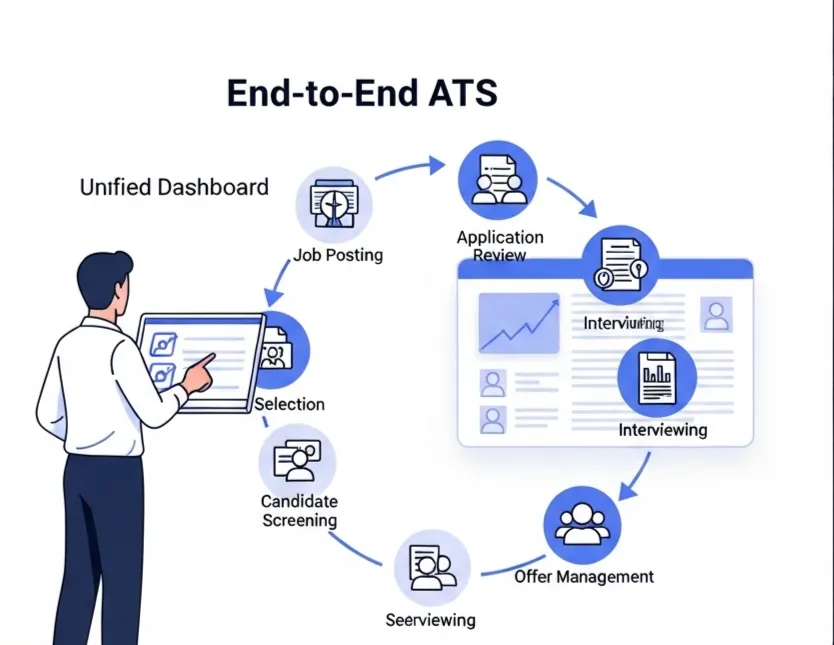
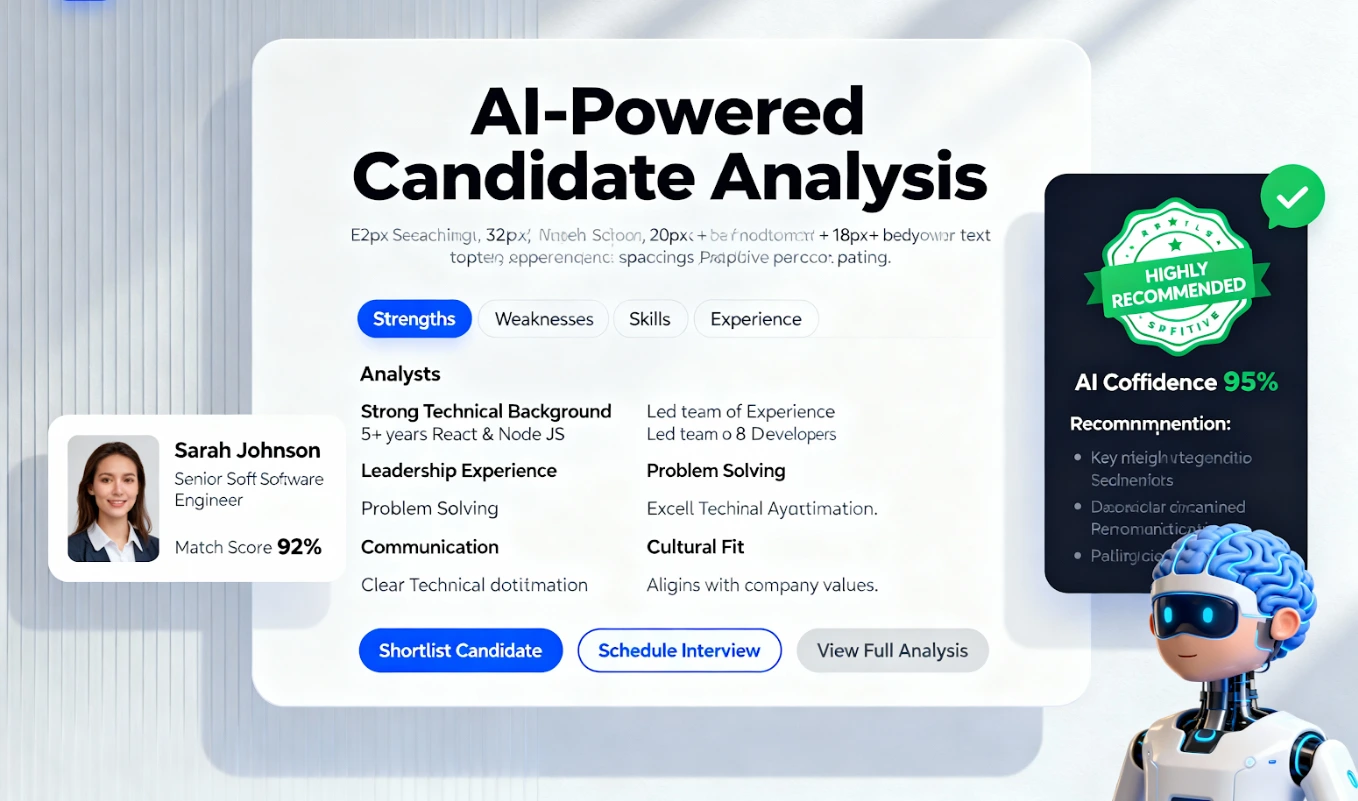
Manually writing and auditing every job description is slow and prone to error. This is where the right tools can help you focus on strategy instead of repetitive tasks. HireZapp is built to solve these exact challenges, helping you create high-quality JDs that attract the right people.
- AI Job Description Generator
Instantly create clear, optimized, and inclusive job descriptions from just a job title, removing the guesswork. - Job Quality Score
Get real-time feedback on your job description's clarity, inclusivity, and potential to attract candidates before you even post it. - Branded Careers Page
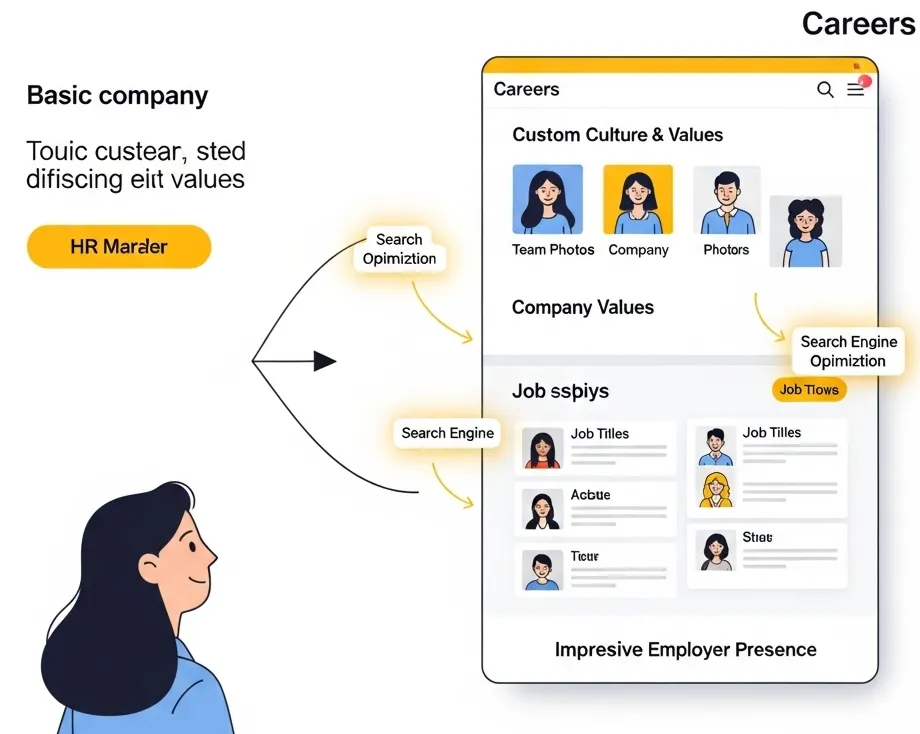
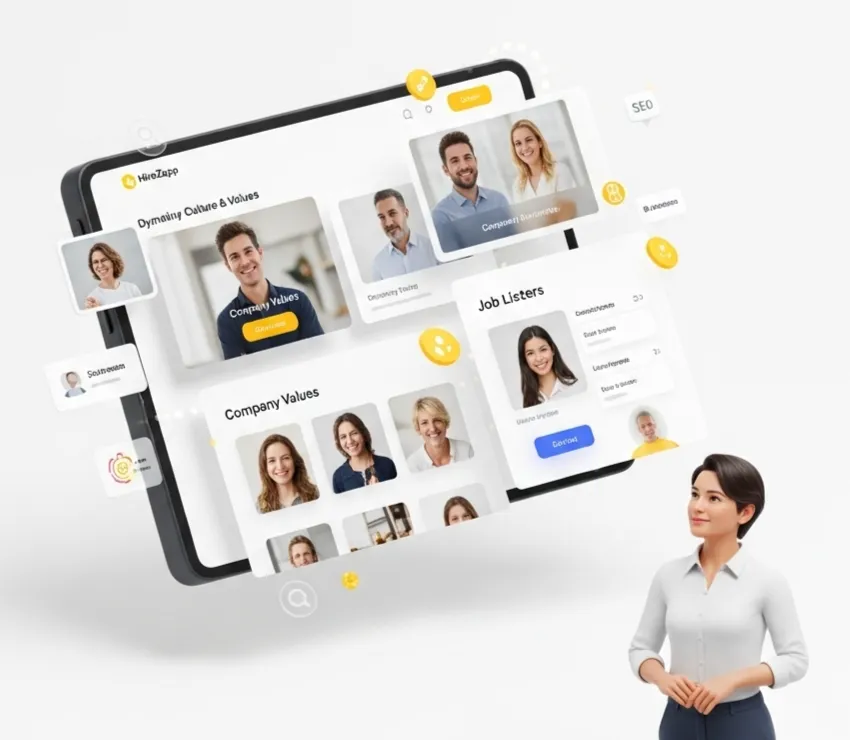
Ensure your company culture and value proposition are consistently communicated across all your job postings. - ATS and Pipeline Management
Connect your great job description to a smooth, automated applicant experience that keeps candidates engaged from start to finish.
More Traps That Keep Teams Stuck
A great process is key if you want to improve job description quality consistently. Watch out for these common habits that can silently sabotage your hiring efforts.
- Forgetting who the audience is (the candidate).
- Copying and pasting old or generic job descriptions.
- Letting the JD get approved by too many people, making it generic.
- Focusing only on technical skills and ignoring soft skills.
- Failing to update the JD as the role evolves.
A Great JD Is Only the Start
Writing a better job description is a huge step forward, but it's important to be realistic. It is one part of a larger hiring system. An amazing job description won't fix:
- A slow or disorganized interview process.
- Compensation that is well below market rates.
- A negative company reputation or poor culture.
- A lack of feedback for candidates who are rejected.
Your Next Step to Better Hiring
Fixing your job descriptions is one of the highest-impact changes you can make to your hiring process. It costs nothing but a little time and attention to detail. By treating your JD as the critical sales tool it is, you'll attract better candidates and fill roles faster.
Fix Your JDs. Hire Top Talent.
HireZapp's AI crafts perfect job descriptions, eliminating mistakes and attracting ideal candidates faster.
Frequently Asked Questions
1) What are the three most common job description mistakes?
The three most common mistakes are using vague, jargon-filled language, listing an unrealistic number of 'required' skills, and failing to sell the opportunity by not explaining the company culture or the impact of the role.
2) How can I make my job descriptions more inclusive?
To make them more inclusive, use gender-neutral language, avoid corporate idioms, clearly separate required skills from preferred skills, and highlight your company's commitment to diversity and inclusion.
3) Why is it important to include a salary range?
Including a salary range respects the candidate's time and increases the number of qualified applicants. It builds trust and transparency from the very first interaction and helps filter out candidates whose expectations don't align with the role.
4) How long should a job description be?
Aim for a length between 300 and 700 words. It should be long enough to provide all necessary details but short and scannable enough that a candidate can quickly understand the core of the role on a mobile device.
5) What are the key components of effective job descriptions?
Effective job descriptions include a clear job title, an engaging summary of the role's purpose, a list of outcome-based responsibilities, a clear set of qualifications, details on compensation and benefits, and a brief overview of the company culture.
6) How does a Job Quality Score help improve my hiring?
A Job Quality Score provides instant, data-driven feedback on your job description before you publish it. It helps you identify unclear language, potential bias, or missing information, allowing you to make improvements that will attract a stronger, more diverse applicant pool.
7) What's the best way to start writing a job description?
The best way to start is by talking to the hiring manager and the team the new hire will join. Understand the key problem this person will solve and what success looks like in their first six months. This focus on outcomes is more valuable than just listing tasks.