How to Write an Effective Job Description (Step-by-Step Guide)
Are you spending money on job ads only to get flooded with unqualified applicants? Or maybe you're a founder trying to hire through DMs and Google Forms, feeling overwhelmed by the disorganization. The problem often starts at the very beginning: the job description. It’s your company’s front door, and if it’s not right, the best people will walk right by.

How to Write an Effective Job Description: A Step-by-Step Guide
Are you spending money on job ads only to get flooded with unqualified applicants? Or maybe you're a founder trying to hire through DMs and Google Forms, feeling overwhelmed by the disorganization. The problem often starts at the very beginning: the job description. It’s your company’s front door, and if it’s not right, the best people will walk right by.
A well-crafted job description does more than just list tasks. It attracts the right talent, filters out the wrong fits, and sets the stage for a smooth hiring process. This guide provides a clear, step-by-step process for writing job descriptions that attract talent and turn applicants into hires.
Why Most Job Descriptions Miss the Mark
Many teams struggle with hiring because their job descriptions are working against them. This is a common issue that silently sabotages hiring efforts before they even begin. Understanding these pitfalls is the first step toward fixing them.
Recruiter reality: “I spent an hour writing the perfect JD, posted it, and got 100 applications. Zero were qualified. It felt like I was shouting into the void.”
Here are the common reasons why job descriptions fail:
- They use vague language and internal jargon that confuses external candidates.
- They list an unrealistic “wish list” of skills that discourages great people from applying.
- They focus only on what the company needs, not on what the candidate gets.
- They are poorly formatted, making them difficult to read on mobile devices.
- They neglect the fact that the candidate experience job description is the first impression a person has of your company.
A Repeatable Process for How to Write an Effective Job Description
Creating a great job description shouldn't be guesswork. Follow this simple, repeatable playbook to get it right every time. This structured approach ensures you cover all the essential elements needed to attract qualified candidates.
- Start with the “Why”
Before listing tasks, clearly state the core problem this role solves for the company and its customers. - Outline Key Responsibilities
Use a bulleted list with action verbs to describe the main duties. Focus on impact, not just activities. - Separate Must-Haves from Nice-to-Haves
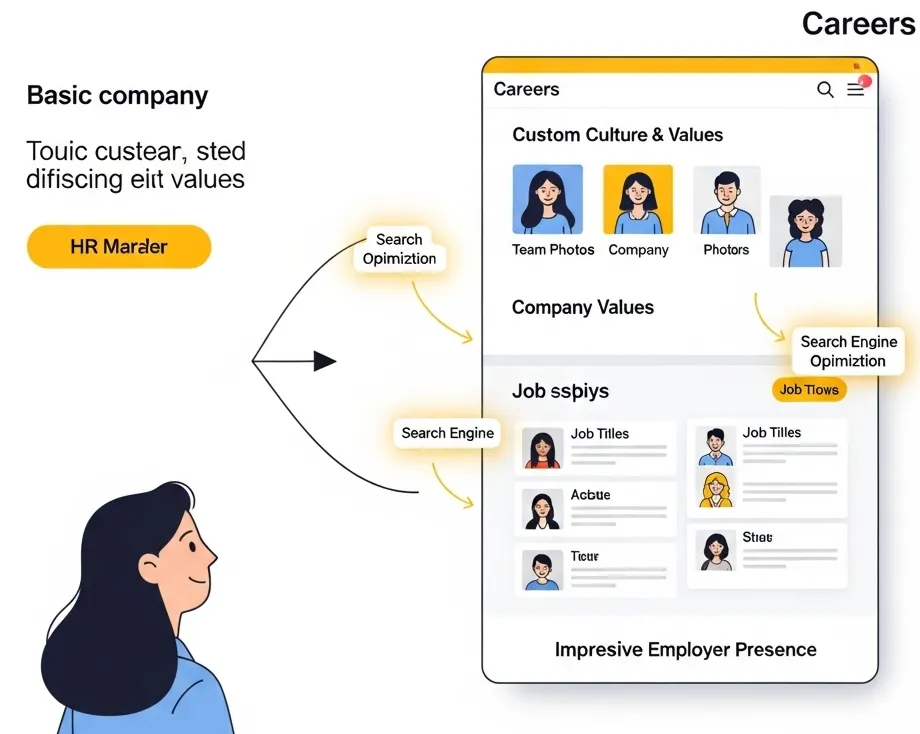
Clearly define the essential skills required versus the skills that are a bonus. This widens your talent pool. - Sell the Vision and Culture
Write a brief, authentic paragraph about your company mission and what it’s like to work on your team. - Provide Clear Compensation Details
Include the salary range and key benefits upfront. Transparency builds trust and saves everyone time. - Use Technology to Refine Language
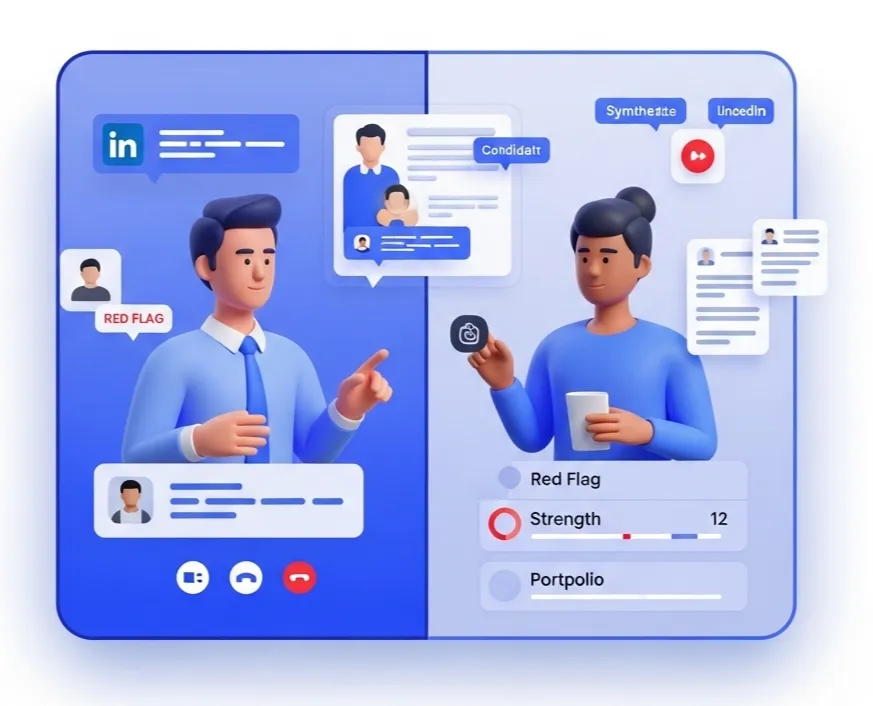
Leverage tools that help you reduce bias in job descriptions and ensure inclusive, welcoming language. - Format for Easy Reading
Use short paragraphs, headings, and bullet points to make the JD scannable on any device. - Prepare the Content to be Found
Make sure you optimize job description for ATS systems by using standard job titles and relevant keywords.
From Vague to Valuable: A JD Snippet Example
The difference between a generic job description and a compelling one is in the details. A generic post gets generic applicants. A specific, human-centric post gets interested, qualified candidates. Below is a sample you can adapt, treating it as a mini job description template for a key section.
Example: Remote Sales Role
Needs improvement: “Must be a self-starter and highly motivated team player with 5-7 years of experience in SaaS sales, capable of managing the full sales cycle in a fast-paced environment. Must have experience with CRM.”
Clear and attractive: “You’ll be a great fit if you have around 4 years of experience helping B2B SaaS companies grow. You will own the entire sales process, from finding new opportunities to closing deals. We use HubSpot, but we are happy to train you if you’ve used a similar CRM.”
How HireZapp Creates Better JDs in Seconds
Following the steps above is crucial, but it can be time-consuming. HireZapp is designed to automate the heavy lifting and give you a competitive edge, connecting your JD directly to your entire hiring workflow.
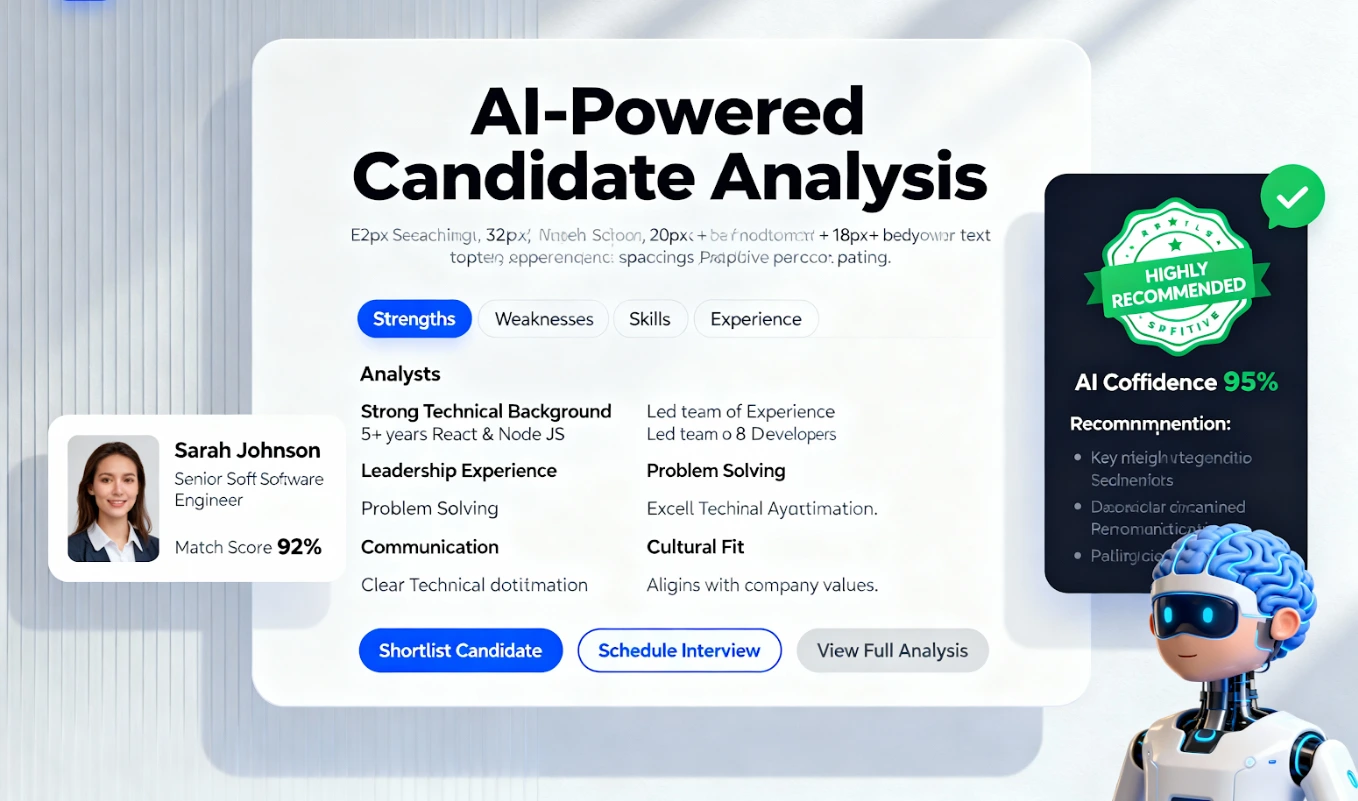
- AI Job Description Generator
Create a high-quality, optimized first draft in seconds, giving you back hours to focus on candidates. - Job Quality Score
Get instant feedback on your JD's clarity, inclusivity, and potential to attract top talent before you post it. - Branded Job Posts
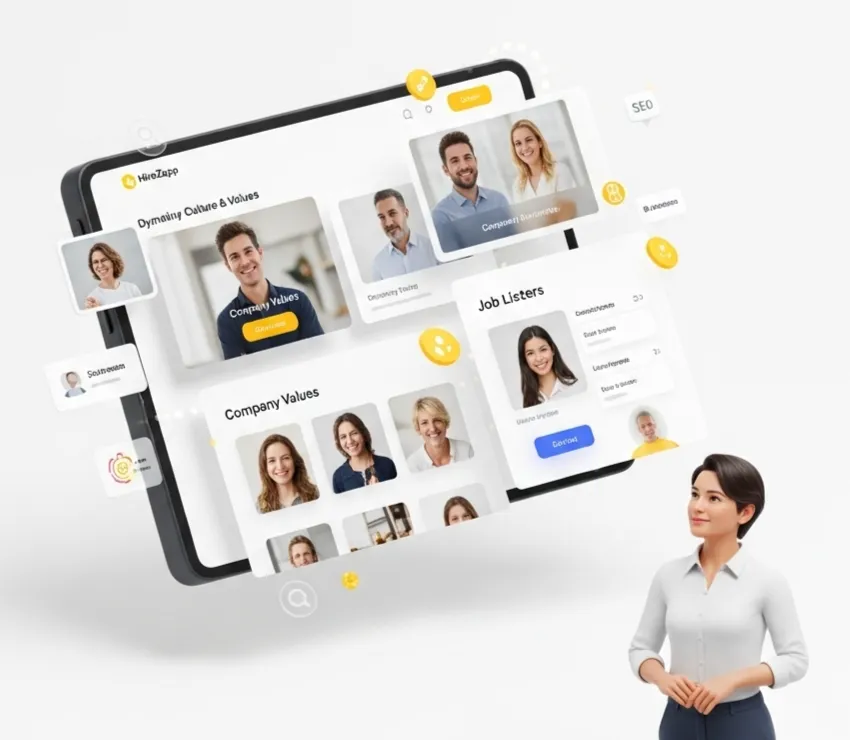
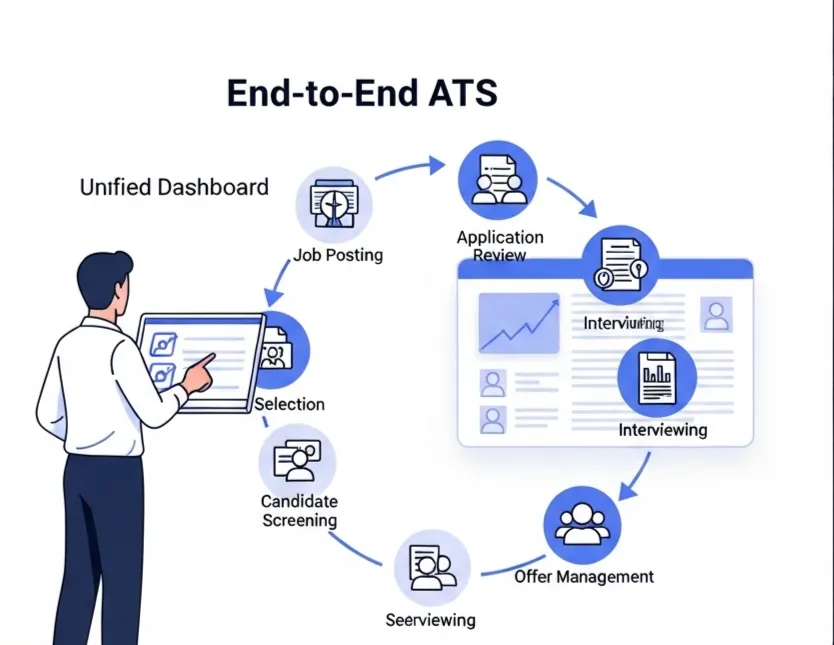
Ensure every job description automatically reflects your company's brand, voice, and culture. - ATS Pipeline
Move applicants seamlessly from your new job description into a structured hiring pipeline without switching tools.
Common Mistakes That Keep Teams Stuck
Even with a good template, small mistakes can lead to a poor candidate experience and a weak applicant pool. Watch out for these common errors:
- Forgetting to include the salary range or location details.
- Using exclusionary or gendered language that alienates candidates.
- Creating an endless list of qualifications that no single person could meet.
- Focusing only on tasks instead of the potential for growth and impact.
- Making the application process too long or requiring a cover letter for every role.
What a Great JD Won't Fix
A powerful job description is the best possible start, but it is not a magic bullet. To build trust, it's important to be honest about what it can't solve on its own. It will not fix:
- A slow or disorganized interview process.
- A non-competitive compensation and benefits package.
- A toxic or unsupportive company culture.
- A lack of timely communication with applicants.
Your Next Step to Better Hires
A clear, compelling, and inclusive job description is your single most powerful tool for attracting the right people. It saves you time, reduces your ad spend waste, and fills your pipeline with candidates who are genuinely excited about the role. Start with a better JD, and you will end with a better hire. Ready to stop guessing? Try HireZapp for free and see how our tools can help you write better job descriptions today.
AI JDs: Attract & Convert More.
Stop guessing. HireZapp's AI crafts optimized, bias-free JDs for top talent.
Frequently Asked Questions
1) What is the most important part of a job description?
The two most important parts are the job title and the core responsibilities section. A clear, standard title helps candidates find the role, while a well-defined responsibilities section helps them understand the impact they will have.
2) How long should a job description be?
Aim for 300 to 700 words. It should be long enough to provide detail but short enough to be easily scanned. Use bullet points and clear headings to improve readability.
3) Why is inclusive language important in job descriptions?
Inclusive language helps you attract a more diverse and qualified pool of candidates. Words that are subtly biased can discourage entire groups of people from applying, shrinking your talent pool without you even realizing it.
4) Can an AI job description generator really write better than a human?
An AI generator excels at creating a structured, optimized, and unbiased first draft in seconds. A human should always review and add the unique cultural context and nuance, but AI provides a massive head start and ensures best practices are included.
5) How does a good JD improve candidate quality?
A good JD acts as a filter. It clearly communicates the role's expectations and the company's culture, attracting people who are a strong match and encouraging those who are not a good fit to self-select out, saving everyone time.
6) What is a Job Quality Score?
A Job Quality Score is a metric used by platforms like HireZapp to evaluate your job description. It analyzes factors like clarity, inclusivity, length, and the presence of key information (like salary) to predict its performance.
7) Is this founder job description guide useful for established HR teams too?
Absolutely. While this serves as a practical founder job description guide for scaling companies, the principles of clarity, transparency, and inclusivity are best practices for any HR team looking to improve their hiring outcomes.
8) How do I know if my JD is working?
Look at your metrics. A successful job description will lead to a healthy number of qualified applicants, a lower cost-per-hire, and a faster time-to-fill. If your pipeline is full of irrelevant applications, your JD is likely the problem.