Hiring Playbook for Solo Founders and 5–30 Employee Startups
Hiring is hard, especially when you are a solo founder or a small team juggling a dozen other priorities. When you're small, every hire feels like a massive decision. Getting it wrong is costly, but spending weeks sifting through resumes, managing messy spreadsheets, and losing great candidates to slow follow-ups is just as painful.

Your First Complete Hiring Playbook for Startups
Hiring is hard, especially when you are a solo founder or a small team juggling a dozen other priorities. When you're small, every hire feels like a massive decision. Getting it wrong is costly, but spending weeks sifting through resumes, managing messy spreadsheets, and losing great candidates to slow follow-ups is just as painful.
This guide provides a simple, repeatable system to help you find and hire the right people faster, without the chaos. It is a founder-focused plan for building your core team.
Why Startup Hiring Feels So Broken
If your hiring feels reactive and disorganized, you are not alone. Many founders run into the same roadblocks because they lack a system. The real issues are often simple and fixable.
- No defined process
You are making up the steps as you go, leading to inconsistent interviews and decisions. - Vague job descriptions
Writing JDs that attract spam applicants or fail to excite the right talent. - Scattered candidate data
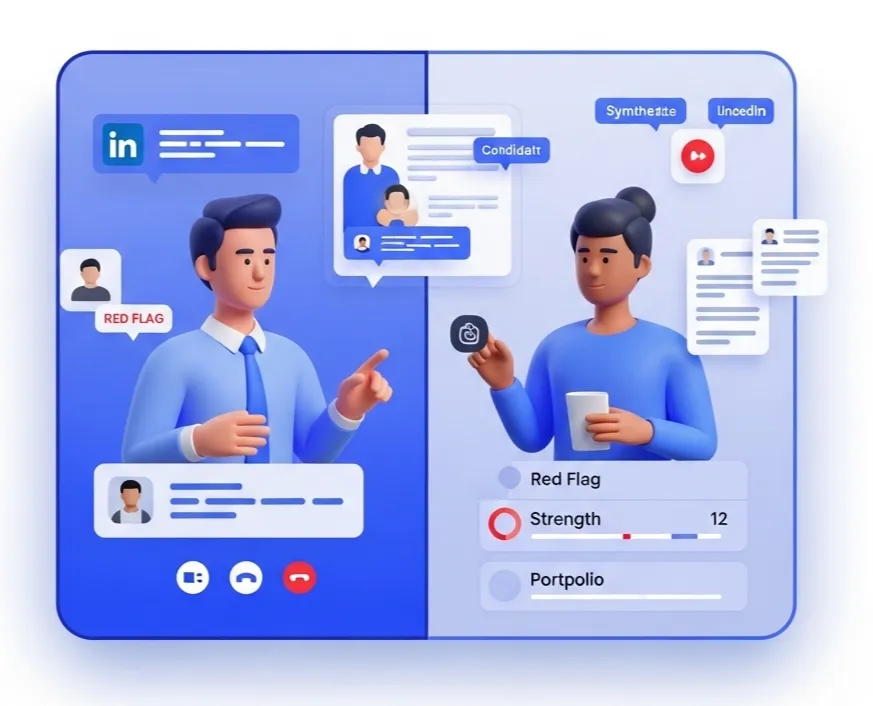
Managing applicants across email, LinkedIn DMs, and Google Forms leads to missed follow-ups. - Screening on gut feel
Making hiring decisions without clear criteria or a scorecard. - A poor candidate experience startup
Accidentally creating a slow or confusing process that turns off top applicants. - Neglecting your brand
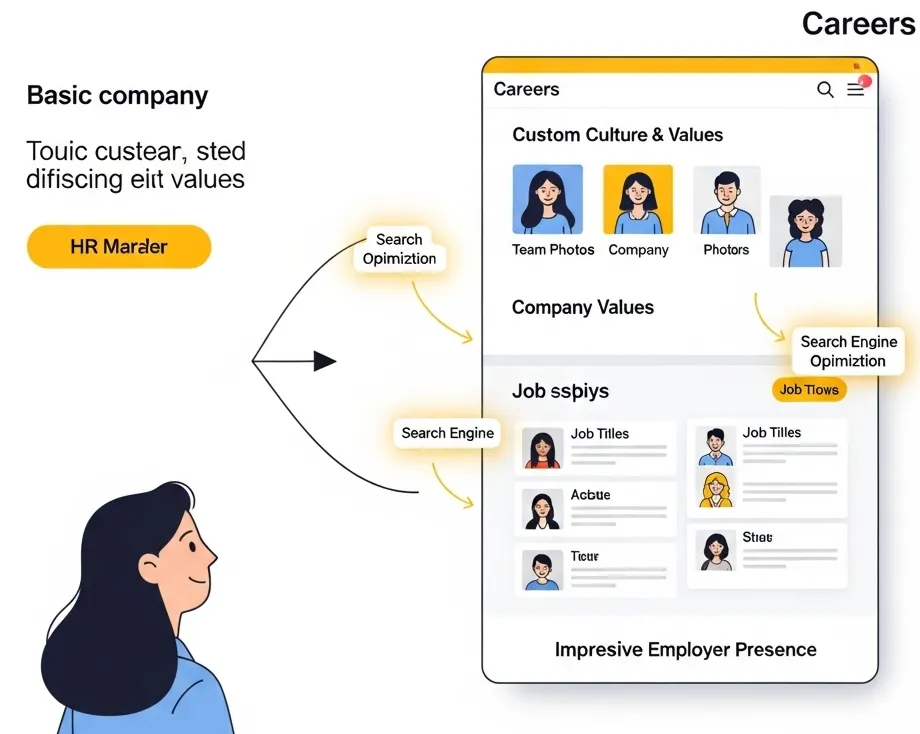
Failing to show candidates why your company is a great place to work, even at an early stage.
The Simple Startup Hiring Playbook
Follow these steps to build a hiring machine that works. This is the core of our recommended hiring playbook for startups, designed for speed and quality.
- Define the Role and Scorecard
Before you write a single word, create a simple document outlining the top 3-5 outcomes this person must achieve in their first six months. - Write a Job Description That Sells
Use your outcomes list to build a job description focused on impact, not just a list of required skills. Use clear language that reflects your company culture. - Set Up Your Sourcing Channels
Decide where you will post the job. Focus on 2-3 channels where your ideal candidate spends their time instead of blasting it everywhere. - Create a Simple Screening Funnel
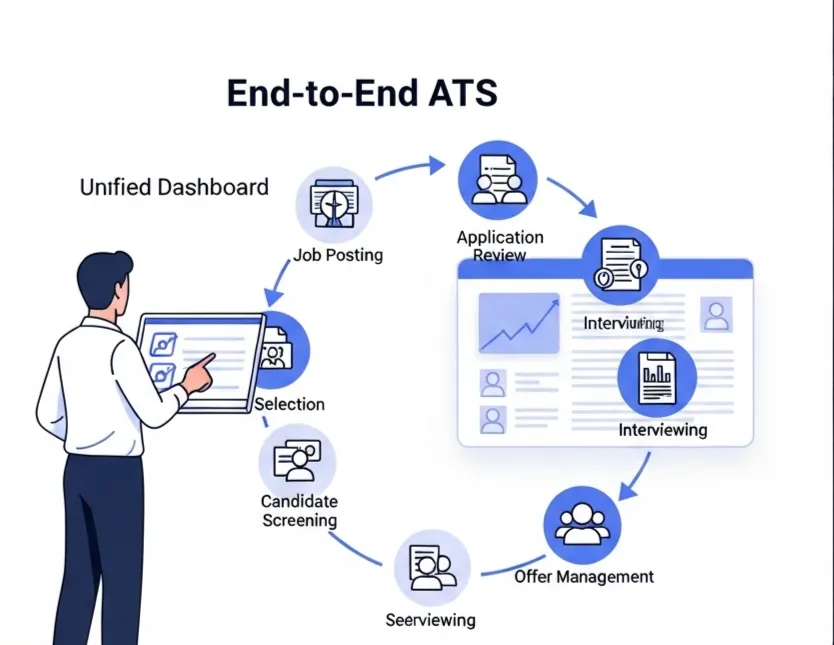
Use a centralized tool to collect all applicants. This will be your single source of truth and prevent candidates from getting lost. - Conduct Structured Interviews
Ask every candidate for a role the same core questions based on your scorecard. This helps you compare apples to apples, not just who you liked the most. - Check References with Purpose
Ask references specific questions about the candidate's past performance related to the outcomes you defined in step one. - Make a Clean Offer
Move quickly when you find the right person. Present a clear, written offer that includes salary, equity, benefits, and the start date.
Templates You Can Use Today
Stop starting from scratch. Here are a few practical templates to get you moving quickly. Use these as part of your founder hiring strategy to stay organized and professional.
<b>First Hire Checklist Snippet</b>
- Scorecard Created
Top 3-5 outcomes for the role are defined. - Job Description Published
The role is live on 2-3 key channels. - Screening Questions Prepared
5-7 standard questions are ready for initial calls. - Interview Panel Aligned
Anyone involved in interviews agrees on the criteria. - Offer Details Approved
Salary and equity bands are set.
<b>5 Essential Screening Questions</b>
- What about this role and our company caught your attention?
- Can you tell me about a time you achieved a result similar to what we need?
- How do you prefer to collaborate and receive feedback?
- What kind of work environment helps you do your best work?
- What are your salary expectations for this position?
<b>Simple Candidate Follow-Up Message</b>
Hi [Candidate Name],
Thanks again for your time today. The team and I enjoyed our conversation. We are wrapping up initial interviews and will be in touch with an update on next steps by [Date].
Best,
[Your Name]
Where HireZapp Fits In Your Process
A playbook is powerful, but the right tools make it effortless. HireZapp was built to automate this entire workflow for founders and small teams.
- AI JD and Job Form Generation
Turns your role requirements into a compelling job description and branded application form in seconds. - Multi-channel Applicant Screening
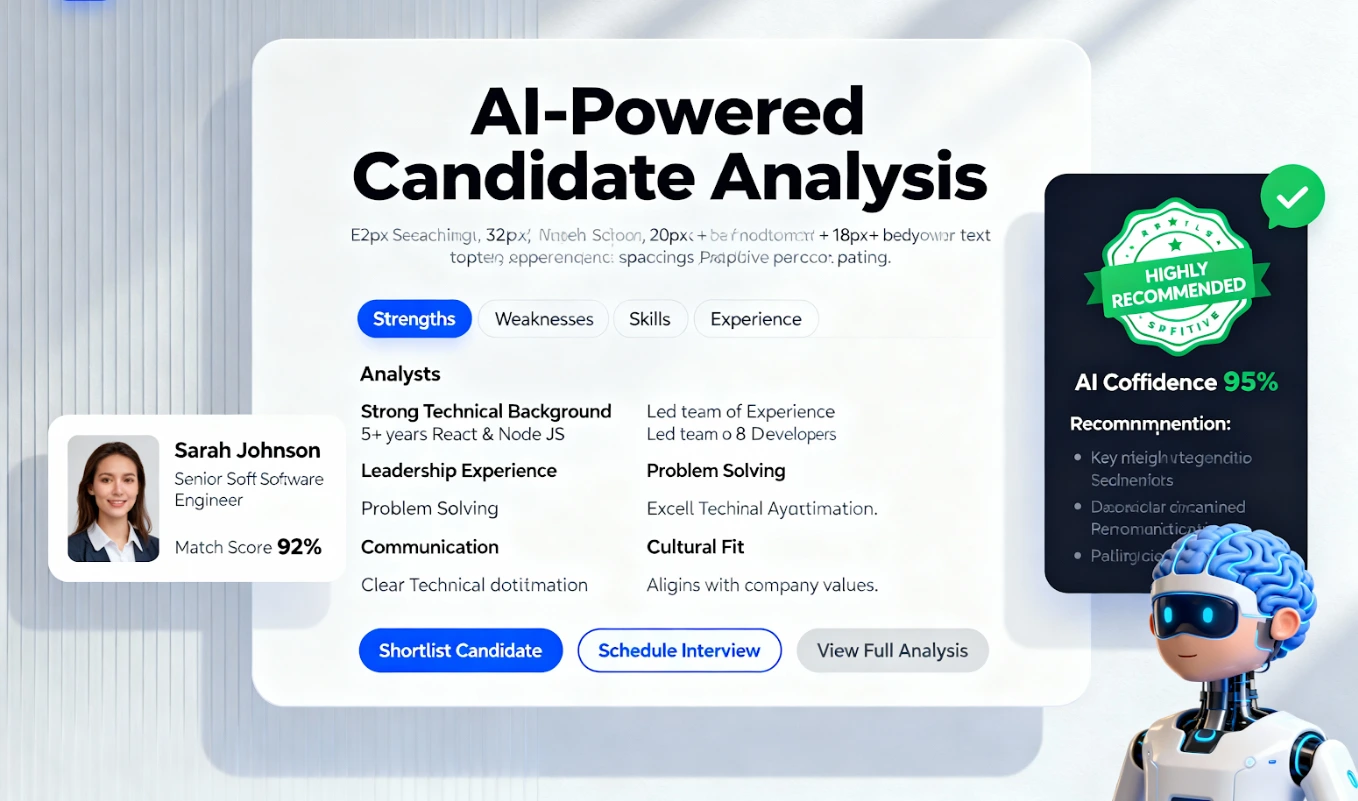
Pulls all your candidates from LinkedIn, job boards, and other sources into one clean ATS pipeline. - Job Match and Quality Scores
Automatically scores applicants against your job description so you can focus on the best fits first. - Automated Follow-ups
Keeps candidates warm and informed without you having to manually write and send emails. - Employer Branding Suite
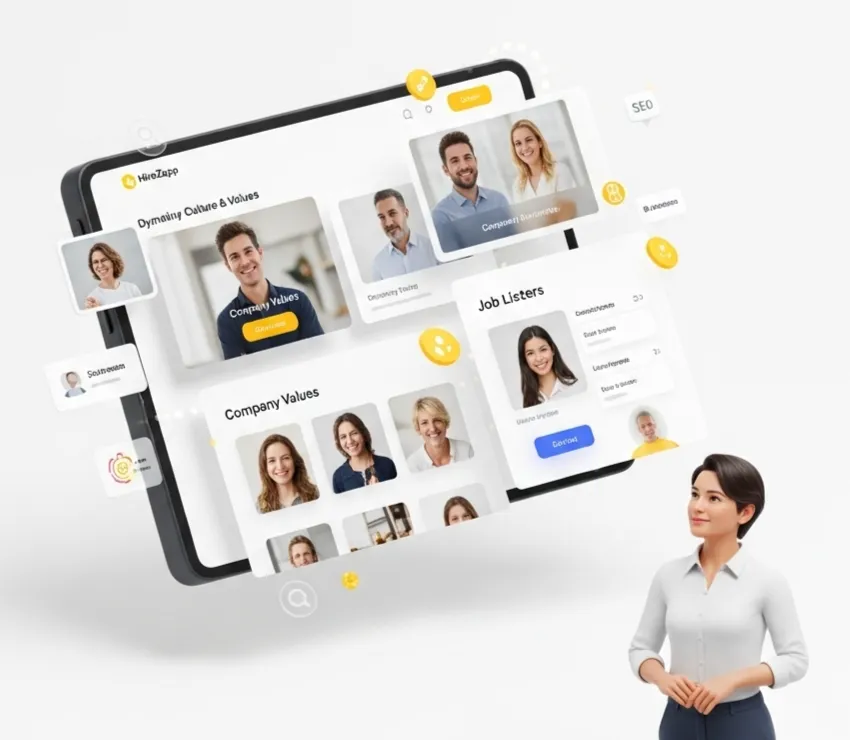
Gives you a professional careers page and branded communications from day one.
Recruiter reality : “So much time is wasted just trying to keep track of who is in what stage. An organized pipeline is the difference between a fast hire and losing your top choice.”
Automate Your Startup Hiring Playbook
Turn your hiring playbook into an AI-powered engine. Automate screening, scale your team, and find top talent effortlessly.
Common Mistakes That Keep Startups Stuck
Avoid these common traps that slow down hiring and lead to poor decisions.
- Hiring a clone of yourself instead of someone who fills your gaps.
- Ignoring small red flags during the interview process.
- Relying only on referrals and missing out on a diverse talent pool.
- Moving too slowly to make a decision and an offer.
- Failing to create a structured onboarding plan for your new hire.
What This Playbook Will Not Fix
A great hiring process is critical, but it is not a silver bullet. This system cannot solve foundational business problems.
- An uncompetitive salary or equity package.
- A weak company culture or a lack of clear vision.
- A product that does not have a clear market fit.
- Poor management or a lack of direction for new hires.
Frequently Asked Questions
1) What is the most important step in a startup hiring process?
Defining the role and creating a scorecard before you start looking is the most critical step. It ensures you are hiring for specific business needs, not just a vague job title, which prevents costly mis-hires.
2) How can a founder create a good candidate experience?
The keys are communication and speed. Use a system to acknowledge every application, provide clear timelines for next steps, and make decisions quickly. Even a simple, automated follow-up shows respect for their time.
3) When should a startup get an ATS for small business?
You should consider an ATS (Applicant Tracking System) as soon as you plan to hire more than one person or are tired of managing candidates in spreadsheets and your inbox. Modern platforms are affordable and save founders dozens of hours.
4) What is the best hiring strategy for a first hire?
Prioritize finding someone who is adaptable, resourceful, and complements your own skill set. Look for a generalist who is excited by the mission, not just the role. The first hire checklist should focus on core values and problem-solving ability.
5) How can ai hiring tools for startups help a small team?
AI tools can automate repetitive tasks like writing job descriptions, screening resumes for key skills, and scheduling interviews. This allows a small team to move faster and focus their energy on high-quality conversations with top candidates.
6) What is a simple small business hiring guide for non-recruiters?
Focus on a four-step process: 1. Define the job's key outcomes. 2. Write a clear, honest job post. 3. Use a single system to track all applicants. 4. Ask every candidate the same core interview questions to compare them fairly.
7) Why is employer branding startup important so early?
Your employer brand is how you tell the story of your company. A strong brand helps you attract top talent that is motivated by your mission, not just a paycheck. It starts with your careers page, job descriptions, and every email you send.