Most Common Hiring Mistakes Founders Make (and How to Fix Them)
You have a great product, funding in the bank, and a vision for the future. But when it comes to hiring, everything feels slow and chaotic. You are juggling LinkedIn DMs, messy Google Forms, and a flood of applicants who are not the right fit. This guide breaks down the most common <b>hiring mistakes founders</b> make and gives you a clear, repeatable process to attract and hire the talent you need to grow.

The Most Common Hiring Mistakes Founders Make (And How to Fix Them)
You have a great product, funding in the bank, and a vision for the future. But when it comes to hiring, everything feels slow and chaotic. You are juggling LinkedIn DMs, messy Google Forms, and a flood of applicants who are not the right fit. This guide breaks down the most common hiring mistakes founders make and gives you a clear, repeatable process to attract and hire the talent you need to grow.
Building a team should be an advantage, not a bottleneck. With a structured approach, you can turn hiring into a streamlined system that consistently brings in the right people, helping you scale faster and with more confidence. Let's fix the process so you can focus on building your business.
Why Startup Hiring Feels So Broken
If your hiring feels more like a guessing game than a strategy, you are not alone. Many founders face the same issues because they have not diagnosed the root causes. These are some of the biggest startup hiring challenges that lead to frustration and bad hires.
- Vague Job Descriptions:
Writing JDs that describe a person instead of the problems they will solve. This attracts generic candidates and confuses top performers. - No Centralized System:
Losing track of great applicants in email threads, direct messages, and spreadsheets. This leads to slow responses and a poor candidate experience. - Relying on Gut Feel:
Making decisions based on who you “like” the most in an interview, rather than on objective skills and qualifications. - A Slow and Messy Process:
Taking weeks to review resumes or provide feedback, causing top candidates to accept other offers. - Inconsistent Interviewing:
Asking different questions to every candidate, making it impossible to compare them fairly. - Ignoring Employer Brand:
Forgetting that candidates are evaluating you just as much as you are evaluating them. Every interaction matters.
A Founder's Playbook for Smarter Hiring
Getting hiring right is about having a simple, repeatable system. This is not about adding more bureaucracy; it is about adding clarity and consistency. Following a clear plan is the foundation for a strong scaling hiring process that grows with your company.
- Define the Scorecard First:
Before writing a single word of a job description, list the 3-5 key outcomes this role must achieve in the first year. - Write a Problem-Focused JD:
Use your scorecard to write a job description that focuses on the challenges the new hire will solve, not just a list of required skills. - Screen with Purpose:
Create a few simple screening questions in your job form to quickly filter for the most relevant experience. - Structure Your Interviews:
Plan your interview questions ahead of time. Ask every candidate for the same role the same core questions. - Automate Communication:
Use simple automation to confirm applications and keep candidates informed. A quick, automated message is better than silence. - Make a Confident Offer:
When you find the right person, move quickly with a clear, competitive offer that outlines compensation, benefits, and their role in the company's vision.
Copy-and-Paste Resources for Your Next Hire
Here are a few templates you can adapt to bring more structure to your hiring. Think of this as your starter founder hiring guide.
Candidate Scorecard Checklist
Use this checklist during interviews to score every candidate on the same criteria.
- Mission Alignment
- Problem-Solving Skills
- Relevant Project Experience
- Communication Style
- Growth Mindset
- Team Collaboration Potential
Screening Questions
Add these to your initial application form to save time.
- What is one project you led that you are most proud of and why?
- Describe a time you had to learn a new skill quickly to solve a problem.
- What interests you most about working at a growing startup?
- Based on our company, what do you think our biggest challenge is?
- What are your salary expectations for this role?
How HireZapp Solves Common Recruiting Errors
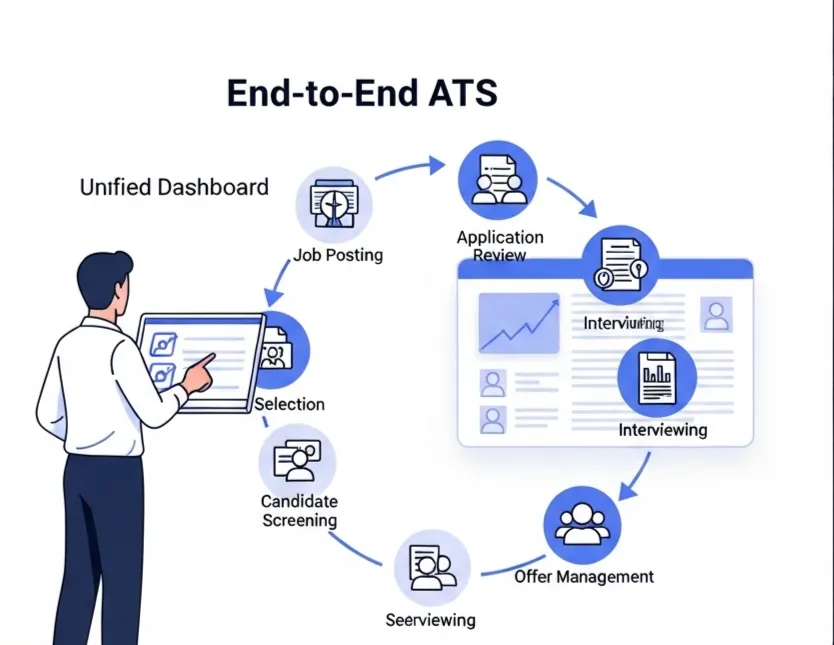
A manual process can only take you so far. To truly fix these common recruiting errors, you need tools that automate the repetitive work and give you a single source of truth. HireZapp is built for founders who need to move fast without sacrificing quality.
- AI Job Description Generator
Creates compelling, outcome-focused JDs in seconds, attracting better candidates from the start. - Multi-Channel Screening
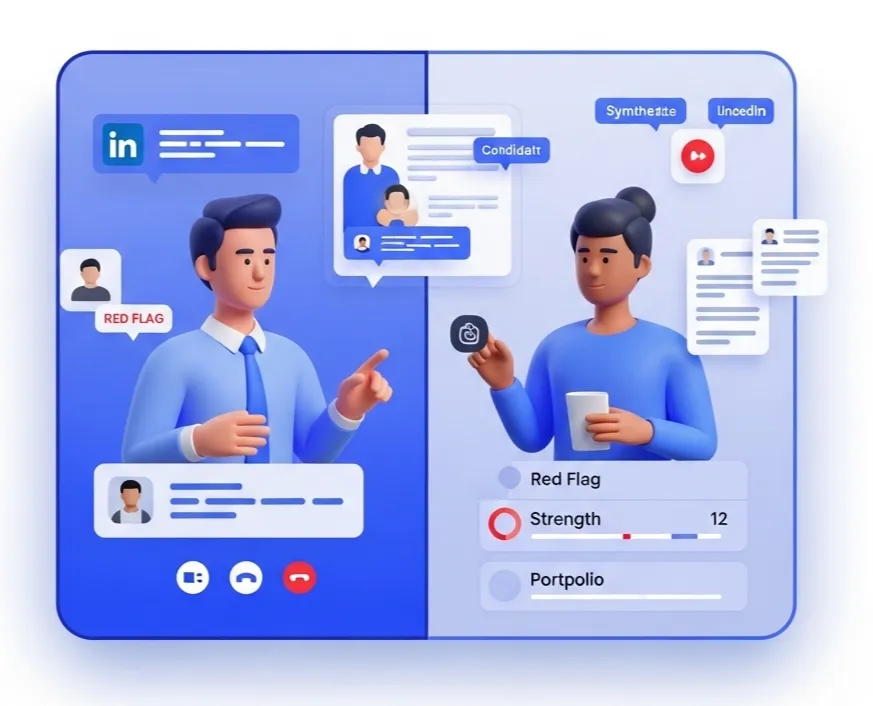
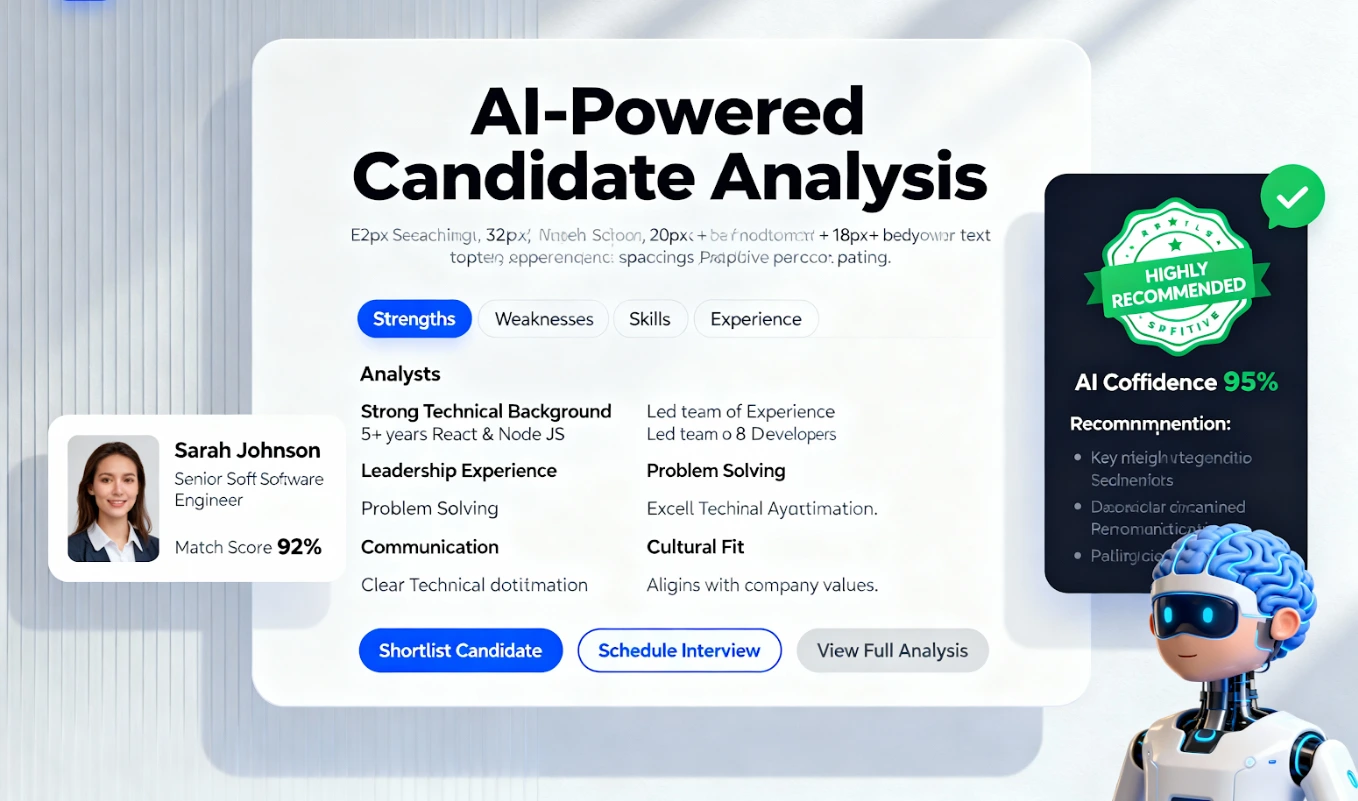
Pulls in candidate profiles from places like LinkedIn and GitHub automatically, giving you a fuller picture. - Job Match Score
Instantly scores and ranks applicants based on your job requirements, so you can focus on the best fits. - Centralized ATS Pipeline
Manages all your candidates in one clean pipeline, eliminating messy spreadsheets and lost emails. - Automated Follow-ups
Keeps every candidate informed at every stage, protecting your employer brand without any extra effort. - Branded Careers Page
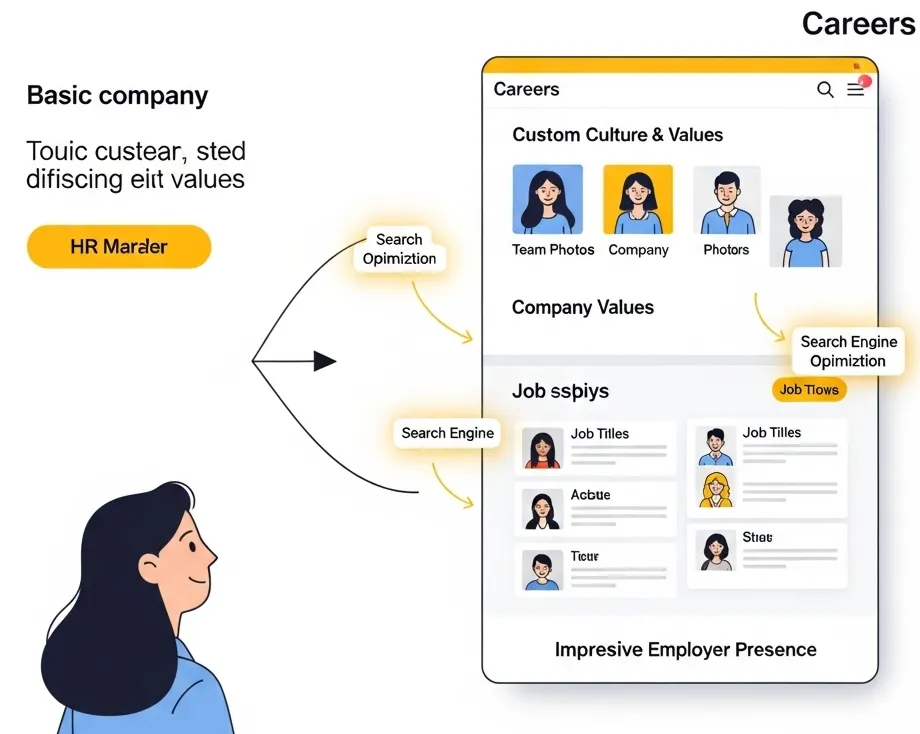
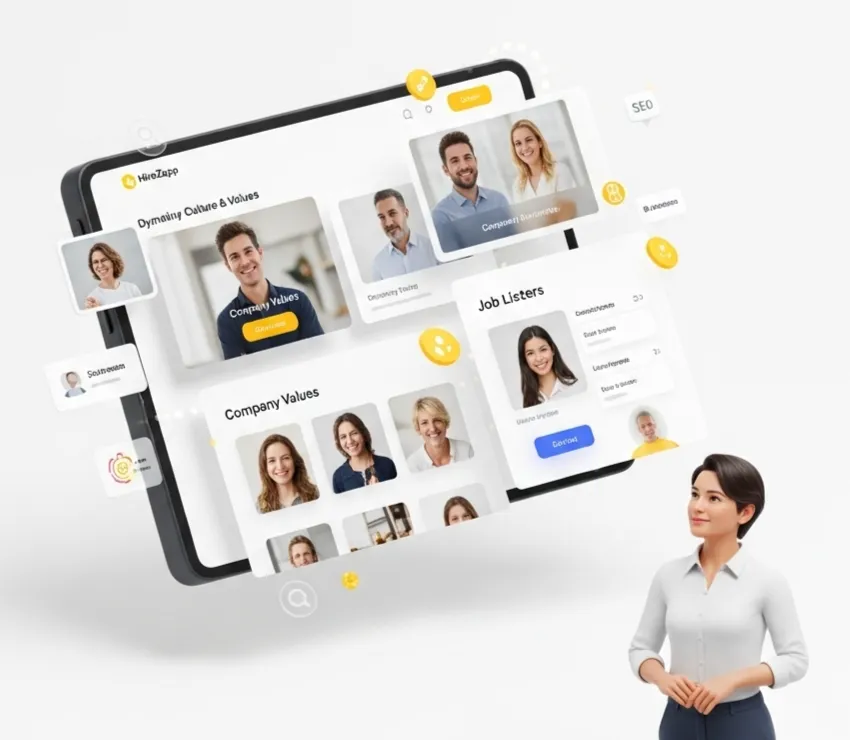
Creates a professional careers page and job posts that show candidates you are a serious company.
Avoid These Traps When Making Your First Hire
Making your first key hires can define your company's trajectory. Beyond the process, it is important to avoid common mindset traps. Be mindful of these first hire mistakes.
- Hiring a “mini-me” instead of someone who brings new skills and perspectives.
- Ignoring red flags about culture fit because a candidate looks perfect on paper.
- Overselling the role or the company's stability, which leads to mistrust later.
- Moving too slowly and losing your top choice to a faster competitor.
- Not clearly defining what success looks like for the new hire in their first 90 days.
Recruiter reality: “The biggest mistake is waiting for the 'perfect' candidate. Good hiring is about finding the right person for right now, someone who can grow with you, not someone who checks 100% of an imaginary list.”
What a Better Process Can't Solve
Even the best hiring system has its limits. It is important to be honest about what a tool like HireZapp or a better process will not fix for your company.
- A toxic or undefined company culture.
- A business strategy that is not working.
- Uncompetitive salary or benefits packages.
- A founder who is unwilling to delegate.
Your Next Steps to Avoid Bad Hires
Hiring does not have to be a source of stress. By focusing on a clear, repeatable process, you can build a team that accelerates your vision. Start by defining what success looks like, use simple tools to stay organized, and communicate clearly. This is how you avoid bad hires and build a foundation for sustainable growth.
Cut time-to-hire in half
From job post to offer letter, HireZapp keeps your pipeline moving.
Frequently Asked Questions
1) What are the most critical hiring mistakes founders make?
The most critical mistakes include writing vague job descriptions, having no structured interview process, moving too slowly, and relying entirely on gut feel instead of objective criteria. These errors lead to bad hires and wasted time.
2) How can a small business improve its recruiting process?
Start by creating a simple scorecard for each role to define success. Use a centralized tool, even a basic ATS, to track candidates. Finally, automate simple communications, like application confirmations, to improve the candidate experience.
3) What is the first step in how to hire for startups?
The very first step is to define the problem you are hiring someone to solve. Before thinking about skills or experience, clearly write down the business outcomes you expect this person to achieve in their first six to twelve months.
4) How do you create a founder hiring guide for a growing team?
A good guide should include your company's mission, a template for a role scorecard, standard interview questions for different stages, and a clear outline of the hiring process from application to offer. This ensures consistency as more people get involved.
5) Why is a structured hiring process important?
A structured process reduces bias, allows for fair and consistent evaluation of all candidates, and improves efficiency. It helps you make better decisions based on data and qualifications, which is crucial when trying to avoid bad hires.
6) How can I handle small business recruiting mistakes without a big HR team?
Use lightweight, affordable technology to automate tasks. A tool like HireZapp can manage your applicant pipeline, generate job descriptions, and automate follow-ups, giving you the power of an HR team without the overhead.
7) What are the biggest signs of a bad hire during the interview process?
Key red flags include blaming others for past failures, a lack of specific examples when answering questions, showing little interest in your company's mission, and inconsistent answers across different interview stages.
8) How can I ensure I am attracting diverse candidates?
Focus on inclusive language in your job descriptions, post your roles on a wide variety of job boards, and ensure your interview panel includes people from different backgrounds. A structured process also helps reduce unconscious bias.