How to Build Diverse Hiring Pipelines: A Practical Guide
You post a job, get a flood of applicants, but the shortlist looks exactly the same as last time. Meanwhile, you know that stronger, more innovative teams are built from a wide range of experiences and backgrounds. The goal is clear, but getting there feels stuck between manual outreach on LinkedIn and sorting through applications in a messy spreadsheet.

How to Build Diverse Hiring Pipelines: A Practical Guide
You post a job, get a flood of applicants, but the shortlist looks exactly the same as last time. Meanwhile, you know that stronger, more innovative teams are built from a wide range of experiences and backgrounds. The goal is clear, but getting there feels stuck between manual outreach on LinkedIn and sorting through applications in a messy spreadsheet.
Building a hiring process that attracts and fairly evaluates talent from all backgrounds is not just a feel-good initiative. It is a core business strategy for finding the best people, reducing hiring time, and creating a more resilient company. This guide provides a practical, step-by-step approach to make it happen.
Why Good Intentions Are Not Enough
Many companies want to improve their diversity, but small, often unnoticed habits in the hiring process can sabotage the best intentions. These issues create friction for great candidates and reinforce the status quo.
- Vague Job Descriptions
Using corporate jargon or long lists of “nice-to-have” skills can discourage qualified people from applying. - Relying on the Same Channels
Posting on the same few job boards or only using employee referrals limits your reach to the same talent pools. - Unstructured Interviews
When interviewers ask different questions and rely on “gut feel,” unconscious bias can easily influence decisions. - A Clunky Application Process
Long forms that are not mobile-friendly cause high-quality candidates to abandon their applications. - No Clear Way to Track Metrics
Without data, it is impossible to know where your process is breaking down or which strategies are working. - Inconsistent Employer Branding
If your careers page and communications do not reflect an inclusive culture, you may struggle to attract a diverse range of applicants.
From Theory to Action: A Playbook for Building Diverse Hiring Pipelines
An effective diversity recruiting strategy is about creating a structured, repeatable process that gives every candidate a fair chance. Here is a simple playbook to guide you at every stage of the hiring funnel.
- Start with a Skills-First Job Profile
Before writing anything, define the core competencies and measurable outcomes for the role, not just years of experience or specific degrees. - Write Inclusive Job Descriptions
Use clear, simple language and focus on what the person will achieve. Remove gender-coded words and unnecessary requirements. - Expand Your Sourcing Channels
Actively look for talent in communities and on platforms beyond your usual network. A plan for sourcing diverse candidates is essential. - Standardize Your Initial Screening
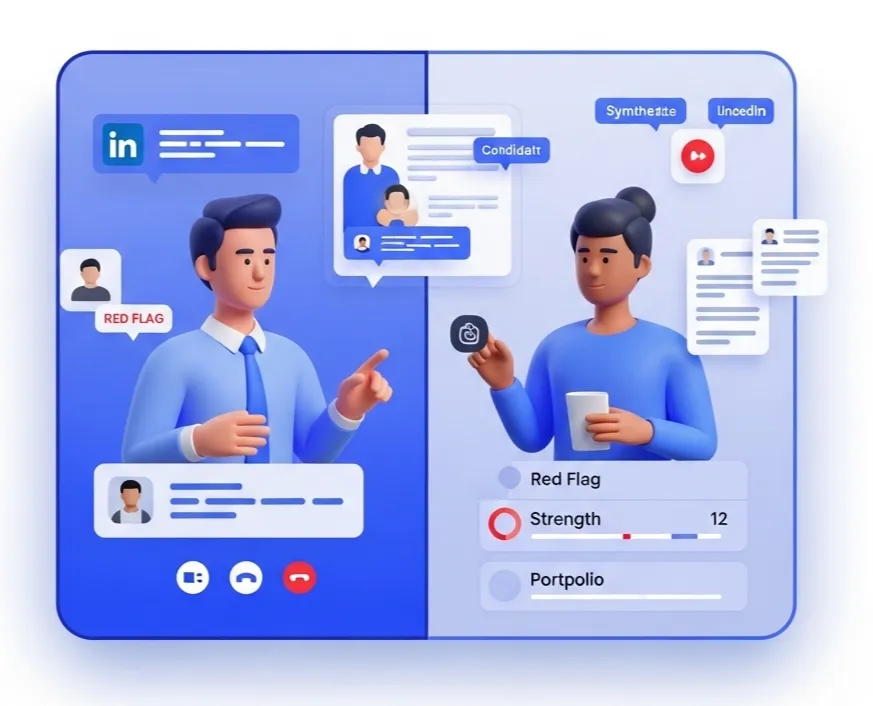
Use a consistent set of criteria to review every application. This helps you focus on qualifications, not just resume formatting or familiar names. - Structure Your Interviews
Create a set of core interview questions that every candidate for a role is asked. This allows for more objective comparisons and helps reduce bias in hiring. - Implement a Candidate Scorecard
Evaluate every candidate against the same predefined criteria from your job profile. This moves the decision from a gut feeling to a data-informed choice. - Automate Candidate Communication
Ensure every applicant, successful or not, receives timely and professional communication. A positive experience is key to building your brand. - Review Your Funnel Data
Regularly analyze your hiring data to see where candidates from different backgrounds are dropping out of the process, then make adjustments.
Tools to Build a More Equitable Hiring Process
Having clear templates helps keep your team aligned and ensures consistency. Here are a couple of examples you can adapt for your own use.
Inclusive Job Description Snippet
Instead of listing endless requirements, focus on the impact the role will have. This approach invites people with diverse experiences to see themselves succeeding.
Example: Marketing Manager JD Snippet
In this role, you will be responsible for developing and executing campaigns that grow our user base. Your success will be measured by your ability to increase qualified leads by 20% in your first six months. We are looking for someone with demonstrated experience in digital marketing and a passion for data-driven results. If you have a track record of driving growth, we encourage you to apply, even if your experience does not perfectly match every point on this list.
Bias-Reduction Screening Checklist
Use a simple checklist to keep your initial review focused on what truly matters for the job.
- Does the candidate’s experience align with the top 3 core competencies for this role?
- Have they demonstrated the key skills outlined in the job profile?
- Is there evidence of achieving outcomes similar to what this role requires?
- Does their application show clear communication and attention to detail?
- Does this candidate bring a perspective or skill set that our team is currently missing?
How a Smart ATS Supports Your D&I Goals
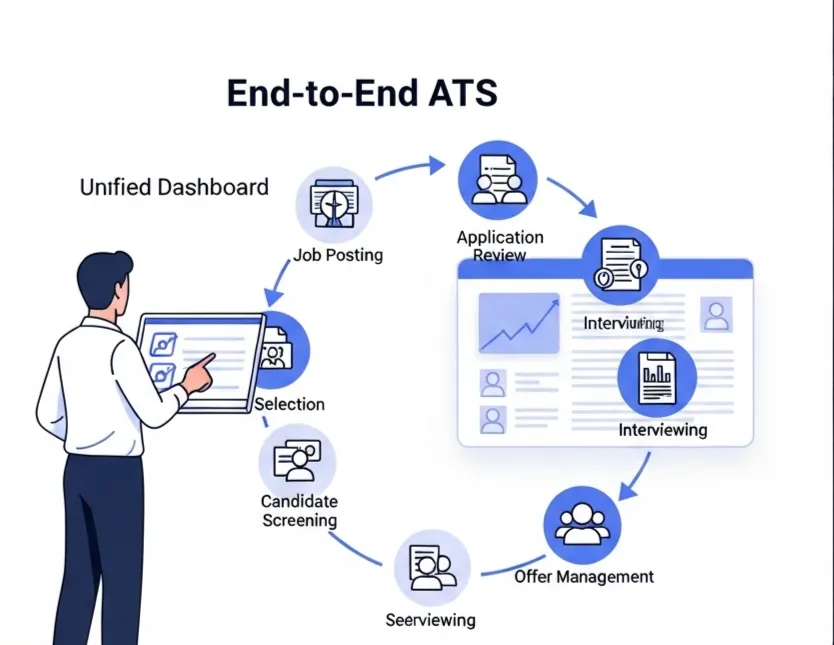
Manually managing these steps is overwhelming. A modern Applicant Tracking System (ATS) can automate the process, providing the structure needed for fair and efficient hiring. Here is how HireZapp helps you put your diversity goals into practice.
- AI Job Description Generator
Creates skills-focused, inclusive job descriptions in seconds, saving you time and removing biased language. - Sourcing Playbooks
Provides guidance on where to find talent outside of your typical networks, helping you reach a wider audience. - Job Match Score
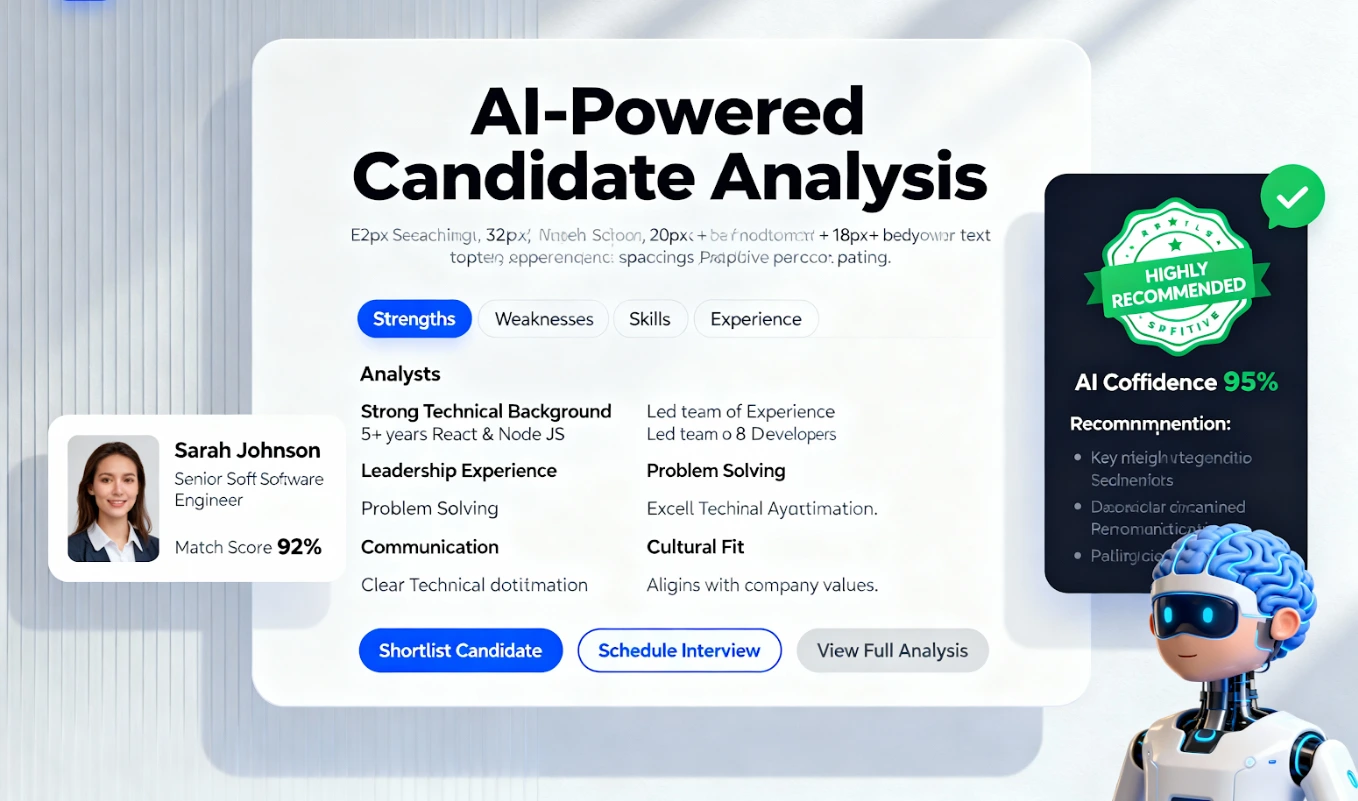
Objectively scores and ranks candidates based on how well their skills and experience match your job requirements, not their background. - Standardized Assessments and Pipeline
An effective ATS for diversity allows you to build a structured evaluation process with assessments and clear stages that apply to every candidate. - Branded Careers Page
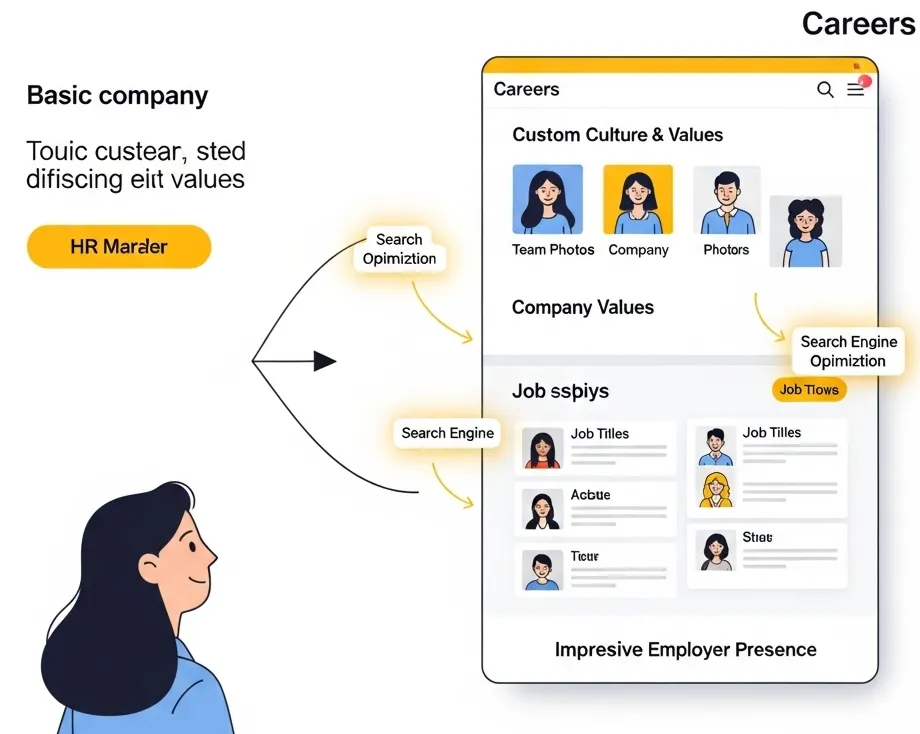
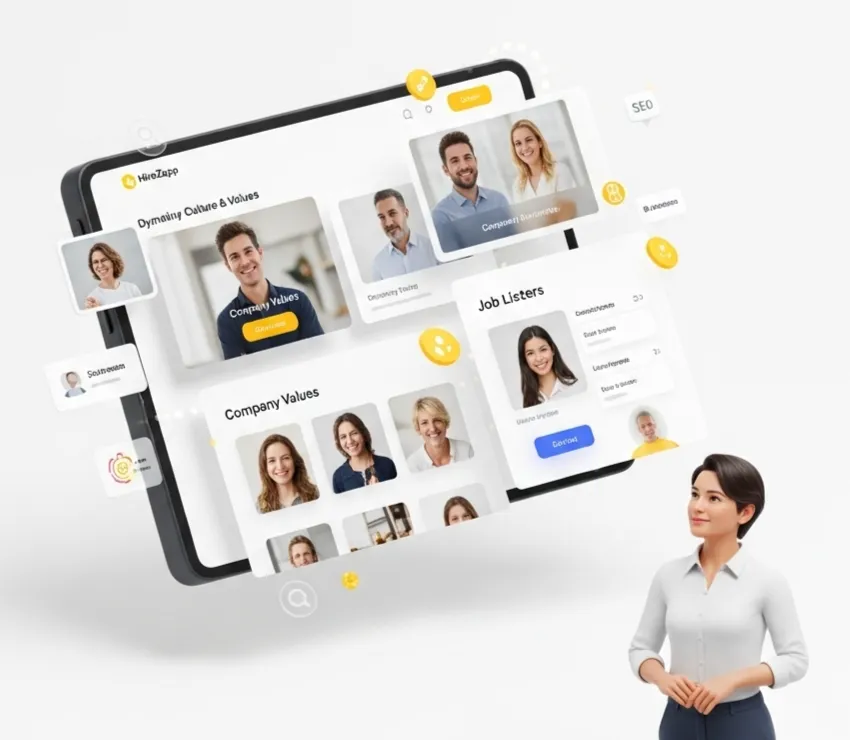
Showcase your company culture and commitment to D&I to attract candidates who share your values. This is key for employer branding diversity. - Automated Follow-ups
Ensures no candidate is left behind, providing a respectful and positive experience for everyone who applies.
Avoid These Common D&I Recruiting Pitfalls
Building a diverse pipeline requires avoiding common mistakes that can derail your progress. Watch out for these traps:
- Treating diversity as a one-time project instead of an ongoing commitment.
- Ignoring the candidate experience and creating a frustrating application process.
- Forgetting to train your interview panel on structured interviewing and unconscious bias.
- Relying too heavily on employee referrals, which often reproduces your existing network.
- Failing to measure your progress and adapt your diversity recruiting strategy based on data.
- Expecting one person or the HR team to solve diversity hiring alone.
A Reality Check: What a Great Process Can't Do
While a structured process and the right tools are critical, it is important to be realistic about what they can and cannot achieve. Honesty helps build trust and set proper expectations.
- It cannot instantly fix a non-inclusive company culture. Hiring is the first step, not the last.
- It will not solve deep-seated team or leadership challenges that may affect retention.
- It does not replace the need for ongoing D&I training, education, and company-wide commitment.
- It cannot guarantee specific demographic outcomes for any single hire.
Your Next Hire Starts with a Fair Process
Building diverse hiring pipelines is not about quotas or checking a box; it is a strategic advantage that leads to better ideas, products, and business outcomes. By implementing a structured, repeatable process, you move from hoping for diverse candidates to actively building a system that attracts and recognizes them. The right tools can automate the busywork, letting you focus on what matters most: connecting with great people.
Start hiring better today
HireZapp helps you screen faster, reduce drop-offs, and close roles with less noise.
Frequently Asked Questions
1) What is the first step to build a diverse talent pool?
The first step is to write inclusive, skills-focused job descriptions. Before you even start sourcing, ensure your job posts appeal to the widest possible range of qualified candidates by removing biased language and unnecessary requirements.
2) How do inclusive hiring practices benefit a company?
Inclusive hiring practices lead to a wider range of candidates, better problem-solving from diverse teams, increased innovation, and a stronger employer brand. It helps companies hire the best person for the job by focusing on skills over background.
3) What makes an equitable hiring process?
An equitable hiring process is one where every candidate is evaluated against the same objective criteria at every stage. It involves structured interviews, skills-based assessments, and data-driven decisions to minimize the impact of unconscious bias.
4) Can an ATS really help with DEI recruiting?
Yes. A modern ATS helps with DEI recruiting by standardizing the application and evaluation process for all candidates. Features like objective scoring, structured pipelines, and inclusive JD generators provide the framework needed for fair and consistent hiring.
5) How can we measure the success of our diversity hiring efforts?
You can measure success by tracking metrics at each stage of your hiring funnel. Look at the diversity of your applicant pool, the conversion rates of candidates from different backgrounds between stages, and ultimately, the diversity of your new hires over time.
6) What is the biggest mistake recruiters make when trying to hire for diversity?
One of the biggest mistakes is "tokenism" or focusing on diversity only when a specific role is open. A far better approach is to consistently build relationships and pipelines within diverse communities, even when you are not actively hiring.
7) Is it better to hide candidate information to reduce bias?
While some systems offer anonymous resume screening, a more sustainable approach is to train interviewers and use structured scorecards. This builds the skill of objective evaluation across your team rather than relying solely on a tool to hide information.