Source of Hire: Which Channels Deliver the Best Candidates
Are you spending a fortune on job ads only to get a flood of unqualified applicants? Many founders and recruiters feel this pain. You are busy managing candidates from LinkedIn DMs, Google Forms, and email inboxes, but the right people seem to slip through the cracks. This scattergun approach wastes time, money, and energy.

Source of Hire: A Practical Guide to Finding Your Best Candidates
Are you spending a fortune on job ads only to get a flood of unqualified applicants? Many founders and recruiters feel this pain. You are busy managing candidates from LinkedIn DMs, Google Forms, and email inboxes, but the right people seem to slip through the cracks. This scattergun approach wastes time, money, and energy.
The goal is not just to get more applications, but to get the right ones. By understanding your source of hire, you can focus your efforts on the channels that actually deliver quality candidates, turning a messy process into a predictable hiring machine.
Why Your Sourcing Funnel Feels Leaky
If your hiring feels like a constant struggle, it is likely due to a few common issues. These problems create slow cycles and prevent you from finding top talent efficiently.
- No central tracking system
Without a single place to see all applicants, it is impossible to know which channels work. - Using the same channels for every role
A marketing role requires a different sourcing strategy than an engineering role. - Ignoring the candidate experience
Long application forms or no follow-ups cause great candidates to drop off. - Focusing on quantity over quality
Getting 100 irrelevant applications is worse than getting five great ones. - Lack of data on application-to-hire ratios
You might get many clicks from a channel, but do any of those people get hired?
A Simple Framework to Optimize Source of Hire
Building an effective recruitment channel strategy does not have to be complicated. This step-by-step playbook helps you systematically find and focus on what works, leading to better hires in less time.
- Define Your Ideal Candidate Profile
Before you post anywhere, create a clear picture of the skills, experience, and traits you need. - Identify Potential Sourcing Channels
Brainstorm a list of all possible places your ideal candidate might be, from niche job boards to online communities. - Set Up Unique Tracking for Each Channel
Use a system, like an ATS, to automatically tag every applicant with where they came from. - Post Your Job and Engage Candidates
Create compelling job descriptions and make sure your application process is simple and fast. - Measure Key Performance Indicators (KPIs)
Track applications, interview rates, and offer acceptance rates for each channel. - Analyze Channel Performance After 30 Days
Review the data to see which channels delivered the highest quality candidates, not just the most applicants. - Double Down on What Works
Reallocate your budget and time to the top-performing channels and pause the ones that are not delivering.
A Comparison of Popular Candidate Sourcing Channels
Not all recruiting channels are created equal. The best choice depends on the role, industry, and your budget. Here is a quick breakdown of the most common options.
Channel Comparison Table
- Job Boards (e.g., Indeed, Monster)
Pros: Wide reach, high volume of applicants. Cons: Can attract many unqualified candidates. Best for: Entry-level to mid-level roles in common fields. - Professional Networks (e.g., LinkedIn)
Pros: Access to passive candidates, detailed professional profiles. Cons: Can be expensive, requires active outreach. Best for: Mid-level to senior and specialized roles. - Employee Referrals
Pros: High-quality candidates, better retention rates, low cost. Cons: Limited reach, can lead to a less diverse workforce if not managed. Best for: All roles, especially hard-to-fill ones. - Direct Sourcing / X-Ray Search
Pros: Highly targeted, access to top talent not actively looking. Cons: Time-consuming, requires skill in boolean search. Best for: Senior, executive, and highly specialized technical roles. - Niche Communities (e.g., GitHub, Dribbble)
Pros: Access to a dedicated talent pool with specific skills. Cons: Smaller audience, requires authentic engagement. Best for: Technical, design, and other specialized creative roles.
Recruiter reality: We used to get hundreds of applicants from general job boards, but our best engineer came from a referral. We realized we were looking in the wrong place entirely.
Checklist for Tracking Source of Hire Metrics
To truly understand performance, you need to track the right data. Use this checklist to monitor your source of hire metrics effectively.
- Volume of Applicants per Channel
How many applications did each source generate? - Cost per Hire per Channel
How much did it cost in ads and time to make a hire from that source? - Time to Hire per Channel
How long did it take from application to offer acceptance for each source? - Interview Rate per Channel
What percentage of applicants from a source made it to the first interview? - Offer Acceptance Rate per Channel
Of the offers made, how many were accepted from each source? - New Hire Performance at 90 Days
Are hires from certain channels performing better than others?
How HireZapp Streamlines Your Sourcing
Manually tracking every channel is nearly impossible. A central system is crucial for making data-driven decisions. HireZapp is designed to connect all your sourcing efforts in one place so you can focus on finding the best candidates.
- AI-Powered Job Descriptions and Forms
Create optimized job posts and simple application forms in minutes to attract the right talent. - Multi-Channel Applicant Screening
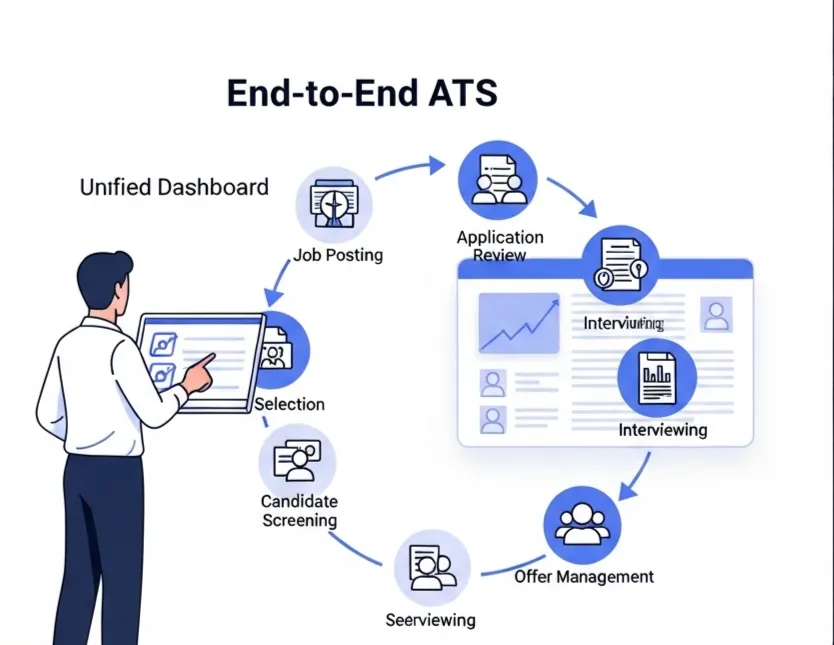
Automatically pull in candidate data from sources like LinkedIn and GitHub to get a complete picture instantly. - Centralized ATS Pipeline
See every applicant from every channel in one simple, drag-and-drop pipeline, ending the chaos of spreadsheets and inboxes. - Sourcing Playbooks
Get guidance on the best recruiting channels and outreach strategies for different roles directly within the platform. - Automated Candidate Communication
Ensure a great candidate experience with branded, automated follow-ups that keep everyone in the loop.
Common Traps That Hurt Sourcing ROI
Even with the right tools, certain habits can undermine your success. Watch out for these common mistakes that keep hiring teams stuck.
- Relying only on inbound applicants and ignoring passive talent.
- Using generic, unpersonalized outreach messages.
- Failing to build a talent pipeline for future roles.
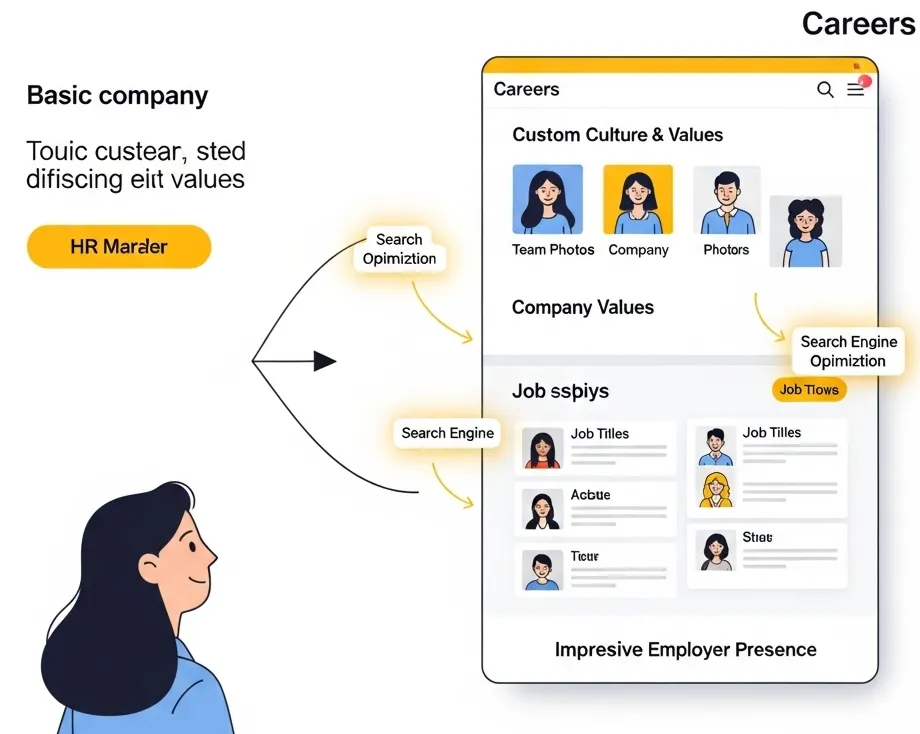
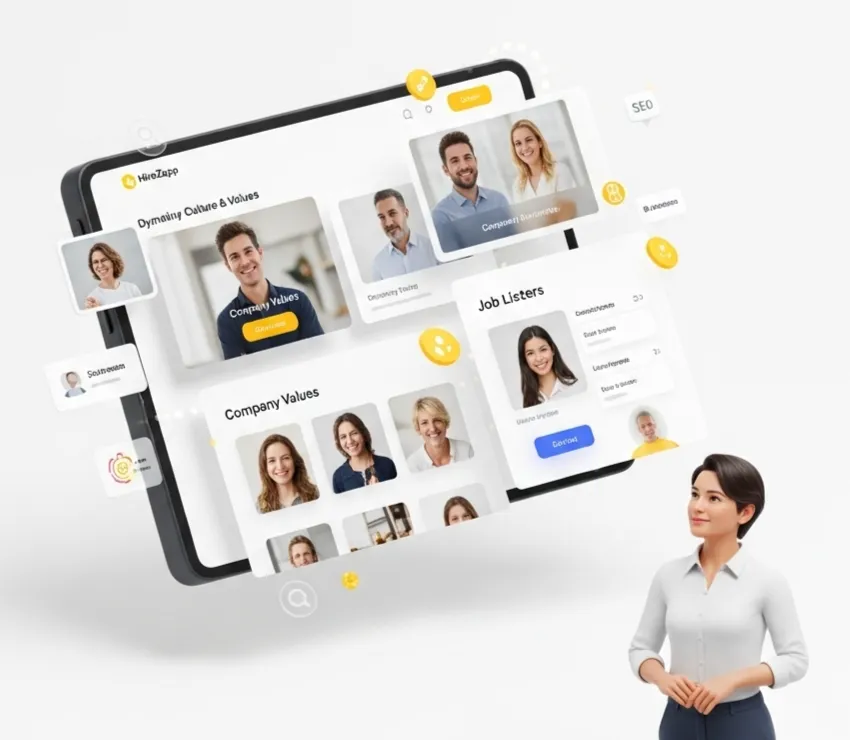
- Neglecting your employer brand on careers pages and job posts.
- Stopping measurement after the application is received.
What a Smart Sourcing Strategy Won’t Fix
Optimizing your channels is a powerful lever for better hiring, but it is not a silver bullet. A great sourcing strategy cannot overcome fundamental issues within the company.
- A non-competitive compensation and benefits package.
- A broken or disorganized interview process.
- A toxic work culture or poor company reputation.
- Unclear role expectations or a lack of internal alignment.
Focus on Quality, Not Just Quantity
Stop guessing where your best hires come from. By systematically tracking your source of hire data, you can invest your resources wisely, reduce your time-to-hire, and consistently attract top talent. A smart, data-driven approach is the foundation of a successful talent acquisition function.
Find Your Top Hiring Channels, Instantly.
HireZapp's AI pinpoints top channels, automates screening, and maximizes your recruitment ROI. Stop guessing, start scaling.
Frequently Asked Questions
1) What is the most important source of hire metric to track?
While applicant volume is easy to measure, the most important metric is Quality of Hire. This can be assessed by tracking the 90-day performance reviews of new hires from each channel, which tells you which sources deliver people who succeed in the role.
2) How can I improve my candidate quality by channel?
Start by writing clearer, more targeted job descriptions that speak directly to your ideal candidate. Also, use screening questions in your application forms to filter out candidates who do not meet the minimum requirements, saving you time.
3) What are the best recruiting channels for technical roles?
For technical roles, many recruiters find success on niche platforms like GitHub, Stack Overflow, and specialized developer communities. Direct sourcing on professional networks like LinkedIn is also highly effective for finding passive tech talent.
4) How long should I test a new sourcing channel?
A good rule of thumb is to test a new channel for at least 30-45 days for a specific role. This gives you enough time to gather sufficient data on applicant volume and quality before deciding whether to continue investing in it.
5) Does our company careers page count as a source of hire?
Absolutely. Your careers page is one of your most powerful recruitment marketing channels. Candidates who apply directly are often highly motivated and have already decided your company is a place they want to work.
6) How does an Applicant Tracking System (ATS) help with source of hire?
An ATS automatically tracks where every applicant comes from by using unique application links for each channel. This eliminates manual data entry and provides accurate, real-time reports on which sources are performing best, enabling you to optimize your strategy.
7) Should I stop using a channel if it has a high cost-per-hire?
Not necessarily. If a channel has a high cost but consistently delivers top-performing leaders or specialists for hard-to-fill roles, it may be worth the investment. The key is to balance cost with the quality and long-term value of the hires.