Recruitment Strategy for Startups: Building From Scratch
For founders and early-stage recruiters, hiring feels like a constant battle. You spend money on job ads only to get flooded with irrelevant applicants. You manage candidates through messy spreadsheets and DMs, watching the best ones drop off because your process is too slow. It's a frustrating cycle that burns time and money.

Recruitment Strategy for Startups: Your Guide to Building From Scratch
For founders and early-stage recruiters, hiring feels like a constant battle. You spend money on job ads only to get flooded with irrelevant applicants. You manage candidates through messy spreadsheets and DMs, watching the best ones drop off because your process is too slow. It's a frustrating cycle that burns time and money.
The good news is that you don't need a massive HR department to fix it. A smart, simple system can turn chaos into a predictable hiring machine. This guide provides a clear framework for building that system from the ground up.
Why Your Current Hiring Process Is Holding You Back
If hiring feels reactive and stressful, it is likely due to a few common issues. Many startups struggle because they lack a defined process, which leads to repeatable problems that slow down growth.
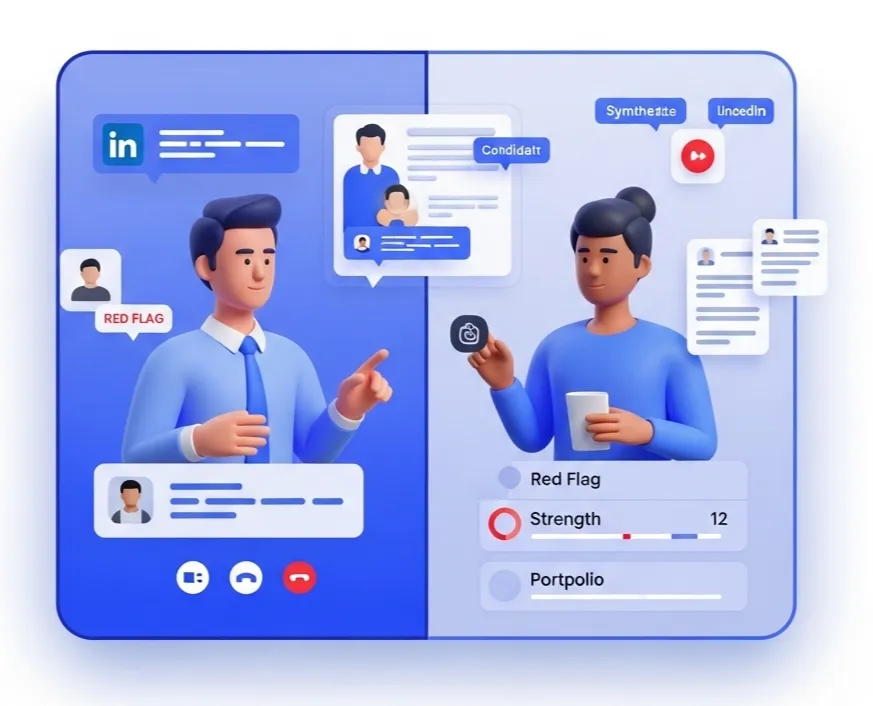
- Scattered Information: Resumes arrive via email, LinkedIn DMs, and web forms, with no single place to compare candidates.
- Inconsistent Screening: Without a clear scorecard, every evaluation is subjective, making it hard to justify decisions or compare applicants fairly.
- Poor Candidate Experience: Long silences and confusing next steps make your company look disorganized, causing top talent to lose interest.
- No Data for Decisions: You have no idea which job boards are working or how long it takes to hire, so you can't improve your process.
- Wasted Founder Time: The more time you spend on manual coordination, the less time you have for building the business. This is a core challenge when recruiting for early stage companies.
A Repeatable Framework: Building a Recruitment Process From Scratch
An effective recruitment strategy for startups is not about adding bureaucracy. It's about creating a lightweight, repeatable playbook that saves you time and helps you make better, faster decisions. Follow these phases to build your engine.
- Define the Role with an Outcome-First Mindset
Before writing a single word, define what success looks like six months from now. This is the heart of a good first hire strategy. - Create Your Core Hiring Assets
Use an AI job description generator to create a compelling, inclusive job post and a simple, mobile-friendly application form. - Source Candidates Where They Already Are
Instead of just posting and praying, identify the 2-3 channels where your ideal candidates spend their time and focus your energy there. - Screen Applicants with Consistency
Use a set of 3-5 knockout questions and a simple scorecard to quickly filter and rank every applicant against the same criteria. - Run Structured, Purposeful Interviews
Ask every candidate for a specific role the same core questions. This removes bias and makes comparing them much easier. - Communicate Proactively and Transparently
Set up automated messages to confirm applications and inform candidates when they are no longer being considered. A little communication goes a long way. - Track Simple, Actionable Metrics
Measure just two things to start: time-to-fill (how long the job is open) and source-of-hire (where the best candidates come from).
Actionable Templates You Can Use Today
Getting started is easier with a few templates. Adapt these to fit your company's voice and the specific role you are hiring for.
Job Description Snippet: Customer Success Manager
As our first Customer Success Manager, you will be responsible for building the foundation of our client relationships. Your primary goal is to ensure our early customers achieve their desired outcomes, turning them into advocates who help fuel our growth. You will own the entire post-sale journey, from onboarding to renewal.
Screening Questions for a Startup Environment
- Tell me about a time you had to solve a problem with very limited resources.
- How do you stay organized when you have multiple competing priorities?
- Describe a situation where a process you were using was not working. What did you do?
- What do you need from a manager and a team to do your best work?
- Why are you specifically interested in working at an early-stage company like ours?
Where HireZapp Fits Into Your Startup Hiring Strategy
A strong process needs the right tools to support it, especially when you are focused on lean recruitment. HireZapp provides the infrastructure to run your entire playbook without the complexity or cost of traditional enterprise software. It's the ideal ATS for startups.
- AI JD + Job Form Generation
Create compelling, optimized job descriptions and application forms in minutes, not hours. - ATS Pipeline
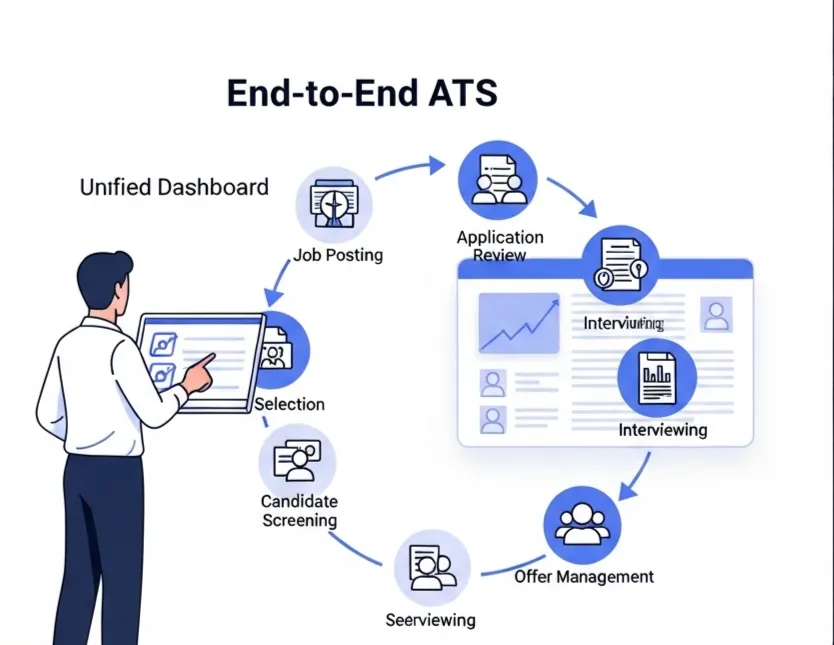
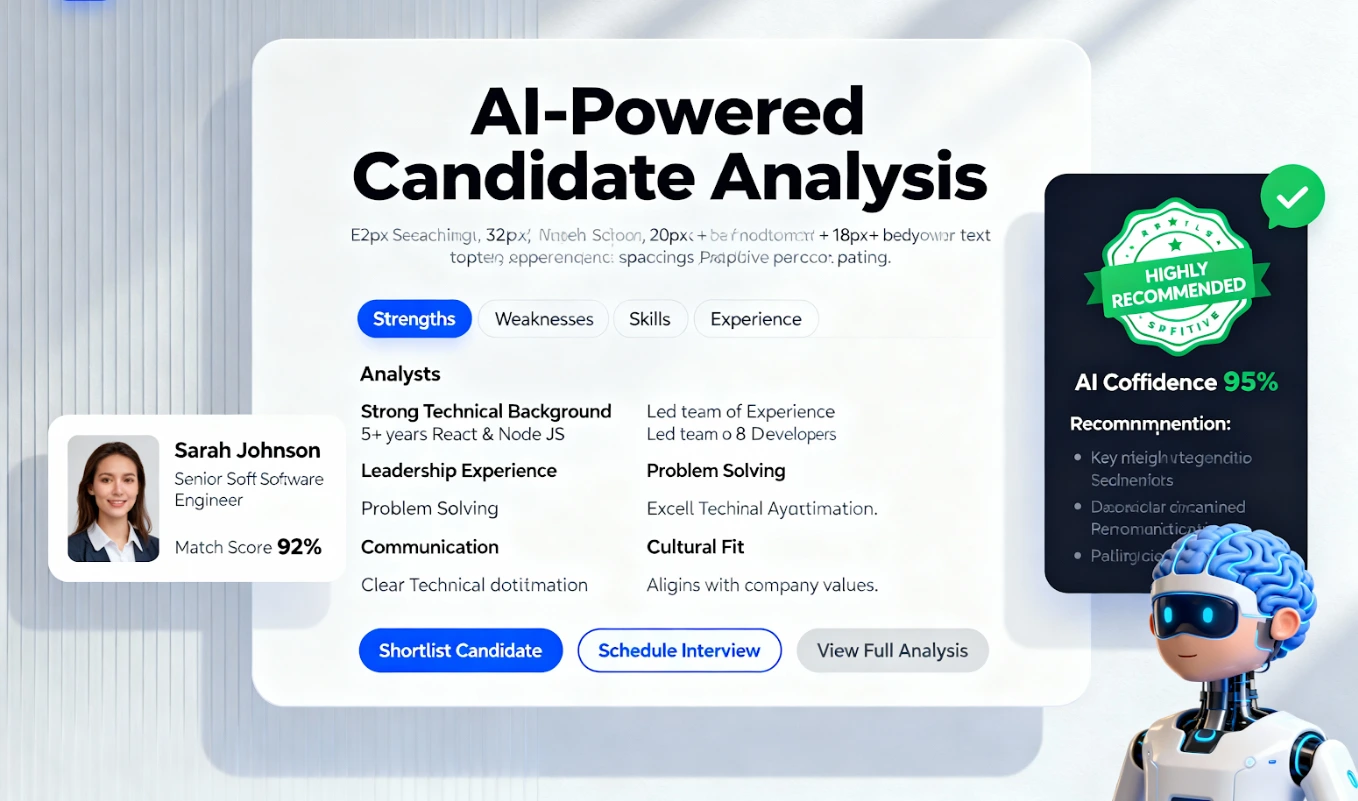
Move candidates through your hiring stages in one clean, visual dashboard, eliminating spreadsheets. - Job Match Score
Our AI automatically scores and ranks applicants based on your job requirements, so you can focus on the best fits first. - Automated Follow-ups
Keep every candidate informed with automated emails at each stage, improving your brand reputation. - Branded Careers Page
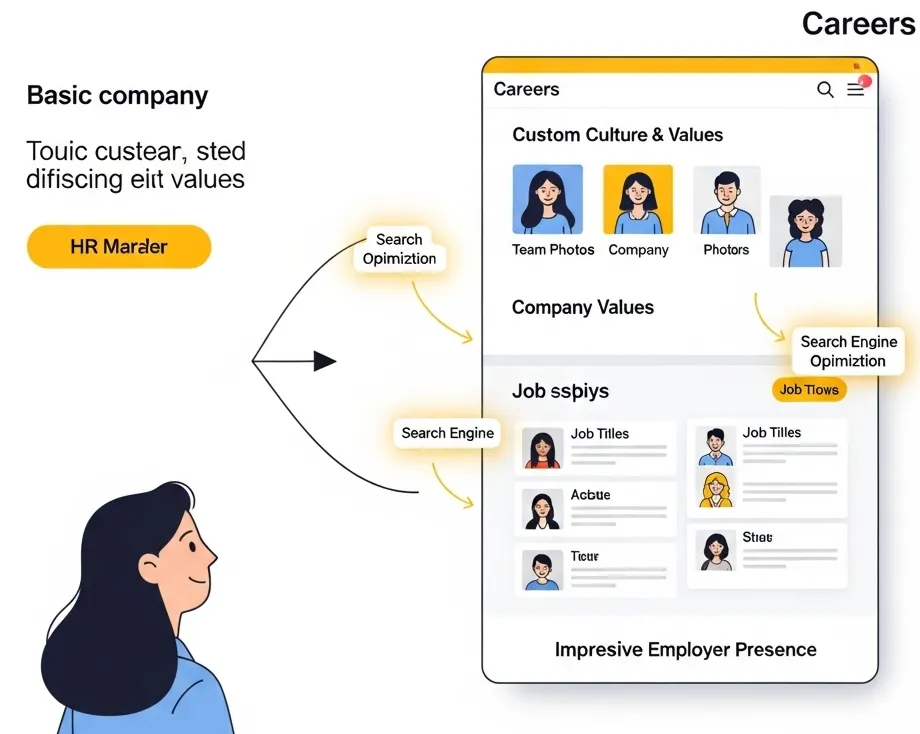
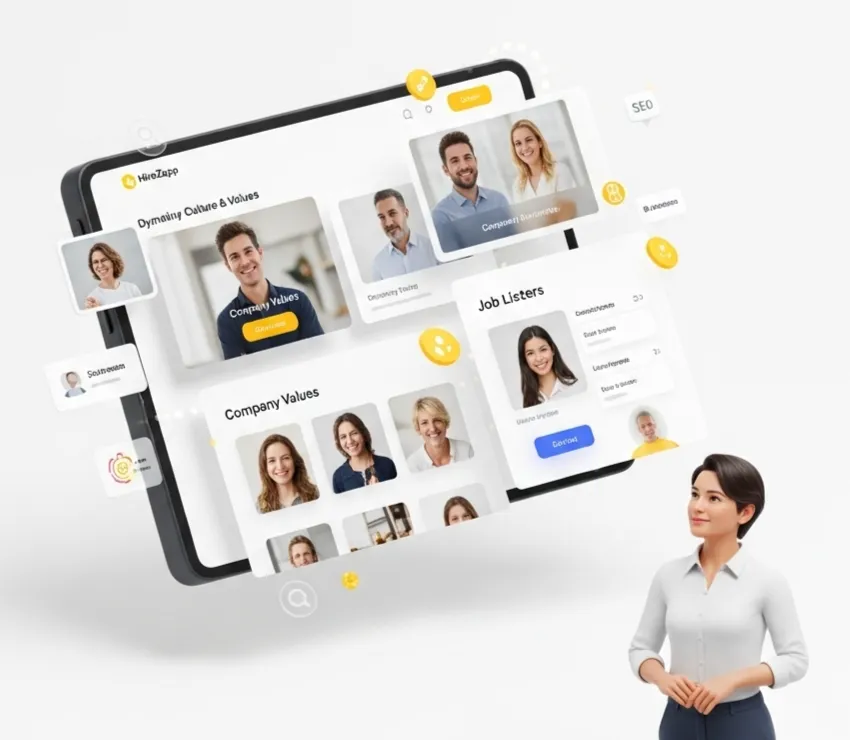
Build a simple, professional careers page to showcase your jobs and company culture. This is key for employer branding for startups.
Common Mistakes That Keep Teams Stuck
Even with a good process, certain missteps can derail your hiring efforts. Watch out for these common traps that prevent startups from securing the talent they need to grow.
- Hiring someone just to fill a seat quickly, without confirming culture and skills alignment.
- Neglecting to clearly communicate your company's long-term vision and the candidate's role in it.
- Letting the interview process drag on for weeks.
- Relying solely on inbound applications without doing any proactive sourcing.
- Asking "gotcha" brain-teaser questions instead of assessing real-world skills.
- Failing to get feedback from everyone on the interview panel promptly.
A Reality Check: What a System Won't Fix
A streamlined hiring process is a powerful advantage, but it is not a magic wand. Be aware that even the best system cannot solve underlying business problems. An organized process will not fix:
- An uncompetitive compensation package for the role and market.
- A toxic or unclear company culture.
- A poorly defined role with no clear path to success.
- A bad reputation in the market.
From Chaos to Control
Building a recruitment process from the ground up gives you control over your most important asset: your team. By implementing a simple, structured system, you stop wasting time on administrative tasks and start focusing on what truly matters: finding and hiring the right people to help you win. Your applicant to hire strategy startup journey starts now.
Build Your Winning Startup Recruitment Strategy
Ready to build your startup's hiring engine? HireZapp automates screening and scales your team efficiently.
Frequently Asked Questions
1) What is the most important part of a startup hiring strategy?
The most important part is consistency. Consistently defining roles, asking the same interview questions, and communicating with candidates creates a fair, efficient, and professional process that attracts top talent.
2) How can I recruit with a very small budget?
Focus on organic channels. Encourage employee referrals, post in niche online communities or Slack groups, and leverage your founder's network. A strong employer brand also attracts candidates for free.
3) When is the right time for a startup to get an ATS?
The moment you start hiring for more than one role at a time or are receiving more than 10-15 applicants per role. Using spreadsheets or email becomes unmanageable very quickly, and a lightweight ATS saves significant time.
4) How do I create good employer branding for a new company?
Start small. Write authentic job descriptions, ensure a great candidate experience with clear communication, and use your careers page to share your company's mission and vision. Transparency is your most powerful tool.
5) What are the key metrics to track for recruiting for early stage companies?
Begin with the basics: time-to-fill (the number of days a job is open), source-of-hire (where your best hires come from), and offer-acceptance-rate. These three metrics will give you a clear view of your process health.
6) What is the biggest mistake founders make with their first hire strategy?
The biggest mistake is hiring a generalist when they need a specialist, or vice-versa. Founders must be brutally honest about the single most important outcome the new hire needs to achieve in their first 6-9 months and hire for that specific skill.
7) How can I improve my applicant to hire strategy startup conversion rate?
Speed and communication are key. Shorten the time between interview stages, provide clear feedback, and use tools like automated follow-ups to keep candidates engaged. A faster, more transparent process reduces candidate drop-off.