Full-Cycle Recruiting: End-to-End Guide for Startups
Are you a founder drowning in resumes from job ads? Or a recruiter managing hiring through DMs, emails, and spreadsheets? When you're trying to scale, a scattered process leads to great candidates dropping off, slow decision-making, and costly hiring mistakes. It feels chaotic because it is.

Full-Cycle Recruiting: End-to-End Guide for Startups
Are you a founder drowning in resumes from job ads? Or a recruiter managing hiring through DMs, emails, and spreadsheets? When you're trying to scale, a scattered process leads to great candidates dropping off, slow decision-making, and costly hiring mistakes. It feels chaotic because it is.
Switching to a structured approach is the key to converting applicants into hires faster and more predictably. This end-to-end recruitment guide provides a clear path for implementing full-cycle recruiting for startups, turning chaos into a repeatable system that works.
Why Your Startup Hiring Process Feels Broken
If hiring feels like a constant struggle, it's likely due to a few common issues that plague lean teams. Many founders and recruiters notice that the problem is not a lack of candidates, but a lack of a clear system. This leads to bottlenecks and frustration.
- Using disconnected tools.
Managing candidates across Google Forms, email inboxes, and spreadsheets creates data silos and makes tracking impossible. - Writing inconsistent job descriptions.
Without a clear template, JDs fail to attract the right talent or set clear expectations. - Screening candidates manually.
Reading every single resume and cover letter is a huge time drain for teams that need to move fast. - Delivering a poor candidate experience.
Slow follow-ups and a lack of communication damage your employer brand and cause top talent to accept other offers. - Lacking data to improve.
Without a central system, you can't see which sourcing channels work best or where candidates get stuck in your pipeline.
Your 7-Step Founder Hiring Playbook
Here is a simple checklist you can implement today. This framework provides the structure needed for efficient hiring for startups without adding unnecessary complexity.
- Define the Role and Create a Scorecard.
Before you write a single word, agree on the core responsibilities, must-have skills, and what success looks like in the first 90 days. - Generate an Optimized Job Description.
Use your scorecard to build a job description that speaks directly to your ideal candidate, focusing on impact and growth opportunities. - Source Candidates Across Multiple Channels.
Post your job on relevant boards, but also use your network and targeted outreach on platforms like LinkedIn to find passive talent. - Screen and Shortlist with Clear Criteria.
Use your scorecard to quickly screen applicants. A good system helps you rank candidates based on who best fits your core requirements. - Conduct Structured, Consistent Interviews.
Ask every candidate for a role the same core questions. This removes bias and makes it easier to compare apples to apples. - Make an Offer and Close Quickly.
Once you've found the right person, move decisively. A clear offer process and quick communication show you're serious. - Onboard for Long-Term Success.
The hiring process isn't over when the offer is signed. A structured onboarding plan helps your new hire get productive fast.
Hiring Templates to Get You Started Now
You don't need to start from scratch. Use these templates as a foundation for your own process. Adapt them to fit your company culture and the specific role you are hiring for.
<b>Mini Job Description: Growth Marketer</b>
HireZapp is looking for a creative Growth Marketer to help us build our user base. In this role, you will own experiments across paid social, content, and email to drive qualified leads. You'll work directly with the founding team to shape our marketing strategy. This is a chance to build something from the ground up and have a major impact.
<b>Screening Questions for Candidates</b>
- What is your experience with running paid social media campaigns for a B2B SaaS product?
- Can you describe a successful growth experiment you ran and what made it work?
- How do you measure the success of a content marketing campaign?
- What marketing automation tools have you used in the past?
- Why are you interested in working at an early-stage startup like HireZapp?
How to Implement Full-Cycle Recruiting for Startups with Automation
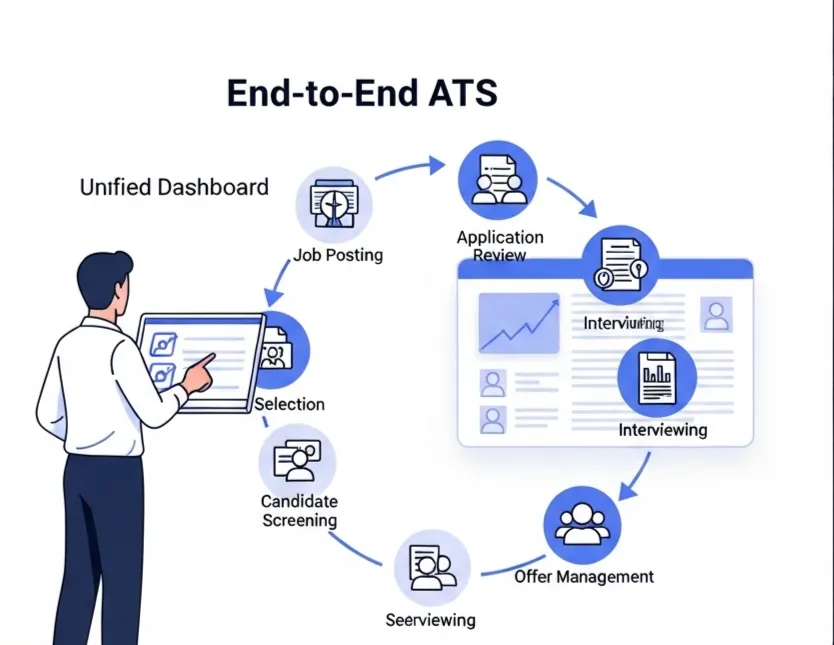
A manual process will always be slow. Integrating a tool like HireZapp helps you execute each step of your playbook faster and more effectively. It gives you a central system to manage the entire journey, from first impression to first day.
- AI JD and Job Form Generation
Create compelling, optimized job descriptions and application forms in seconds, ensuring you attract the right applicants from the start. - Multi-Channel Screening
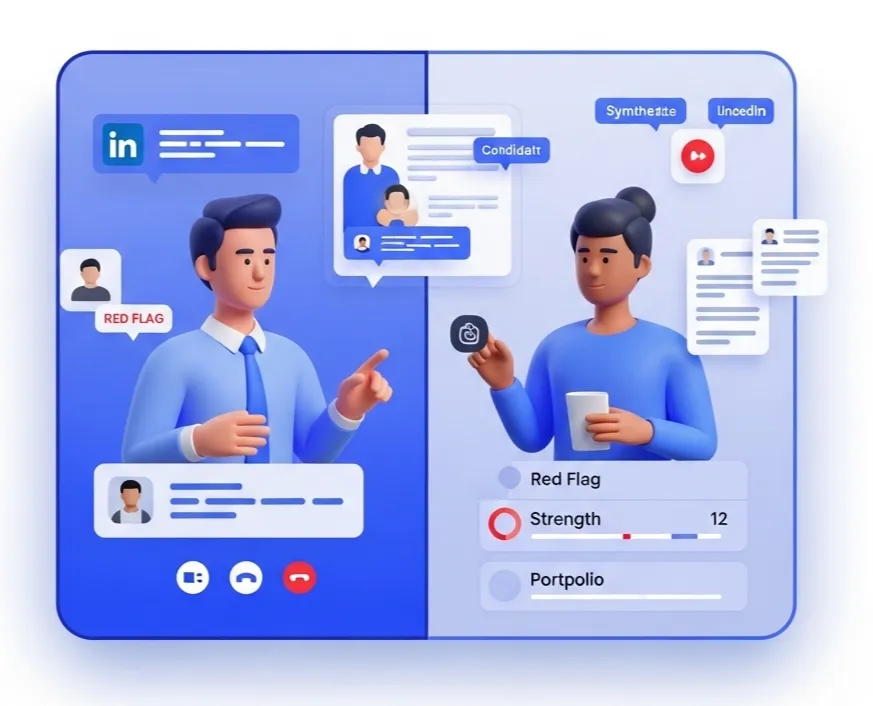
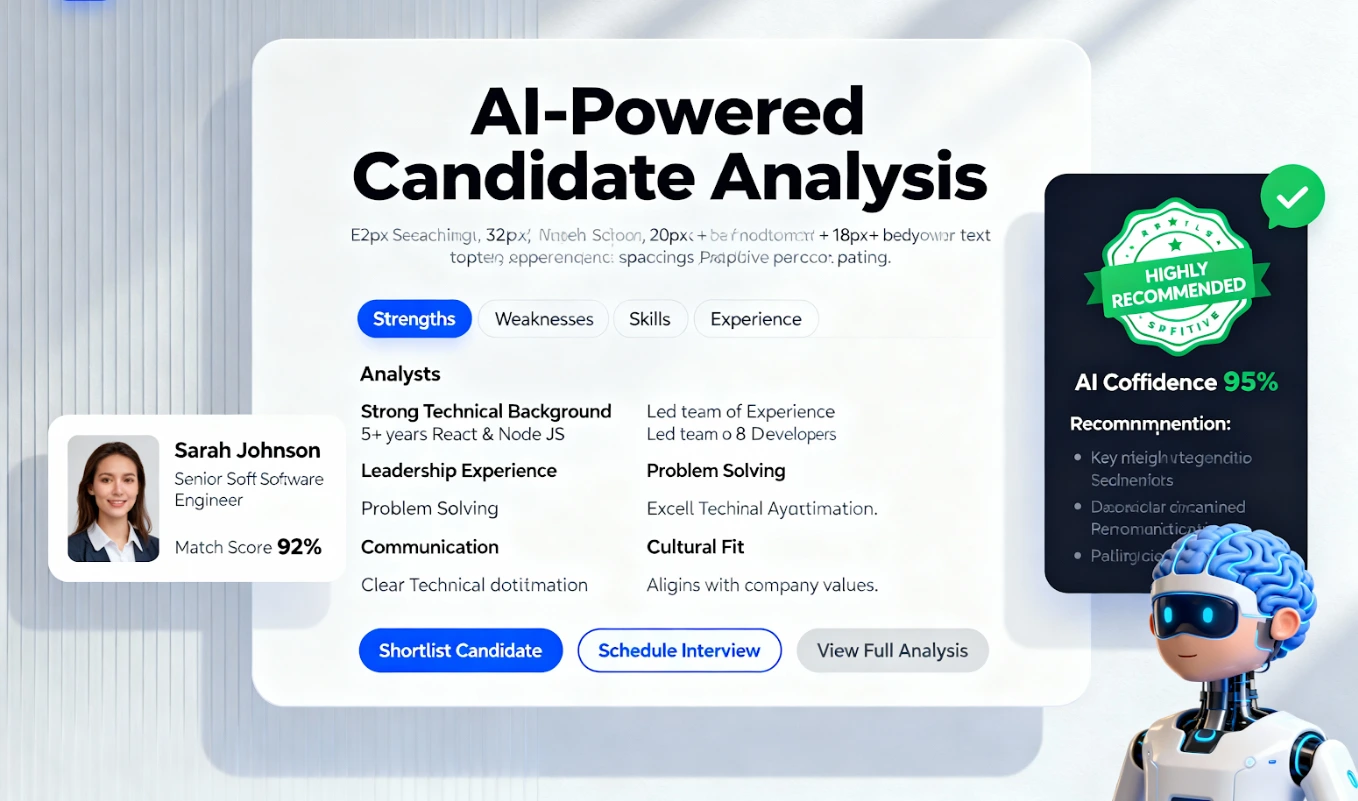
Pull in candidate profiles from sources like LinkedIn and GitHub to get a more complete picture without manual data entry. - Job Match and Quality Scores
Instantly see which candidates are the best fit for your role and which job posts are performing best, so you can focus your energy where it counts. - ATS Pipeline and Automated Follow-ups
Move candidates through a visual pipeline and keep them engaged with automated emails, preventing talent from dropping off. - Branded Careers Page and Job Posts
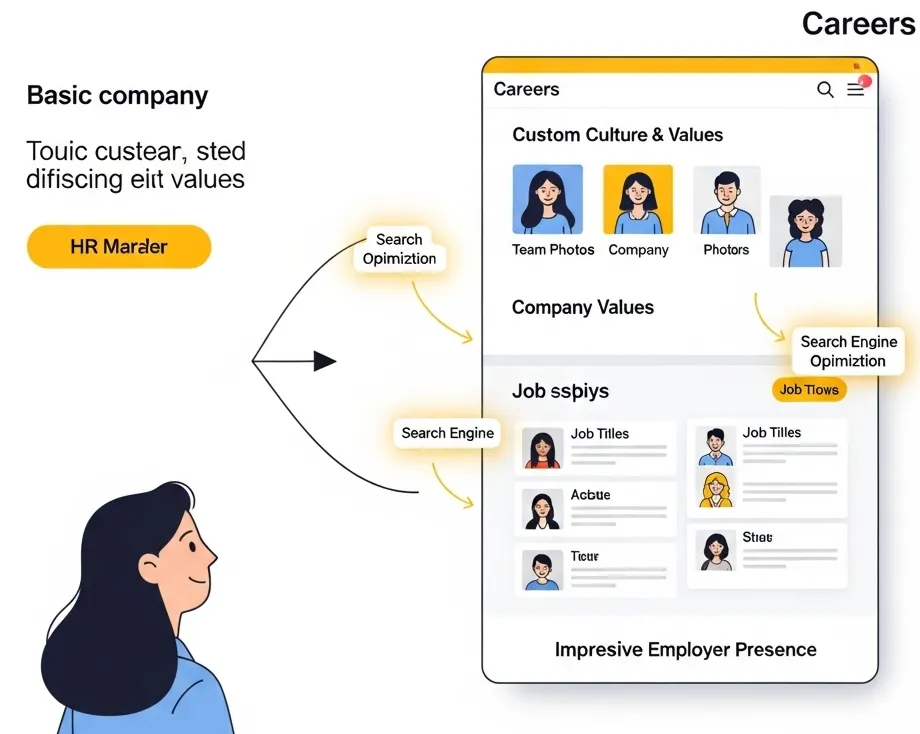
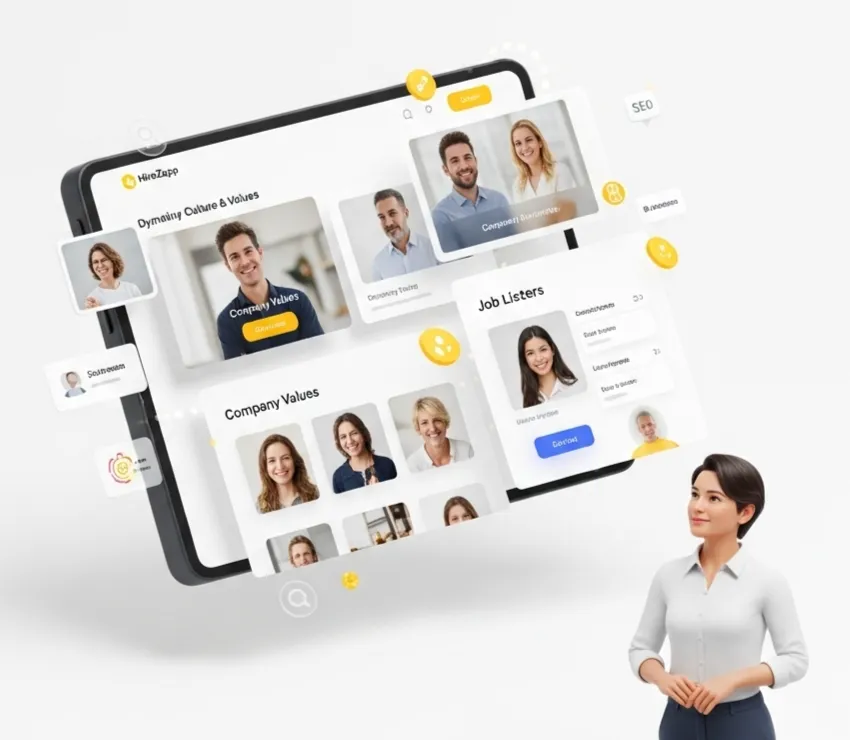
Build a professional employer brand with a custom careers page and branded communications that make your startup stand out.
Common Pitfalls in Small Business Recruiting Strategy
Even with the right tools, it's easy to fall into bad habits. Watch out for these common mistakes that can sabotage your hiring efforts and slow down your growth.
- Relying only on inbound applicants instead of proactively sourcing.
- Writing generic job descriptions that don't sell the role or company.
- Skipping a brief initial phone screen to save time, only to waste it in longer interviews.
- Conducting unstructured interviews that are inconsistent and prone to bias.
- Failing to communicate with candidates who are not moving forward.
- Taking too long to make a decision and make an offer.
What an Automated Hiring Process Can't Solve
Automation is a powerful tool, but it is not a magic wand. An efficient system can only amplify what is already there. It is important to remember that technology will not fix foundational business problems.
- A weak or undefined employer brand.
- A non-competitive compensation and benefits package.
- A negative or toxic company culture.
- A poorly defined role with unclear expectations.
Building Your Recruiting Workflow for SMBs
By defining your process and using the right tools, you can build an efficient, repeatable hiring machine. This frees you up to focus on what matters most: finding and hiring the people who will help your startup win. An organized approach ensures a better experience for both your team and your future hires.
Scale Startup Hiring: The AI Way.
Turn full-cycle knowledge into effortless action. HireZapp's AI automates your entire hiring process, empowering growth.
Frequently Asked Questions
1) What is the first step in the startup hiring process?
The first step is always planning. Before you even think about sourcing, you must clearly define the role's responsibilities, the skills required, and what success looks like. Creating a scorecard based on this plan is crucial for a successful hire.
2) How can AI recruiting for startups help small teams?
AI helps small teams save significant time by automating repetitive tasks. This includes generating job descriptions, screening resumes to find top matches, and scheduling interviews, allowing founders and recruiters to focus on engaging with the best candidates.
3) What is the ideal applicant to hire process time?
For startups, the goal is to move quickly without sacrificing quality. A healthy timeframe is typically 2 to 4 weeks from application to offer. A streamlined process with tools like an ATS is key to hitting this goal and not losing top talent to competitors.
4) Why is a full-cycle recruiting approach important for founders?
It provides a single, unified view of the entire hiring pipeline. This allows founders to maintain control and visibility, ensure a consistent candidate experience, and make data-driven decisions without having to juggle multiple disconnected systems.
5) What's the difference between recruiting and full-cycle recruiting?
Recruiting can sometimes refer to just one part of the process, like sourcing candidates. Full-cycle recruiting covers the entire journey from role creation and sourcing all the way through to the offer, hiring, and sometimes even onboarding.
6) How do I create a better candidate experience?
The key is communication. Acknowledge every application, provide updates on timing, and let candidates know when a decision has been made, even if it's a no. Using automated follow-ups can help ensure no one gets left in the dark.
7) Is an ATS necessary for a small business?
While you can start with spreadsheets, an Applicant Tracking System (ATS) becomes necessary very quickly. It prevents candidates from falling through the cracks, saves hours of administrative work, and provides a professional experience that helps you compete for talent.