How to Write Remote Job Descriptions That Convert Candidates
Posting a remote job can feel like opening the floodgates. You get hundreds of applications, but most are not a fit. Meanwhile, top candidates drop off because your job description was unclear, your application form was too long, or they couldn't get a real sense of your company culture.
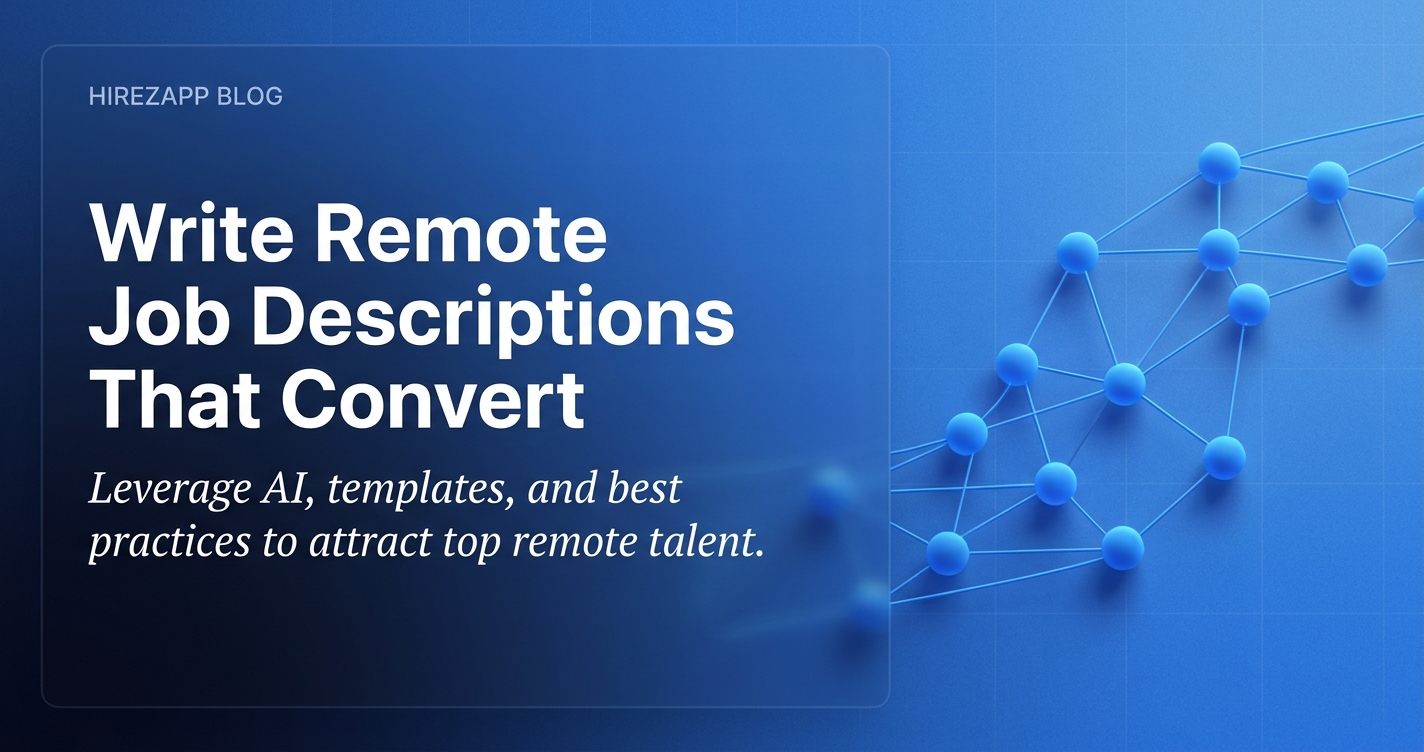

How to Write a High-Converting Remote Job Description That Converts
Posting a remote job can feel like opening the floodgates. You get hundreds of applications, but most are not a fit. Meanwhile, top candidates drop off because your job description was unclear, your application form was too long, or they couldn't get a real sense of your company culture.
The problem isn't a lack of talent. It's a failure to communicate value. A strategic remote job description is your most important tool for attracting and converting the right people, saving you countless hours of screening and follow-up.
Why Most Remote Job Posts Fail to Attract Top Talent
Many recruiters find that their remote job ads miss the mark for a few common reasons. These small issues can have a big impact on your applicant quality and hiring speed.
- Vague expectations
Not clearly stating time-zone requirements or core working hours. - Focusing on tasks, not impact
Listing duties without explaining how the role contributes to the company's goals. - Ignoring remote culture
Failing to describe how your team connects, communicates, and collaborates from a distance. - Using internal jargon
Confusing external candidates with acronyms and project names they do not recognize. - A complicated application process
Linking to a lengthy form that causes qualified candidates to abandon their application. - No mention of compensation
Hiding the salary range, which often discourages top performers from applying.
A Step-by-Step Guide to a High-Converting Remote Job Description
Creating a job post that converts is a repeatable process. Follow these steps to build a clear, compelling narrative that attracts the right candidates and filters out the wrong ones. This is the foundation of excellent remote JD best practices.
- Start with a Specific, Searchable Title
Use common industry terms, like “Senior Product Manager” instead of “Product Visionary.” Include key specifics like “(Remote, Americas)” if applicable. - Write a Compelling Opening Summary
In 2-3 sentences, hook the candidate by describing the impact they will have and the core problem they will solve. - Clearly Define Responsibilities
Use a bulleted list of 5-7 core responsibilities. Start each with an action verb like “Develop,” “Manage,” or “Collaborate.” - Separate “Must-Have” from “Nice-to-Have” Skills
Be honest about your essential requirements. This helps diverse candidates feel confident applying even if they do not meet 100% of the criteria. - Detail Your Remote Work Setup
Explain your philosophy. Do you provide a home office stipend? What tools do you use (Slack, Asana, etc.)? Are there any in-person meetups? - Showcase Your Company Culture and Benefits
Go beyond standard perks. Mention professional development opportunities, team rituals, and what makes your company a great place to work remotely. - Outline the Hiring Process
Briefly explain the steps (e.g., “30-min screening call, technical assessment, final team interview”) so candidates know what to expect. This transparency is key for attracting remote talent. - End with a Simple Call to Action
Make it easy to apply with a single, clear button or link.
Templates and Checklists You Can Use Now
Getting started is the hardest part. Use this snippet and checklist as a foundation for your next remote hiring job post.
Remote Job Description Snippet Example
About The Role (Senior Software Engineer)
As a Senior Software Engineer at HireZapp, you will own the development of our new AI-powered sourcing module. You will work directly with our product team to build features that help thousands of recruiters find hidden talent faster. This is a fully remote role open to candidates within North and South American time zones.
Optimization Checklist
- Does the title include “Remote” and any geographic constraints?
- Is the salary range included in the post?
- Are the top 3-4 responsibilities listed first?
- Does the post describe the team's communication style?
- Is the application process clearly explained in 1-2 sentences?
- Have you checked the post for inclusive language? Your job quality score remote depends on it.
Where HireZapp Fits In Your Workflow
Manually writing, optimizing, and tracking every job description is slow and prone to error. HireZapp is built to automate the tedious parts so you can focus on connecting with candidates.
- AI Job Description Generator
Get a high-quality, SEO-friendly draft in seconds. Our AI job description generator remote tool is trained on data from thousands of successful remote hires. - Job Quality Score
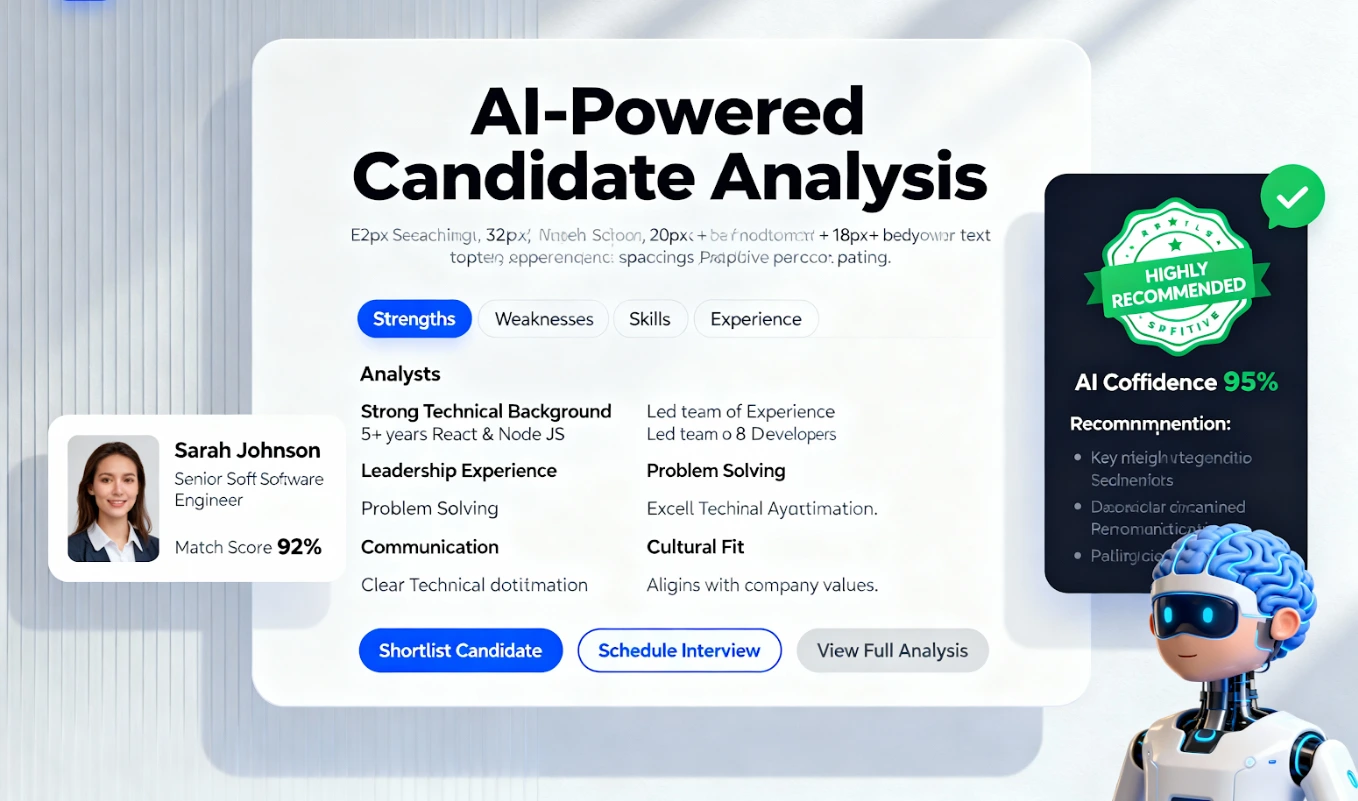
Instantly analyze your job description for clarity, inclusivity, and potential conversion issues before you publish it. - Branded Job Posts and Career Pages
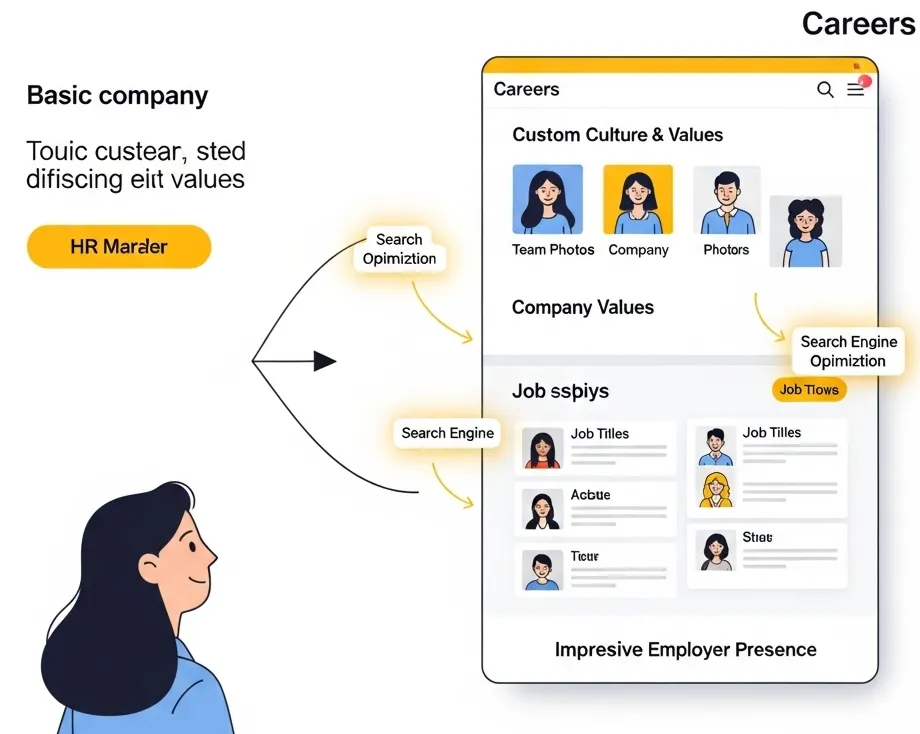
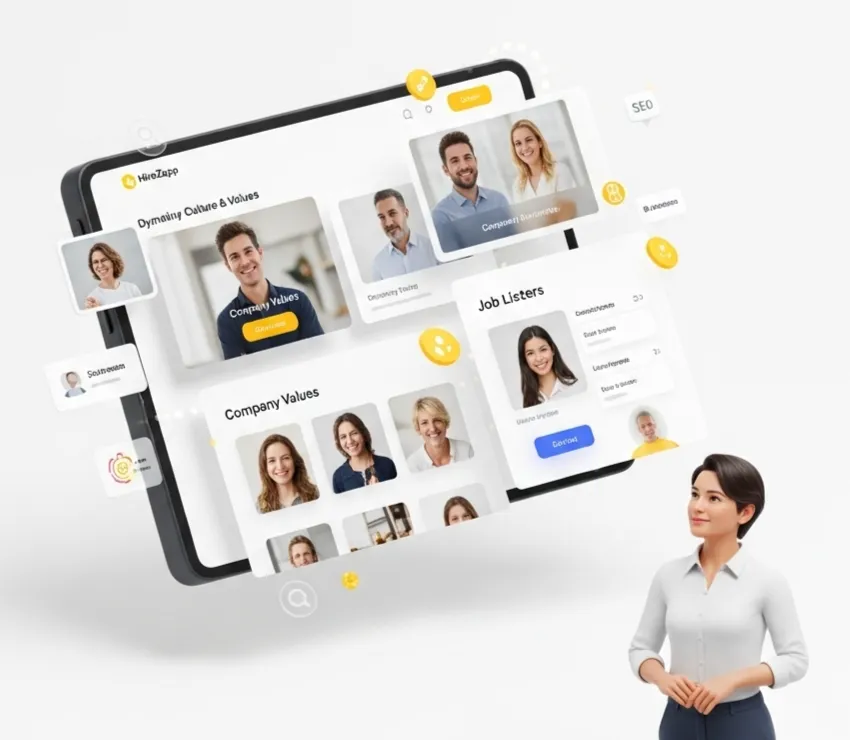
Ensure every candidate touchpoint reflects your company culture and employer brand, which is critical for remote roles. - ATS and Automated Follow-ups
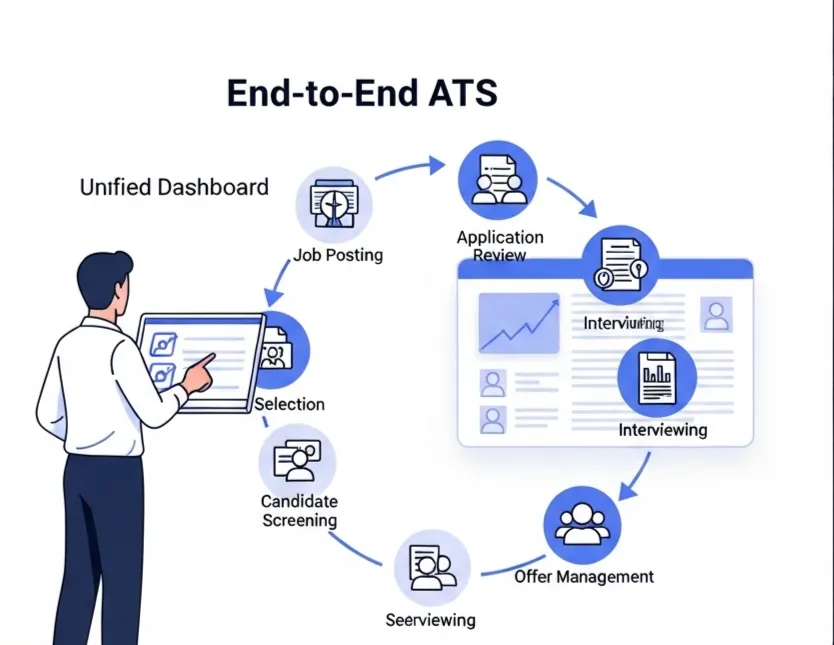
Track every applicant in a clean pipeline and keep candidates engaged without manual effort, boosting your overall candidate conversion remote jobs.
AI-Powered Remote JDs That Convert.
Stop struggling with remote job descriptions. HireZapp's AI crafts JDs proven to attract and convert top talent.
Common Mistakes That Keep Teams Stuck
Even with a great template, small mistakes can derail your hiring efforts. Avoid these common pitfalls:
- Creating a laundry list of 15+ qualifications.
- Using vague phrases like “team player” or “self-starter.”
- Forgetting to link to your company's website or careers page.
- Not proofreading for spelling and grammar errors.
- Failing to update the post once the role is filled.
- Making the application process require a login or lengthy profile creation.
What a Great Job Description Will Not Fix
A perfectly written job description is a powerful tool, but it cannot solve foundational business problems. Be aware that it will not fix:
- A non-competitive compensation and benefits package.
- A slow or disorganized interview process.
- A toxic company culture or poor leadership.
- A lack of genuine growth opportunities for the role.
Turn Your Job Post into a Conversion Engine
Your remote job description is more than a list of duties; it is your first conversation with a future hire. By focusing on clarity, transparency, and the candidate experience, you can stop sorting through spam and start engaging with the high-quality talent you need to grow.
Frequently Asked Questions
1) What is the most important part of a remote job description?
Clarity on expectations is the most important part. This includes specifying time zone requirements, core responsibilities, and how the team communicates and collaborates remotely. This prevents confusion for applicants worldwide.
2) How do you measure candidate conversion for remote jobs?
You can measure it by tracking the percentage of candidates who move from one stage to the next in your hiring pipeline. Key metrics include the application completion rate (visitors vs. applicants) and the qualified candidate rate (applicants vs. those who pass the initial screening).
3) What tools can help with writing remote job ads?
Tools like HireZapp's AI JD Generator create optimized drafts instantly. Grammar checkers help with polish, and applicant tracking systems (ATS) help you track which job descriptions attract the best candidates over time.
4) How long should a remote job description be?
Aim for a length between 300 and 700 words. It should be detailed enough to give a clear picture of the role and culture, but concise enough to be easily scanned on a mobile device or job board.
5) What are the key elements for attracting remote talent?
Beyond a competitive salary, top remote talent looks for flexibility, a strong and positive remote culture, opportunities for professional development, modern communication tools, and a clear description of the role's impact on the company.
6) How can I ensure my job post is inclusive for remote workers?
Use gender-neutral language, clearly separate essential skills from “nice-to-haves,” and avoid corporate jargon. Mentioning your commitment to diversity and inclusion and highlighting flexible work hours also helps create a more welcoming post.
7) Why is a Job Quality Score important for remote roles?
A Job Quality Score analyzes your post for elements that impact conversion, like clarity, readability, and inclusivity. For remote roles with a global applicant pool, this score helps ensure your ad is understood and appealing to a diverse range of candidates.