Candidate Drop-Off Rate: Where You're Losing Talent
You spend time and money getting great people to apply for your roles, only for them to disappear. They stop replying to emails, miss interviews, or accept other offers. It’s a common frustration for founders and recruiters trying to scale their teams.

Your Guide to Understanding and Lowering Your Candidate Drop-Off Rate
You spend time and money getting great people to apply for your roles, only for them to disappear. They stop replying to emails, miss interviews, or accept other offers. It’s a common frustration for founders and recruiters trying to scale their teams.
This guide provides a clear path to diagnose where you're losing talent and how to fix the leaks in your hiring process. The goal is to build a system that respects candidates' time and helps you hire the right person faster, so you can improve candidate retention for the long term.
Pinpointing Common Application Drop-Off Reasons
Before you can fix the problem, you need to know what causes it. Many teams notice that candidates leave the process for a few key reasons. Your high candidate drop-off rate is likely caused by one or more of these common issues:
- A long and complicated application form that asks for too much information upfront.
- The job description is confusing, full of jargon, or doesn't explain the role's impact.
- A poor mobile experience, making it hard for candidates to apply from their phones.
- No clear timeline or information about what happens next in the hiring process.
- Slow communication or, even worse, no communication at all after they apply.
- Too many interview rounds that feel repetitive and drag out the decision.
A Step-by-Step Plan to Reduce Candidate Drop-off
Fixing your drop-off problem requires a systematic approach. Follow these steps to create a more efficient and candidate-friendly hiring funnel.
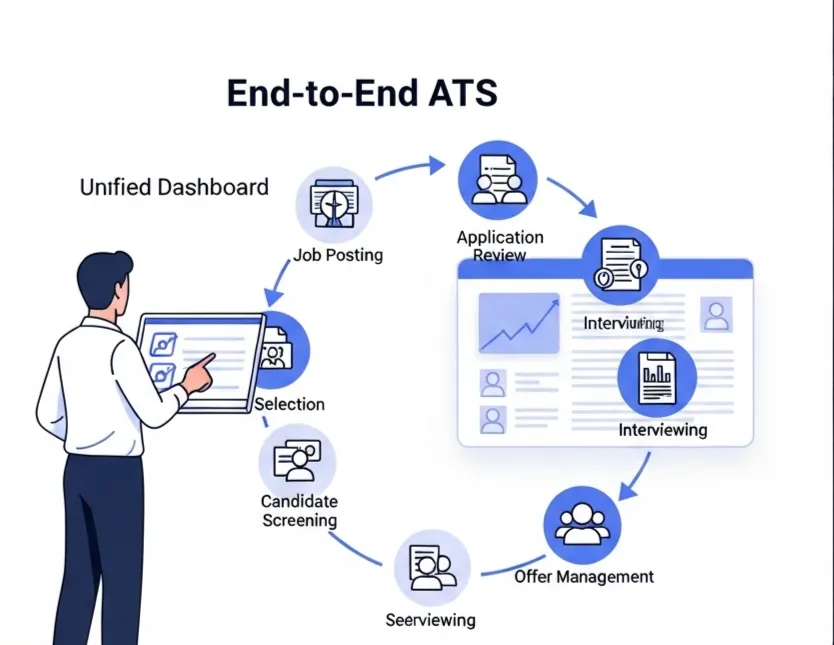
- Map your current hiring process. Write down every single step from application to offer, noting how long each stage takes.
- Identify the biggest drop-off points. Look at your data to see where most candidates are leaving and ask for feedback if you can.
- Simplify your application form. Only ask for what is absolutely necessary: a name, email, phone number, and a resume.
- Rewrite your job descriptions for clarity. Use HireZapp’s AI generator to create JDs that focus on outcomes, not just a list of requirements.
- Set clear expectations upfront. Let candidates know the steps and timeline in the very first communication.
- Automate your communication. Use a system to send instant confirmation emails and regular updates so no one feels left in the dark.
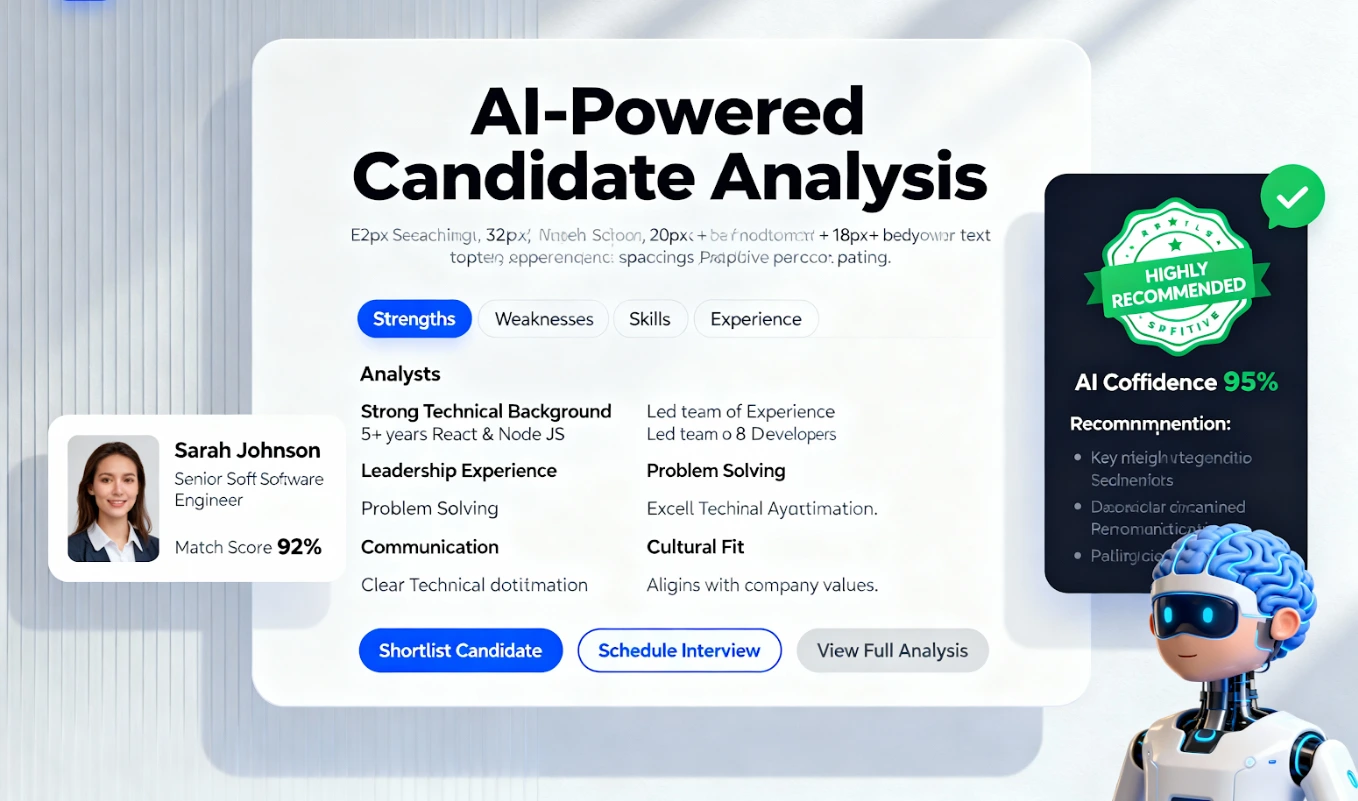
- Screen candidates effectively. Use simple assessments or short screening calls to qualify candidates early, respecting everyone's time.
- Make a decision quickly. Once interviews are done, move to the offer stage without unnecessary delays.
A Better Candidate Communication Strategy You Can Use Today
Clear communication is the easiest way to improve the candidate experience. Here are a few templates you can adapt right away to keep candidates engaged and informed.
Recruiter reality: “I used to lose so many people just because I was too busy to send a simple ‘we’re still reviewing’ email. It felt unprofessional, but I was swamped. Automating it was a game-changer.”
Here is a simple checklist for auditing your current candidate experience.
- Clear Job Posts
Does your job description clearly state the salary range, location, and core responsibilities? - Simple Application
Can a candidate apply in under three minutes on a mobile device? - Instant Confirmation
Does every applicant receive an immediate email confirming their application was received? - Regular Updates
Do candidates who pass the initial screen receive an update at least once every 5 business days? - Easy Scheduling
Do you provide a simple way for candidates to schedule interviews without endless back-and-forth emails?
How HireZapp Helps With Recruitment Funnel Optimization
Fixing your hiring process shouldn't require duct-taping together five different tools. HireZapp provides an all-in-one platform to solve the core issues that cause candidates to drop off.
- AI Job Description Generator
Create clear, compelling, and branded job posts in seconds to attract the right applicants from the start. - One-Click Applications
Allow candidates to apply using their LinkedIn or GitHub profiles, dramatically reducing application friction. - ATS Pipeline and Tracking
See where every candidate is in your funnel with our built-in ATS candidate tracking so no one falls through the cracks. - Automated Candidate Follow-Up
Set up email sequences to keep candidates warm and informed at every stage, from application to offer.
Common Mistakes That Hurt the Candidate Experience
Even with the right tools, small mistakes can drive great talent away. Watch out for these common missteps:
- Forgetting that candidates are evaluating you as much as you are evaluating them.
- Asking for personal information too early in the process.
- Failing to prepare the interview team, leading to repetitive or irrelevant questions.
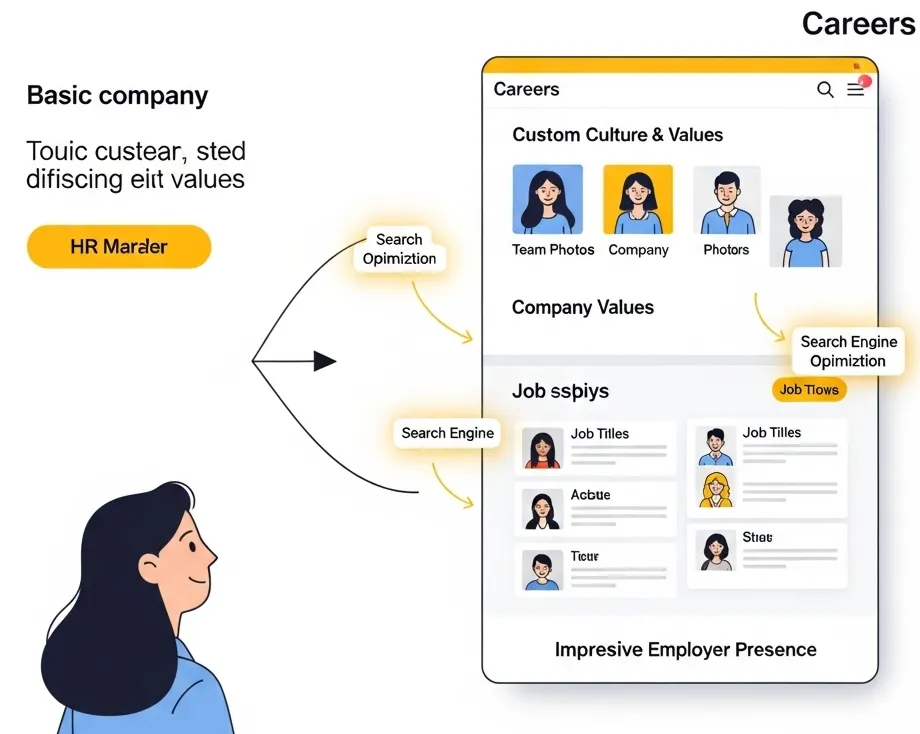
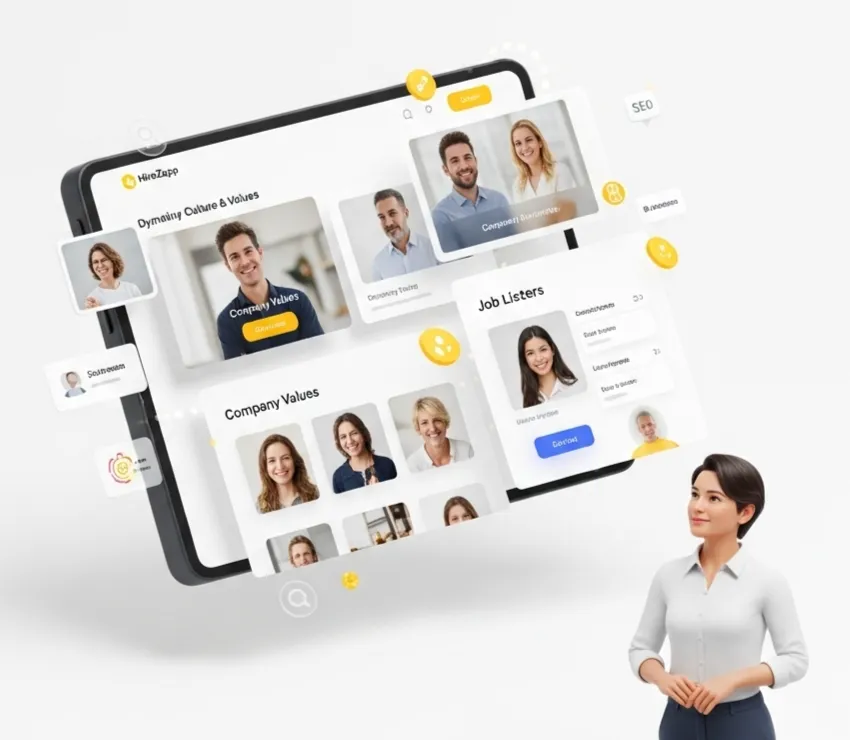
- Using a generic, unbranded careers page that doesn't reflect your company culture.
- Relying on manual tracking with spreadsheets, which leads to errors and delays.
What a Streamlined Process Won’t Fix
Building a great hiring funnel is crucial, but it is not a silver bullet. An optimized process will not solve deeper organizational problems. Be aware that even the best tools cannot fix:
- A non-competitive salary or benefits package for the role and industry.
- A negative company culture or poor reviews on sites like Glassdoor.
- A role that has poorly defined responsibilities or unrealistic expectations.
- A slow internal decision-making process among the hiring team.
Fixing your hiring process helps you attract and convert qualified talent. But retaining that talent requires a healthy company culture and a commitment to your team's growth.
Stop Losing Talent. Optimize Your Funnel.
HireZapp's AI automates screening & follow-ups, keeping top candidates engaged from start to finish.
Frequently Asked Questions
1) What causes a high hiring funnel drop-off?
The most common causes are a long application process, poor communication from the employer, an unclear job description, and a slow hiring timeline. Each of these friction points gives a great candidate a reason to look elsewhere.
2) What are the most important candidate experience metrics to track?
Focus on three key metrics: Application Completion Rate (the percentage of people who start an application and finish it), Time-to-Hire (the total days from application to offer acceptance), and Offer Acceptance Rate. These numbers give you a clear view of your funnel's health.
3) How can I calculate my candidate drop-off rate?
To calculate the drop-off rate between two stages, divide the number of candidates who left by the number who started that stage, then multiply by 100. For example, if 50 people are invited to a phone screen and only 40 attend, the drop-off rate is (10 / 50) * 100 = 20%.
4) How does an automated candidate follow-up system improve hiring?
It ensures every candidate receives timely and consistent communication, which builds trust and keeps them engaged. It also frees up recruiter time from manual administrative tasks, allowing them to focus on sourcing and interviewing top talent.
5) Is it better to build our own hiring system or use a tool like HireZapp?
While building your own system with forms and spreadsheets is possible, it often leads to manual errors, data silos, and a poor candidate experience. An integrated platform like HireZapp is designed to prevent these issues, providing a professional and efficient process from day one.