Candidate Rejection Workflows: Keep Them for Future Roles
Losing a great candidate is tough. But what’s worse is losing them forever. Many companies spend a fortune on ads and sourcing for every new role, starting from scratch each time. They ignore the goldmine of qualified, interested people they’ve already spoken to.
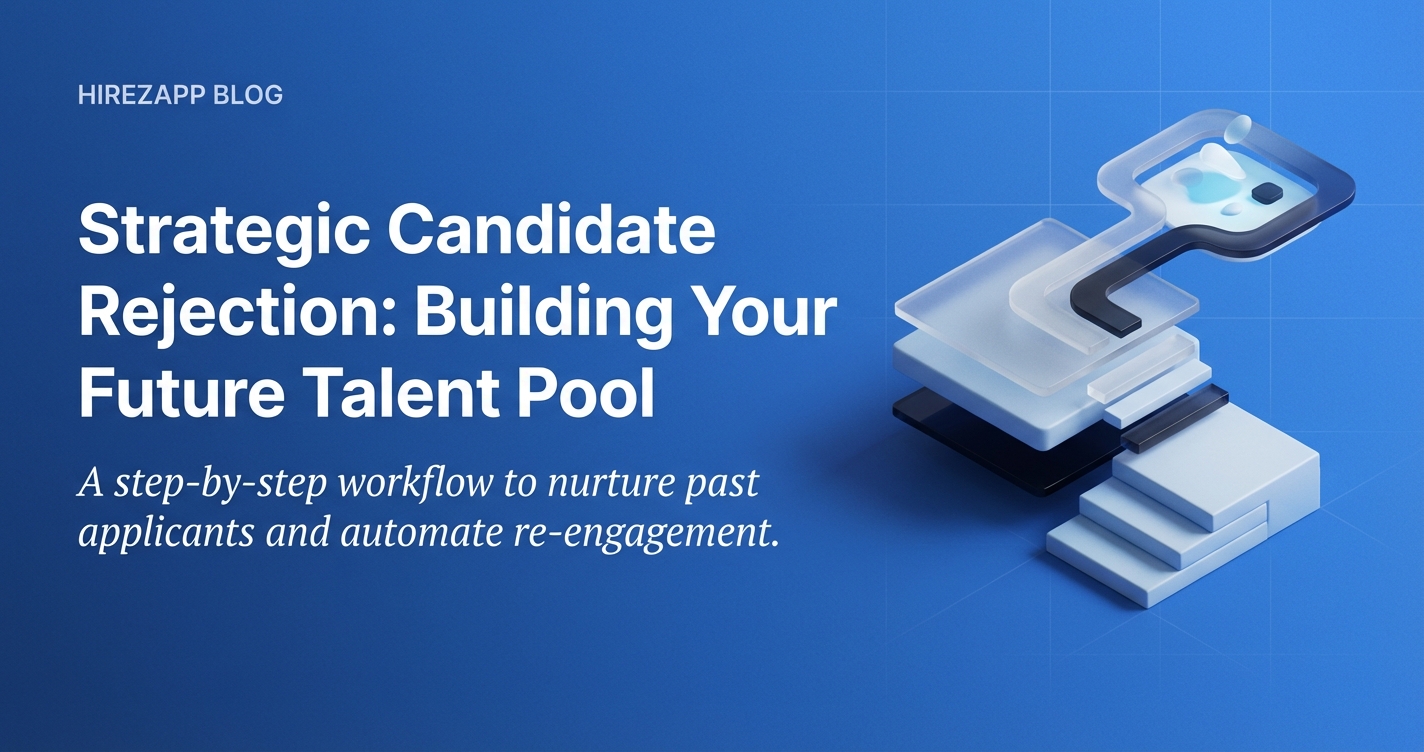

How to Build a Candidate Rejection Workflow That Fills Future Roles
Losing a great candidate is tough. But what’s worse is losing them forever. Many companies spend a fortune on ads and sourcing for every new role, starting from scratch each time. They ignore the goldmine of qualified, interested people they’ve already spoken to.
A smart candidate rejection workflow does more than just say “no.” It turns rejected applicants into a warm talent network for your next opening. This saves time, reduces hiring costs, and builds a powerful employer brand that attracts top talent.
Why Good Candidates Disappear After a “No”
If your rejected candidates never re-apply, it is likely due to a few common process gaps. Many recruiters find that their old methods no longer work in a candidate-driven market. The problem is rarely a lack of good people; it is a lack of a good system.
- Generic, impersonal rejection emails that feel cold and automated.
- No clear next steps or invitation to stay connected for future opportunities.
- Complete silence, also known as “ghosting,” which damages your brand reputation.
- Using messy spreadsheets or email folders that make it impossible to find past applicants.
- Failing to track why a candidate was a “silver medalist” or what roles they might fit later.
A Simple Workflow for Your Future Hiring Pipeline
Building a system to re-engage past applicants is straightforward. It is about creating a respectful process that keeps the door open and organizes candidate data for easy access. Follow these steps to turn rejections into a strategic advantage.
- Reject with respect and speed. Send a personalized note explaining that while it was not a fit this time, you were impressed with their qualifications.
- Ask for permission to stay in touch. Explicitly ask if you can keep their information on file and contact them about future roles that match their skills.
- Tag candidates in your system. Use specific tags like “Future_Marketing_Manager” or “Strong_Backend_Dev” so you can easily find them later.
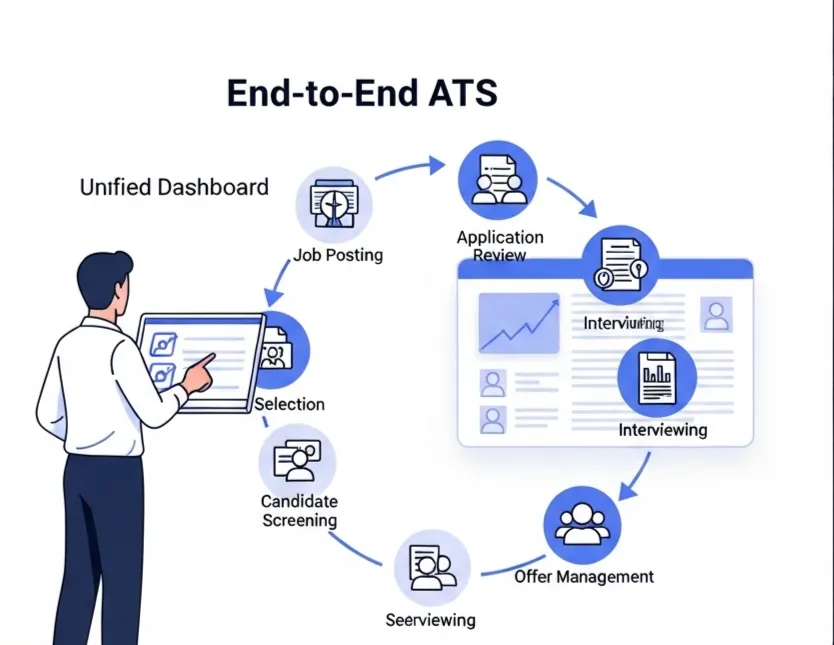
- Move them to a dedicated talent pool. Create a specific pipeline stage or folder in your ATS for these high-potential individuals. This is key for effective talent pool management.
- Set up automated check-ins. Use your hiring platform to schedule a follow-up email in 3 or 6 months to keep your company top of mind.
- Share relevant company news. If you publish a big update or have a relevant new opening, send a targeted message to your talent pool.
- Search your internal talent pool first. Before you post a new job publicly, always search your existing network of warm candidates.
Email Templates to Keep Great Candidates Warm
Your communication is critical. Use these templates as a starting point to create a positive candidate experience after rejection. Always customize them to fit the role and your company voice.
<strong>Template 1: The Respectful Rejection + Invitation</strong>
Hi [Candidate Name],
Thank you again for taking the time to interview for the [Job Title] role at [Company Name]. The team was very impressed with your background in [Specific Skill].
While we have decided to move forward with another candidate for this specific position, we believe you could be a great fit for other roles in the future. Would you be open to us keeping in touch for future opportunities?
<strong>Template 2: The 3-Month Nurture Check-In</strong>
Hi [Candidate Name],
Hope you are doing well. Just wanted to share a quick update from [Company Name] - we recently [mention a positive company update, like a new product launch or award].
We do not have a specific role open for you today, but we are always looking for great people. We will be sure to reach out if a relevant position opens up.
How HireZapp Automates Candidate Nurturing
Manually tracking past applicants in spreadsheets is not scalable. A modern hiring platform automates the entire process, ensuring no great candidate slips through the cracks. HireZapp is designed to make this easy for busy recruiters and founders.
Recruiter reality : “I used to have a Google Sheet for past candidates. I almost never looked at it. Now, my system tells me when a past applicant is a good fit for a new job. It’s a game-changer.”
Here is how HireZapp helps you build and maintain your ATS talent pool automatically.
- Automated Follow-ups
Schedule rejection and nurture emails to go out at the right time, so you can maintain a warm relationship with your talent pool without the manual work. - Job Match Score
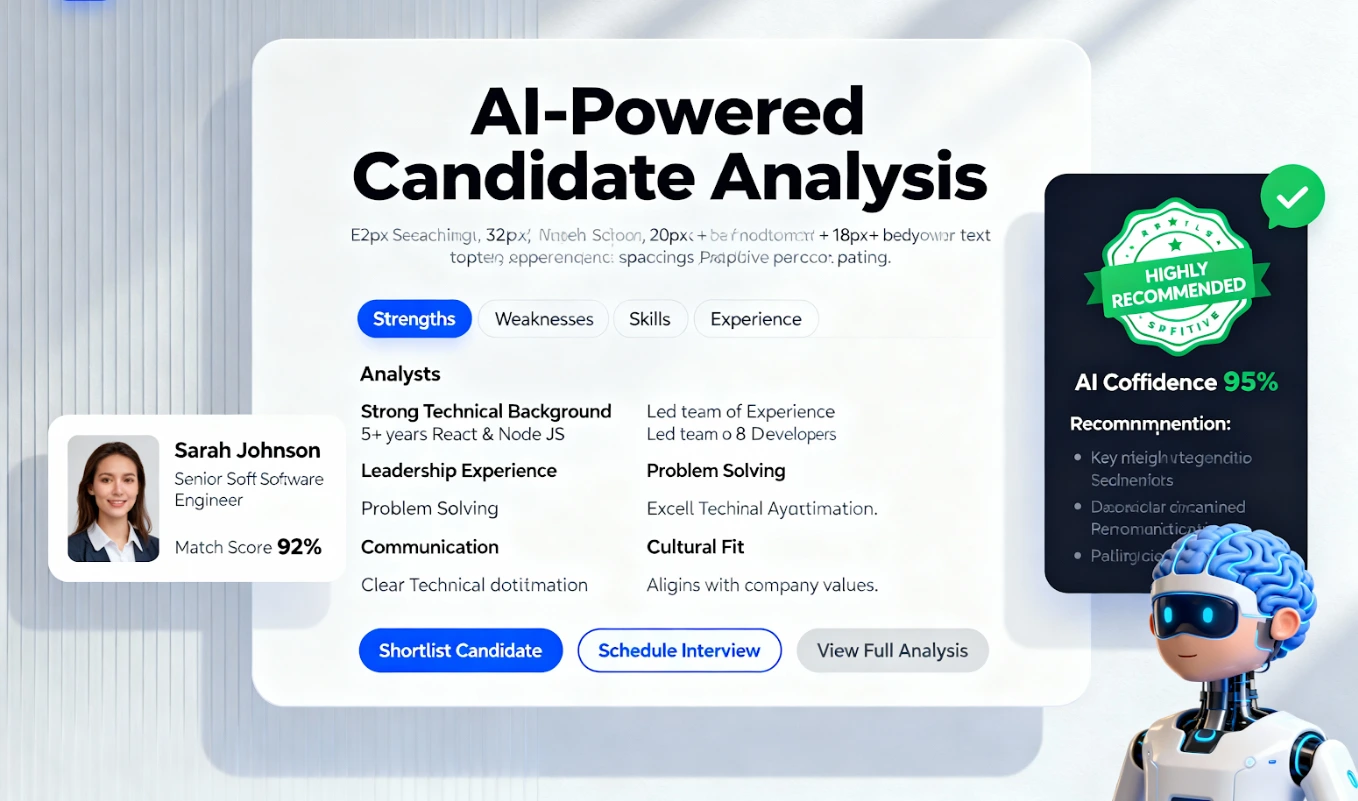
When you create a new role, HireZapp automatically scores past applicants against it, instantly showing you qualified candidates already in your network. - ATS Pipeline & Tagging
Easily move rejected candidates to a “Future consideration” pipeline stage and add custom tags to segment your talent for targeted outreach. This is central to successful rejected candidate nurturing.
Common Mistakes That Damage Your Talent Network
A few simple missteps can undo all your hard work. Avoiding these common mistakes is crucial for effective candidate relationship management and building a strong employer brand.
- Ghosting candidates after the final interview.
- Sending rejection emails from a “no-reply” address.
- Failing to tag candidates with their specific skills or interests.
- Never looking at your talent pool before starting a new search.
- Making it difficult for past applicants to update their information or preferences.
- Forgetting to get their consent to be contacted for future roles.
A Reality Check: What This Process Can't Fix
A great rejection workflow is powerful, but it is not a magic bullet. It supports a healthy hiring process but cannot repair fundamental issues. Be aware that this system will not solve:
- A negative or disorganized interview experience.
- A poor public reputation or bad company reviews.
- Uncompetitive compensation and benefits packages.
- A lack of interesting or challenging roles at your company.
Never Lose a Great Candidate Again.
Automate rejected candidate nurturing with HireZapp's AI. Build a powerful talent pool and fill future roles faster.
Frequently Asked Questions
1) What is an ATS talent pool?
An ATS talent pool is a database within an Applicant Tracking System that stores the profiles of past applicants, including those who were not hired. It allows recruiters to easily search and re-engage with these candidates for future job openings.
2) How often should you contact rejected candidates?
After the initial rejection, a simple check-in every 3 to 6 months is a good practice. The goal is to stay top-of-mind without spamming them. Only reach out more frequently if you have a highly relevant job opportunity.
3) What's the main benefit of rejected candidate nurturing?
The main benefit is reducing the time and cost to hire. By nurturing a pool of warm, pre-qualified candidates, you can often fill new roles without needing to pay for job ads or external sourcing.
4) Can automated rejection emails still be personal?
Yes. Good hiring platforms allow you to create automated rejection emails using templates that pull in personal details like the candidate's name, the job title they applied for, and even positive feedback from their interview.
5) Does a good rejection process really improve employer brand?
Absolutely. When candidates have a positive and respectful experience, even when rejected, they are more likely to speak positively about your company to their network, re-apply in the future, and even remain a customer of your product.
6) How does this improve the candidate experience after rejection?
It provides closure, shows respect for their time, and offers a path forward. Instead of feeling discarded, the candidate feels valued and understands that the door is still open for other opportunities, which transforms a negative outcome into a positive brand interaction.
7) What is candidate relationship management?
Candidate relationship management (CRM) is the practice of building and maintaining long-term relationships with potential job candidates. It involves consistent and meaningful communication to keep them engaged with your company, even when there are no immediate openings.