Paid Job Ads Generating 500+ Applicants? Your Screening Strategy Is Dead
You paid for the job ad. The dashboard shows 500 applicants and climbing. But as you scroll through resumes, a familiar feeling sinks in: you have a volume problem, not a talent problem. The time spent manually sifting through unqualified candidates is costing you the great ones.

Your High Volume Applicant Screening Strategy Isn't Working. Here's Why.
You paid for the job ad. The dashboard shows 500 applicants and climbing. But as you scroll through resumes, a familiar feeling sinks in: you have a volume problem, not a talent problem. The time spent manually sifting through unqualified candidates is costing you the great ones.
When your process relies on spreadsheets, forms, or messy email inboxes, you lose speed and visibility. Good applicants get tired of waiting and accept other offers. This isn't just inefficient; it's a broken system that prevents growth. It's time to stop drowning in applications and start identifying top talent instantly.
Why Your Candidate Funnel Is Leaking Quality
Many recruiters notice that as applicant volume goes up, quality seems to go down. This isn't a coincidence. It's often a sign that the screening process itself is the bottleneck. The root causes are usually simple and hiding in plain sight.
- Vague Job Descriptions Attract Everyone: A generic job post without clear outcomes or requirements invites a flood of irrelevant applications.
- Friction-Filled Application Forms: Long, complicated forms that aren't mobile-friendly cause the best candidates to abandon the process. This is a primary way to fail to reduce applicant drop-off.
- The Manual Review Bottleneck: One person trying to read hundreds of resumes is not a strategy. It’s a recipe for burnout and missed opportunities.
- No Pre-Screening Mechanism: Without upfront questions to filter for must-have skills or qualifications, you are forced to review every single applicant manually.
- Inconsistent Communication: When candidates hear nothing for weeks, they assume the role is filled or the company is disorganized, damaging your employer brand.
The AI-Powered High Volume Applicant Screening Strategy That Actually Works
Getting control of your hiring funnel requires a system, not just more effort. This repeatable playbook helps you build a process that surfaces the best candidates while respecting everyone's time.
- Optimize the Job Post for Quality, Not Clicks.
Start with an AI-generated job description focused on outcomes and core skills to attract the right people from the start. - Create a Smart, Branded Job Form.
Build a simple application form that asks essential questions upfront and reflects your company's brand. - Implement Automated Knock-Out Questions.
Use deal-breaker questions about location, work authorization, or required certifications to instantly filter out unqualified applicants. This is key to automate candidate screening. - Deploy a Short, Role-Specific Assessment.
For roles that require specific hard skills, use a brief, automated assessment to verify competency early on. - Use a Job Match Score to Prioritize.
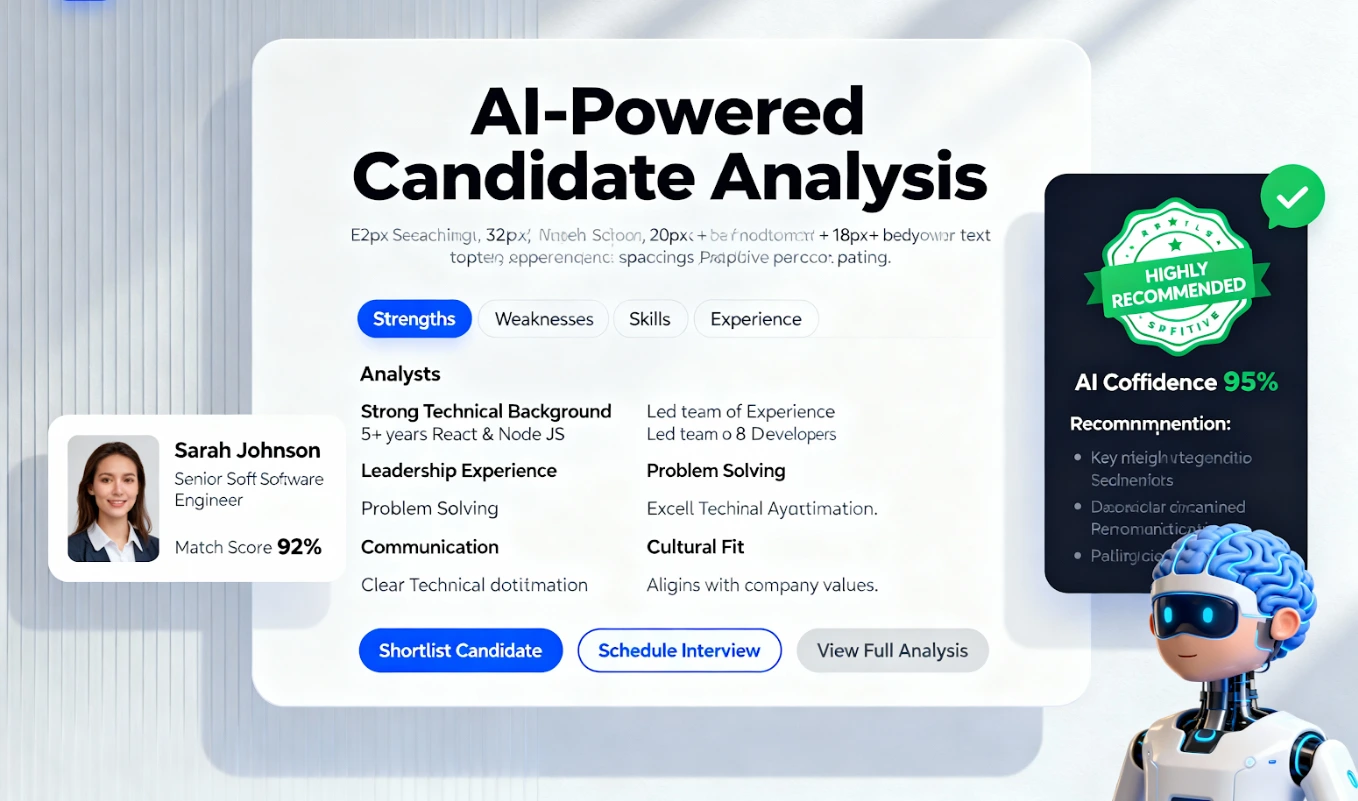
Let an algorithm score and rank candidates based on their entire profile, including skills, experience, and answers to your questions. - Automate Follow-Up Communication.
Ensure every single applicant, qualified or not, receives a timely and professional update on their status.
Templates to Filter Candidates Without Manual Work
A smart screening process relies on asking the right questions. Here are some examples of pre-screening questions for high volume hiring that you can adapt for your next role.
Example Screening Questions for a "Remote Sales Development Representative"
- Are you legally authorized to work in the United States? (Yes/No)
- This role requires a minimum of 2 years of B2B SaaS cold-calling experience. Do you meet this requirement? (Yes/No)
- Describe your experience using CRM software like Salesforce or HubSpot in one or two sentences. (Short Text)
- This is a fully remote position in the EST or CST time zones. Can you commit to working within these hours? (Yes/No)
- What are your base salary expectations for this role? (Number/Range)
Recruiter reality: “These simple questions save me over 10 hours a week. I no longer open resumes that don't meet the absolute basic needs of the role.”
Where HireZapp Fits in Your Screening Funnel
HireZapp is designed to execute this exact strategy. It provides the tools to move from manual chaos to an automated system that surfaces top candidates faster. We help teams use AI screening tools to focus on people, not paperwork.
- AI Job Description Generator
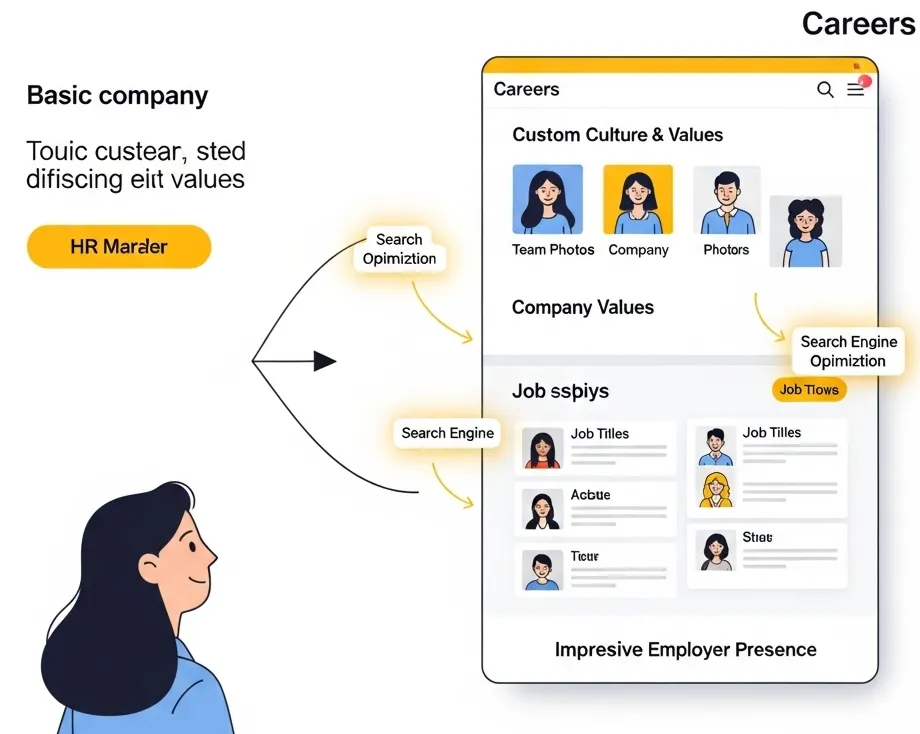
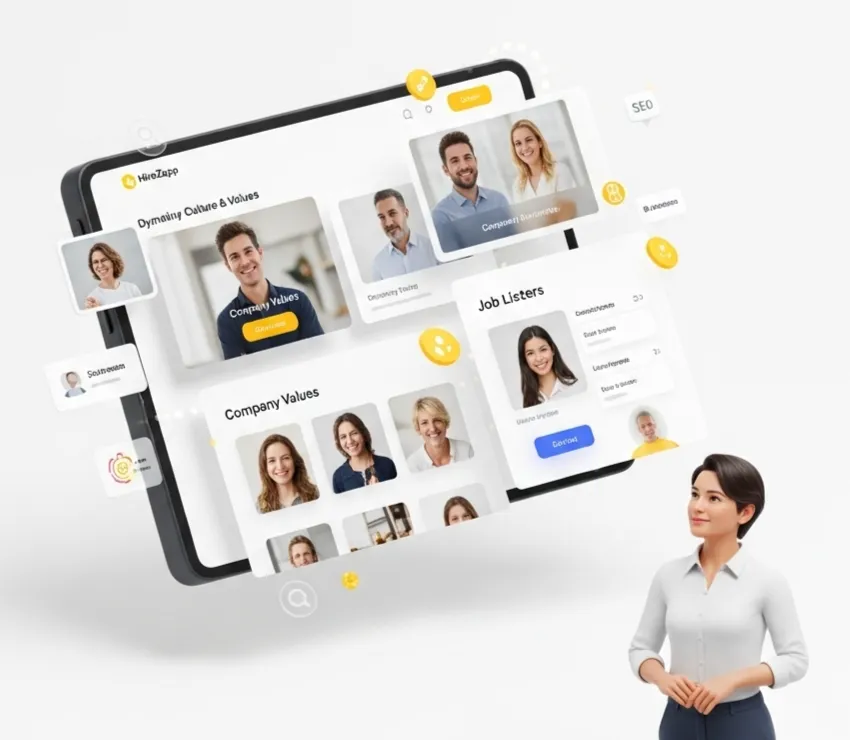
Create clear, optimized job posts that attract qualified candidates and deter spray-and-pray applicants. - Branded Job Forms & Careers Pages
Build a professional and seamless application experience that strengthens your employer brand. - Job Match & Job Quality Scoring
Automatically see which candidates are the best fit without reading every resume first. - Custom Assessments & Automated Workflows
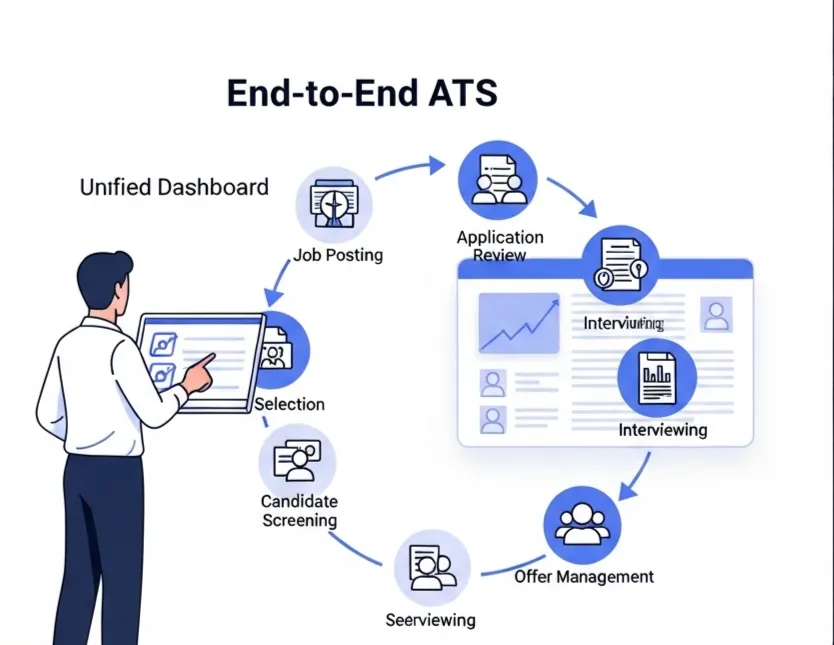
Test for real-world skills and move candidates through your pipeline with automated follow-ups. - Centralized Applicant Tracking System (ATS)
Manage your entire candidate pool from one place, eliminating the need for scattered spreadsheets and forms.
Screen 500+ Applicants? Automate & Hire Better.
Turn overwhelming applicant volume into a streamlined hiring advantage with AI-powered screening.
Are You Making These Screening Mistakes?
Even with tools, bad habits can stall progress. Many teams stay stuck because they are:
- Relying solely on the resume as a source of truth.
- Failing to define what “qualified” actually means before posting a job.
- Using a generic, one-size-fits-all screening process for every role.
- Ignoring the candidate experience and creating a black hole of communication.
- Forgetting to track key metrics like time-to-shortlist or applicant drop-off rate.
- Keeping the job ad running long after they have enough qualified candidates in the pipeline.
A Reality Check: What Automation Won't Fix
Building a better screening funnel is powerful, but it's not a silver bullet. An automated system is only as good as the strategy behind it. This process won't fix:
- A non-competitive salary or benefits package.
- A poorly defined role with unclear responsibilities.
- A negative company culture or poor reputation.
- A slow or disorganized interview and offer process.
Screen 500+ Applicants? Automate & Hire Better.
Turn overwhelming applicant volume into a streamlined hiring advantage with AI-powered screening.
Frequently Asked Questions
1) How do you effectively manage 500+ applicants for one role?
To manage 500+ applicants, you must automate the top of your funnel. Use an ATS with knockout questions, skills assessments, and AI-powered scoring to automatically filter and rank candidates, so you only spend manual review time on a small, qualified shortlist.
2) What is the first step in an effective job applicant screening process?
The first step in an effective job applicant screening process happens before you even receive applicants: writing a clear, outcome-focused job description. A precise JD discourages unqualified people from applying and sets the foundation for your screening criteria.
3) What is the role of an ATS for high applicant volume?
An ATS for high applicant volume serves as a central command center. It automates filtering, scores candidates, sends communications, and provides analytics, turning a chaotic flood of applications into an organized and manageable talent pipeline.
4) How can our team improve applicant quality from job ads?
To improve applicant quality, be more specific in your job ad about the required skills, experience, and daily responsibilities. Additionally, use pre-screening questions in your application form to ensure that only those who meet the basic criteria make it into your active pipeline.
5) What's the best way to handle unqualified applicants without hurting our brand?
The best way is with timely, automated communication. Use your ATS to send a polite and professional rejection email as soon as a candidate is disqualified. Acknowledging their application respects their time and protects your employer brand.
6) Can automation introduce bias into hiring?
Yes, if not implemented carefully. The key is to build your automation around objective, role-related criteria like skills, qualifications, and assessment results, rather than subjective data points from a resume. Well-designed automation can actually reduce human bias.
7) How do I measure the success of my screening funnel?
Track metrics like time-to-shortlist (how long it takes to find qualified candidates), pass-through rates at each stage, applicant drop-off rate, and ultimately, the quality of hire. A successful funnel is fast, efficient, and produces great employees.