AI-Assisted Candidate Strengths & Weaknesses Analysis: A Step-by-Step Guide
Sifting through hundreds of resumes feels like searching for a needle in a haystack. You spend hours reading every detail, trying to spot the right skills, but it's easy to miss key information or let unconscious bias creep in. This manual process slows down your time-to-hire and can lead to losing top talent to faster competitors.

AI-Assisted Candidate Strengths & Weaknesses Analysis: A Recruiter's Guide
Sifting through hundreds of resumes feels like searching for a needle in a haystack. You spend hours reading every detail, trying to spot the right skills, but it's easy to miss key information or let unconscious bias creep in. This manual process slows down your time-to-hire and can lead to losing top talent to faster competitors.
What if you could instantly get an objective summary of every applicant? Using AI for candidate analysis helps you move from reading resumes to shortlisting the best-fit people. It provides a consistent way to evaluate everyone, so you can focus your time on interviews that matter.
Why Manual Candidate Analysis Is So Inconsistent
Many recruiters find that even with a great process, manual screening is full of hidden challenges. The problem isn't a lack of effort; it's that the old way of doing things has built-in limits that slow down hiring and introduce errors.
- Unconscious human bias
We naturally favor familiar names, schools, or previous employers, which can cause us to overlook great candidates. - Inconsistent criteria
Different team members might focus on different things, leading to an apples-to-oranges comparison. - Information overload
Trying to remember the details of dozens of candidates leads to burnout and mistakes. - Keyword matching traps
Relying on Ctrl+F for keywords misses the context of a candidate's actual experience. - Difficulty comparing applicants
It is hard to objectively rank candidates against each other when relying on memory and scattered notes.
A Step-by-Step Playbook for AI Candidate Strengths Weaknesses Analysis
Creating a structured process helps you get reliable results every time. This approach turns a pile of documents into a clear, actionable shortlist.
- Define Your Ideal Profile Clearly
Start with a well-defined job description focusing on the top 5-7 core competencies required for success. - Centralize All Candidate Documents
Gather resumes, cover letters, and screening question answers into one system to feed the AI. - Use a Structured AI Prompt for Analysis
Provide the AI tool with a specific prompt asking it to identify strengths and weaknesses based on your job description. - Review the AI-Generated Summary
Quickly scan the output for key themes, evidence-based claims, and any red flags or gaps. - Cross-Reference with Your Scorecard
Compare the AI's findings directly against your predefined scorecard to ensure alignment. - Generate a Data-Driven Score
Use a platform that provides a job match score AI to quantify how well the candidate aligns with the role's needs. - Prepare Targeted Interview Questions
Use the AI's insights to create specific questions that explore a candidate's potential weaknesses or dig deeper into their strengths. - Log All Insights in Your ATS
Keep the AI-generated profile and your notes organized within your Applicant Tracking System for easy team access.
AI Prompts and Templates to Get Started
You don't need to be a tech expert to use these tools. Here are some simple templates you can copy and paste to begin your AI candidate evaluation today.
AI Prompt for Resume Analysis
Recruiter Reality: “Analyze the following resume and cover letter for the role of a [Job Title]. The top 5 requirements are [Requirement 1], [Requirement 2], [Requirement 3], [Requirement 4], and [Requirement 5]. Provide a two-sentence summary. List the top 3 strengths with direct evidence from the documents. List the top 3 potential weaknesses or gaps. Finally, suggest 3 interview questions to explore these gaps.”
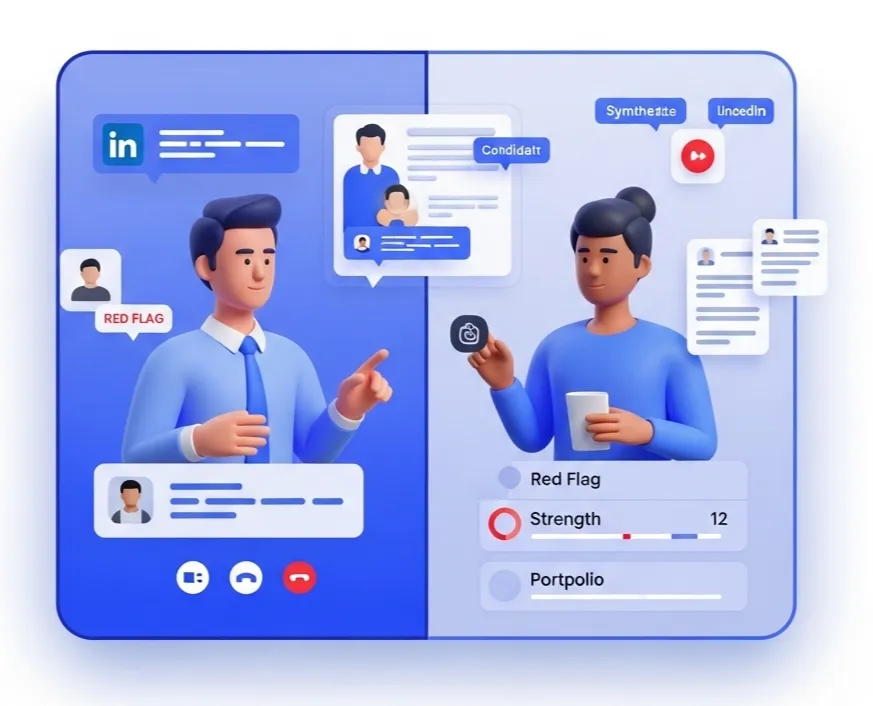
Template for a Candidate Insight Profile
Use a simple structure to organize the information you get back from the AI. This makes it easy to compare candidates at a glance.
- Overall Summary
A brief, two-sentence overview of the candidate's fit for the role. - Key Strengths (with Evidence)
Bulleted list of the top qualifications supported by specific examples from their resume. - Potential Gaps to Explore
Bulleted list of areas where their experience may not fully align with the job description. - AI-Suggested Interview Questions
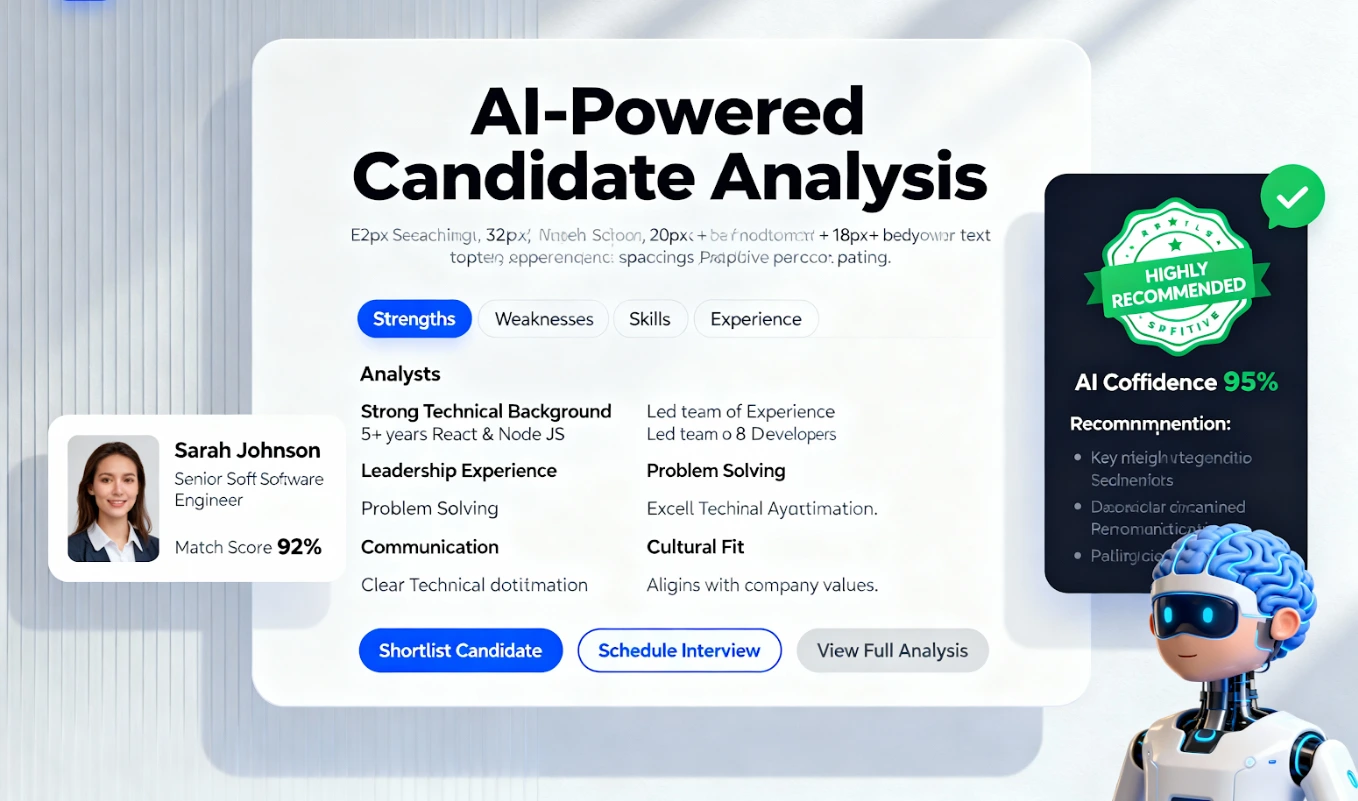
Specific questions designed to probe the potential gaps identified during the analysis. - Overall Match Score
A numeric or qualitative score representing their alignment with the core job requirements.
How HireZapp Automates This Entire Process
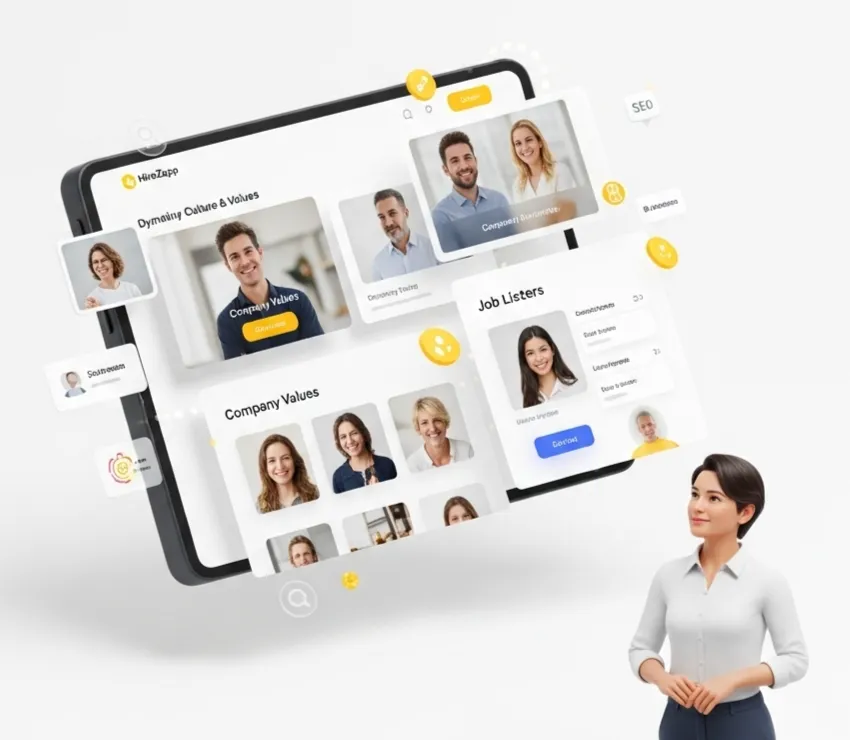
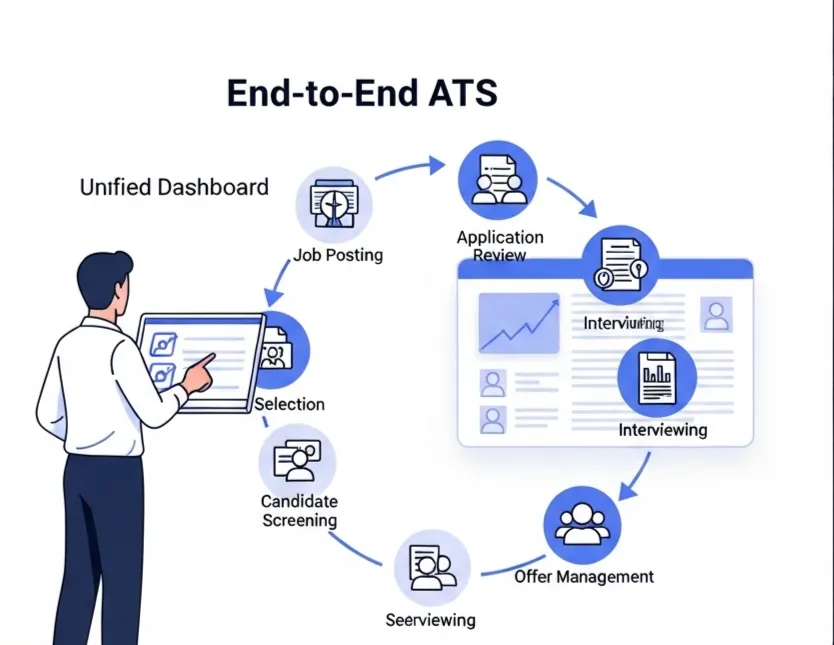
Manually copying and pasting into an AI tool works, but it can be slow. A dedicated platform like HireZapp builds this intelligence directly into your workflow, connecting every step from application to offer.
- AI Job Description and Job Forms
This creates a strong foundation, ensuring your analysis is based on a clear and relevant set of criteria from the very beginning. - Job Match Score and Candidate Quality Score
Instead of running prompts yourself, HireZapp automatically analyzes every applicant and provides an instant candidate quality score and match rating. - Integrated ATS Pipeline
All data, scores, and insights are stored directly on the candidate's profile within your pipeline, making it easy for the whole team to see. - Automated Follow-ups
Based on a candidate's score and stage, you can trigger automated emails to keep them engaged without extra work.
Automate AI Candidate Analysis.
Apply AI insights from this guide effortlessly. HireZapp automates strengths, weaknesses, and job match for precision hiring.
Common Mistakes to Avoid in AI Screening
AI is a powerful assistant, but it's not foolproof. Avoid these common errors to ensure your process is fair, effective, and human-centric.
- Relying 100% on AI output without any human oversight or review.
- Using generic prompts that produce vague and unhelpful summaries.
- Ignoring the ethical implications and potential for algorithmic bias.
- Failing to integrate the AI insights into your interview and decision-making process.
- Forgetting that AI is a tool to support, not replace, the human connection in recruiting.
- Not providing your team with clear guidelines on how to use these new tools responsibly.
What AI Analysis Alone Can't Solve
It's important to be realistic about what technology can and cannot do. An AI-driven process will not fix foundational hiring challenges.
- A vague or poorly defined job description.
- A weak employer brand that fails to attract qualified applicants.
- The need for human connection to assess culture fit and build rapport.
- A broken interview process that creates a poor candidate experience.
Move Faster with Objective Insights
Implementing an AI-assisted workflow for analyzing candidate strengths and weaknesses is about giving yourself a strategic advantage. It frees you from tedious manual review, reduces bias, and provides the objective data you need to build a winning team. By focusing your energy on the best-fit candidates, you can close roles faster and more confidently.
Frequently Asked Questions
1) What is candidate profiling AI?
Candidate profiling AI is the use of artificial intelligence to analyze a candidate's application materials, like resumes and cover letters. It identifies key skills, experiences, strengths, and potential weaknesses to create a structured summary for recruiters.
2) How do AI screening tools work?
Most AI screening tools use natural language processing (NLP) to read and understand text from documents. They compare the information against the job description's requirements to find patterns, measure alignment, and highlight the most relevant information for the hiring team.
3) Is using AI for candidate evaluation ethical?
It can be, but it requires careful implementation. Ethical use involves human oversight to check for bias, transparency with candidates about how technology is being used, and ensuring the final hiring decision is always made by a person, not a machine.
4) How does this improve the AI in recruiting process?
It improves the AI in recruiting process by adding speed and consistency to the top of the hiring funnel. It allows recruiters to handle higher application volumes without sacrificing quality, ensuring that no great candidate is overlooked due to human error or time constraints.
5) Can AI fully replace human recruiters?
No. AI is an assistive tool designed to handle repetitive, data-heavy tasks. It cannot replace the human judgment, empathy, and strategic thinking required for interviewing, negotiation, and building relationships with candidates.
6) What is an automated candidate assessment?
An automated candidate assessment is a system that automatically evaluates a candidate's profile against a set of predefined criteria. This often results in a score or rating that helps recruiters quickly prioritize who to contact first.
7) How do I integrate AI analysis into my current ATS?
The easiest way is to use a platform like HireZapp that has these features built-in. Alternatively, you can manually run analyses and copy the structured insights into the notes section of the candidate's profile in your existing ATS.