Lever vs HireZapp: What's Actually Included Before You Add the Extras
A factual look at Lever's pricing structure, tiered sourcing features, and add-on costs compared to HireZapp, for teams trying to figure out what they'd actually be paying for.


Lever gets recommended a lot, and for good reason. It's one of the few platforms that genuinely combines an ATS with a real CRM, built from the start for teams that aren't just managing applicants, they're nurturing a pipeline of people who haven't applied yet.
The part that's harder to find out upfront is what that combination actually costs once you're past the basic plan. So we looked into it.
What's Actually in the Core Plan
Lever's entry tier covers the fundamentals well: job postings, pipeline management, interview scheduling, and offer management, with basic CRM and nurture features included. For a small team, that typically runs somewhere between $4,000 and $8,000 a year, based on consistently reported buyer figures, since Lever doesn't publish pricing anywhere.
Here's the part worth knowing before that first sales call. Lever's CRM, called NurtureKit, genuinely does include native sourcing, multi-channel lead sourcing, a searchable talent database, and AI-powered talent rediscovery are real, built-in capabilities, not bolted on. The catch is in how much of it you get by default. The full NurtureKit experience, bulk outreach sequencing, engagement scoring, and automated re-engagement of past candidates, is described across multiple independent reviews as gated behind an advanced tier. The core plan includes the basics, the depth costs more.
Having a CRM and having the full version of that CRM turned on are two different line items.
Where the Bill Tends to Grow
Because pricing scales with total employee headcount, the cost moves with your company's size, not necessarily your hiring team's size or workload. At roughly 200 employees, a median negotiated contract reportedly lands around $12,000 a year before extras. At full enterprise scale, that range has been reported climbing past $60,000, with some figures reaching $140,000 or more.
Two specific add-ons are worth knowing about going in. Advanced Analytics is reportedly priced separately at $18 to $32 per employee per year, which for a 500-person company adds $9,000 to $16,000 a year on top of the base subscription. And implementation isn't included either, data migration from a previous ATS, custom workflow setup, and HRIS integration configuration are billed as separate packages, reportedly $5,000 to $25,000 for implementation alone, plus $3,000 or more for data migration depending on how much history needs to move over.
HireZapp's pricing works differently in structure, not just in number. There's a free forever plan with no credit card required, and beyond that, a platform fee plus credits tied to actual hiring activity. The bill moves with how much you're screening, not with how many people are on your payroll or which tier unlocks which feature.
| Lever | HireZapp | |
| Published pricing | None, custom quote only | Transparent, published online |
| Entry point (small team) | ~$4,000-$8,000/year | Free forever plan |
| What it scales with | Total employee headcount | Actual hiring activity |
| Full CRM/nurture sourcing | Gated behind advanced tier | Included on every plan |
| Advanced analytics | Separate add-on ($18-32/employee/year) | Included on every plan |
| Implementation costs | Billed separately ($5K-$25K+) | Not applicable, self-serve setup |
Get Full Sourcing Without the Tier Upgrade
Sourcing, screening, and analytics included from day one, no advanced tier, no implementation fee. See it free.
Where Sourcing Actually Plays Out
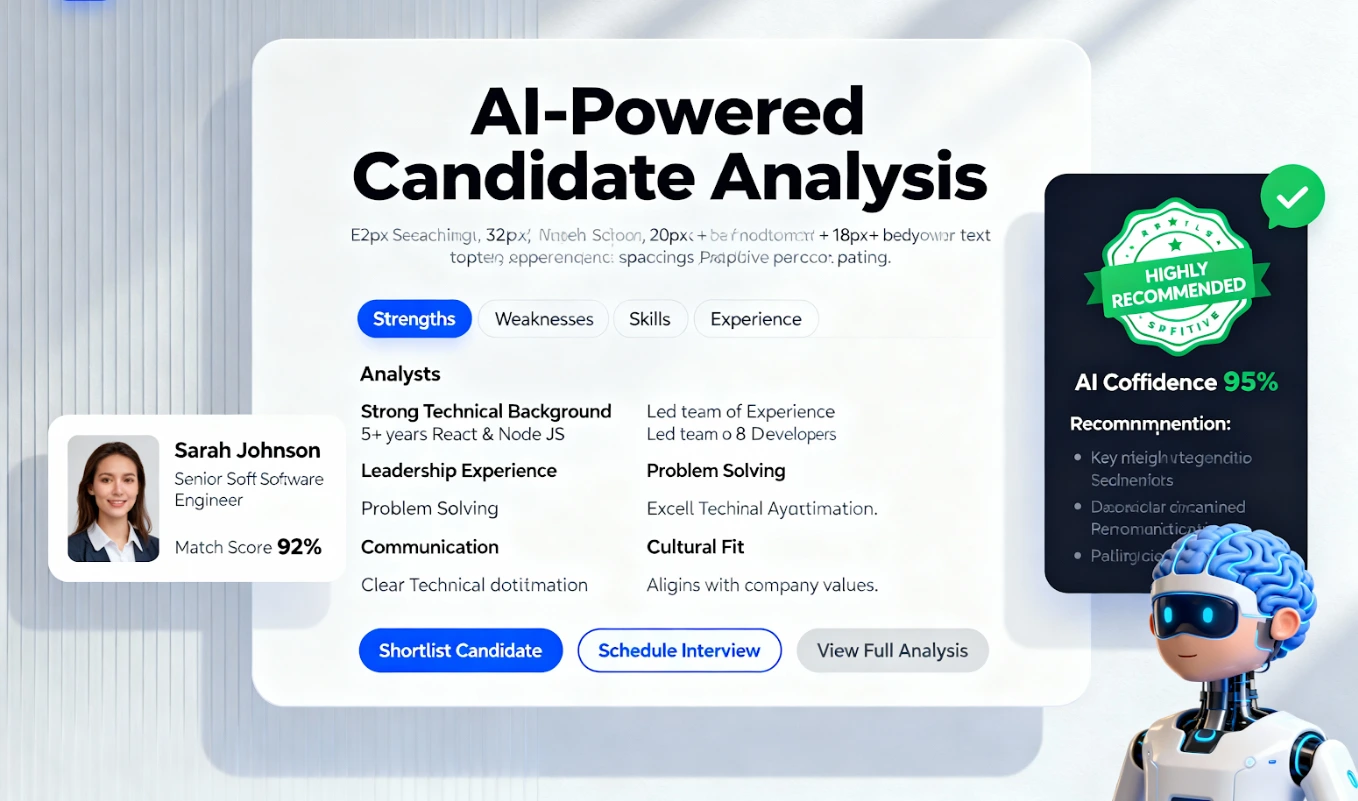
To be specific and fair here: Lever's sourcing capability is real, this isn't a platform that only manages inbound applicants. The question is how much of that capability sits on the entry tier versus how much requires upgrading. Bulk outreach at scale, automated re-engagement campaigns, and engagement scoring, the features that turn a candidate database into an active sourcing engine, are the parts reportedly reserved for the advanced tier.
HireZapp includes that depth from the start. Sourcing reaches across 100+ channels at once, including a database of over 2 million passive candidate profiles, college networks, and a Career Circle of professionals open to moving without actively job hunting, with Boolean search strings generated automatically for specific skill combinations, all included regardless of plan.
To Be Fair to Lever
None of this means Lever is a weak platform. For a Series B or C company with a dedicated recruiting team that's actively building long-term candidate relationships, the combined ATS and CRM approach is genuinely well suited to that work, and for teams already doing significant proactive sourcing, several reviewers note Lever's all-in-one approach can come out cheaper than paying for a separate ATS plus a standalone CRM tool.
Where HireZapp Is Built For
If the team is smaller, the recruiting function isn't fully built out yet, or the budget can't absorb a base subscription plus an advanced tier plus analytics add-ons plus implementation fees before the first hire is even made, the math shifts. HireZapp is built for that earlier stage, full sourcing and AI screening included from the start, with pricing that scales alongside actual hiring rather than company headcount or which tier you've unlocked.
The most expensive plan is the one priced for a team you don't have yet.
Frequently Asked Questions
Q1) Does Lever include full sourcing and CRM features on its base plan?
Lever's core plan includes basic CRM and nurture capabilities, with native sourcing tools like a searchable talent database. The full NurtureKit experience, including bulk outreach sequencing, engagement scoring, and automated re-engagement campaigns, is gated behind an advanced pricing tier. HireZapp includes full sourcing across 100+ channels on every plan, including a free forever plan.
Q2) Why doesn't Lever publish its pricing?
Lever uses a fully custom, quote-based pricing model based on total employee headcount, hiring volume, and which feature tiers are needed, so no fixed number applies across companies. Reported entry pricing for small teams ranges from $4,000 to $8,000 a year. HireZapp publishes pricing transparently using an ROI calculator and offers a free forever plan with no sales call required.
Q3) Are there extra costs with Lever beyond the subscription?
Yes. Advanced analytics is reportedly priced separately at $18 to $32 per employee per year, and implementation, including data migration and custom workflow setup, is billed separately from the subscription, reportedly $5,000 to $25,000 for implementation alone. HireZapp's sourcing, screening, and analytics are included without separate implementation or add-on fees.
Q4) How does Lever's pricing scale as a company grows?
Lever's cost is tied to total employee headcount rather than recruiting team size or hiring volume, so company growth increases the bill even without a corresponding increase in hiring activity. HireZapp's pricing scales with actual screening and hiring activity instead.
Q5) Does HireZapp source candidates who haven't applied yet?
Yes. HireZapp actively sources across 100+ channels, including a database of over 2 million passive candidates, with this capability included on every plan rather than reserved for an upgraded tier.
Q6) Who is HireZapp the better fit for compared to Lever?
HireZapp tends to be the stronger fit for smaller teams or companies still building out their recruiting function, where full sourcing and AI screening need to be included from day one without paying for advanced tiers, analytics add-ons, or separate implementation packages. Lever remains a strong option for larger teams with a dedicated recruiting function and the budget to unlock its full CRM depth.