Follow-Up Cadence: When Does "Persistent" Become "Annoying"?
Every recruiter knows the feeling. You had a great conversation with a candidate, but now it's just silence. You want to follow up, but you're worried. When does helpful persistence turn into an annoying distraction? Getting this balance wrong can cause top talent to lose interest and is a key reason for high candidate drop-off.

Recruiter Follow-Up Cadence: How to Stay Persistent Without Being Annoying
Every recruiter knows the feeling. You had a great conversation with a candidate, but now it's just silence. You want to follow up, but you're worried. When does helpful persistence turn into an annoying distraction? Getting this balance wrong can cause top talent to lose interest and is a key reason for high candidate drop-off.
A thoughtful and consistent follow-up process does more than just fill a role. It builds trust, strengthens your employer brand, and shows candidates you respect their time. The right system helps you close roles faster, not by pushing, but by guiding.
What's Really Behind Bad Follow-Ups?
When candidates feel ignored or spammed, it is rarely intentional. It is usually a symptom of a broken process. Many recruiters notice the same underlying issues causing communication breakdowns.
- No clear communication plan
Teams follow up whenever they remember, leading to inconsistent timing. - Relying on manual reminders
Using sticky notes, spreadsheets, or calendar alerts that are easy to miss. - Using generic, impersonal messages
Sending the same exact template to every candidate for every role. - Forgetting which stage each candidate is in
Mixing up candidates who have just applied with those who have completed an interview. - Lack of team visibility
Multiple team members contact the same person with different information.
A Repeatable Recruitment Follow-Up Strategy That Works
Creating a great candidate experience does not require more hours in your day. It requires a smarter plan. The right recruitment follow-up strategy is built on clarity and automation, ensuring every candidate feels valued without overwhelming your team.
- Map your hiring stages clearly.
Define every step from “Application Received” to “Offer Signed” so you know when to communicate. - Set a timeline for each stage.
Decide on the ideal candidate communication frequency, such as a confirmation within 24 hours and an update every 3-5 business days. - Draft personalized message templates.
Create a core message for each stage that you can quickly customize with role-specific details. - Automate the predictable touchpoints.
Use a system to automatically send application confirmations and rejection notices. - Plan for the “no-update” update.
If a decision is delayed, have a template ready to proactively inform candidates and manage expectations. - Define your stop-follow-up rule.
Decide on a reasonable limit, like three follow-up attempts after an interview with no response. - Track basic engagement metrics.
Monitor reply rates to your follow-ups to see what messages are working and which ones are not.
Follow-Up Templates You Can Adapt Today
Clear, concise, and respectful communication is key. Here are two simple templates you can use to improve your follow-up process. These serve as excellent starting points for your library of recruiter email templates.
Recruiter reality: “I used to spend hours just trying to keep candidates warm. Having a few solid templates for the most common situations changed everything. It saved me time and made our company look way more professional.”
<b>Template 1: Post-Interview Check-In (2-3 days after)</b>
Hi [Candidate Name],
Thanks again for speaking with us about the [Job Title] role. The team enjoyed our conversation. We are finalizing next steps and expect to have an update for you by [Date or Day]. We will be in touch then.
<b>Template 2: The “Delay” Update</b>
Hi [Candidate Name],
Just a quick note on your application for the [Job Title] role. Our decision-making process is taking a little longer than planned. We appreciate your patience and will reach out with a firm update by the end of this week.
How HireZapp Automates Your Follow-Up Cadence
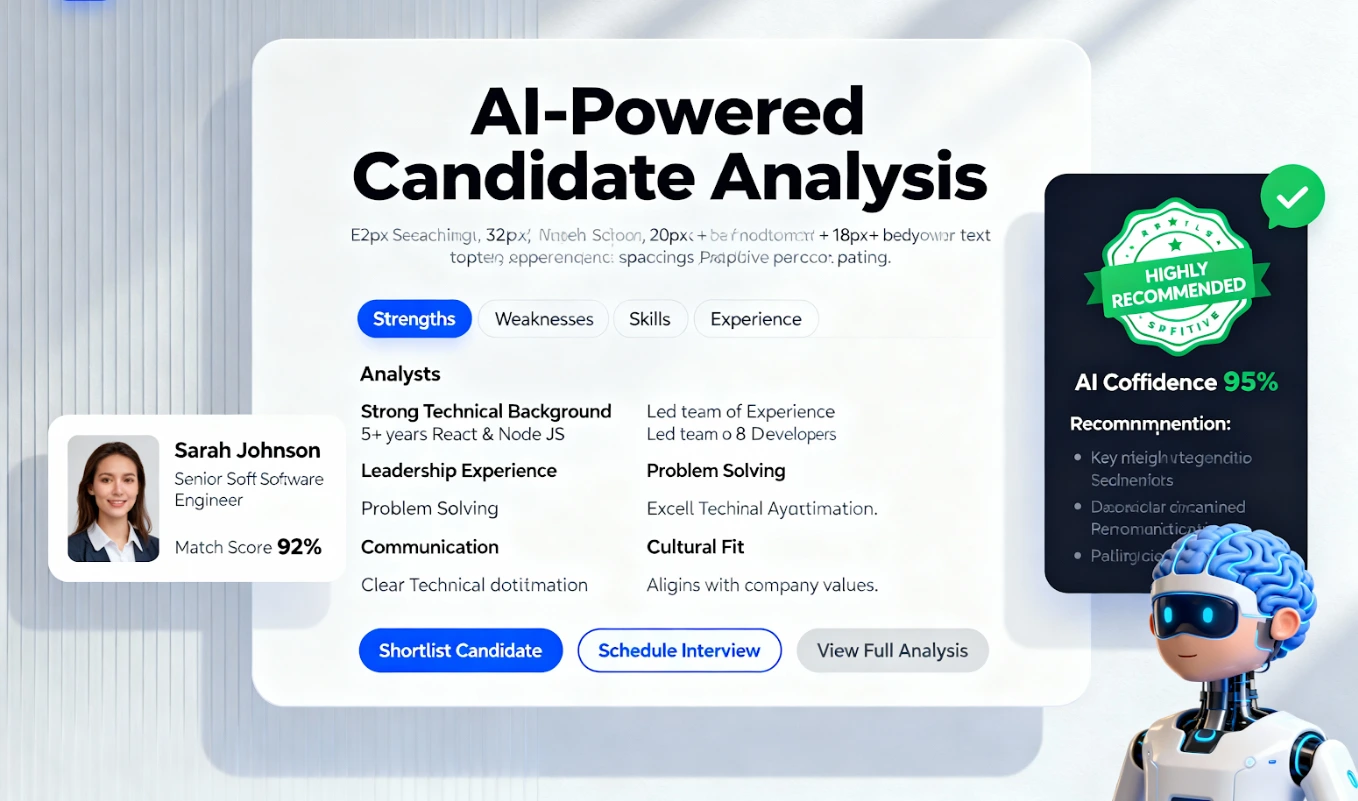
Building and managing a perfect follow-up system manually is nearly impossible, especially as you scale. This is where an automated candidate follow up system becomes essential. HireZapp provides simple tools to keep candidates warm without the manual effort.
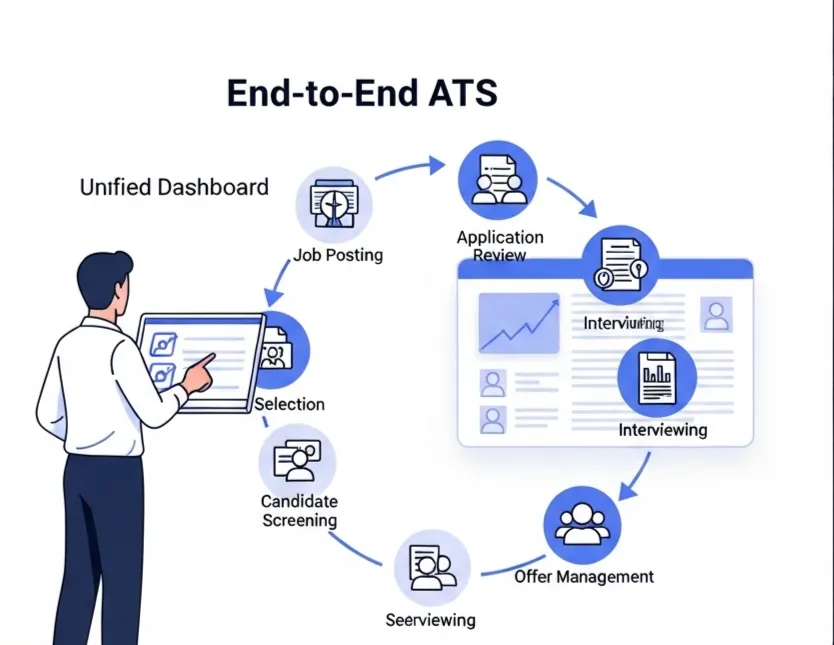
Our platform helps you convert more applicants into hires by automating communication at every stage. Here is how our ATS follow up features map to a better process:
- Automated Follow-ups
Send timed, personalized messages at each stage of your ATS pipeline so no candidate is ever left in the dark. - Customizable Templates
Build your library of branded messages for different roles and stages to ensure consistency and save hours of writing. - Unified Candidate View
See all communication history in one place, so your team never sends mixed signals or asks the same question twice. - ATS Pipeline Management
Trigger messages automatically as you move candidates from one stage to the next, like from “Interview” to “Offer.”
Automate Follow-Ups. Engage Candidates. Never Annoy.
Stop guessing. HireZapp's AI optimizes your candidate follow-up cadence, ensuring engagement without alienation.
Common Mistakes That Sabotage Candidate Experience
Even with the right tools, small mistakes can make your follow-ups feel intrusive. Avoiding these common errors is critical for maintaining a positive employer brand.
- Sending messages at odd hours, like late at night or on a weekend.
- Using vague subject lines that get lost in a crowded inbox.
- Forgetting to personalize the message beyond the candidate's first name.
- Failing to provide a clear next step or an expected timeline.
- Going completely silent for more than a week without any update.
- Asking for information the candidate has already provided in their application.
What a Smart Follow-Up Cadence Won't Fix
A great communication strategy is powerful, but it is not a silver bullet. Being honest about its limitations helps you focus on fixing the root causes of hiring challenges.
- A non-competitive salary or benefits package.
- A confusing, multi-step application process that causes drop-offs.
- A negative employer reputation or poor company reviews online.
- A job description that misrepresents the day-to-day duties of the role.
Frequently Asked Questions
1) How often should I follow up with a candidate?
A good rule of thumb is to provide an update every 3-5 business days after an interview. If there are no new developments, a brief “no-update” message is still better than silence. Avoid following up daily, as that is often perceived as annoying.
2) What are some candidate follow up best practices after an interview?
Send a thank you note within 24 hours. Provide a clear timeline for the next steps. If a delay occurs, communicate it proactively. Personalize your message by referencing a specific point from your conversation to show you were listening.
3) Can automation really feel personal to a candidate?
Yes, if done correctly. Personalization tokens like the candidate's name and job title are just the start. The key is to create templates that sound human and reflect your company's voice. The consistency of automation often feels more respectful than sporadic, manual messages.
4) What's the best way to handle a candidate who isn't responding?
After two or three attempts over a week or two, it is best to send a final, polite message. State that you are assuming they are no longer interested but invite them to reach out if that changes. This professionally closes the loop without being pushy.
5) How does a good follow-up strategy help reduce candidate drop-off?
Regular communication keeps candidates engaged and informed. It shows them you are organized and that you value their time. This positive experience makes them less likely to accept a competing offer or withdraw from your process due to uncertainty.
6) What metrics should I track for my follow-up cadence?
Start with simple metrics like reply rates to your follow-up emails and time-to-hire. You can also track candidate drop-off rates at different stages of your pipeline to see where your communication might be breaking down.
7) Do I need an ATS for a good follow-up cadence?
While you can manage it manually for one or two roles, it becomes unmanageable at scale. An ATS with automated messaging features is the most effective way to ensure every candidate receives timely, consistent, and personalized communication without human error.", "keywords_used": [ "recruiter follow up cadence", "candidate communication frequency", "recruitment follow up strategy", "recruiter email templates", "automated candidate follow up", "ATS follow up features", "candidate experience follow up", "candidate follow up best practices" ] }