Google Forms vs. Proper Job Applications: Why Your Completion Rate Is Suffering
You are spending good money on job ads, getting clicks, and then... nothing. Talented candidates land on your application form and vanish. This silent drop-off is more than just frustrating; it costs you qualified hires and wastes your ad spend. The problem often isn't the candidates, but the clunky tool you are using. Improving your job application completion rate starts with ditching generic forms for a professional process.
If you rely on free tools, you are likely creating a poor first impression that pushes the best talent away before you even know they exist. Let's break down why this happens and how to fix it.
The Hidden Problems with Using Google Forms for Job Applications
While free and familiar, using Google Forms for hiring creates several roadblocks that cause candidates to abandon their applications. It sends a message that your hiring process is an afterthought, which top performers notice immediately.
Recruiter Reality: “I used to get so many half-finished applications and spam resumes through my Google Form. I had no way to track anyone, and it looked so unprofessional. It was chaos.”
Here are the core limitations you face:
- It feels generic and untrustworthy.
A plain Google Form lacks your company's logo, colors, and branding, which can feel impersonal or even like a scam to cautious applicants. - The mobile experience is terrible.
Most candidates apply on their phones. A form that is not designed for mobile screens is clunky, hard to navigate, and a major reason for drop-offs. - You cannot track or manage candidates.
All submissions land in a spreadsheet. There is no pipeline, no status tracking, and no way to manage a candidate's journey effectively. - Screening is completely manual.
You have to sift through every single entry, with no way to automatically filter or score applicants based on their answers. - Follow-up is a nightmare.
There is no automation for sending confirmation emails or updates, leaving candidates in the dark and damaging your reputation.
A 7-Step Playbook to Improve Application Drop Off
Building a better application process is not about complexity; it is about removing friction. A purpose-built system makes applying easy for candidates and managing them even easier for you. Follow these steps to create an application that people actually finish.
- Start with your brand.
Add your company logo and colors. A branded job application immediately builds trust and shows you are a professional organization. - Keep the form short.
Only ask for essential information upfront: contact details, a resume, and a few critical screening questions. You can gather more later. - Guarantee a mobile-first design.
More than half of all job applications are now submitted via mobile. Your form must be easy to read, tap, and complete on a small screen. - Set clear expectations.
Tell the candidate how long the application should take. A simple message like “This should take about 3 minutes” can make a huge difference. - Connect it directly to a pipeline.
Ensure every submission automatically creates a candidate profile in an Applicant Tracking System (ATS). This ends spreadsheet headaches for good. - Ask smarter questions.
Use questions that help you screen, not just collect data. This respects the candidate's time and gives you valuable insights. - Automate the confirmation email.
As soon as a candidate hits “submit,” they should receive an email confirming you got their application. This simple step is a huge part of a positive candidate experience.
Questions That Actually Help You Screen
Replace generic questions with ones that give you a real signal. Here are five examples you can adapt for your next role. These help you understand a candidate's motivation, logistics, and basic qualifications right away.
- What specifically about this role and our company made you want to apply?
- Based on the job description, which of your past experiences is most relevant?
- What are your salary expectations for this position? (Please provide a range.)
- What is your earliest possible start date if you are offered the role?
- Are you authorized to work in [Country/Location] without sponsorship?
How to Build a High-Converting Application Process with HireZapp
Fixing your application process should not require a massive budget or an IT team. HireZapp provides the tools to replace disconnected forms with a seamless, professional hiring workflow. Our platform directly addresses the causes of application drop-off.
- AI JD + Job Form Generation
Instantly create a complete, branded, and mobile-friendly job post and application form. Our job form builder does the heavy lifting for you. - Branded Careers Page & Job Posts
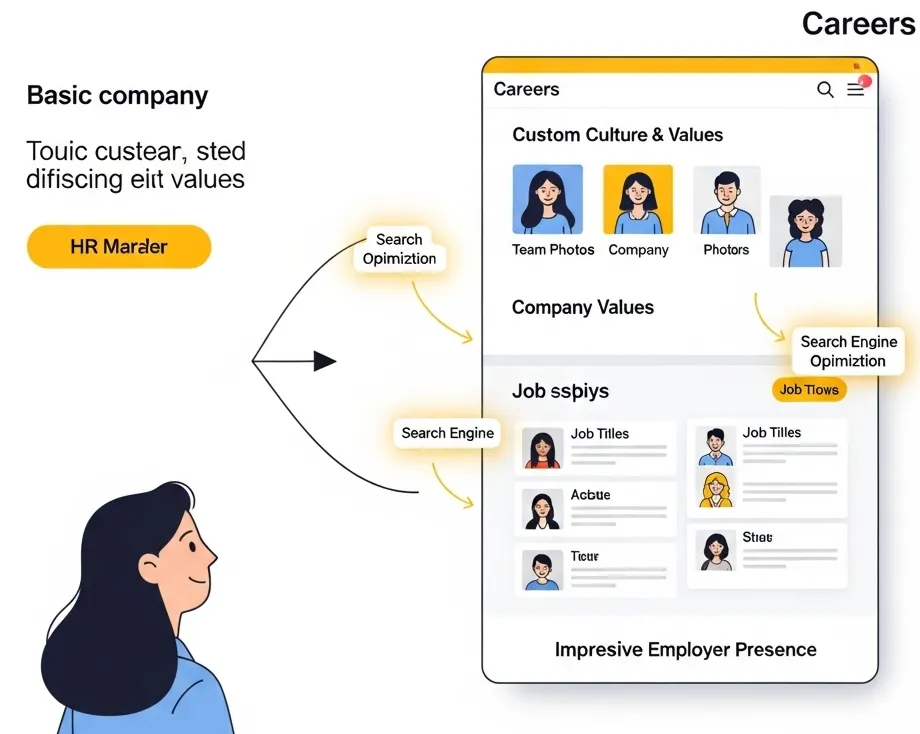
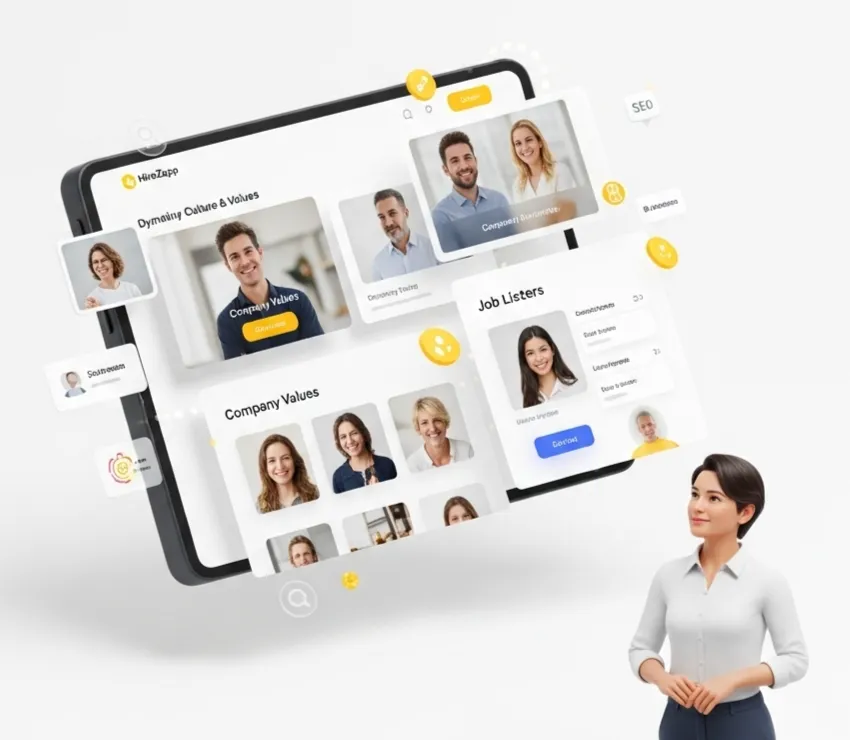
Establish a professional presence that gives candidates the confidence to apply, knowing your company is legitimate and values their time. - ATS Pipeline
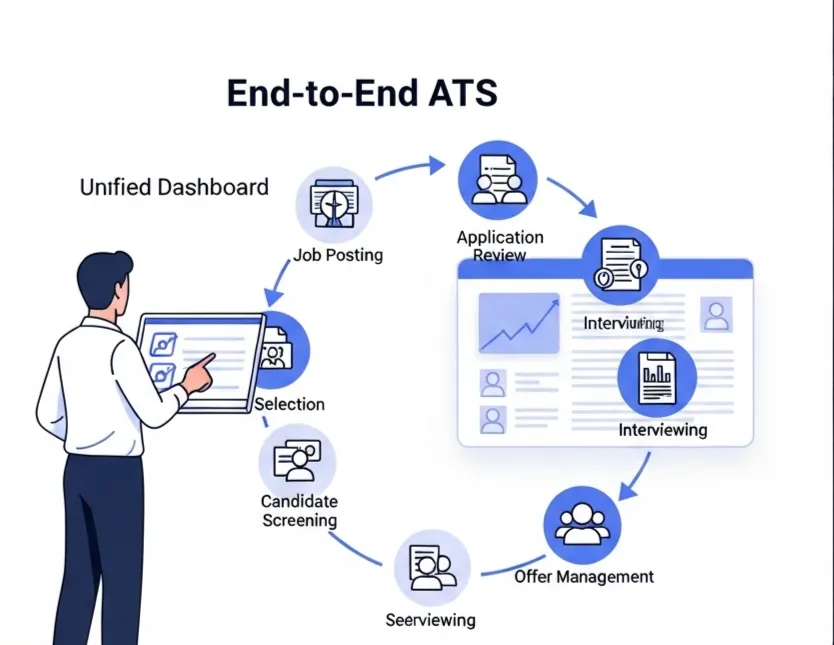
Forget spreadsheets. Every applicant automatically appears in a simple, visual pipeline, so you can track them from application to offer. - Automated Follow-ups
Ensure no candidate is left wondering. Set up instant confirmation emails and simple follow-ups to keep your top choices engaged. - Job Match Score
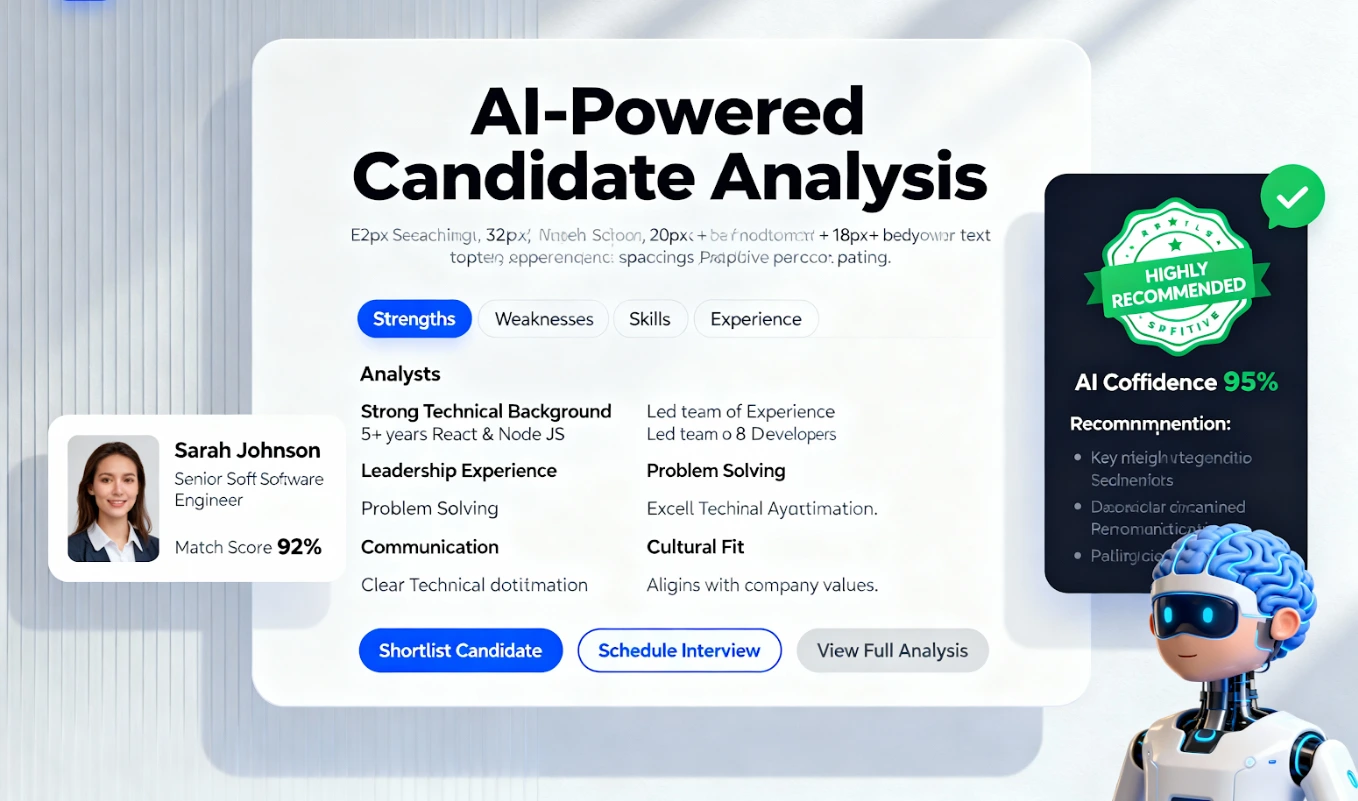
Our AI instantly scores and ranks candidates based on your job description, so you can focus your time on the most qualified people first.
Common Mistakes That Sabotage Your Applicant Conversion Rate
Even with better tools, small mistakes can still discourage candidates. Watch out for these common missteps that create unnecessary friction and lead to a poor candidate experience.
- Asking for a cover letter as a required field on the initial application.
- Forcing candidates to create a user account and password just to apply.
- Linking to a generic “Thank You” page with no information on next steps.
- Ignoring the mobile experience and never testing it on your own phone.
- Failing to communicate at all after an application is submitted.
- Requiring candidates to re-enter all the information that is already on their resume.
What a Better Application Form Can't Solve
Optimizing your application form is a powerful step, but it is important to be realistic. A great form is part of a larger process, and it cannot fix foundational issues with the role or company itself. Be aware that it will not solve:
- A confusing, vague, or unappealing job description.
- A salary and benefits package that is far below the market rate.
- A negative company reputation or poor employee reviews online.
- An interview process that is excessively long, disorganized, or disrespectful.
Stop Losing Applicants: Boost Your Completion
Ditch Google Forms. HireZapp's AI-powered forms optimize candidate experience, boosting completion rates and hiring ROI.
Trusted by 200+ recruiters
|Backed by AWS & NVIDIA
Frequently Asked Questions
1) What is a good job application completion rate?
While it varies by industry, many recruiters aim for a completion rate above 50%. If your rate is significantly lower, it is a strong signal that your application form is too long, complicated, or not mobile-friendly.
2) How can I reduce application abandonment?
To reduce application abandonment, shorten your form to the essentials, ensure it works perfectly on mobile devices, remove any requirements to create an account, and provide clear instructions and time estimates.
3) Is it unprofessional to use Google Forms for job applications?
For many professional roles, yes. It can signal that the company is not invested in its hiring process. A branded application page inspires more confidence and attracts higher-quality candidates who expect a professional experience.
4) What are the key features of an ATS job application form?
A true ATS job application form integrates directly with a candidate management system, is branded with your company logo, is mobile-responsive, and allows for automated communication and screening questions.
5) How do online job application best practices impact candidate experience?
Following online job application best practices directly improves the candidate experience by showing respect for their time. A simple, fast, and clear process leaves a positive impression, even if the candidate is not hired.
6) Can a branded job application really make a difference?
Absolutely. A branded application page confirms to the candidate that they are in the right place and applying to a legitimate company. It is a critical element of trust and professionalism in the hiring funnel.
7) Why is a mobile-friendly application so important today?
A significant majority of job seekers, especially in tech and creative fields, browse for and apply to jobs on their smartphones. If your application is not easy to complete on a small screen, you are likely losing a large portion of your potential candidates.