Application Completion Rate: How to Reduce Abandonment
You spend time and money getting great candidates to your job posts, only to see them vanish before they hit “submit.” This quiet drop-off is more than just a frustrating metric; it’s a leak in your hiring funnel that costs you qualified talent and weakens your employer brand. Improving your application completion rate is one of the fastest ways to turn more applicants into hires without increasing your budget.

How to Drastically Reduce Application Abandonment in 2026
You spend time and money getting great candidates to your job posts, only to see them vanish before they hit “submit.” This quiet drop-off is more than just a frustrating metric; it’s a leak in your hiring funnel that costs you qualified talent and weakens your employer brand. Improving your application completion rate is one of the fastest ways to turn more applicants into hires without increasing your budget.
Fixing this problem means creating a smoother, more respectful process for candidates. The result is a stronger talent pipeline, a faster time-to-hire, and a better reputation in the market.
Understanding Common Applicant Drop-Off Reasons
Before you can fix the leak, you need to know what’s causing it. Many recruiters notice the same issues popping up again and again. These small frustrations add up and cause great candidates to abandon the process.
Recruiter reality: “I thought more questions meant better screening. I was just screening out the busy, high-quality candidates who didn’t have 30 minutes to spare for a form that asked for the same information three times.”
- Length and complexity
Forms that take more than a few minutes to complete are a major cause of abandonment. - Mobile-unfriendly design
If applicants have to pinch and zoom to fill out your form on their phone, many will simply give up. - Mandatory account creation
Forcing candidates to create a username and password before they can even apply adds a significant barrier. - Repetitive data entry
Asking candidates to upload a resume and then manually type the same work history is a top complaint. - Unclear instructions or errors
Confusing questions or technical glitches can quickly lead to frustration and a closed browser tab. - Lack of transparency
Not telling candidates how long the process will take or what the next steps are creates uncertainty.
Your Playbook to Reduce Application Abandonment
Optimizing your application is a straightforward process. By following these steps, you can create a system that respects candidate time and improves your entire candidate experience funnel.
- Walk through your own application. Go to your careers page and apply for one of your own jobs on a mobile device to feel the friction yourself.
- Remove every non-essential field. If you don't need the information for the initial screening, save it for a later stage.
- Set a clear time expectation. Add a simple note at the top, like “This application takes about 3 minutes to complete.”
- Eliminate mandatory account creation. Allow candidates to apply as a guest or with their LinkedIn or GitHub profile.
- Automate data parsing. Use a tool that can pull key information directly from an uploaded resume to pre-fill fields.
- Add a progress bar. Show applicants exactly where they are in the process so they know how much is left.
- Confirm submission instantly. Send an automated email that confirms you received their application and outlines the next steps.
A Checklist for the Ideal Application Process
Use this simple checklist to audit your current process or build a new one. Your goal is to optimize job application form flow to be as seamless as possible.
- Takes under 5 minutes to complete
- Fully responsive and easy to use on a mobile phone
- Requires 5-7 essential fields at most
- Allows resume/profile upload to auto-fill information
- Does not require creating an account and password
- Clearly states what to expect after submitting
- Sends an immediate confirmation email
Where HireZapp Fits Into Your Hiring Funnel Optimization
Manually building and managing a frictionless application process is time-consuming. HireZapp provides the tools to automate this, helping you convert more applicants into candidates without the technical overhead. Our platform is designed to improve your hiring funnel optimization from the very first click.
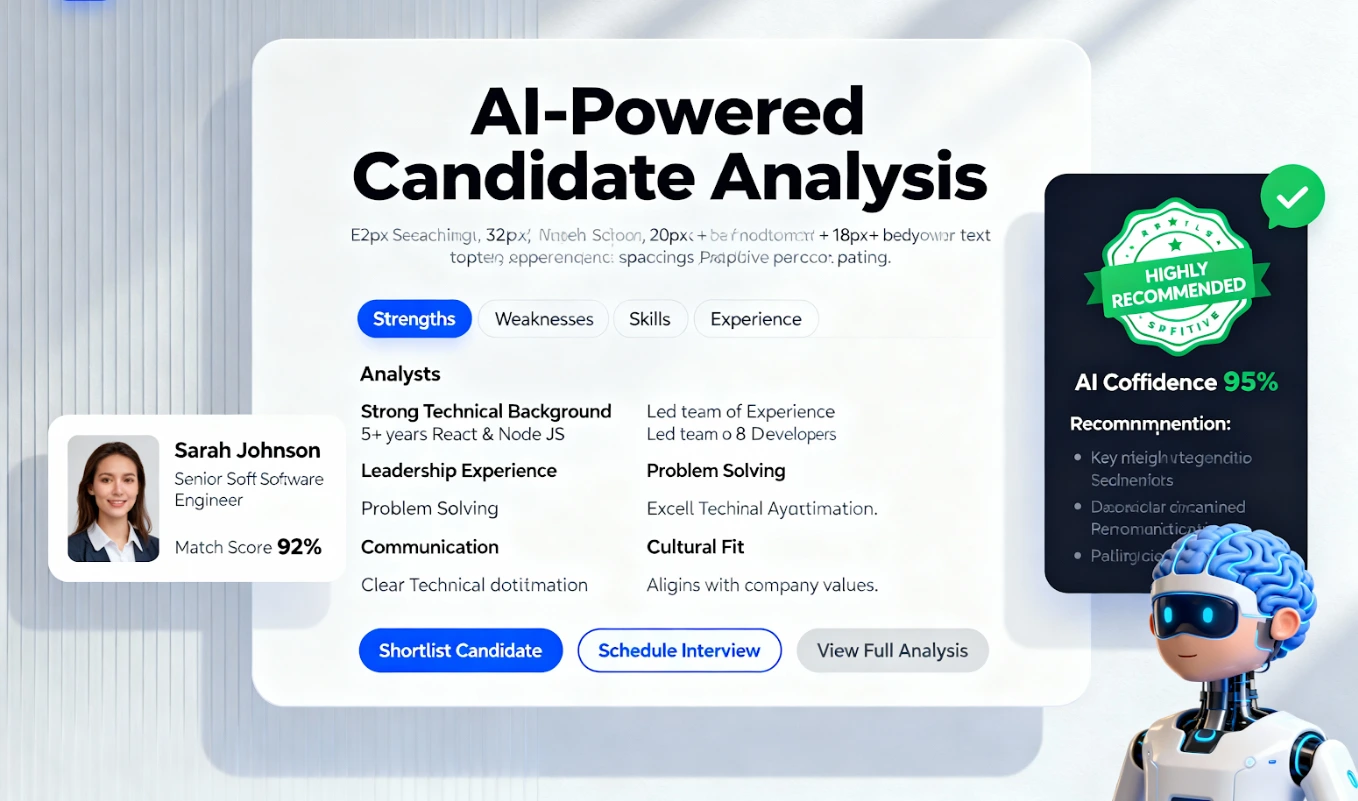
- AI JD and Job Form Generation
Automatically create concise, mobile-friendly job forms based on your job description, asking only the most critical questions. This is a core feature of our AI job application forms. - Multi-channel Candidate Screening
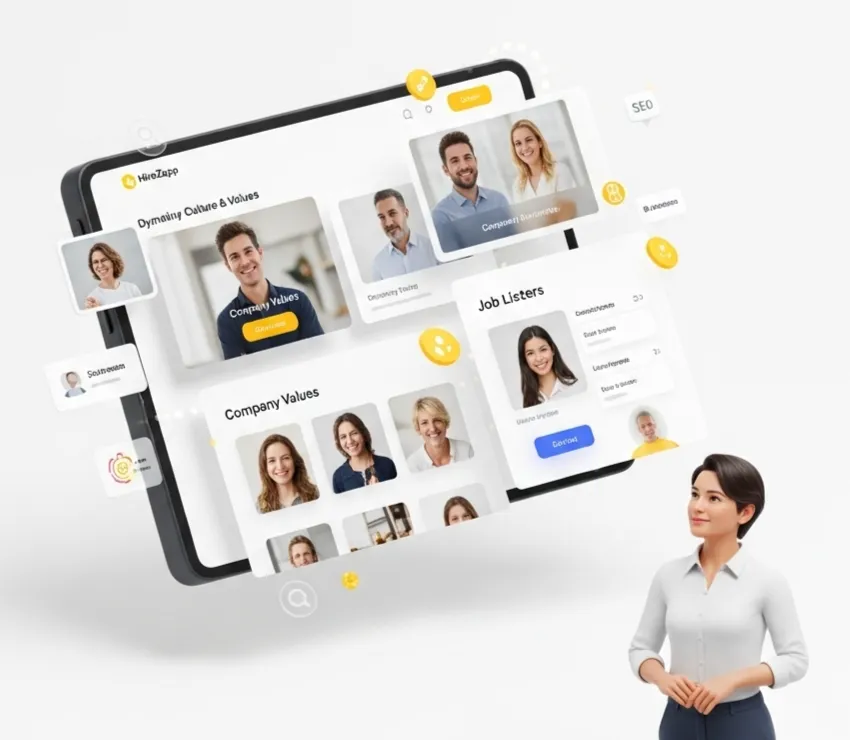
Candidates can apply using profiles like LinkedIn or GitHub, which auto-fills key data and saves them from tedious manual entry. - Employer Branding Suite
Ensure every job post, form, and communication reflects your brand, building trust and professionalism from the start. - Automated Follow-ups
Instantly send branded confirmation emails and follow-up messages, so candidates always know where they stand.
Mistakes to Avoid When Optimizing Your Application
Even with the best intentions, small mistakes can undermine your efforts. Watch out for these common missteps that keep teams stuck with high abandonment rates.
- Forgetting to test the application on different devices (iOS, Android).
- Asking for references or detailed salary history on the initial application.
- Linking to a broken or outdated application form from a job board.
- Using a generic, unbranded form that feels untrustworthy.
- Failing to communicate the next steps after a candidate applies.
- Assuming your ATS application process is already user-friendly without testing it.
What a Perfect Application Process Can't Solve
A great application experience is crucial, but it’s only one part of the hiring puzzle. It's important to be honest about what it won’t fix on its own.
- A non-competitive salary or benefits package.
- A vague or uninspiring job description.
- A negative employer reputation or poor company reviews.
- A slow or non-existent follow-up from your recruiting team.
Build a Funnel, Not a Barrier
Ultimately, your application form should be a gateway, not a gatekeeper. By focusing on speed, clarity, and respect for the candidate's time, you not only reduce job application drop-off but also attract higher-quality talent. A simple, modern process shows candidates you are a simple, modern employer.
Ready to stop losing great candidates to bad forms? See how HireZapp can help you build a better hiring funnel today.
Stop Application Drop-Off, Instantly.
Automate perfect job forms with AI. HireZapp boosts completion rates and secures top talent effortlessly.
Frequently Asked Questions
1) What is a good application completion rate?
While benchmarks vary by industry and role complexity, many teams aim for a completion rate of 70% or higher. The most important thing is to measure your own rate and focus on consistent improvement.
2) How long should an online job application be?
Ideally, an initial application should take less than five minutes to complete. The goal is to capture enough information for an initial screen, not to gather every detail upfront.
3) Why is mobile optimization so important for applications?
A large and growing number of candidates search for and apply to jobs on their smartphones. A poor mobile experience is a primary driver of application abandonment.
4) How can I measure my application drop-off rate?
You can calculate this by dividing the number of submitted applications by the number of people who started the application, then subtracting that result from 1. A modern ATS like HireZapp often tracks this for you.
5) Can a legacy ATS application process hurt completion rates?
Yes. Older or poorly configured Applicant Tracking Systems often have clunky, multi-page forms that are not mobile-friendly and require account creation, which are major reasons for applicant drop-off.
6) How do AI job application forms work?
AI tools analyze a job description to identify the most critical skills and qualifications. They then generate a short, relevant application form that asks only the most important screening questions, saving recruiters time and improving the candidate experience.
7) What's the link between the candidate experience funnel and employer brand?
Every interaction a candidate has with your company shapes their perception of your brand. A frustrating application process suggests the company may be disorganized or doesn't value people's time, damaging your reputation even among those who don't get the job.
8) How does application abandonment affect my recruitment conversion rate?
High abandonment directly lowers your recruitment conversion rate at the top of the funnel. It means fewer qualified people are entering your pipeline, forcing you to spend more on sourcing to achieve the same number of hires.