How Great Candidate Communication Builds Your Employer Brand
Top candidates are dropping out of your hiring process. Your job ads get plenty of clicks, but few quality applications are completed. The reason is often simpler than you think: communication. How you talk to candidates (or fail to) directly shapes how they see your company. A strong link between your candidate communication employer brand is no longer a nice-to-have, it's essential for attracting and hiring the best talent.
When candidates feel ignored or confused, they assume that's what it's like to work for you. They move on, and sometimes they share their poor experience online. But with a clear plan, you can turn communication into your most powerful recruiting tool, converting more applicants into happy hires.
Why Most Hiring Communication Fails
Many recruiters find themselves overwhelmed, leading to communication gaps that damage their brand. These issues are incredibly common and often unintentional.
- The Application Black Hole. Candidates apply and hear nothing back for weeks, not even an automated confirmation.
- Vague Timelines. You tell a candidate you will be in touch "soon" without setting a clear expectation for when.
- Impersonal, Generic Messages. Using the same copy-paste template for every role and every candidate feels robotic.
- Radio Silence Between Stages. The gap between a phone screen and a team interview can feel like an eternity to an anxious applicant.
- Ghosting Rejected Candidates. Failing to formally reject applicants leaves them with a lasting negative impression of your company.
- Inconsistent Information. Different recruiters or hiring managers provide conflicting details about the role or process.
A Step-by-Step <strong>Hiring Communication Plan</strong>
Building a great candidate experience does not require a huge team, just a thoughtful process. Follow these steps to create a system that works.
- Map Your Candidate Journey. Identify every single interaction point from application to offer. Note where candidates currently experience delays or confusion.
- Create Standard Templates. Write clear, branded email templates for the most common touchpoints. We provide some examples below.
- Set Response Time Goals. Establish a rule for your team, such as acknowledging every application within 24 hours.
- Personalize Key Messages. While templates save time, add a personal line to interview invites or offers to show you are paying attention.
- Automate What You Can. Use a system to send automated confirmations and updates so no candidate is ever left wondering about their status.
- Always Close the Loop. Send a polite and professional rejection email to every candidate who does not move forward. It shows respect for their time.
- Ask for Feedback. Periodically survey candidates on their experience to find new ways to improve your process.
<strong>Candidate Experience Email Templates</strong> You Can Use Today
Clear, concise, and human-sounding templates are the backbone of a great communication strategy. Here are a few examples to get you started.
Application Received Confirmation
Subject: We've received your application for the [Job Title] role at [Company Name]
Hi [Candidate Name],
Thanks for applying for the [Job Title] position. We've received your application and our team will review it shortly.
If your qualifications match our needs, we will reach out within [Number] business days to schedule the next steps. Either way, we will be sure to keep you updated on your status.
Best,
The [Company Name] Team
Invitation to Interview
Subject: Invitation to Interview for the [Job Title] role
Hi [Candidate Name],
Our team was impressed with your background and we would like to invite you for an interview to discuss the [Job Title] position.
The next step is a [Duration, e.g., 30-minute] video call with [Interviewer Name, Title]. Please use this link to book a time that works for you: [Scheduling Link]
We look forward to speaking with you!
Best,
The [Company Name] Team
Polite Rejection (Post-Interview)
Subject: Update on your application for the [Job Title] role
Hi [Candidate Name],
Thank you again for taking the time to speak with our team about the [Job Title] role. We really enjoyed learning more about your experience.
After careful consideration, we have decided to move forward with other candidates whose skills more closely matched our needs for this particular position. This was a difficult decision, and we sincerely appreciate your interest in [Company Name].
We wish you the best of luck in your job search.
Best,
The [Company Name] Team
How to Automate and Personalize Your Candidate Communication Employer Brand
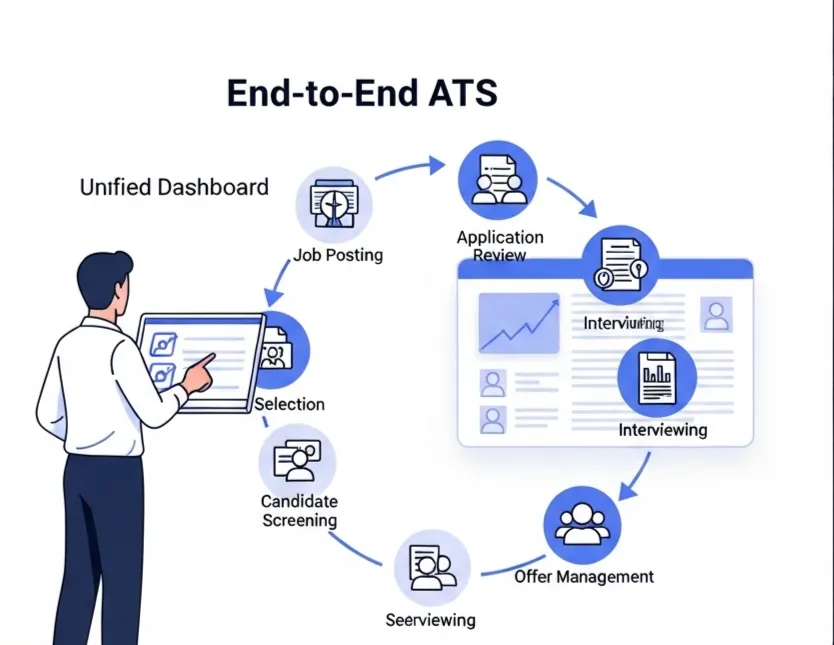
Manually managing every email for dozens of applicants is a recipe for errors and delays. A dedicated hiring platform like HireZapp helps you streamline these critical touchpoints without losing the human element.
- ATS Automated Follow-ups
Keep every candidate informed at every stage without lifting a finger. This is crucial to reduce candidate drop-off. - Branded Candidate Comms
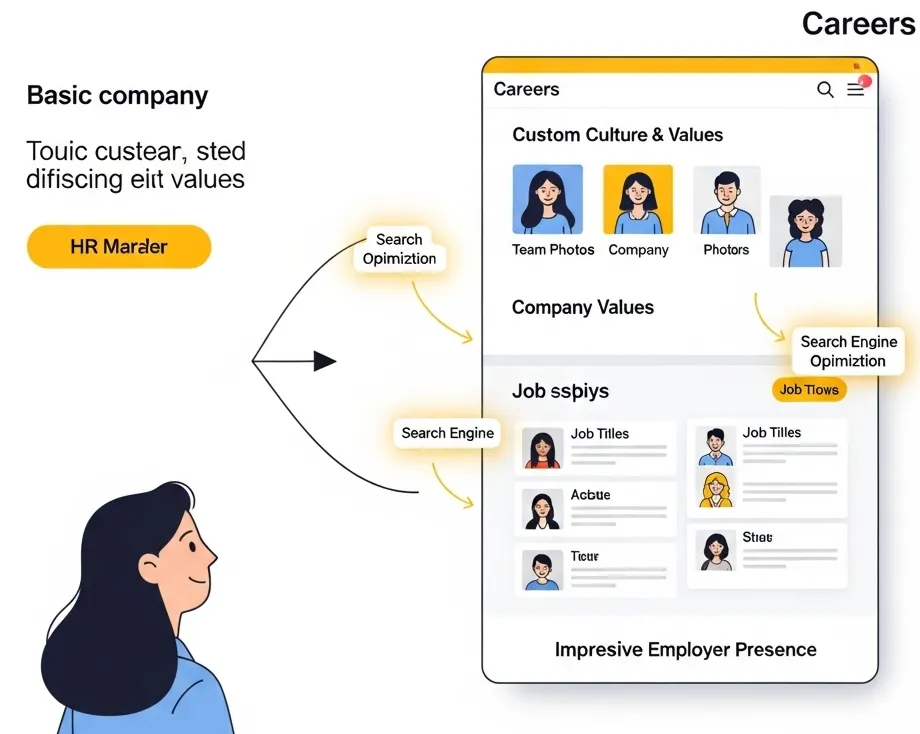
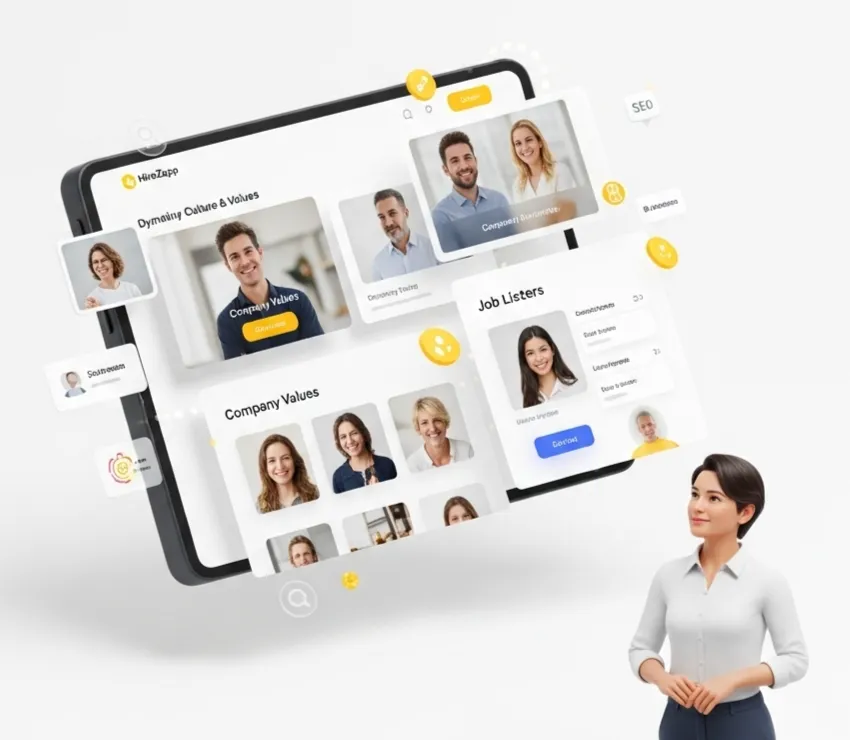
Ensure every email, job post, and your careers page reflects your company's unique brand identity. - Assessments and Pipeline Triggers
Automatically send the right message as candidates move from one stage to the next, from screening to assessment. - Sourcing Playbooks
Guide your outreach with proven templates and channel suggestions, ensuring your first contact is always professional and effective.
Common Mistakes That Keep Teams Stuck
Even with the right tools, small missteps can undermine your efforts. Watch out for these common issues.
- Forgetting the human element and over-automating everything.
- Using confusing corporate jargon instead of plain, simple language.
- Making promises you cannot keep about timelines or feedback.
- Ignoring the mobile experience, as most candidates read emails on their phones.
- Failing to get buy-in from the entire hiring team on the communication plan.
- Neglecting to update candidates when there is an unexpected delay in the process.
What a Better Communication Strategy Won't Fix
While a great communication plan is powerful, it is not a silver bullet. It is important to be realistic about its limitations. Better emails will not solve these foundational problems:
- A non-competitive salary and benefits package.
- A toxic or poorly defined company culture.
- A confusing or unnecessarily long interview process.
- A role with unclear responsibilities or expectations.
Start Building a Better Brand Today
Your employer brand is not just what you say it is; it's what candidates experience every day. By implementing a thoughtful and consistent recruitment communication strategy, you show candidates that you are organized, respectful, and a great place to work. This simple shift can dramatically improve your ability to attract and hire the talent you need to grow.
Automate Candidate Comms, Build Your Brand.
Tired of manual emails? HireZapp automates personalized communication, strengthening your employer brand and reducing drop-offs.
Trusted by 200+ recruiters
|Backed by AWS & NVIDIA
Frequently Asked Questions
1) What is a recruitment communication strategy?
A recruitment communication strategy is a structured plan for how, when, and what you communicate to candidates throughout the entire hiring process, from initial outreach to the final hiring decision.
2) How do you reduce candidate drop-off with better communication?
You can reduce candidate drop-off by setting clear timeline expectations, providing regular updates (even if there is no news), sending personalized messages at key stages, and ensuring the process feels transparent and respectful of the candidate's time.
3) What are the most important candidate journey touchpoints to focus on?
The most critical candidate journey touchpoints are the initial application confirmation, the invitation to interview, status updates between interview stages, and the final decision (both offer and rejection).
4) How can I measure the impact of my communication on employer branding?
You can track metrics like application completion rates, candidate drop-off rates between stages, offer acceptance rates, and time-to-hire. You can also send post-process surveys to gather direct feedback on the candidate experience.
5) Should I automate all candidate emails?
No. It is best to automate repetitive communications like application confirmations and stage-change notifications. However, key messages like interview invitations, job offers, and personalized rejections should have a human touch.
6) What's the biggest mistake in candidate communication?
The biggest mistake is radio silence. Leaving candidates in the dark for extended periods makes them feel disrespected and is the fastest way to damage your employer brand and lose great talent to competitors.
7) How do ATS automated follow-ups improve the candidate experience?
ATS automated follow-ups ensure that no candidate is ever forgotten. They provide instant confirmation and timely updates, which makes the hiring process feel organized and respectful, even if the candidate is not selected.
8) What are some good recruitment email examples for re-engaging past applicants?
Good recruitment email examples for re-engagement are personalized and reference the candidate's previous application. A great template would mention a new, relevant role and highlight why their specific skills might be a good fit this time around, showing you remember them.