How to Reduce Cost Per Hire With Smarter Ad Targeting
Watching your recruitment ad budget disappear with little to show for it is frustrating. You spend money to attract talent, but you get a flood of unqualified applicants, high drop-off rates from your forms, and a slow, expensive hiring process. The real goal is not just to fill roles, but to do so efficiently and affordably. A focused advertising strategy can help you reduce cost per hire by connecting you with the right candidates from the start.
This guide provides a practical playbook to stop wasting ad spend and start converting better applicants into hires, faster.
Why Your Job Ad Budget Feels Like a Black Hole
Many recruiters and founders notice their ad spend climbs while their pipeline quality stays flat. This often happens for a few common reasons that go beyond just the ad itself. High costs are usually a symptom of a few underlying issues in the process.
- Vague job descriptions
If the role and requirements are unclear, you will attract people who are not a good fit. - One-size-fits-all targeting
Showing your ad to everyone, everywhere is the fastest way to waste your budget on irrelevant clicks. - Ignoring the mobile experience
Most candidates see job ads on their phones. A clunky, non-mobile-friendly application process leads to immediate applicant drop-off reduction challenges. - Overly complex application forms
Asking for too much information upfront creates friction and causes great candidates to abandon the process. - Using generic, uninspired creative
Stock photos and bland copy will not capture the attention of top talent who see dozens of ads a day. - Not tracking the right metrics
Focusing on clicks instead of qualified applications means you cannot tell which ads are actually working.
A Step-by-Step Playbook to Reduce Cost Per Hire
Getting your ad strategy right is about precision, not volume. By following a clear process, you can build campaigns that deliver quality candidates without breaking the bank. Here is a repeatable plan to guide your efforts.
- Define Your Ideal Candidate Persona
Before you write a single word, outline who you want to hire. Think about their skills, experience level, where they spend time online, and what they value in a job. - Choose the Right Ad Platforms
Do not spread your budget thinly across every platform. Focus on 2-3 channels where your ideal candidates are most active, whether that is LinkedIn, specific industry forums, or social media. - Write a Job Description That Sells
Use your persona to craft a job description that speaks to their goals. Focus on impact and growth opportunities, not just a list of daily tasks. - Craft Compelling Ad Copy and Visuals
Your ad is a headline. Make it count with a strong hook, a clear call to action, and an image or short video that reflects your company culture. - Set Up Precise Recruitment Ad Targeting
Use the platform’s tools to target users by job title, industry, skills, or interests. The more specific you are, the better your results will be. - Build a Simple, Mobile-Friendly Application Form
Create a job form that takes less than two minutes to complete on a phone. Only ask for the absolute essentials: name, email, phone, and a resume or profile link. - Monitor Early Job Ad Performance and Adjust
Check your results after 2-3 days. If you are not getting the right applicants, pause the campaign and adjust your targeting or ad copy before spending more.
Ad Copy and Questions That Actually Convert
Effective job advertising relies on clear, direct communication. Vague language leads to confused candidates and weak applications. Here are a few examples you can adapt for your own roles to attract better-fit talent from the start.
Example: High-Performing Ad Copy
Recruiter reality: “We stopped saying ‘seeking a motivated team player’ and started leading with the one thing candidates actually want to know: what they will achieve. Our application quality improved almost overnight.”
Ad Headline: Senior Product Manager, FinTech (Remote)
Ad Body: Ready to own the roadmap for a product that helps thousands of small businesses manage their finances? At BizPay, you will lead our core payments platform, work directly with our founders, and see your vision come to life. If you have 5+ years of PM experience and a passion for building simple solutions to complex problems, we want to talk. Apply in 2 minutes.
Screening Questions for Better Targeting
- What is your desired salary range for this role?
- This position is fully remote within the United States. Please confirm you are authorized to work in the US.
- Briefly describe your experience with [Specific Skill #1] and [Specific Skill #2].
- What is it about this role or our company that caught your attention?
- When would be your earliest possible start date if you were offered the position?
How HireZapp Automates Your Ad-to-Hire Process
A great ad is only the beginning. Once qualified candidates apply, you need a system to engage them quickly. HireZapp connects your ad campaigns to a streamlined ATS, helping you convert interest into hires without the manual work.
- AI Job Description Generator
Creates clear, compelling, and keyword-optimized job descriptions that form the foundation for effective job advertising. - One-Click Job Forms
Builds simple, mobile-first application forms that reduce drop-offs and make it easy for top talent to apply. - Multi-Channel Screening
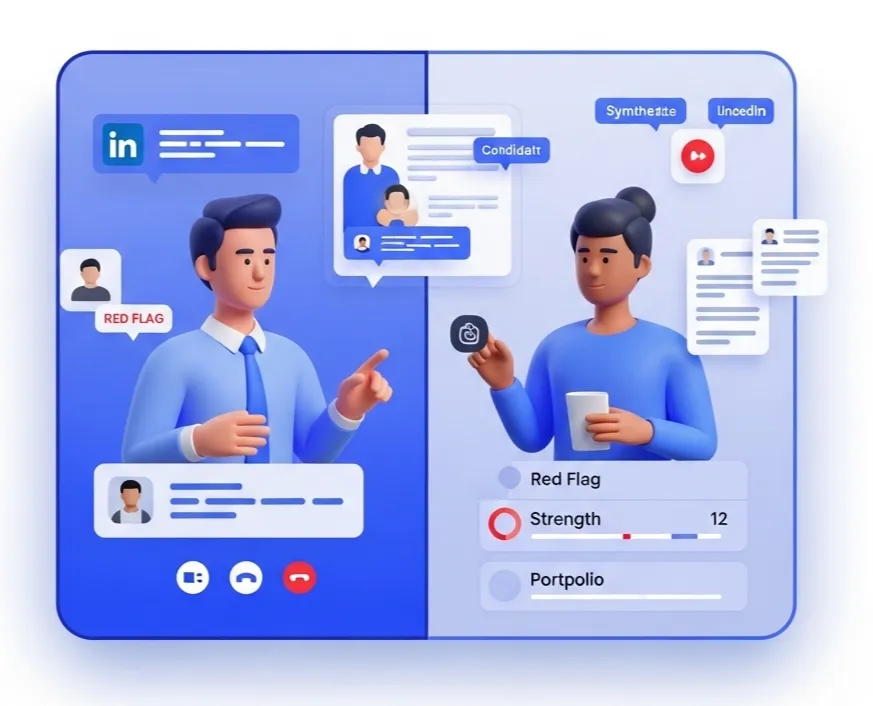
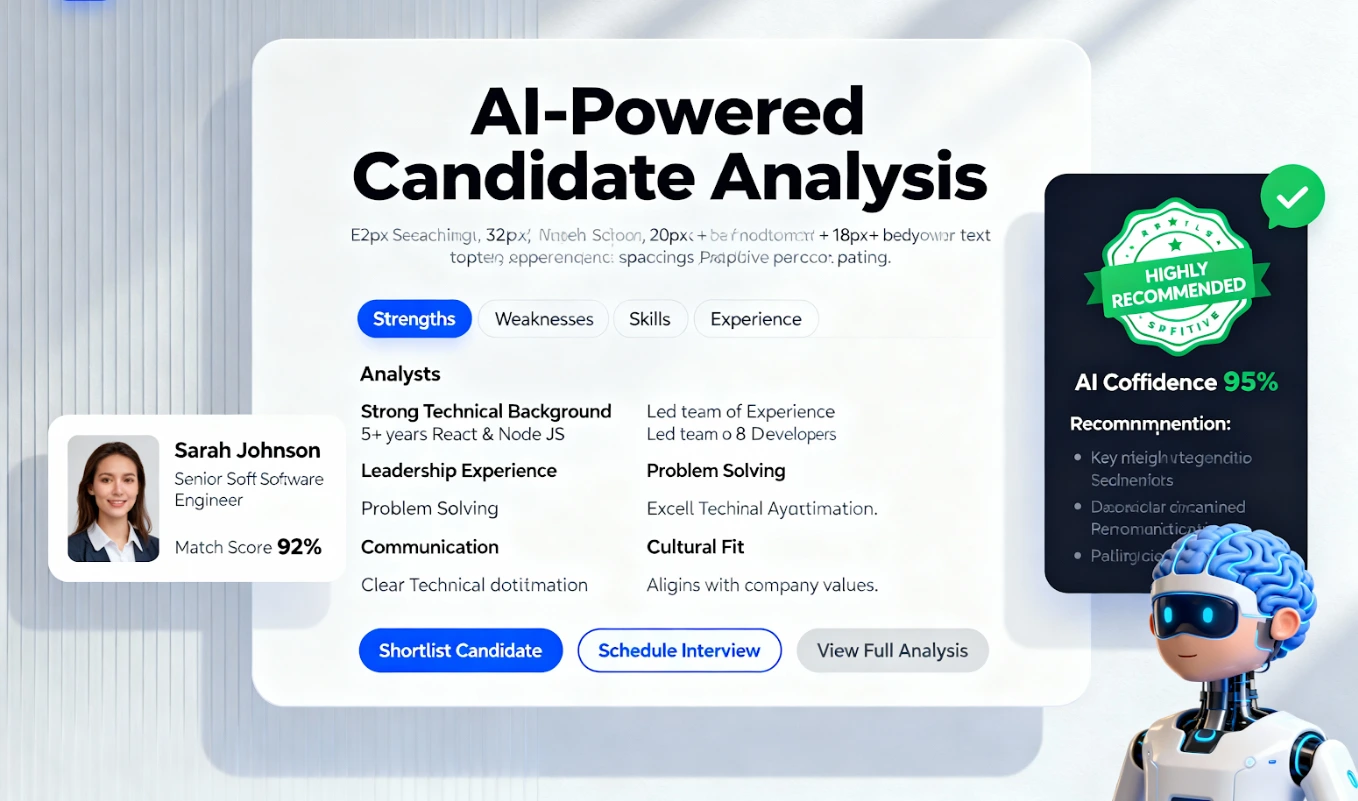
Automatically pulls in data from profiles like LinkedIn and GitHub so you can screen candidates based on real-world experience, not just a resume. - Job Match Score
Instantly scores and ranks applicants against your job requirements, letting you focus your energy on the top contenders. - Automated Follow-ups
Keeps every applicant informed and engaged with personalized, automated emails at each stage of the pipeline.
Avoid These Common Traps in Your HR Ad Strategy
Even with a solid plan, a few small mistakes can derail your efforts and drive up costs. Staying mindful of these common missteps will help you maintain momentum and protect your budget.
- Forgetting to set daily or lifetime budget caps on your campaigns.
- Ignoring comments or questions on your social media job ads.
- Running the same ad creative for weeks or months until it goes stale.
- Focusing only on vanity metrics like clicks and impressions instead of qualified applications.
- Lacking a clear and fast process for following up with applicants.
- Making the application process too long or difficult on mobile devices.
Where Better Ad Targeting Hits Its Limits
Optimizing your recruitment ads is a powerful way to improve your hiring outcomes. However, it is important to be realistic. A great ad campaign is part of a larger system, and it cannot solve fundamental organizational problems.
A better HR ad strategy will not fix:
- A negative or toxic company culture.
- A non-competitive salary and benefits package.
- A disorganized, multi-week interview process.
- Poor communication from the hiring team.
Your Next Hire is One Smart Ad Away
Shifting from broad, hopeful advertising to a targeted, data-driven approach is the key to lower hiring costs. By focusing on who you want to reach and what they want to hear, you build a predictable pipeline of qualified talent. This focus not only saves money but also accelerates your entire hiring timeline.
Frequently Asked Questions
Boost Ad ROI. Lower Cost Per Hire.
Ready to apply these CPH strategies? HireZapp's AI optimizes ads, automates screening, boosting your recruitment ROI.
Trusted by 200+ recruiters
|Backed by AWS & NVIDIA
1) How do I start to optimize recruitment ads with no budget?
Start with free channels. Post on your company's LinkedIn page, ask current employees for referrals, and share the opening in relevant online communities or Slack groups. Use the insights from this to build a persona before you spend on paid ads.
2) What are the most important metrics for job ad performance?
Focus on three key metrics: Cost Per Qualified Applicant (CPQA), Application Completion Rate, and Source of Hire. These tell you if your ads are reaching the right people, if your application process is easy, and which channels deliver actual hires.
3) How long should I run a recruitment ad before making changes?
Give your ad at least 3-5 days to gather initial data. If you see very few relevant applicants after that period, it is time to review your targeting, ad copy, or the job description itself. Constant, small adjustments are better than letting a bad ad run for weeks.
4) What is the biggest mistake companies make with recruitment marketing ROI?
The biggest mistake is only measuring the cost of the ad itself. To get a true sense of ROI, you need to factor in the time your team spends screening irrelevant candidates. A slightly more expensive ad campaign that delivers better-fit applicants often has a much higher ROI.
5) Can better ads really help with applicant drop-off reduction?
Yes, absolutely. Clarity is key. When an ad and job description accurately set expectations about the role, culture, and requirements, you attract people who are genuinely interested. This pre-qualification means they are more likely to complete the application and stay engaged.
6) What is the most overlooked part of an effective candidate acquisition cost?
Many teams overlook the cost of a bad hire. A low upfront acquisition cost is meaningless if the person leaves in three months. Spending a bit more to attract and vet the right candidate saves a huge amount of money in the long run by reducing turnover.
7) How do I write job ads for roles I don't understand well?
Collaborate with the hiring manager. Ask them to define the top three outcomes for the role in the first year and the essential skills needed to achieve them. Use their language to build a job description and ad that speaks directly to qualified professionals in that field.",
"keywords_used": [
"reduce cost per hire",
"recruitment ad targeting",
"job ad performance",
"HR ad strategy",
"lower hiring costs",
"optimize recruitment ads",
"recruitment marketing ROI",
"applicant drop-off reduction",
"candidate acquisition cost",
"effective job advertising"
]
}