Cost Per Hire vs Ad Spend: Where Are You Losing Money?
You are spending money on job ads, but the right candidates are not turning into hires. Your pipeline is a mix of unqualified applicants, ghosted interviews, and promising people who drop out. It feels like your budget is disappearing into a black hole, with no clear return.

Cost Per Hire vs Ad Spend: Pinpointing Where Your Recruiting Budget Leaks
You are spending money on job ads, but the right candidates are not turning into hires. Your pipeline is a mix of unqualified applicants, ghosted interviews, and promising people who drop out. It feels like your budget is disappearing into a black hole, with no clear return.
The problem is often the disconnect between what you spend and how you hire. Understanding the relationship between your ad spend and your cost per hire is the first step to fixing a leaky recruiting funnel and turning those ad dollars into actual employees.
Why Your Ad Spend and Cost Per Hire Are Disconnected
Many recruiters find that their ad budget grows while their hiring results stay flat. The issue is rarely the ads themselves, but the process that follows a candidate's click. This is where you can find significant hiring funnel leakage.
- You pay for clicks, but your application form is too long or complicated, causing people to leave.
- Your job descriptions are generic and fail to attract the right type of applicant.
- You cannot track which ad sources deliver qualified candidates versus just a high volume of applicants.
- Slow manual screening means your best applicants accept other offers before you even reach out.
- A clunky, non-mobile-friendly application process alienates a huge portion of the talent pool.
- Without a central system, candidate communication is scattered across emails, DMs, and forms.
A 7-Step Audit to Connect Ad Spend to Hiring Outcomes
To gain control over your costs, you need a clear, repeatable process for auditing your hiring funnel. This audit helps you see exactly where money is being wasted and how to fix it.
- Define Your Core Metrics
Start by calculating your true Cost Per Hire (total recruiting costs / number of hires) and Cost Per Applicant (total ad spend / number of applicants). - Map the Candidate Journey
Document every single step a candidate takes, from seeing your ad to submitting their application. Identify every potential point of friction. - Analyze Your Job Post Quality
Review your job posts for clarity, branding, and appeal. Ensure they sell the opportunity and are optimized for the roles you need to fill. - Time Your Application Process
Fill out your own job application on both a desktop and a mobile device. If it takes more than five minutes, it is too long. - Track Every Applicant Source
Implement a system to know exactly which channel every applicant came from. This is essential for calculating your recruitment marketing ROI. - Measure Your Response Time
Track the time between receiving a qualified application and your team making first contact. The longer the delay, the higher the risk of losing the candidate. - Calculate Stage-by-Stage Conversion
Measure the percentage of candidates who move from one stage to the next (e.g., application to screen, screen to interview). This highlights your biggest bottlenecks.
Practical Tools to Plug the Leaks
After your audit, use a simple checklist to ensure your front-end recruiting process is optimized to convert applicants, not deter them.
Recruiter reality: “I thought we needed a bigger ad budget, but it turned out we just needed a faster application process. We were losing great people before we even knew they existed.”
Recruiting Funnel Checklist
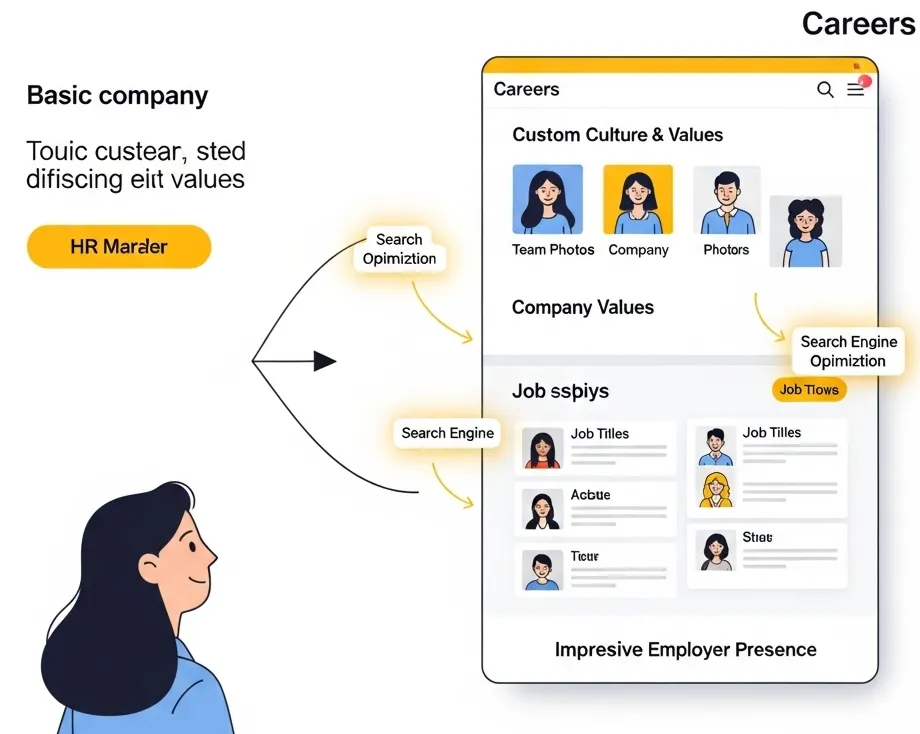
- Is the job title clear and easy for a search engine to understand?
- Does the job description focus on impact and growth, not just a list of tasks?
- Can a candidate apply in under five minutes on a mobile phone?
- Do we ask for a resume upload instead of manual entry for work history?
- Is every great applicant contacted within 24 business hours?
- Can we easily see our overall applicant drop-off rate in our system?
How a Unified Platform Drives ATS Cost Savings
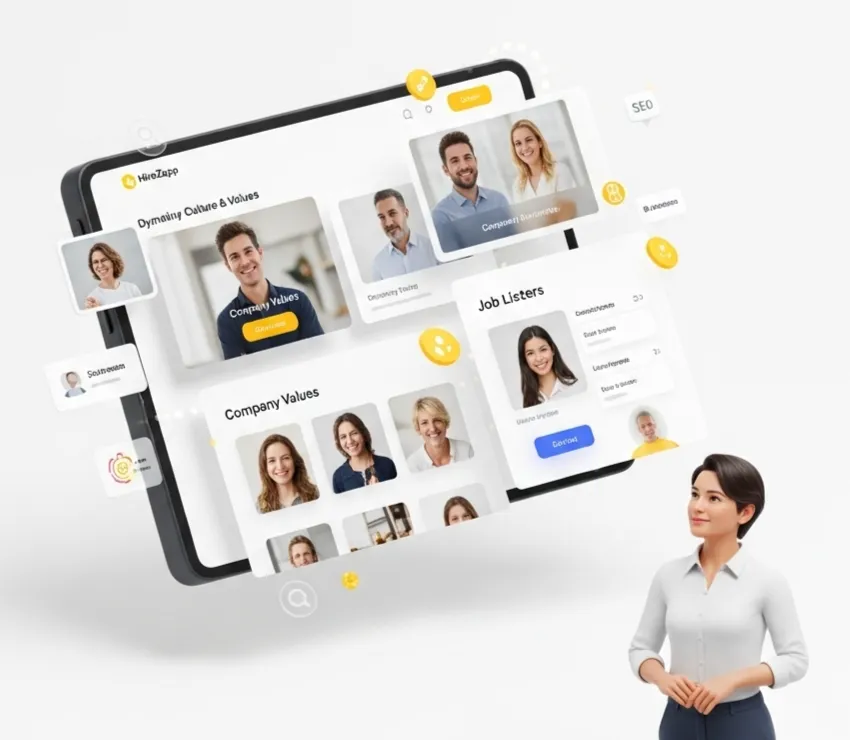
Fixing these leaks manually is overwhelming. A modern hiring platform like HireZapp automates the tedious work, giving you the data and speed needed to convert applicants into hires efficiently.
- AI Job Description Generation
Creates compelling, branded job posts that attract qualified candidates from the start. - One-Click Optimized Job Forms
Reduces friction and dramatically lowers applicant drop-off rates, especially on mobile. - Multi-Channel Candidate Screening
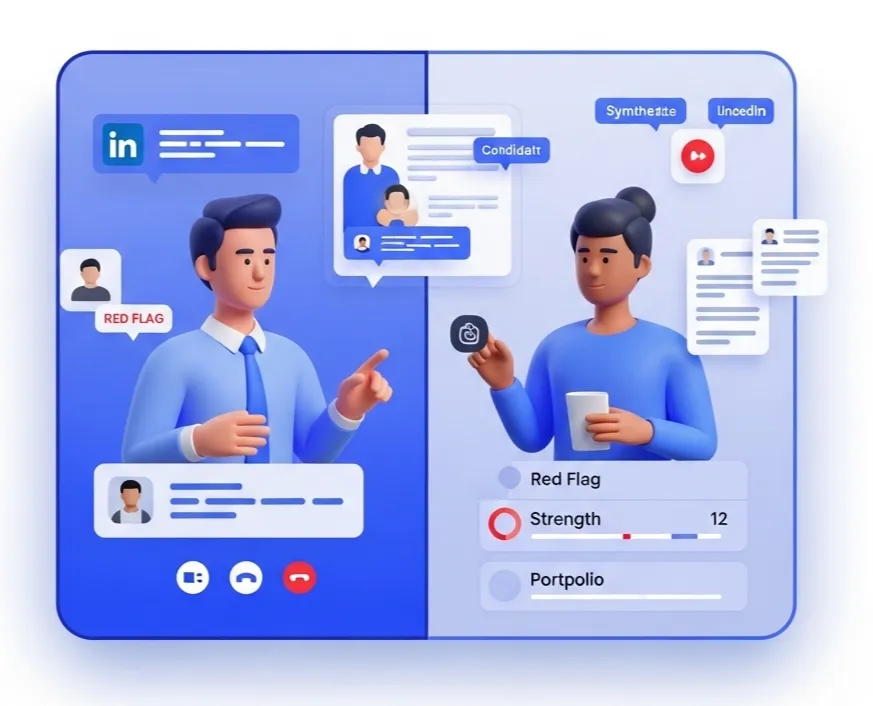
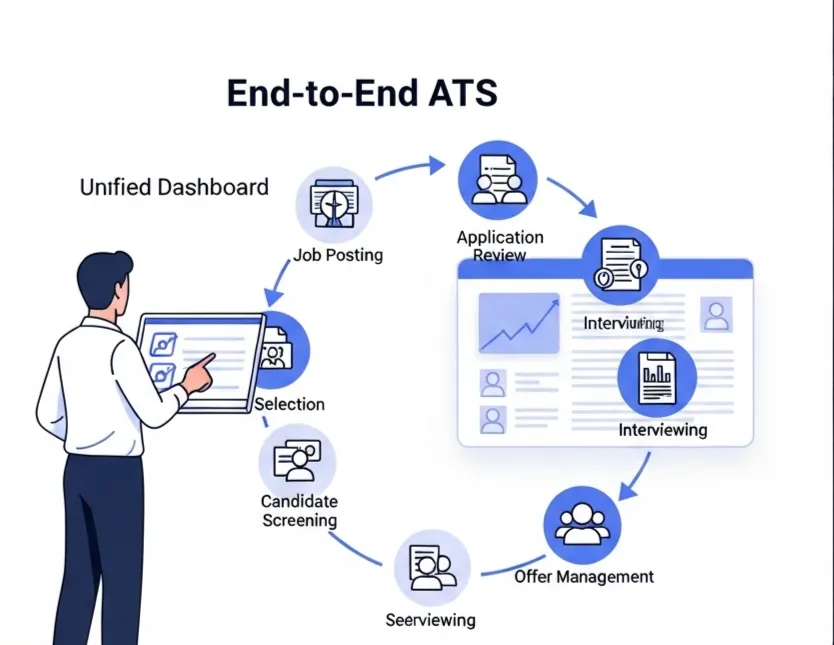
Automatically pulls in data from sources like LinkedIn and GitHub to build a complete candidate profile instantly. - Integrated ATS and Pipeline Automation
Tracks every candidate from source to hire, providing clear data on what is working. - Job Match and Quality Scores
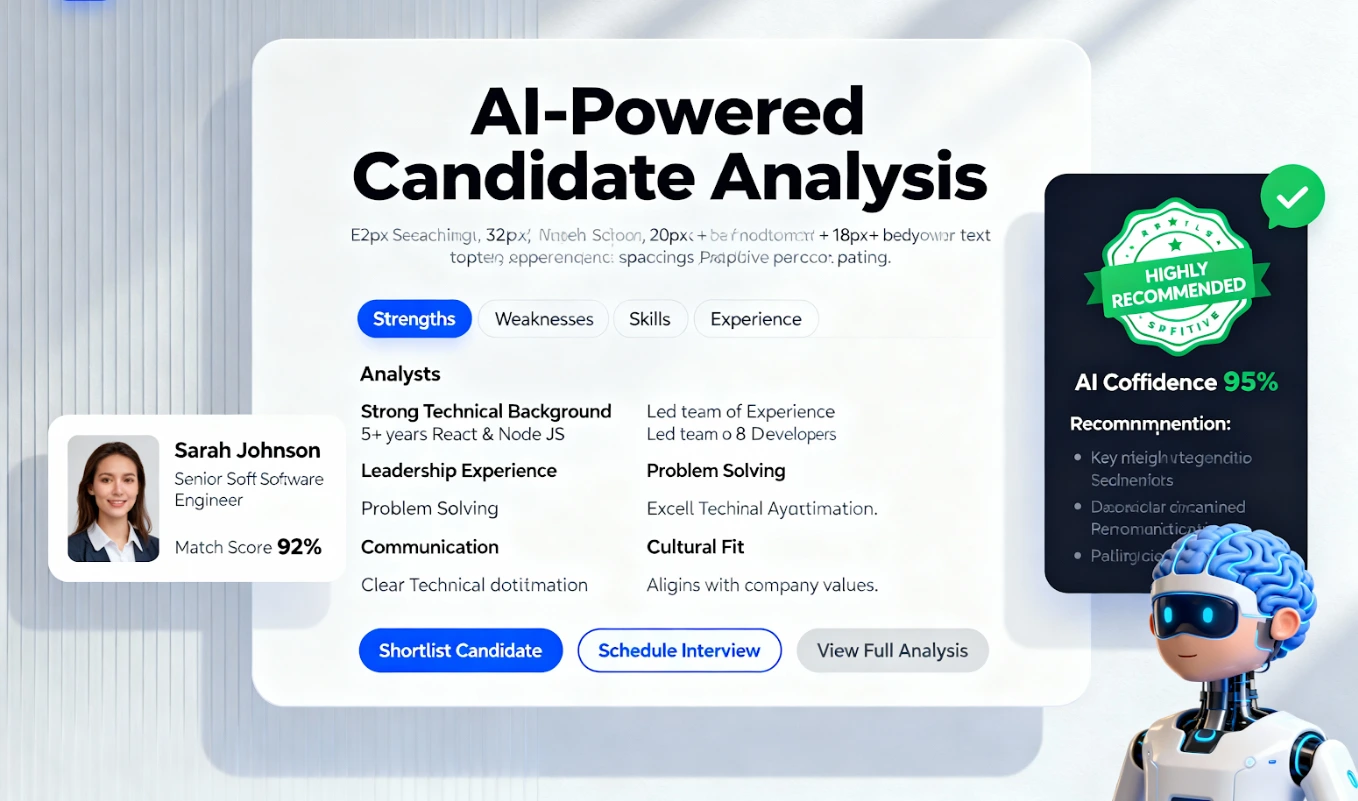
Uses AI to surface the most relevant candidates immediately, cutting down on manual review time.
Common Mistakes That Inflate Recruiting Costs
Even with good intentions, small mistakes can keep your cost per hire unnecessarily high. Watch out for these common traps:
- Focusing only on the volume of applicants instead of the quality.
- Using the same generic job post across all channels.
- Forgetting to nurture candidates who were a good fit for a different role.
- Letting bias creep into manual screening processes.
- Failing to communicate with candidates who were not selected.
What a System Alone Can't Solve
While technology is a powerful tool, it is important to be realistic. A platform like HireZapp is designed to optimize a good process, but it cannot fix foundational business issues. These include:
- An uncompetitive compensation and benefits package.
- A negative company culture or poor employer reputation.
- An unstructured or disorganized interview process.
- A lack of clarity on what makes a candidate successful in a role.
From Leaky Funnel to Efficient Hiring
Stopping the financial leaks in your recruiting process starts with clarity. By connecting your ad spend to actual hiring outcomes, you can make smarter decisions, engage talent faster, and significantly lower your cost per hire. A unified system provides the visibility and automation needed to make it happen.
Stop Wasting Ad Spend.
Don't let your recruitment ads bleed money. HireZapp boosts ROI and cuts CPH.
Frequently Asked Questions
1) What is the difference between cost per hire and ad spend?
Ad spend is just one component of your total cost per hire (CPH). CPH includes all recruiting expenses like salaries for the hiring team, technology costs, and agency fees, divided by the number of hires. Ad spend only refers to the amount paid for job postings and advertising.
2) How can I reduce cost per hire without cutting ad spend?
You can reduce cost per hire by improving the efficiency of your hiring funnel. This includes speeding up your time-to-hire, improving candidate quality through better job descriptions, and automating manual tasks so your team can focus on high-value activities.
3) What are the first steps to optimize recruiting ad spend?
To optimize recruiting ad spend, you must first track which sources deliver the best candidates, not just the most applicants. Focus your budget on the channels with the highest conversion rate from applicant to hire.
4) How does an ATS help with hiring costs?
An Applicant Tracking System (ATS) centralizes your entire hiring process. It provides clear data on your funnel, automates communication, and reduces the manual time spent on screening and scheduling, leading to significant time and cost savings.
5) What are the most important recruitment metrics to track besides CPH?
Beyond CPH, you should track Time-to-Fill, Quality of Hire, Applicant Source Effectiveness, and Offer Acceptance Rate. These recruitment metrics give you a more complete picture of your hiring health.
6) Why is my job ad spend high but applicant quality low?
This common issue is often caused by vague job descriptions, targeting the wrong channels, or a poor employer brand reputation. Your ads may be getting clicks, but they are not attracting the right people for the role.
7) Is HR tech for ad spend management worth the investment?
Yes, dedicated HR tech for ad spend management, often as part of a larger ATS, is crucial for getting a positive return. It provides the necessary tracking and analytics to ensure your budget is spent effectively, preventing waste on channels that do not deliver hires.