When to Hire Your First Full-Time Recruiter: ROI Analysis
As a founder or hiring manager, you wear many hats. But when the “recruiter” hat starts to feel permanently attached, it’s a sign of trouble. Your inbox is a mix of candidate DMs, follow-ups, and spam applications. Your calendar is blocked with interviews, leaving no time for your actual job. Great applicants are slipping away because your process is too slow.

When to Hire Your First Full-Time Recruiter: A Practical ROI Guide
As a founder or hiring manager, you wear many hats. But when the “recruiter” hat starts to feel permanently attached, it’s a sign of trouble. Your inbox is a mix of candidate DMs, follow-ups, and spam applications. Your calendar is blocked with interviews, leaving no time for your actual job. Great applicants are slipping away because your process is too slow.
Deciding when to hire first recruiter is not just about offloading tasks. It’s a strategic investment in your company’s growth. Getting it right means building a predictable pipeline of talent that fuels your success. Getting it wrong means burning cash and staying stuck in hiring chaos.
The Breaking Point: 7 Signs You Need a Dedicated Recruiter
The need for a recruiter often becomes obvious when the pain of not having one is greater than the cost of hiring one. If several of these points sound familiar, you have likely reached that tipping point.
- Your managers are struggling. A high hiring manager workload is a key indicator. When leaders spend more than 15-20% of their week sourcing, screening, and scheduling, their core duties suffer.
- Time-to-hire is increasing. Open roles are staying open longer, delaying projects and putting a strain on your existing team. This directly impacts revenue and morale.
- Candidate quality is declining. Without a focused effort, you end up with a high volume of irrelevant applications from job boards, forcing you to sift through noise instead of engaging talent.
- The candidate experience is poor. Applicants are not hearing back, getting confusing instructions, or facing a disorganized interview process. This damages your employer brand.
- You have no consistent hiring process. Each new role is a scramble. You rely on scattered spreadsheets, email threads, and WhatsApp messages instead of a centralized system.
- You plan to hire more than 5-7 people this year. Proactive sourcing and pipeline building become critical at this stage. A reactive approach can’t keep up with this demand.
- You lack internal hiring expertise. You are unsure how to write compelling job descriptions, where to find specialized talent, or how to negotiate offers effectively.
How to Calculate Recruiter ROI and Build Your Business Case
Before you can make the hire, you need to justify the cost. The return on investment (ROI) of a recruiter goes far beyond just filling roles. It is about reclaiming lost time, reducing costly hiring mistakes, and building a system for growth. Thinking through this helps clarify when to hire first recruiter.
- Calculate leadership’s lost time. Estimate the number of hours per week your founder and key managers spend on recruiting tasks. Multiply those hours by their approximate hourly salary to find the cost of their time.
- Estimate the cost of a bad hire. A bad hire can cost a company significantly in lost productivity, team disruption, and re-hiring expenses. While hard to pin down, acknowledging this risk is crucial.
- Factor in the cost of open roles. An open sales role means lost revenue. An open engineering role means product delays. Assign a rough weekly cost for your most critical vacancies.
- Add up your direct recruiting expenses. Consider your spending on job boards, LinkedIn ads, and any other tools you use to attract candidates. A recruiter can optimize this spend.
- Project the recruiter's impact. A good recruiter reduces time-to-hire, improves quality of hire, and builds a talent pipeline, which reduces future costs.
- Compare the costs. Put the costs of your current situation (lost time, open roles, bad hires) next to the projected cost of a recruiter's salary. The difference often makes the decision clear.
A Simple Framework for Recruiter ROI Analysis
Use this template to present a clear financial case. It shifts the conversation from “can we afford a recruiter?” to “can we afford not to have one?” This framework is a powerful tool for analyzing your potential recruiter ROI.
Recruiter Reality: “My founder finally agreed to hire me when I showed him that his own time spent on screening unqualified résumés was costing the company more than my entire proposed salary. The math doesn't lie.”
Part 1: The Cost of Your Current Process (Monthly)
- Cost of Manager Time: (Manager Hours/Week x 4) x (Manager Salary / 2080)
- Cost of Open Roles: (Number of Open Roles x Estimated Weekly Revenue Impact x 4)
- Direct Ad Spend: (Monthly Job Board Costs + Ad Spend)
Part 2: The Projected Investment (Monthly)
- Recruiter Salary: (Annual Salary / 12)
- Recruiter Tools/Software: (e.g., HireZapp monthly plan)
- Recruiter Bonus (Projected): (Estimated Annual Bonus / 12)
When the costs in Part 1 consistently exceed the investment in Part 2, your business case is made. This analysis also highlights the significant cost of not hiring.
Amplifying Your Investment: How Tech Boosts Recruiter Efficiency
A great recruiter becomes even more valuable when equipped with the right tools. A modern hiring platform like HireZapp automates low-value tasks, allowing your recruiter to focus on what matters: building relationships with great candidates. This is central to improving recruiter efficiency.
- AI Job Descriptions and Forms
Generates optimized JDs and application forms in seconds, saving hours of writing time. - Multi-Channel Screening
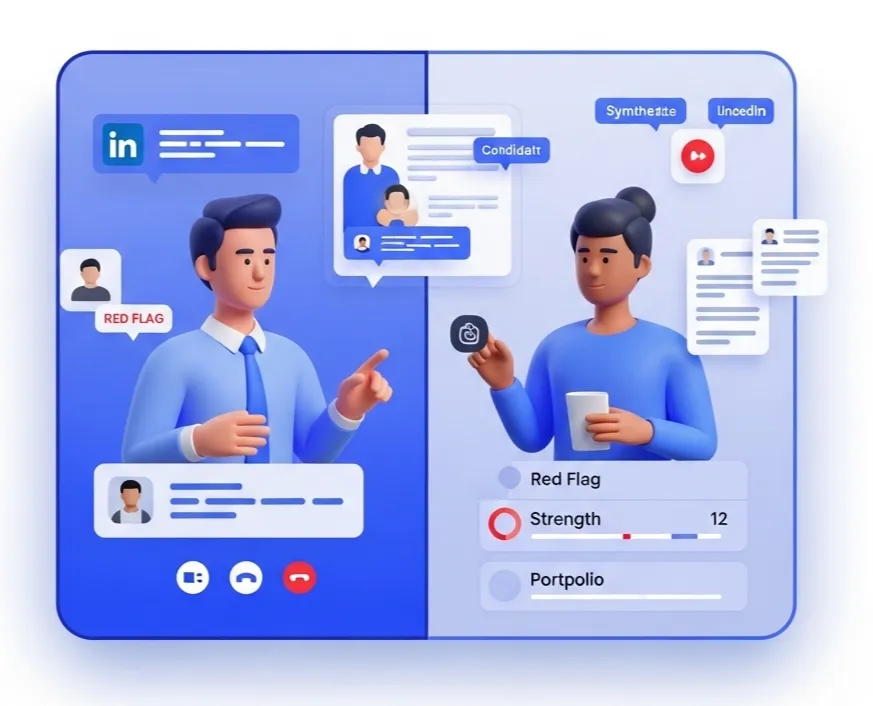
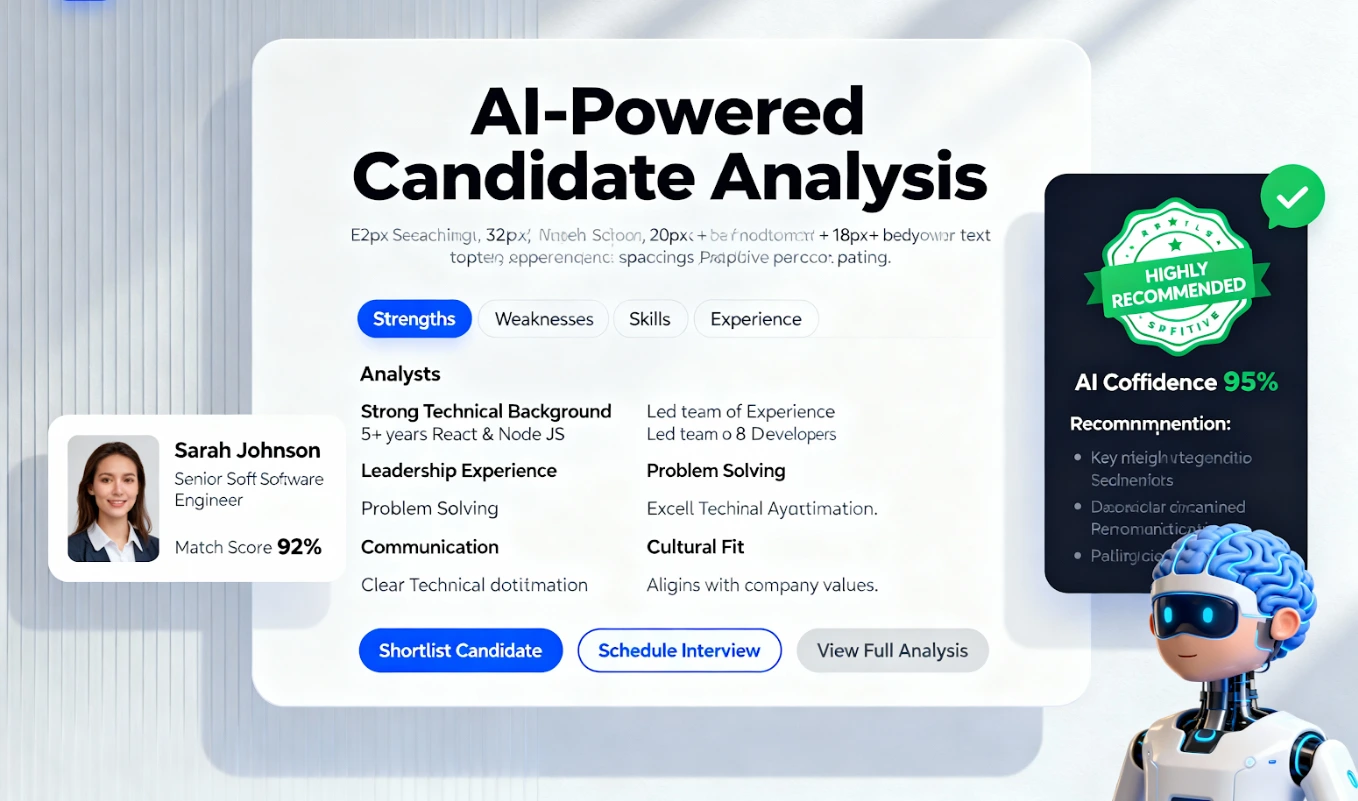
Pulls in candidate data from sources like LinkedIn and GitHub for a complete picture without manual searching. - Job Match and Quality Scores
Instantly surfaces the most relevant applicants so your recruiter spends time with top talent, not unqualified résumés. - Assessments and Automated Follow-ups
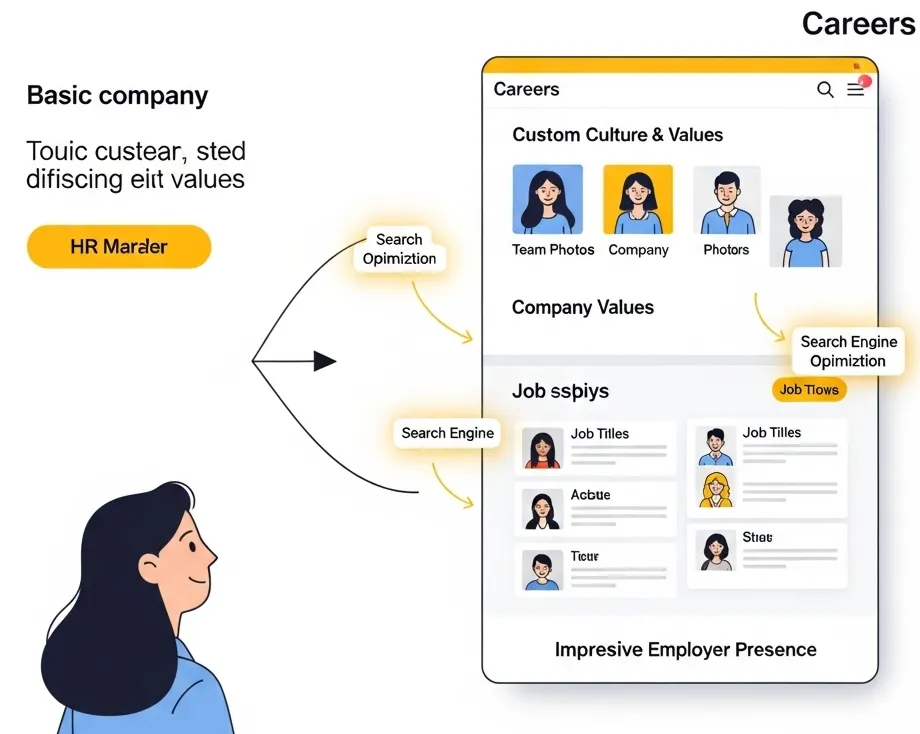
Keeps the process moving and ensures a professional candidate experience without manual effort. - Employer Branding Suite
Creates a professional careers page and branded communications to attract better candidates from the start.
Common Pitfalls in Your First Recruiter Hire
Hiring your first recruiter can transform your business, but a few common mistakes can undermine their success. Avoid these traps to ensure you get the best return on your investment.
- Hiring without a clear hiring forecast for the next 6-12 months.
- Failing to establish a clear recruitment budget for tools, ads, and salary.
- Lacking a defined recruitment strategy small business founders can follow.
- Expecting the recruiter to work miracles without any supporting tools or systems.
- Not defining success with clear goals for time-to-hire, quality of hire, and candidate satisfaction.
- Micromanaging their process instead of trusting their expertise.
A Recruiter Is a Partner, Not a Quick Fix
While a recruiter solves many problems, they are not a substitute for a healthy company culture or competitive compensation. Understanding their limitations is key to a successful partnership.
- They cannot fix a toxic culture. A recruiter can attract people, but they cannot make them stay in a negative environment.
- They cannot overcome non-competitive salaries. If your compensation is far below market rate, even the best recruiter will struggle to close candidates.
- They do not define your company's hiring needs. A recruiter executes on the hiring plan; the leadership team must define the roles and skills the business needs to grow.
Frequently Asked Questions
1) What is the true cost of not hiring a recruiter?
The cost of not hiring includes lost revenue from open roles, reduced productivity from managers spending time on hiring, lower team morale from being short-staffed, and the high financial impact of making a bad hire due to a rushed process.
2) What are the main full-time recruiter benefits for a startup?
The primary full-time recruiter benefits include faster hiring cycles, improved quality of candidates, a better candidate experience that strengthens your employer brand, and the creation of a repeatable, scalable hiring process.
3) How do I create a recruitment budget for our first hire?
Your recruitment budget should include the recruiter's base salary, potential performance bonuses, payroll taxes, and costs for essential tools like an Applicant Tracking System (ATS), job board postings, and LinkedIn Recruiter licenses.
4) Which recruitment metrics should a new recruiter track?
Key recruitment metrics to start with are Time-to-Fill, Cost-per-Hire, Source of Hire (which channels work best), and Quality of Hire (often measured by new hire performance reviews at 90 days).
5) When is it too early to hire a full-time recruiter?
It's likely too early if you plan to hire fewer than five people in the next year. In that case, the founder or hiring managers can typically handle the workload, possibly with the help of a lightweight hiring tool.
6) What's the difference between an in-house recruiter and an agency?
An in-house recruiter is a full-time employee dedicated to your company's culture and long-term talent strategy. A recruiting agency works on a contingent or retained basis to fill specific roles and serves multiple clients.
7) Can a founder be the only recruiter in a small company?
Yes, a founder is often the first recruiter. However, this becomes unsustainable as the company grows and hiring demands conflict with the founder's other critical responsibilities, like product, sales, and fundraising.
8) How does HireZapp help a one-person recruiting team?
Maximize Your Recruiter's ROI.
Ensure your first recruiter delivers maximum ROI. Automate tasks and scale hiring with HireZapp.
HireZapp acts as a force multiplier for a single recruiter by automating repetitive tasks like screening, scheduling, and follow-ups. This frees up the recruiter to focus on strategic sourcing and building candidate relationships.