Cost of Hiring: Building Your First Recruitment Budget
Hiring feels expensive, but the real costs are often hidden. It’s not just about paying for job ads. It’s the hours lost sifting through resumes, the back-and-forth scheduling, and the frustrating candidate drop-offs that truly drain your resources.

Cost of Hiring: Building Your First Recruitment Budget
Hiring feels expensive, but the real costs are often hidden. It’s not just about paying for job ads. It’s the hours lost sifting through resumes, the back-and-forth scheduling, and the frustrating candidate drop-offs that truly drain your resources.
Without a clear plan, you end up overspending on the wrong channels and losing great candidates to faster competitors. A smart recruitment budget is your roadmap to hiring smarter, not just spending more. It turns chaos into a predictable process for growth.
The Real Recruitment Costs Breakdown
Many founders and recruiters only track direct expenses, but the invisible costs are what truly impact your bottom line. Understanding the full picture is the first step toward building an effective budget. Here’s a simple recruitment costs breakdown.
- Direct Costs
These are the expenses you can easily see on an invoice. Think job board postings, subscription fees for hiring software, and fees for recruitment agencies. - Indirect Costs
This is the time your team spends away from their main duties. It includes hours spent writing job descriptions, screening resumes, conducting interviews, and debriefing. - Productivity Costs
Every day a key role sits empty, projects can stall and team morale can dip. This lost output is a real, though often unmeasured, cost. - Bad Hire Costs
When you rush and hire the wrong person, the costs multiply. You face expenses for termination, recruiting a replacement, and lost productivity.
How to Create a Recruitment Budget in 8 Steps
Building your first hiring budget doesn't have to be complicated. This step-by-step process provides a clear framework for planning and controlling your spending. This is the foundation of strategic HR budget planning.
- Analyze Your Past Data
Look at what you spent on your last few hires. What worked? What didn't? This gives you a realistic starting point. - Forecast Your Hiring Needs
List all the roles you plan to hire for in the next quarter or year. This helps you anticipate future spending. - Identify All Cost Categories
Use the direct and indirect cost categories mentioned above. Don't forget smaller items like background check services. - Research Your Cost Per Hire
Look up general benchmarks for the cost per hire in your industry and for specific roles. This helps you set realistic goals, though numbers can vary widely. - Allocate Funds to Buckets
Assign a dollar amount to each category. For example, allocate a set amount for advertising and another for technology. - Include a Contingency Fund
Always set aside 5-10% for unexpected needs, like a surprise hire or the need to use a specialized job board. - Choose Tools That Maximize ROI
Invest in technology that automates tasks and reduces the time your team spends on manual work. This is key to getting more from your budget. - Track and Adjust Regularly
A budget is a living document. Review your spending each month to see where you can improve and reallocate funds.
A Simple Hiring Budget Template to Get Started
You don't need a complex spreadsheet. To create your own hiring budget template, start by listing these core categories. This structure works well for a small business recruitment budget and can scale as you grow.
- Advertising & Sourcing
Job board fees, LinkedIn ads, social media campaigns, and referral program bonuses. - Technology & Tools
Applicant Tracking System (ATS) subscription, assessment tools, and video interviewing software. - People & Time
Salaries of internal recruiters and coordinators, plus the estimated cost of hiring managers' time spent in interviews. - External Services
Recruitment agency fees, background checks, and freelance sourcer costs. - Contingency Fund
An extra buffer for unexpected hiring needs or opportunities.
Where HireZapp Fits In
An effective budget isn't just about tracking costs; it's about reducing them. Modern tools like HireZapp are designed to help you optimize hiring spend by replacing manual work with smart automation. This lets your team focus on what matters most: connecting with great candidates.
Recruiter reality: “I used to spend half my day just managing a spreadsheet, sending follow-up emails, and trying to figure out which candidate came from which job post. It was exhausting.”
- AI Job Description Generator
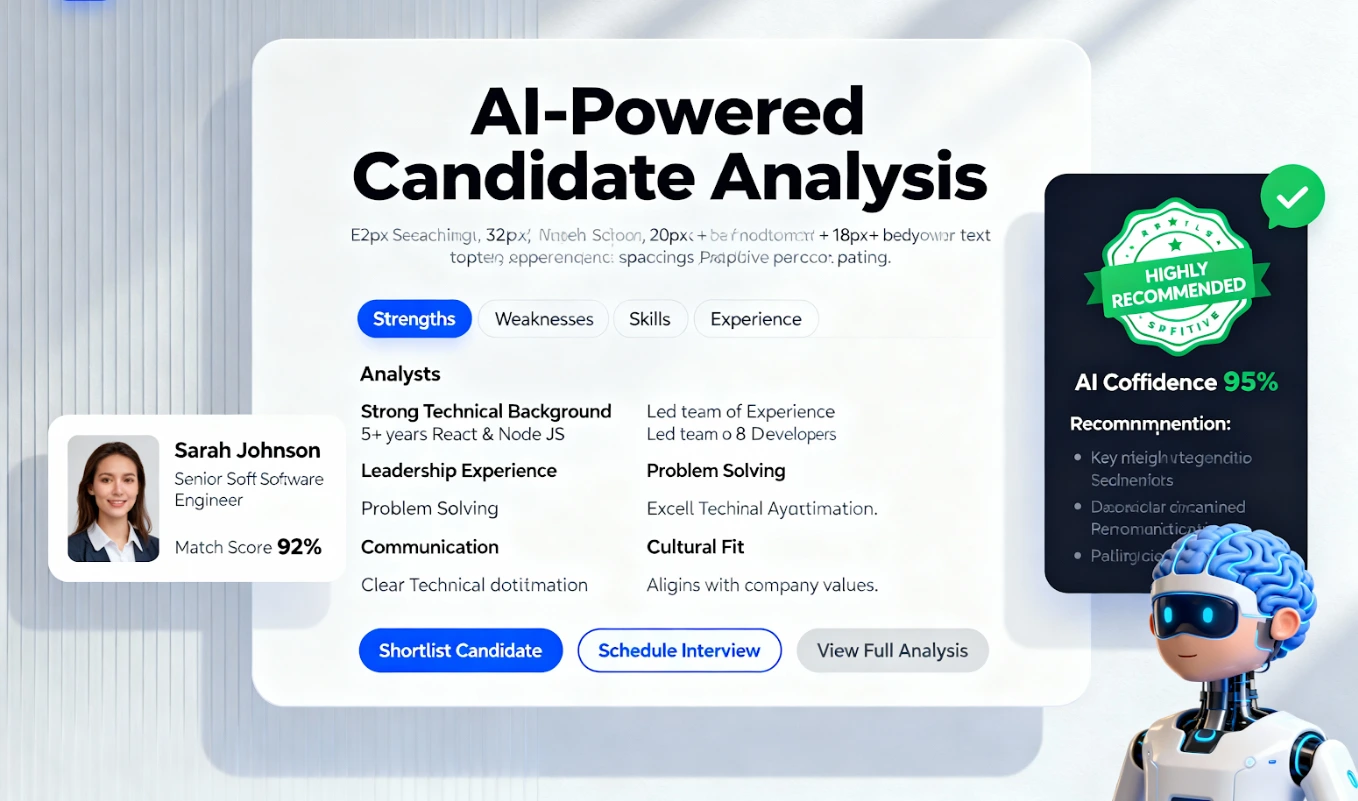
Reduces the hours your team spends writing and refining job posts. - Job Match Score
Instantly surfaces the most qualified applicants so you waste less time on irrelevant resumes. - Automated ATS Pipeline
Eliminates manual candidate tracking and communication, freeing up your team for high-value tasks. - Credit-Based Pricing
Allows you to pay only for what you use, making it an affordable solution for teams of any size.
Cut Costs. Hire Smarter.
Transform your recruitment budget into savings. HireZapp's AI platform automates screening, optimizes spend, and boosts ROI.
Common Mistakes That Keep Teams Stuck
Knowing what to avoid is as important as knowing what to do. Watch out for these common budget traps that often trip up growing businesses and cause major startup hiring costs to spiral.
- Forgetting to include the cost of your team's time.
- Copying last year's budget without analyzing performance.
- Failing to track actual spending against your plan.
- Investing in multiple disconnected tools that create more work.
- Ignoring the high cost of a long-vacant position.
What a Budget Won't Fix
A budget is a powerful tool, but it's not a magic wand. Being realistic about its limitations helps you focus on the bigger picture of building a great team.
- It can't fix a toxic work culture that drives candidates away.
- It won't create a supply of talent in a highly competitive market.
- It doesn't replace the need for genuine human connection during the interview process.
Creating your first recruitment budget is a huge step toward building a scalable, efficient hiring process. It replaces guesswork with strategy, allowing you to invest your resources wisely and hire the people you need to grow.
Frequently Asked Questions
Cut Costs. Hire Smarter.
Transform your recruitment budget into savings. HireZapp's AI platform automates screening, optimizes spend, and boosts ROI.
1) What is a typical recruitment budget?
There is no one-size-fits-all answer. A typical budget depends on your industry, the types of roles you're hiring for, and your company's growth stage. Instead of looking for an average number, focus on building a budget based on your specific hiring forecast and the cost categories listed above.
2) How do I calculate the cost of hiring a new employee?
A simple way to calculate the overall cost of hiring is to add up all your direct and indirect recruitment costs over a specific period (like a quarter) and divide that total by the number of hires you made in that same period. This gives you your average cost per hire.
For startups, the biggest hidden cost is usually the founder's or key team members' time. Every hour they spend on manual recruiting tasks is an hour not spent on growing the business. The second biggest hidden cost is making a bad hire due to a rushed process.
4) What should be included in a recruitment costs breakdown?
A good breakdown should always include three main areas: direct costs (like ads and software), indirect costs (like the time your team spends on hiring activities), and people costs (the salaries of your HR or recruiting staff).
5) How can I optimize hiring spend without sacrificing quality?
Focus on efficiency. Use an ATS like HireZapp to automate manual tasks, improve your screening process to interview fewer but better candidates, and build a strong employer brand to attract organic applicants. This reduces your reliance on expensive advertising.
6) Why is HR budget planning so important for a small business?
For a small business, cash flow is everything. Proper HR budget planning gives you financial predictability, prevents surprise expenses that can derail your growth, and ensures you have the resources ready when you need to make a critical hire.