Paid vs Free Sourcing Channels: Where to Spend First as an SMB
As a small business owner or recruiter, your hiring budget is tight and your time is even tighter. You post a job and face two frustrating outcomes: a flood of unqualified applicants or complete silence. You're juggling candidates from LinkedIn messages, website forms, and email, and it feels impossible to track who came from where.
Paid vs Free Sourcing Channels: A Guide for SMBs
As a small business owner or recruiter, your hiring budget is tight and your time is even tighter. You post a job and face two frustrating outcomes: a flood of unqualified applicants or complete silence. You're juggling candidates from LinkedIn messages, website forms, and email, and it feels impossible to track who came from where.
Making the right choice in the paid vs free sourcing channels debate feels critical. The good news is that you don't need a massive budget to succeed. You just need a smarter approach to find and convert the right people.
Why Your Sourcing Feels Like Guesswork
If your hiring process feels chaotic, it's likely due to a few common issues that plague growing businesses. Many teams struggle because they are:
- Lacking a clear plan.
They post jobs on the same channels out of habit, not based on data about what works for a specific role. - Focusing only on cost.
Choosing a channel just because it's free can cost more in the long run if it delivers low-quality candidates. - Using a one-size-fits-all approach.
The best channel for a software engineer is rarely the best one for a sales associate. - Missing a central system.
Without an applicant tracking system (ATS), comparing candidates from different sources is a manual, error-prone nightmare. - Guessing their ROI.
They can't tell if that expensive job board subscription actually led to their last great hire.
A Simple Framework for Smart Recruitment Budget Allocation
Creating a repeatable process transforms hiring from a guessing game into a strategic advantage. This simple playbook helps you build one of the most cost-effective hiring strategies for your business.
- Define the Ideal Candidate Profile First.
Before you even think about channels, get crystal clear on the skills, experience, and qualities you need. A detailed profile makes it easier to know where these people spend their time online. - Start with Free Channels (Always).
Leverage your existing assets. Post on your company careers page, share with your team for referrals, and use well-regarded free job boards. - Layer on Niche & Paid Channels Strategically.
Once free options are exhausted, choose one or two paid channels that cater specifically to your industry or the role you're hiring for. Don't just default to the biggest names. - Track Every Single Applicant's Source.
This is non-negotiable. Use a simple system or an ATS to tag every applicant with their source, whether it's LinkedIn, a referral, or a specific job board. - Measure What Matters: Quality and Speed.
Don't just count the number of applications. Track how many applicants from each channel make it to the interview stage and how many get an offer. This is the foundation of calculating recruitment ROI. - Create a Simple Feedback Loop.
After each hire, review your data. Which channel produced the best candidate in the shortest amount of time? Reallocate your budget toward those proven winners for the next opening.
Tools to Guide Your Channel Decisions
To help with your hiring channels comparison, here are some practical tools you can use immediately. This framework will help you build a stronger candidate sourcing strategy from day one.
Free Recruiting Sites: Pros & Cons
- Pro: No Financial Risk
You can post jobs and explore candidate pools without spending any money, which is perfect for tight budgets. - Pro: High Volume
Popular free sites can generate a large number of applicants quickly, filling the top of your funnel. - Con: Lower Signal-to-Noise Ratio
You often have to screen through many more unqualified or irrelevant applications to find good candidates. - Con: Less Effective for Niche Roles
Highly specialized or senior roles are less likely to be filled through generalist free job boards.
Best Paid Job Boards: Pros & Cons
- Pro: Higher Intent Candidates
Candidates on paid or industry-specific boards are often more actively and seriously looking for a new role. - Pro: Advanced Targeting & Filtering
Paid platforms offer tools to target specific demographics, skills, and experience levels, improving applicant quality. - Con: Direct Cost
These platforms require a direct financial investment, which can range from a few hundred to several thousand dollars per post. - Con: No Guaranteed Results
Paying for a post doesn't guarantee a hire, and a poor job description can lead to wasted spend.
Channel Performance Checklist
- Did this channel provide candidates who met the basic job requirements?
- What was the ratio of applications to interviews from this source?
- What was the ratio of interviews to offers from this source?
- How quickly did we find a qualified candidate from this channel?
- Did the candidates from this source align with our company culture?
- What was the total cost (including time spent screening) for this channel?
How to Manage All Your Channels in One Place
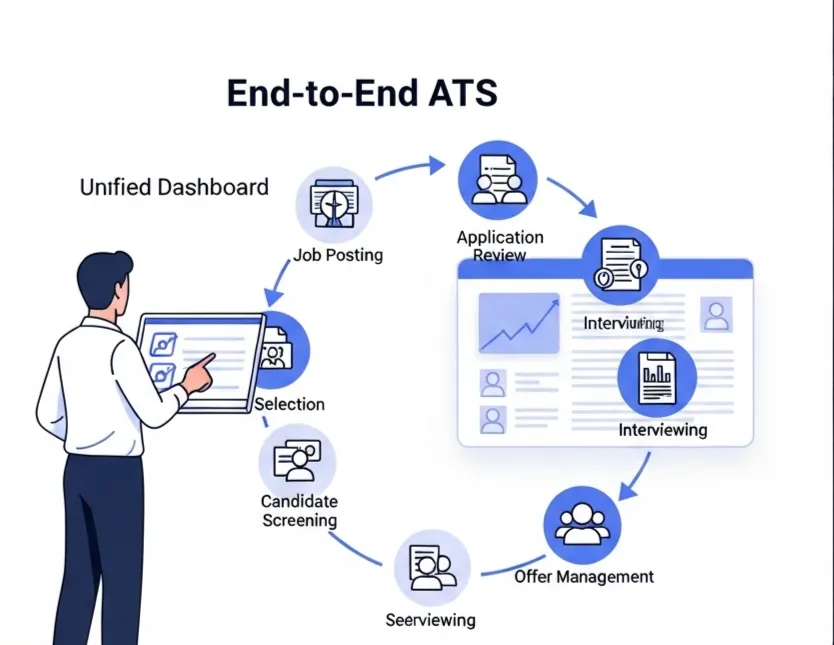
Juggling candidates from various free and paid sources is a major headache. A centralized system is essential for any serious SMB talent acquisition effort. This is where a platform like HireZapp streamlines your entire process.
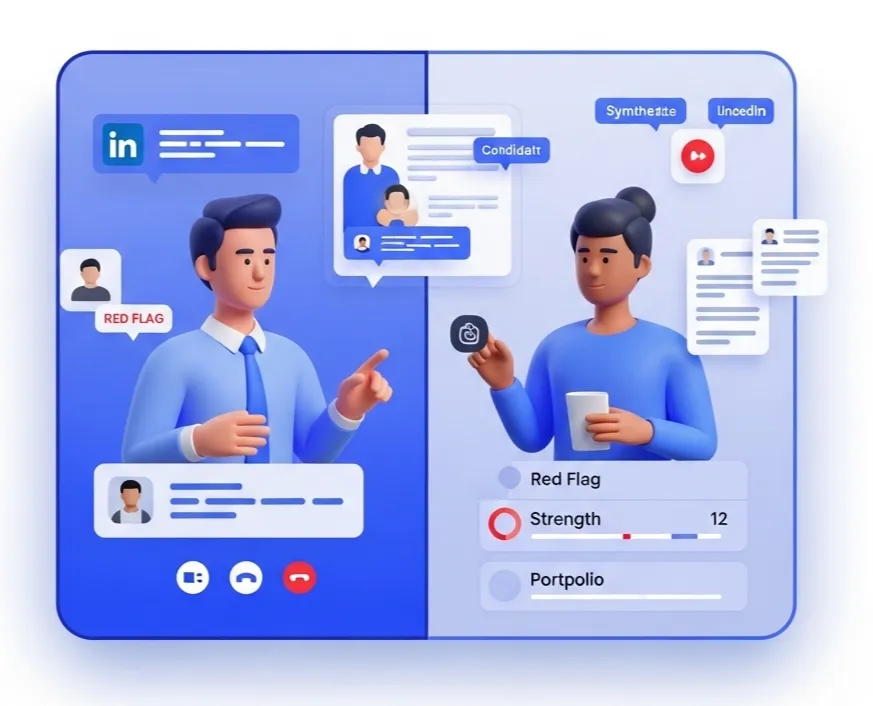
- Multi-Channel Screening
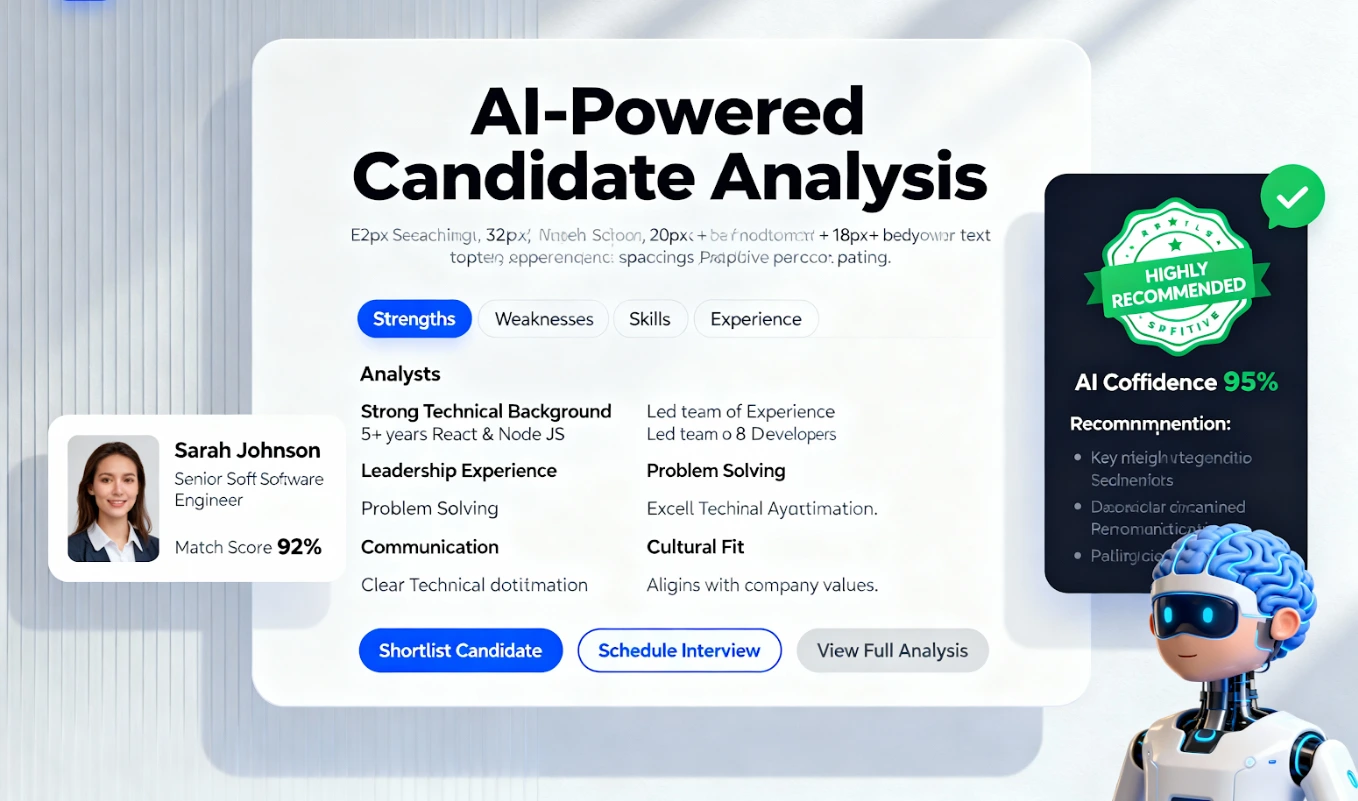
Consolidate every applicant from every source into a single, easy-to-manage pipeline. No more lost emails or messy spreadsheets. - Job Match Score
Instantly see which candidates are the best fit for your role, regardless of whether they came from a free site or a premium job board. This saves countless hours of manual review. - Sourcing Playbooks
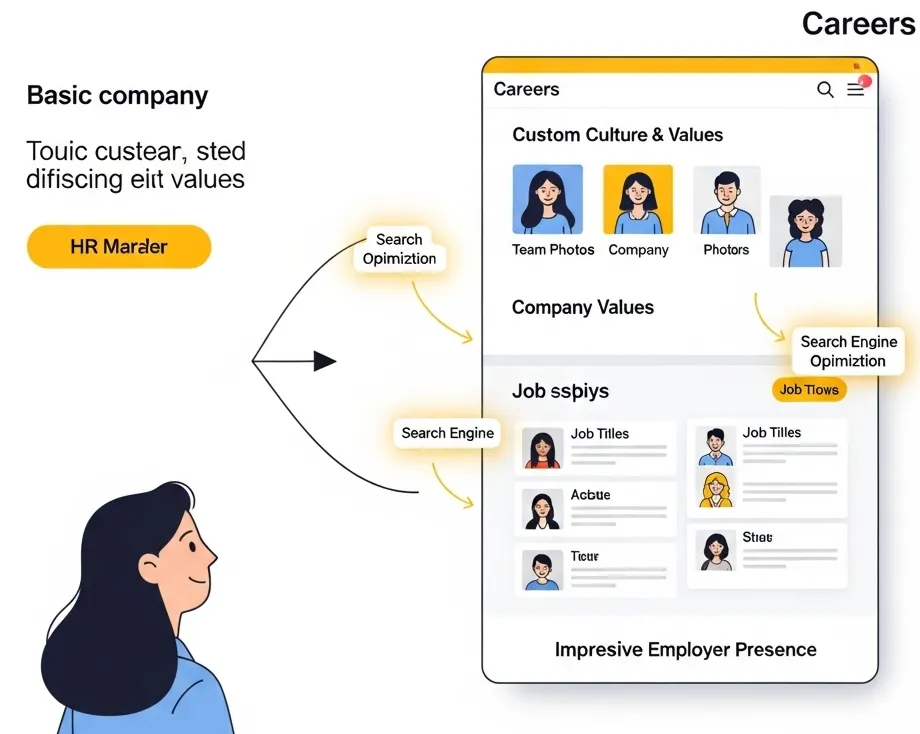
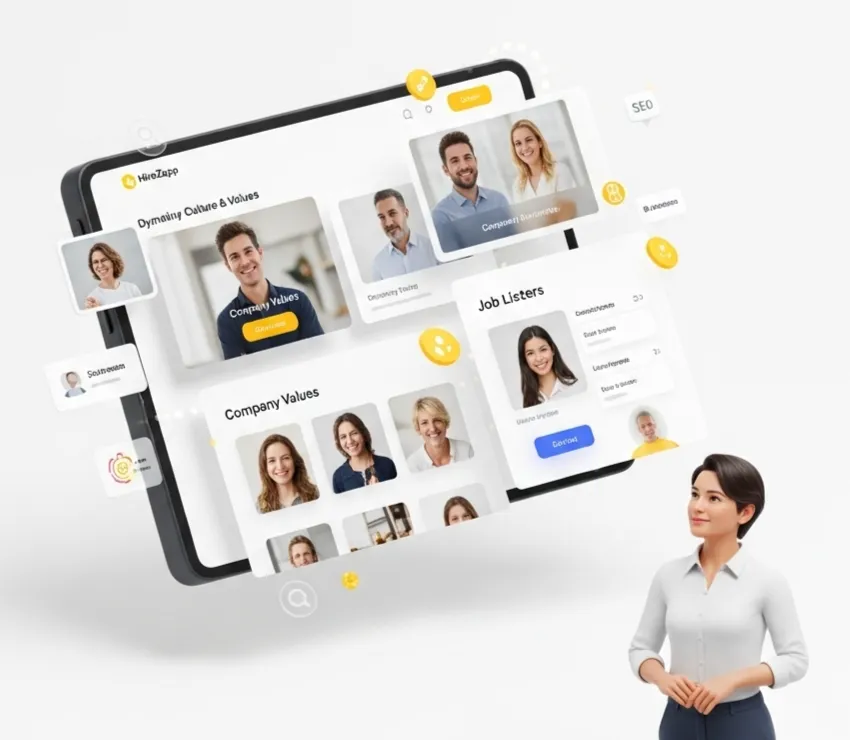
Get data-backed guidance on the best channels to use for specific roles, taking the guesswork out of your sourcing strategy. - Branded Careers Page
Turn your own website into your most powerful sourcing channel with a professional careers page that captures high-intent candidates for free.
Recruiter reality: “I used to spend my Monday mornings just copying and pasting candidate info from five different websites into one spreadsheet. Now, they all just show up in one place, already scored.”
Avoid These Common Sourcing Mistakes
Many small businesses stay stuck in an inefficient hiring cycle by making a few simple, repeated errors. Watch out for these pitfalls:
- Posting a job and then walking away, without engaging candidates.
- Ignoring the power of employee referrals, your best source of quality hires.
- Failing to ask every candidate, “How did you hear about this role?”
- Paying for an annual job board subscription and only using it twice.
- Writing off a channel as “bad” after one failed job post.
- Not having a fast, mobile-friendly application process.
What Sourcing Channels Can't Solve
Choosing the right channels is a huge step, but it's only one piece of the puzzle. Even the best sourcing strategy won't fix foundational issues. Be honest about whether you have problems with:
- A vague or uninspiring job description.
- A slow, multi-week interview process that causes great candidates to drop out.
- A non-competitive salary or benefits package for your market.
- A poor online reputation or unclear employer brand.
Your Path to Smarter Hiring
You don't need a huge budget to win at hiring. By starting with free channels, strategically investing in paid options, and meticulously tracking your results, you can build a predictable hiring machine. The key is to stop guessing and start measuring, turning your process into one of your biggest competitive advantages.
Start hiring better today
HireZapp helps you screen faster, reduce drop-offs, and close roles with less noise.
Try HireZapp FreeFrequently Asked Questions
1) What are the most effective recruiting channels for small business?
The most effective recruiting channels for small business are often a mix. Start with free channels like your own careers page, employee referrals, and general job boards. Then, strategically add one or two paid, niche job boards specific to your industry for harder-to-fill roles.
2) How do I measure recruitment ROI accurately?
To measure recruitment ROI, track both the cost and the quality from each channel. Calculate the cost-per-hire (total cost of the channel / number of hires from it) and also measure the performance of those hires. A good channel delivers great employees, not just cheap applications.
3) Are free recruiting sites good enough for hiring?
Yes, free recruiting sites can be very effective, especially for entry-level or generalist roles. They are a great starting point for any hiring process. However, for specialized or senior positions, you will likely need to supplement them with paid channels to reach the right talent.
4) What is a good candidate sourcing strategy for a tight budget?
A great budget-friendly candidate sourcing strategy focuses on inbound and low-cost methods first. Maximize employee referrals, build a simple but effective careers page, share openings on social media, and leverage free job boards before ever paying for a post.
5) When should I invest in the best paid job boards?
Invest in the best paid job boards when you have a critical, hard-to-fill role, when free channels have not produced quality candidates, or when you need to hire very quickly. They are best used as a targeted tool rather than a default option for every open position.
6) How can I improve my SMB talent acquisition process?
Improve your SMB talent acquisition process by centralizing it. Use an applicant tracking system (like HireZapp) to manage all candidates in one place, automate communication, and track which sourcing channels deliver the best results. A consistent process is key.
7) What's the best way to handle recruitment budget allocation?
The best approach to recruitment budget allocation is data-driven. Start small, track the source of every qualified applicant, and reinvest your budget into the channels that prove they deliver quality candidates who get hired. Don't set your budget in stone; adjust it based on performance.