How to Build a Sourcing Plan for Any Role in 15 Minutes
Running ads but getting unqualified applicants? Drowning in LinkedIn DMs and messy Google Forms? You know you need great talent, but the process of finding them feels slow, scattered, and expensive. The good news is that you don't need a complex, multi-day strategy to get started.

How to Build a Sourcing Plan for Any Role in 15 Minutes
Running ads but getting unqualified applicants? Drowning in LinkedIn DMs and messy Google Forms? You know you need great talent, but the process of finding them feels slow, scattered, and expensive. The good news is that you don't need a complex, multi-day strategy to get started.
You can create a focused and effective sourcing plan in just 15 minutes. This simple framework helps you stop wasting time and start connecting with the right candidates faster, turning your hiring process from a source of stress into a competitive advantage.
Why Sourcing Feels So Slow (It’s Not Just You)
If finding candidates feels like a constant struggle, it's often due to a few common issues. Many recruiters and founders find themselves stuck when they:
- Start without a clear ideal candidate profile.
You can't find the right person if you haven't clearly defined what skills and qualities are truly essential. - Use the same generic channels for every single role.
A software engineer isn't looking for jobs in the same place as a marketing manager. - Write outreach messages that feel like spam.
Generic, impersonal messages get ignored and can damage your employer brand. - Lack a central system to track applicants.
Managing candidates through spreadsheets, emails, and DMs leads to missed follow-ups and a poor candidate experience. - Spend hours manually screening resumes.
Reading through every single resume for basic qualifications is a major time drain that slows down the entire pipeline.
The 15-Minute Sourcing Plan Breakdown
Here is a step-by-step guide to creating a quick and repeatable plan. Set a timer and let’s begin.
- Minutes 1-3: Define the Core Role with AI.
Instead of starting from scratch, use an AI tool to generate a clear, concise, and optimized job description. Focus on the top 3-5 must-have skills and the core mission of the role. - Minutes 4-6: Identify 3 Sourcing Channels.
Don't try to be everywhere. Choose one primary channel (like LinkedIn), one secondary channel (like a niche job board), and one proactive channel (like a specific online community or GitHub for developers). This is a core part of any recruitment sourcing strategy. - Minutes 7-9: Set a Clear, Simple Goal.
What does success look like this week? Your goal could be as simple as “Get 10 qualified applicants into the pipeline” or “Schedule 3 first-round interviews.” - Minutes 10-12: Draft Your Outreach Message.
Write a short, 3-4 sentence message template. Include a personalized first line, state the role, and explain why you think they are a good fit. End with a clear call to action. - Minutes 13-15: Prepare Your Tracking System.
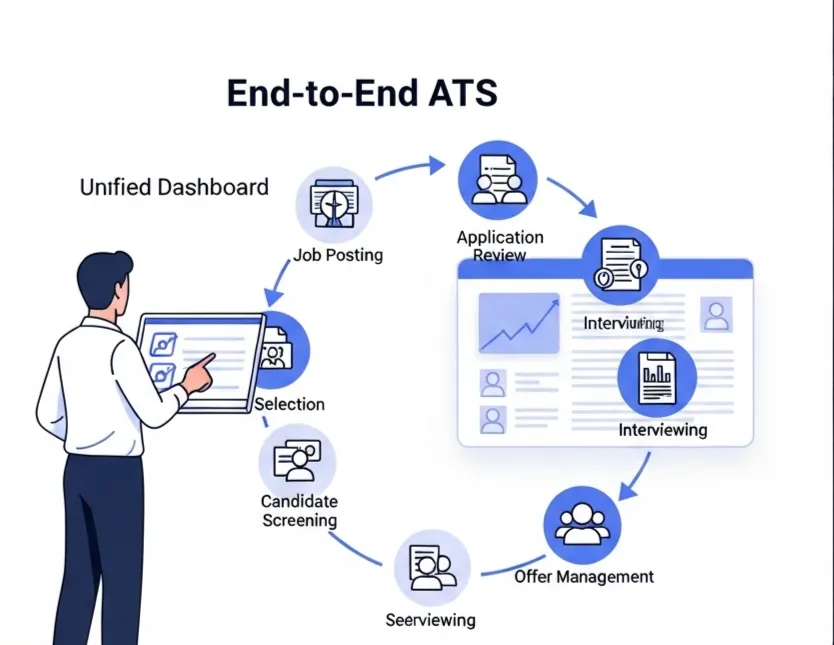
Set up a simple pipeline in your ATS or tracking tool. Create stages like “Sourced,” “Screening,” and “Interview.” This ensures no candidate gets lost.
A Quick Sourcing Strategy You Can Use Today
Having templates ready is key to moving fast. Here are a few you can adapt for your next role.
Want the full framework? Download our free 15-Minute Sourcing Plan Template to get started even faster.
<b>5 Quick Screening Questions</b>
- What part of our job description caught your attention the most?
- Can you describe a past project that relates to the core responsibilities of this role?
- What kind of work environment helps you do your best work?
- Based on your understanding, what would be your top priority in the first 90 days?
- What are your salary expectations for this position?
<b>Simple Follow-Up Message</b>
Recruiter reality : “Hi [Candidate Name], following up on my previous message about the [Job Title] role at [Company Name]. We're looking for someone with your experience in [Specific Skill], and I think you could make a real impact on our team. If you’re open to a brief chat next week, you can book a time directly on my calendar here: [Link].”
How to Build a Sourcing Plan with HireZapp
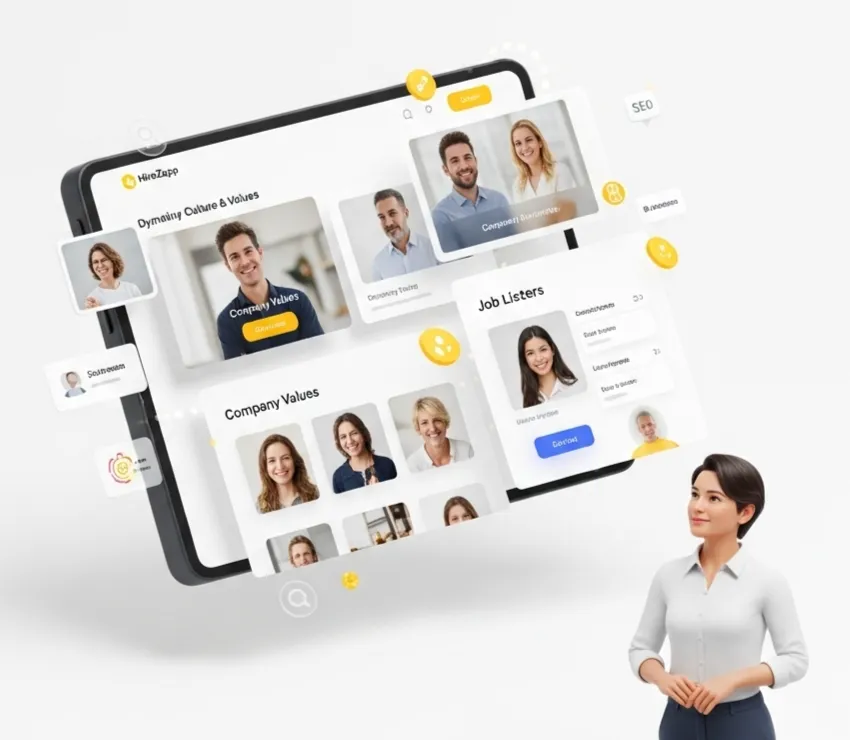
A great plan is only effective if you have the tools to execute it. HireZapp is built for speed and efficiency, helping you move from plan to qualified candidate faster.
- AI JD and Job Form Generation
Create a perfectly optimized job description and application form in seconds, ensuring you attract the right talent from the start. - Multi-Channel Screening
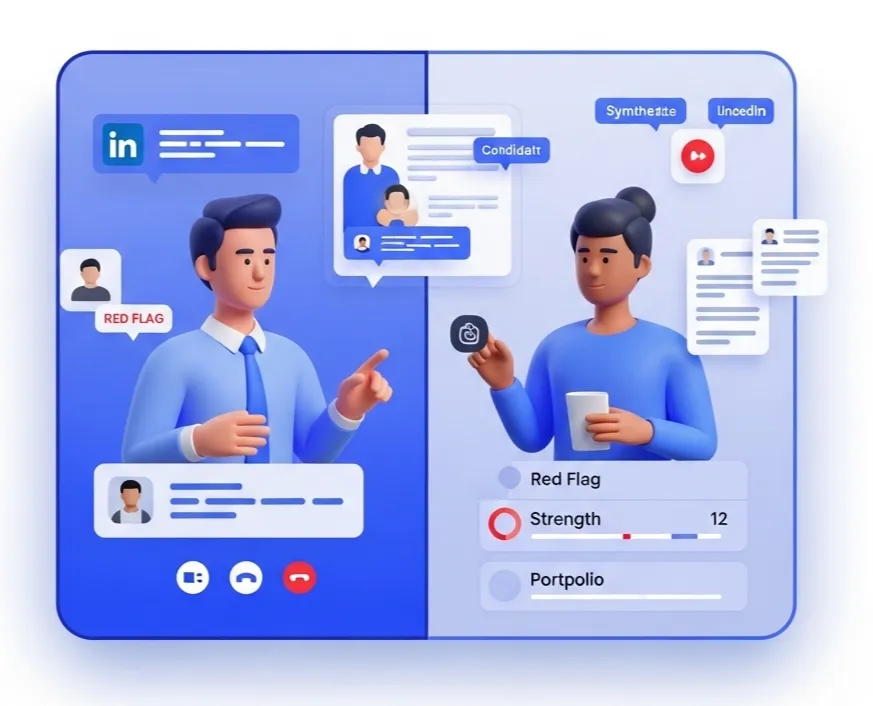
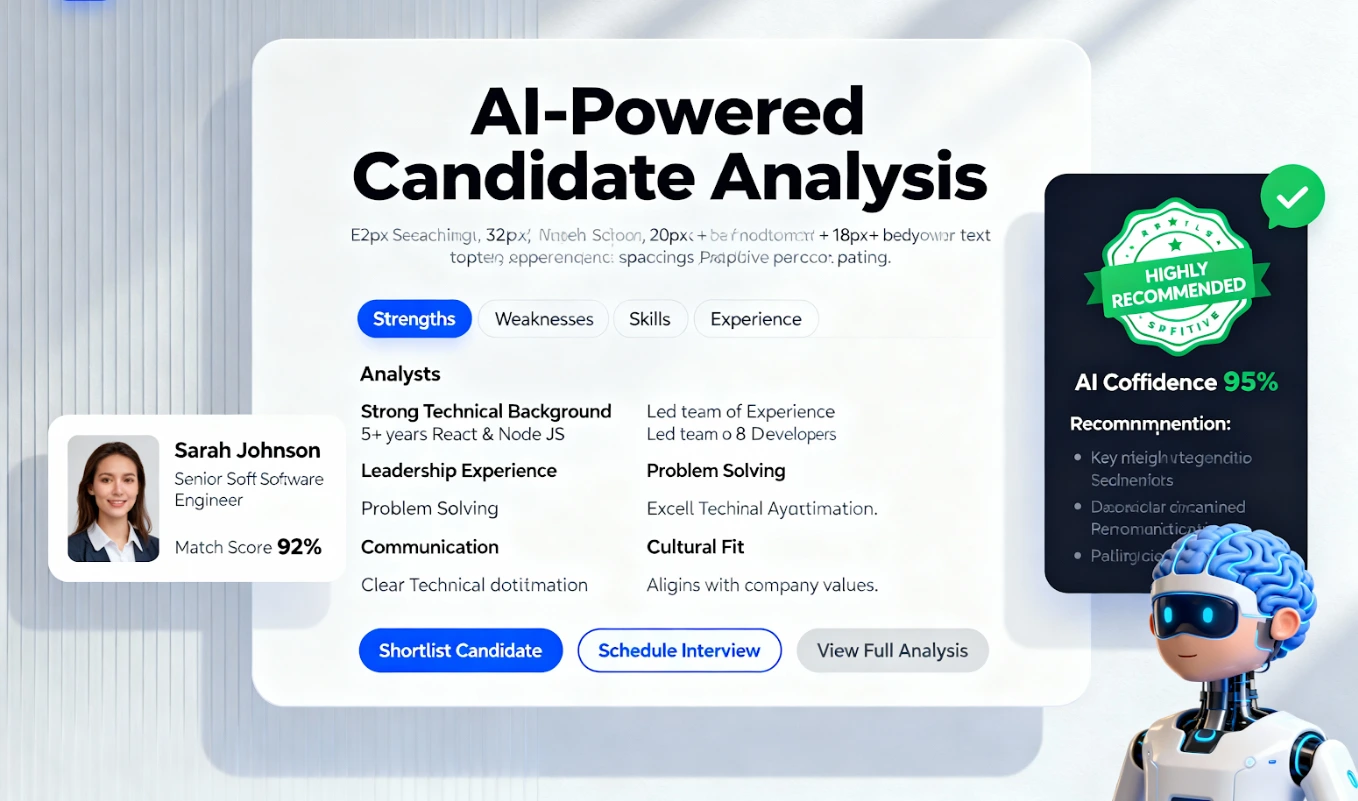
Instantly review candidate profiles from LinkedIn, GitHub, and other sources all in one place, cutting down on manual review time. - Job Match Score
Automatically see which applicants are the best fit based on your job requirements, so you can focus your energy on top talent. - Sourcing Playbooks
Get built-in guidance on the best sourcing channels for recruiters and outreach tactics for any role, removing the guesswork. This is your instant recruiting playbook.
AI Sourcing Plans in Seconds.
Tired of manual sourcing plans? HireZapp's AI builds your perfect strategy instantly, saving hours and boosting ROI.
Common Sourcing Mistakes to Avoid
Even with a great plan, a few common habits can slow you down. Be mindful of these pitfalls:
- Relying only on inbound applicants.
- Forgetting to nurture your existing talent pipeline.
- Using a long, complicated application form.
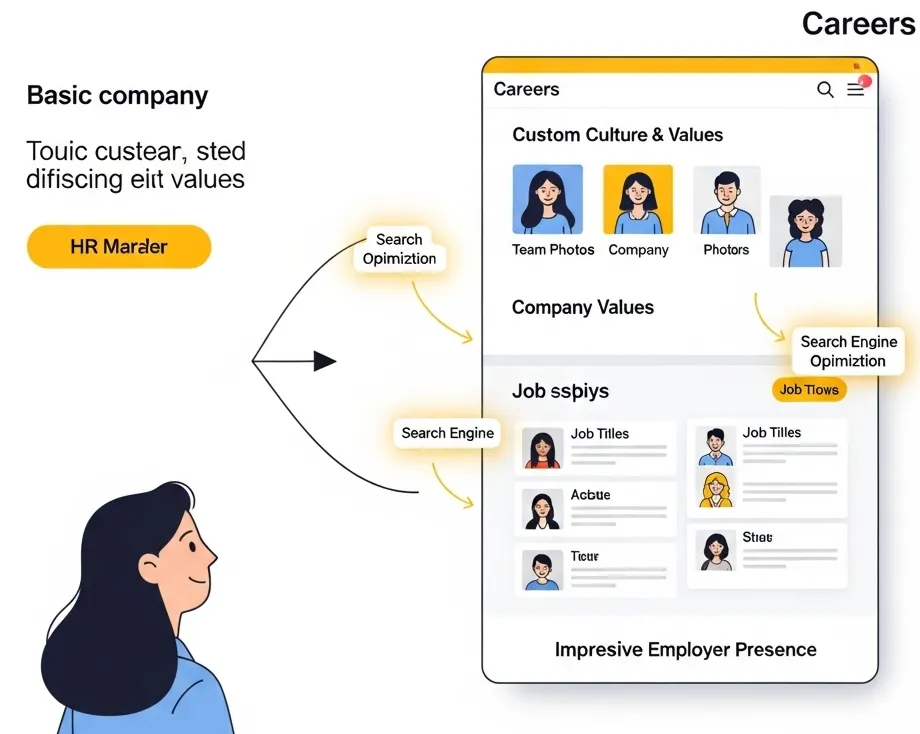
- Ignoring the importance of a strong employer brand.
- Failing to track which sourcing channels deliver the best results.
- Moving too slowly and losing top candidates to competitors.
What a 15-Minute Plan Can't Solve
This framework provides a structure for efficient execution. However, it's important to be honest about what a sourcing plan won't fix on its own.
- A non-competitive salary or benefits package.
- A negative company culture or poor reputation.
- An undefined or constantly changing role definition.
- A long, drawn-out interview process with too many stages.
Get Your Next Hire, Faster
Building a great team doesn't have to be a slow and frustrating process. By creating a focused, 15-minute sourcing plan, you can bring structure and speed to your hiring. When you combine that plan with smart automation, you create a system for consistently finding and hiring the right people.
Frequently Asked Questions
1) What is a sourcing plan in recruitment?
A sourcing plan is a strategy that outlines how you will find, attract, and engage qualified candidates for a specific open role. It includes defining the ideal candidate, choosing the right channels to find them, and planning your outreach messaging.
2) How can AI sourcing tools improve my strategy?
AI sourcing tools can automate repetitive tasks like writing job descriptions, screening resumes for key qualifications, and identifying candidates across multiple platforms. This frees up recruiter time to focus on engaging with top talent and building relationships.
3) What is the most efficient candidate sourcing method?
The most efficient candidate sourcing method often combines multiple approaches: leveraging an existing talent pipeline, using targeted outreach on professional networks like LinkedIn, and posting on niche job boards relevant to the role's industry. The key is to focus on channels where your ideal candidates are most active.
4) How often should I update my recruitment sourcing strategy?
You should review your strategy for each new role to ensure it's tailored to that specific position. It's also wise to do a broader review every quarter to analyze which channels are performing best and to adapt to any changes in the hiring market.
5) What should be included in a candidate sourcing plan template?
A good candidate sourcing plan template should include sections for the ideal candidate profile (must-have vs. nice-to-have skills), target sourcing channels, key metrics for success, outreach message templates, and a defined screening process.
6) How do I know which sourcing channels are best?
Research where professionals in your target role spend their time online. For technical roles, this might be GitHub or Stack Overflow. For creative roles, it could be Behance or Dribbble. For most professional roles, LinkedIn is a primary channel. Track your results to see which channels deliver the most qualified hires.
7) Is a 15 minute sourcing plan realistic for complex roles?
Yes, the 15-minute framework is designed to create a solid starting point for any role. For highly complex or senior roles, you may spend more time on the research phase (minutes 4-6), but the structure helps you focus on the essential first steps needed to build momentum quickly.