Sourcing Strategy Blueprint: 5 Steps to Build Your Playbook
Tired of the post-and-pray hiring model? You run ads, get a flood of resumes, but few are the right fit. Your team spends weeks sifting through applicants, while the perfect candidate is still out there, not even looking. This reactive cycle is slow, expensive, and unpredictable.

Sourcing Strategy Blueprint: 5 Steps to Build Your Playbook
Tired of the post-and-pray hiring model? You run ads, get a flood of resumes, but few are the right fit. Your team spends weeks sifting through applicants, while the perfect candidate is still out there, not even looking. This reactive cycle is slow, expensive, and unpredictable.
A well-defined sourcing strategy blueprint transforms hiring from a guessing game into a predictable system. It gives you a repeatable process to find, engage, and attract top talent, even those not actively applying, so you can fill roles faster with qualified people.
Why Your Current Sourcing Feels So Random
If your hiring feels chaotic, it likely comes down to a few common issues. Many teams struggle because they are:
- Relying on a single job board
Putting all your budget into one platform limits your reach and misses entire pools of talent. - Only targeting active applicants
The best candidates are often happily employed and won't see your job ad. You need a plan for passive candidate sourcing. - Using generic, impersonal outreach
Copy-pasting the same message to everyone results in low response rates and damages your brand. - Lacking data to know what works
Without tracking metrics, you can't tell which channels or messages are effective, leading to wasted effort. - Managing candidates in spreadsheets and DMs
This manual process is prone to errors, causing great candidates to fall through the cracks.
Your 5-Step Sourcing Strategy Blueprint
Building a powerful recruiting playbook doesn't have to be complicated. Follow these five core steps to create a system that delivers consistent results and helps you scale your team efficiently.
- Define Your Ideal Candidate Profile (ICP)
Go beyond the job description. Document the specific skills, experiences, and qualities of your ideal hire, including which online platforms and communities they use. HireZapp's AI can help generate a detailed job description to kickstart this process. - Map Your Sourcing Channels
Based on your ICP, identify the top 3-5 places to find them. This is the foundation of effective multi-channel sourcing, ensuring you are looking where your ideal candidates actually are. - Build Your Outreach Messaging
Develop a clear candidate outreach strategy with templates for each channel. Personalize your messages by referencing a specific project or skill to show you've done your research. - Execute Your Search and Engagement Plan
Start your search using targeted keywords and techniques like boolean search for recruiters to narrow down results. Use a system to track who you've contacted and when to follow up. - Measure, Analyze, and Iterate
Track key metrics like response rates and interview-to-hire ratios for each channel. Use this data to double down on what works and refine your playbook over time.
Templates You Can Copy Today
Use these templates as a starting point. Adapt them to fit your company voice and the specific role you're hiring for.
Example: Sourcing Channel List (SaaS Sales Role)
- LinkedIn Sales Navigator
For targeting by company size, industry, and title. - Niche Job Boards
Like Sales Gravy or other industry-specific sites. - Competitor Company Career Pages
To identify professionals with relevant experience. - Online Sales Communities
For finding engaged professionals in forums or Slack groups.
Example: Initial Outreach Message
Recruiter reality : "Hi [Candidate Name], I saw your work on [Project or Skill] and was really impressed. We're looking for a [Role Title] at [Your Company] to help us solve [Specific Problem], and your background seems like a great fit. Would you be open to a brief chat next week to learn more?"
Where HireZapp Fits In Your Playbook
A playbook gives you the plan, and HireZapp provides the tools to execute it efficiently. Here’s how our features support your sourcing efforts:
- AI Job Description Generation
Creates optimized, inclusive job posts that attract qualified applicants from the start. - Sourcing Playbooks
Offers built-in guidance on where to find candidates and provides pre-built boolean search strings for different roles. - Multi-Channel Screening
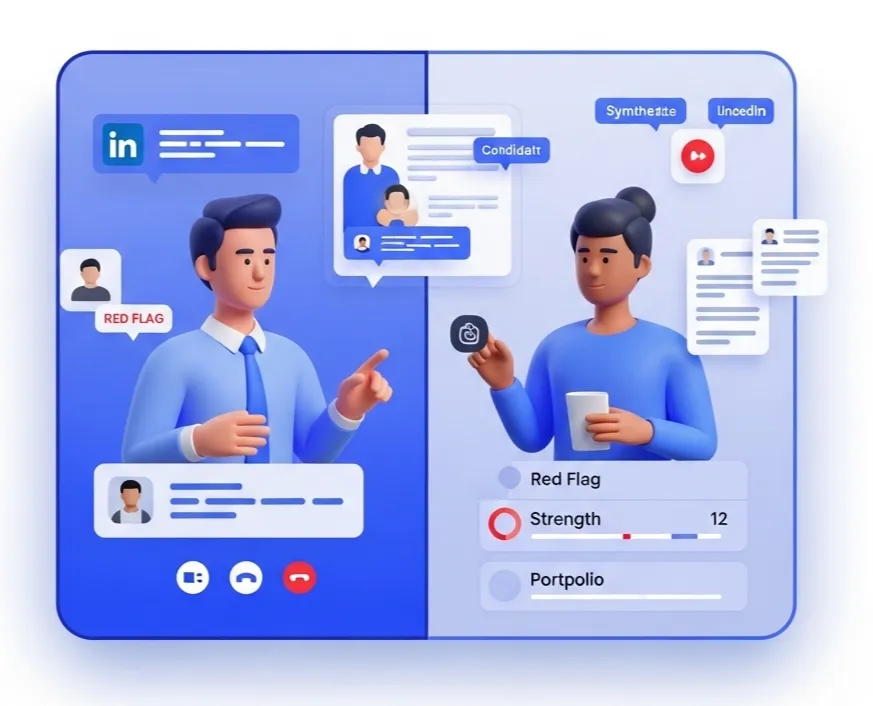
Consolidates candidate profiles from sources like LinkedIn and GitHub into one unified view in your ATS pipeline. - Automated Follow-ups
Nurtures interested candidates without manual effort, ensuring no one slips through the cracks. - Branded Careers Page
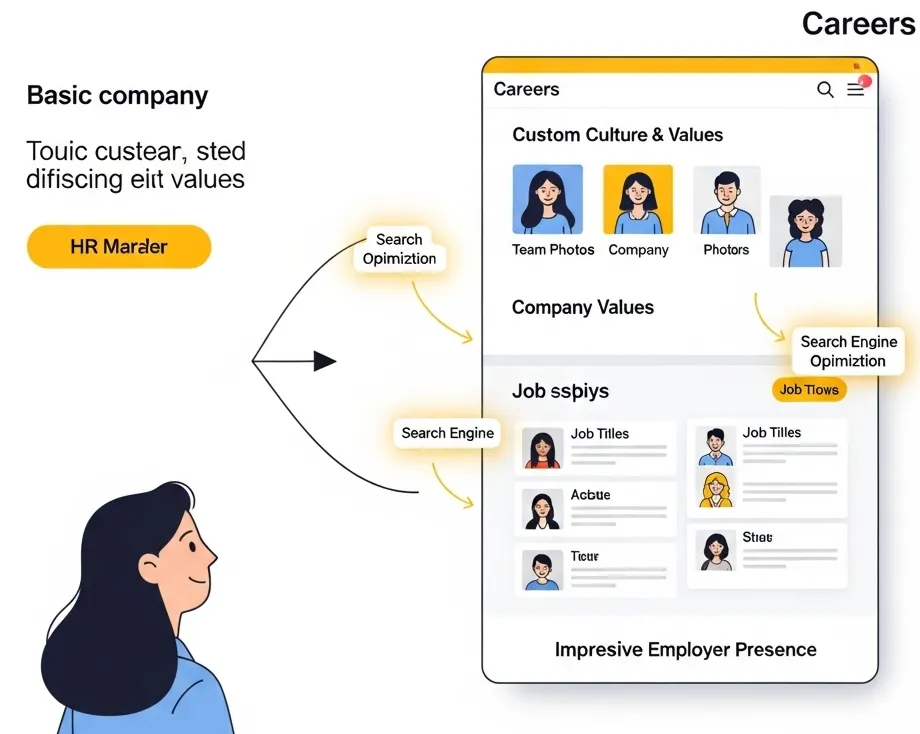
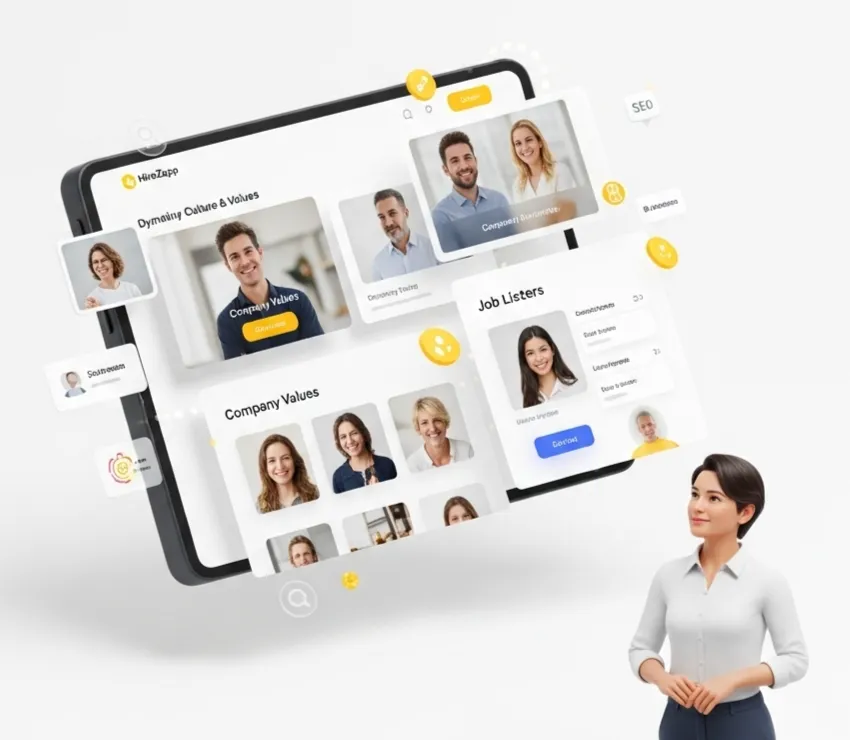
Builds a professional employer brand that makes passive candidates more likely to respond and apply.
Build Your Sourcing Playbook with AI Power
Transform your sourcing blueprint into an AI-driven engine. Automate, optimize, and attract top talent effortlessly.
Common Mistakes That Keep Teams Stuck
Even with a plan, it's easy to fall into old habits. Watch out for these common traps:
- Ignoring your employer brand on social media and review sites.
- Sending messages without any personalization.
- Failing to track basic metrics like source of hire.
- Giving up on a great candidate after just one unanswered message.
- Not using a centralized system to manage the candidate pipeline.
- Forgetting to build a talent pool for future openings.
What This Won't Fix
A great sourcing strategy is powerful, but it's not a magic wand. It can't solve underlying business problems. A playbook won't fix:
- A non-competitive salary and benefits package.
- A negative company culture or poor leadership.
- A slow, disorganized, or frustrating interview process.
- A product or service that people don't want to work on.
Build Your Hiring Engine
Stop chasing candidates and start building a predictable pipeline of talent. By creating a sourcing playbook, you move from reactive hiring to a strategic system that finds the right people faster. This repeatable process is the key to scaling your team with confidence.
Frequently Asked Questions
Build Your Sourcing Playbook with AI Power
Transform your sourcing blueprint into an AI-driven engine. Automate, optimize, and attract top talent effortlessly.
1) What is a talent sourcing strategy?
A talent sourcing strategy is a proactive plan for identifying, engaging, and attracting qualified candidates for current and future job openings. It goes beyond posting job ads and includes methods for finding passive candidates who are not actively looking for a new role.
2) How do I start to build a sourcing plan?
Start by deeply understanding the roles you need to fill. Define the ideal candidate profile, identify the top 3-5 channels where those candidates spend their time, and then create outreach message templates. Finally, set up a simple system to track your activities and results.
3) What's the difference between a sourcing strategy and a recruiting playbook?
A sourcing strategy is the high-level approach and philosophy for how you'll find talent. A recruiting playbook is the tactical, step-by-step guide that documents the specific processes, tools, templates, and metrics your team will use to execute that strategy consistently.
4) How can I improve my sourcing for passive candidates?
Focus on personalization and value. Your outreach should show you've done your research on their profile and explain why the opportunity is uniquely relevant to their skills. Build relationships over time rather than just asking for an interview in the first message.
5) What are the most important sourcing metrics to track?
Start with these four: response rate to your outreach messages, conversion rate from initial contact to first interview, source of hire (which channel produced the hire), and time-to-fill for the role.
6) How can AI sourcing tools help my team?
Modern AI sourcing tools can help you write better job descriptions, identify candidates who match your criteria from vast talent pools, automate personalized outreach sequences, and uncover data-driven insights to optimize your overall strategy.
7) What is the first step in creating a sourcing blueprint?
The very first step is to collaborate with the hiring manager to create a detailed Ideal Candidate Profile. This profile is the foundation upon which your entire channel selection, messaging, and search strategy will be built.