Candidate Source Tracking: Which Channels Actually Work
You are spending time and money on job posts, LinkedIn messages, and maybe even Meta ads. But your pipeline is filled with a mix of great candidates, unqualified applicants, and total silence. It feels impossible to know which channels are delivering real hires and which are just wasting your budget.

A Practical Guide to Candidate Source Tracking: Find What Works
You are spending time and money on job posts, LinkedIn messages, and maybe even Meta ads. But your pipeline is filled with a mix of great candidates, unqualified applicants, and total silence. It feels impossible to know which channels are delivering real hires and which are just wasting your budget.
Effective candidate source tracking is the only way to get clarity. It moves you from guessing to knowing, allowing you to invest your resources where they will actually help you close roles faster. It’s about replacing confusion with a clear, data-backed hiring strategy.
Why It's So Hard to Know What's Working
Many recruiters and founders find themselves buried in spreadsheets or trying to manage applicants across emails, DMs, and multiple job boards. The real problem usually comes down to a few common issues:
- Manual data entry leads to mistakes and forgotten information.
- Candidates often apply through multiple channels or forget how they first found you.
- There is no single, central dashboard to see how all your channels perform side-by-side.
- You end up focusing on the number of applicants, not the quality of hires.
- Different platforms provide analytics in different formats, making comparisons difficult.
A Step-by-Step Playbook for Effective Candidate Source Tracking
Getting control of your data does not have to be complex. A systematic approach helps you measure recruiting channel effectiveness and make smarter decisions. Here is a simple process to get started.
- List Every Channel
Write down every single place you post jobs or find candidates, from LinkedIn and job boards to employee referrals and community groups. - Create Unique Links
Use your Applicant Tracking System (ATS) to generate a unique application link for each specific channel and post. This is the foundation of accurate tracking. - Configure Your ATS
Ensure your ATS is set up to automatically capture the source from your unique links the moment a candidate applies. No more manual selection. - Define Your Key Metrics
Decide what success looks like. Focus on metrics like Cost-Per-Hire, Time-To-Hire, and candidate conversion rates for each stage. - Review Your Data Regularly
Set aside time each week or month to look at your recruitment analytics. Identify trends and patterns. - Double Down or Cut Back
Based on the data, shift your budget and effort toward the channels that deliver the best candidates and cut the ones that do not.
Templates You Can Copy and Use
To measure success, you need simple formulas. Here are two essential calculations to help you measure your hiring channel ROI.
How to Calculate Cost-Per-Hire by Source
This tells you how much it costs to make one hire from a specific channel.
- Formula: (Total Channel Ad Spend + Associated Internal Costs) / Number of Hires From That Channel = Cost-Per-Hire
- Example for LinkedIn Ads: ($1000 Ad Spend + $200 Staff Time) / 4 Hires = $300 Cost-Per-Hire
How to Calculate Time-To-Hire by Source
This shows you how quickly a channel delivers candidates who get hired.
- Formula: Sum of (Date of Hire - Date of Application) for all hires from a channel / Number of Hires From That Channel = Average Time-To-Hire
- Example for Employee Referrals: (15 days + 20 days + 25 days) / 3 Hires = 20 Days Average Time-To-Hire
How HireZapp Automates Source Tracking
Instead of managing this process with spreadsheets, a modern platform like HireZapp builds it directly into your workflow. This helps you easily track applicant sources and see what is working at a glance.
- AI-Powered Job Forms
Automatically generate application forms with built-in source tracking, so data is captured correctly from day one. - Centralized ATS Pipeline
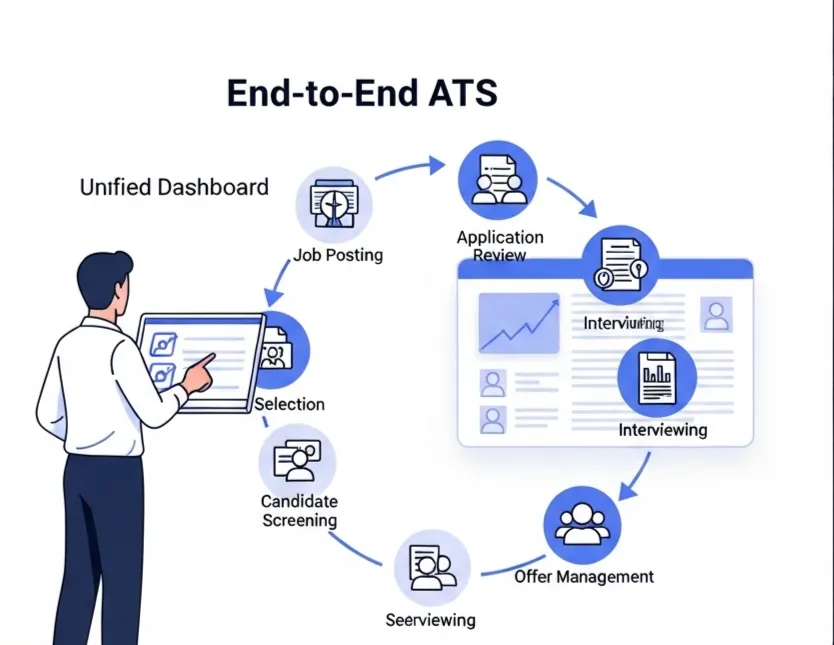
See every candidate from every channel in one visual pipeline, making it easy to monitor candidate conversion by source at each stage. - Sourcing Playbooks
Get guidance on which channels to use for different roles and how to track them, helping you discover and optimize new sources. - Employer Branding Tools
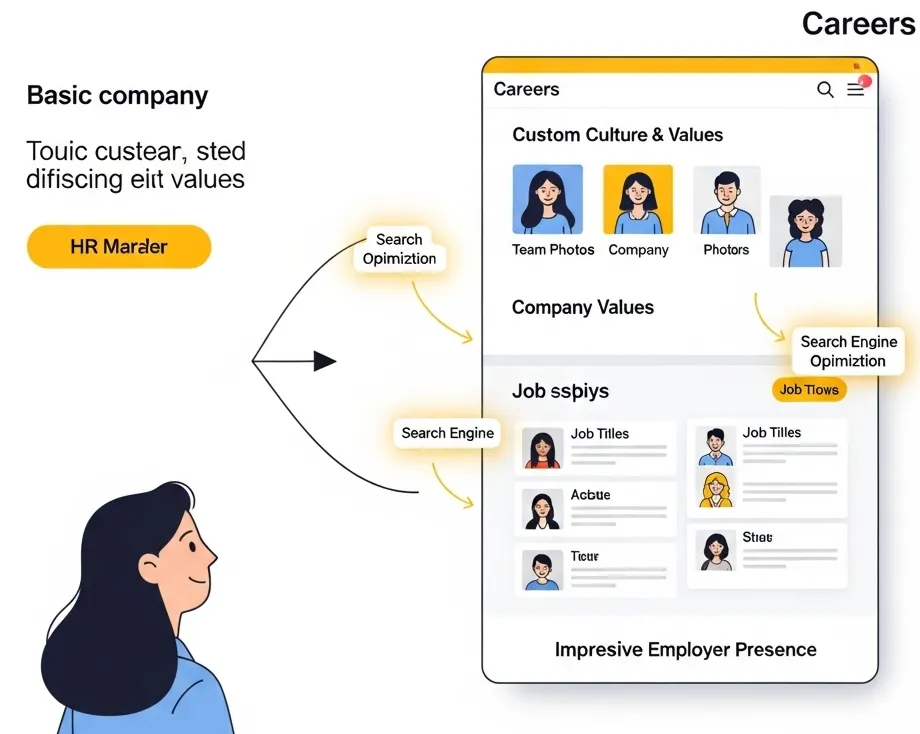
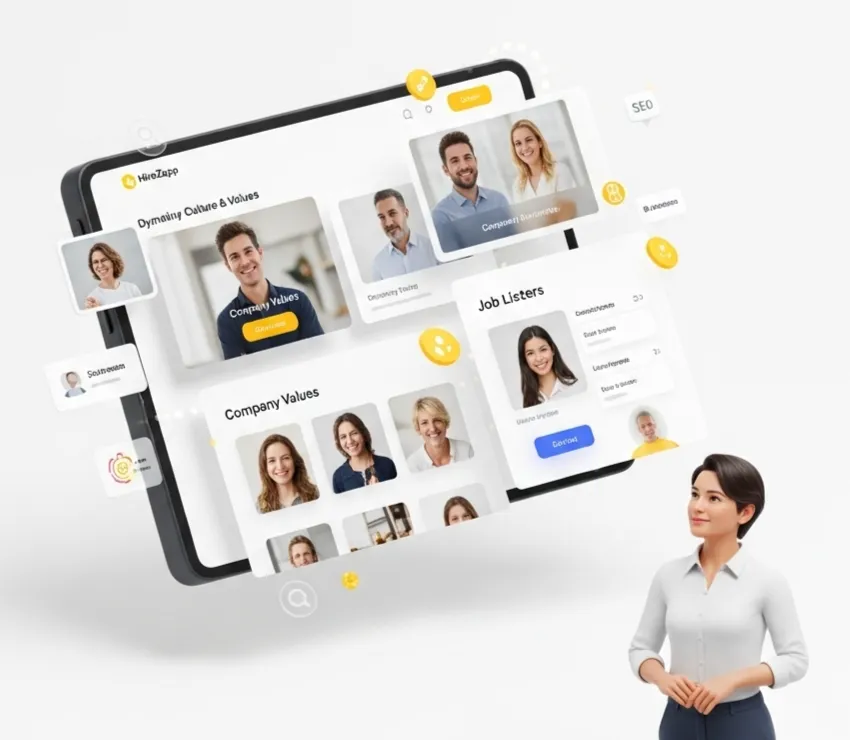
Ensure your branded careers page and job posts are connected to your ATS for seamless tracking of direct applicants.
Common Mistakes That Keep Teams Stuck
Implementing a tool is just one part of the solution. To truly succeed, avoid these common pitfalls that prevent teams from getting value from their data.
- Forgetting to track offline sources like referrals and events.
- Focusing only on the volume of applicants instead of the quality of hires.
- Failing to get buy-in from the whole team to use the system consistently.
- Using too many disconnected tools that create data silos.
- Collecting data but never using it to make decisions to optimize recruiting channels.
Recruiter reality: “We thought our paid job board ads were our top source. After tracking, we realized our best hires actually came from a free community newsletter. We completely changed our budget after that.”
A Quick Reality Check: What Tracking Won't Fix
Source tracking provides incredible clarity, but it is not a magic wand. Being honest about its limits helps you focus on the whole hiring picture.
- It cannot fix a confusing or slow interview process.
- It will not make up for uncompetitive salary or benefits.
- It cannot save a poorly written job description that repels good candidates.
- It will not solve a negative employer brand reputation.
Optimize Your Recruiting ROI Now
HireZapp's AI-powered ATS reveals your top channels, automating tracking for maximum recruitment ad ROI.
Frequently Asked Questions
1) What is candidate source tracking?
Candidate source tracking is the process of identifying, recording, and analyzing where your applicants are coming from. This data helps you understand which recruiting channels deliver the most qualified candidates and highest return on investment.
2) How do you track applicant sources without an ATS?
While challenging, you can use spreadsheets and unique links. Create different Bitly links for each job post location that all point to one application form (like Google Forms). Then, manually compile the data. However, this is time-consuming and prone to errors.
3) What are the best recruiting sources?
The best sources depend on the role, industry, and location. Common high-performers include employee referrals, niche job boards, and direct sourcing on platforms like LinkedIn. The only way to know the best sources for you is to track your own data.
4) How does an applicant tracking system sources feature work?
An applicant tracking system sources feature works by automatically tagging each applicant with the channel they came from. This is usually done by creating unique application links for each job board or ad, so when a candidate applies, the system logs the source without any manual input.
5) Why is quality of hire more important than applicant volume?
A high volume of applicants can waste significant time if most are unqualified. Focusing on quality of hire, measured by things like new-hire performance and retention, ensures your recruiting efforts lead to long-term success for the company.
6) How do I measure recruiting channel effectiveness?
Measure effectiveness by tracking key metrics per channel. These include Cost-Per-Hire, Time-To-Hire, conversion rate from applicant to hire, and quality of hire. The most effective channels are those that deliver high-quality hires quickly and affordably.