Multi-Channel Screening: How to Combine LinkedIn, GitHub, Portfolios, and Resumes Effectively
A perfect resume lands on your desk, but something feels off. The candidate looks great on paper, but you have a nagging feeling you are missing the full story. This gap between a resume and a candidate’s true ability is where great hires are lost and countless hours are wasted on interviews that go nowhere.


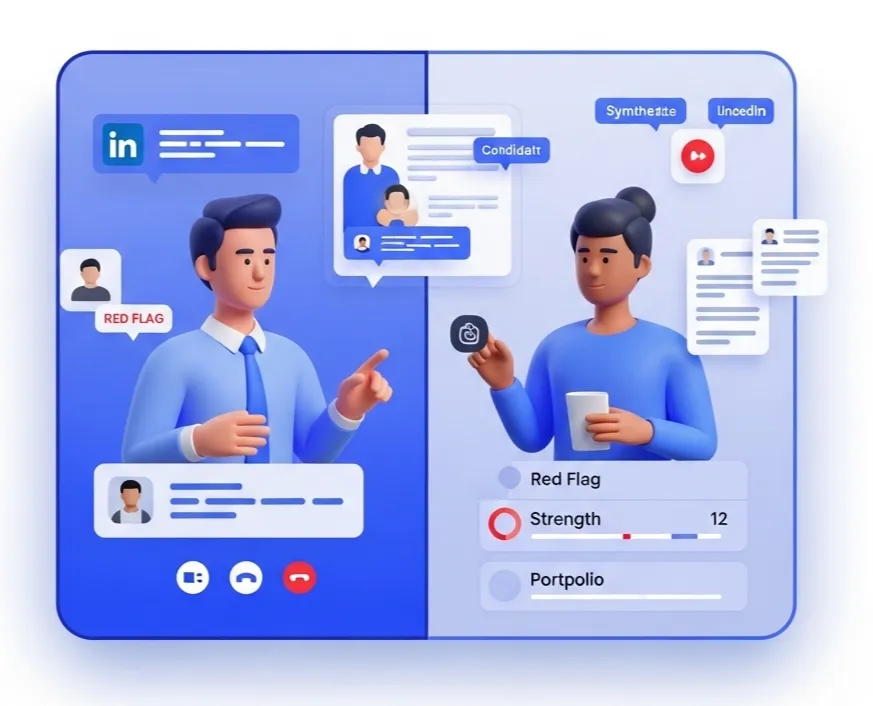
Multi-Channel Screening: A Guide to Reviewing Candidates Holistically
A perfect resume lands on your desk, but something feels off. The candidate looks great on paper, but you have a nagging feeling you are missing the full story. This gap between a resume and a candidate’s true ability is where great hires are lost and countless hours are wasted on interviews that go nowhere.
By moving beyond the resume and embracing a holistic view, you can see the complete picture of a candidate's skills, experience, and potential. This approach is key to improving your hiring efficiency and making more confident decisions.
Why Your Screening Process Feels So Disconnected
If you are juggling browser tabs, forms, and DMs to piece together candidate information, you are not alone. Many recruiters struggle with a fragmented process. The core issues are often simple but powerful blockers to effective hiring.
- Relying only on resumes means you miss proof of practical skills and real-world application.
- Manually checking LinkedIn, GitHub, and portfolios for every applicant is incredibly time-consuming.
- Inconsistent information across platforms makes it hard to compare candidates fairly.
- You constantly lose context switching between different websites and documents.
- There is no central place to consolidate candidate data, leading to scattered notes and lost details.
- It is nearly impossible to track a candidate's journey if they applied through different channels.
Your Step-by-Step Playbook for Effective Multi-Channel Screening
Creating a structured process is the fastest way to gain clarity and speed up your hiring. This playbook turns a chaotic review into a repeatable system for effective candidate screening.
- Define your key signals for each channel. Decide what a “good” profile looks like on LinkedIn versus a strong portfolio for your specific role.
- Start with the resume as your baseline. Use it to quickly confirm that the candidate meets the basic, non-negotiable requirements for the job.
- Perform a targeted linkedin screening for professional context. Look for career progression, consistent timelines, and endorsements that align with their stated skills.
- Analyze technical proof with github screening. For tech roles, review repository activity, code quality, and contributions to see their work in action.
- Review portfolios for tangible results. For creative or project-based roles, a portfolio screening shows the quality and impact of their past work.
- Centralize all your notes in one system. Whether it is a simple spreadsheet or an ATS, having one source of truth is critical.
- Score every candidate against the same scorecard. This removes guesswork and helps you compare applicants objectively.
- Flag any inconsistencies or questions. Use these insights to prepare for a more focused and productive interview.
A Practical Screening Checklist You Can Use Today
Use this simple checklist to ensure you are evaluating every candidate consistently across all channels. It provides a framework for a balanced and thorough review.
- Resume Alignment
Does the resume clearly match the core skills and experience listed in the job description? - LinkedIn Consistency
Does the work history on LinkedIn match the resume without major gaps or discrepancies? - GitHub Activity
For technical roles, is there evidence of relevant, recent project contributions? - Portfolio Quality
Does the work in their portfolio demonstrate the skill level required for the position? - Professionalism
Is the tone and communication style across their public profiles professional? - Holistic Picture
Does the combined view from all channels present a strong, cohesive case for this candidate?
How to Automate This Process Without Losing Quality
Manually implementing this playbook can be a lot of work. Modern tools help automate the data gathering so you can focus on making the final decision. This is where HireZapp streamlines your workflow.
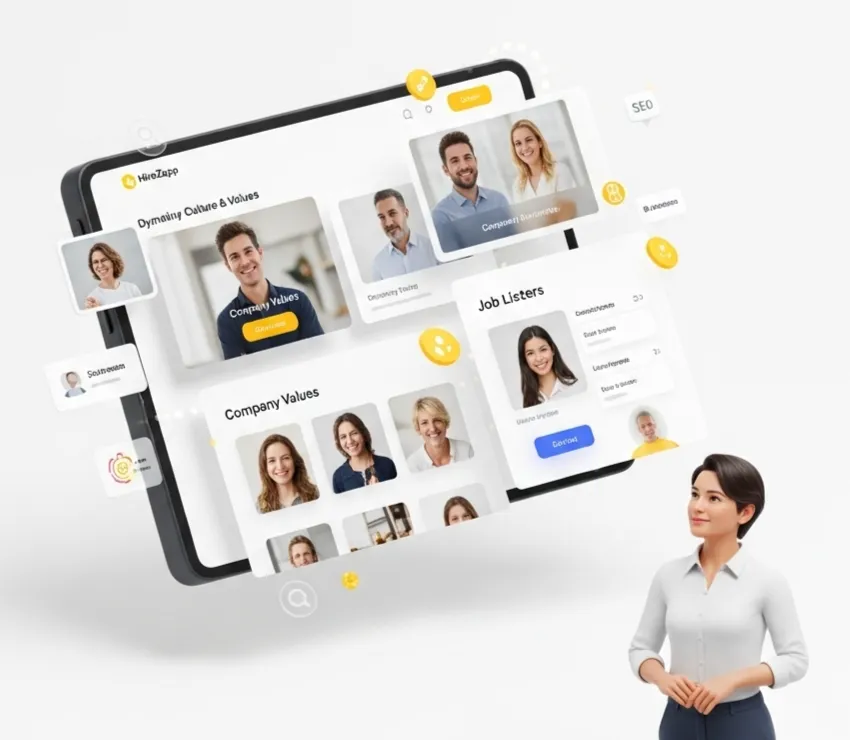
- Multi-Channel Screening Hub
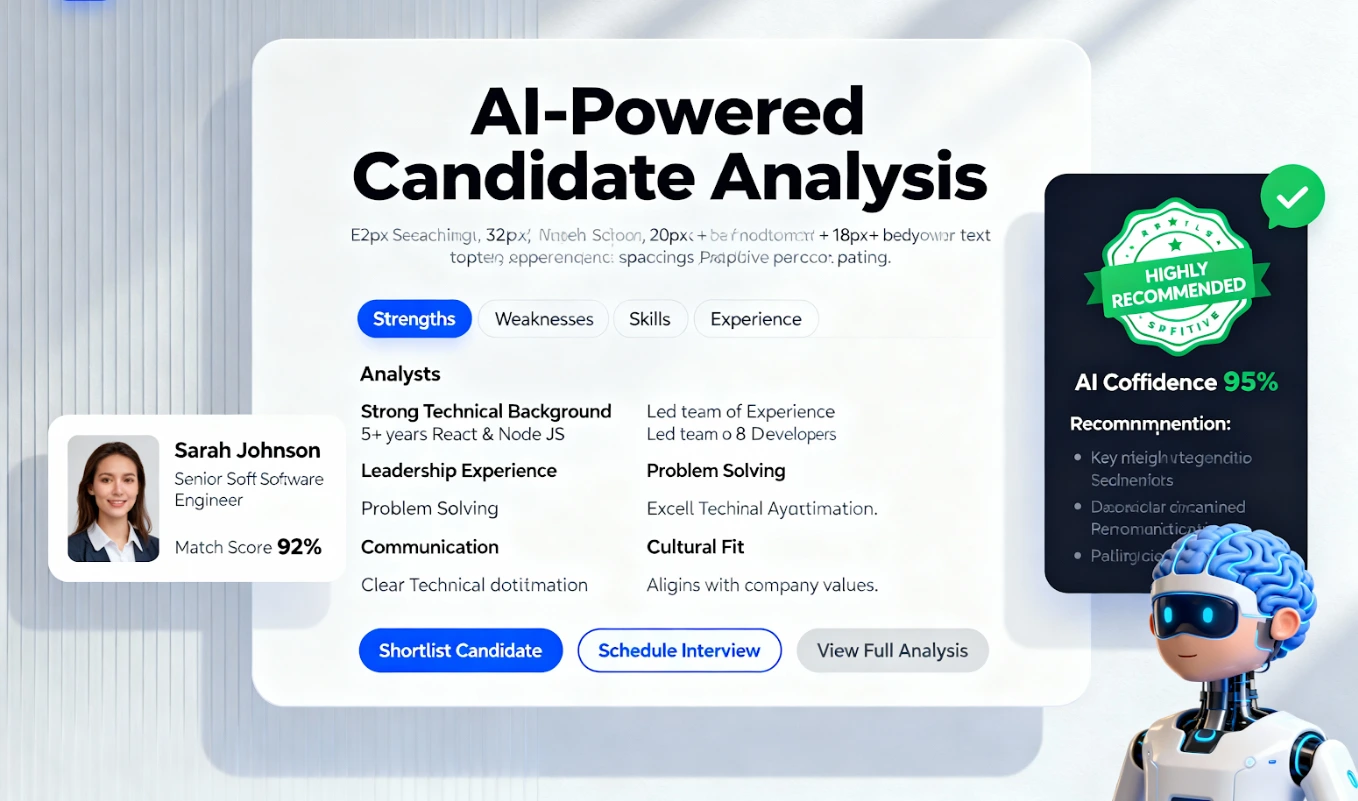
HireZapp automatically pulls data from LinkedIn, GitHub, and other sources into a single, unified candidate profile. - Job Match Score
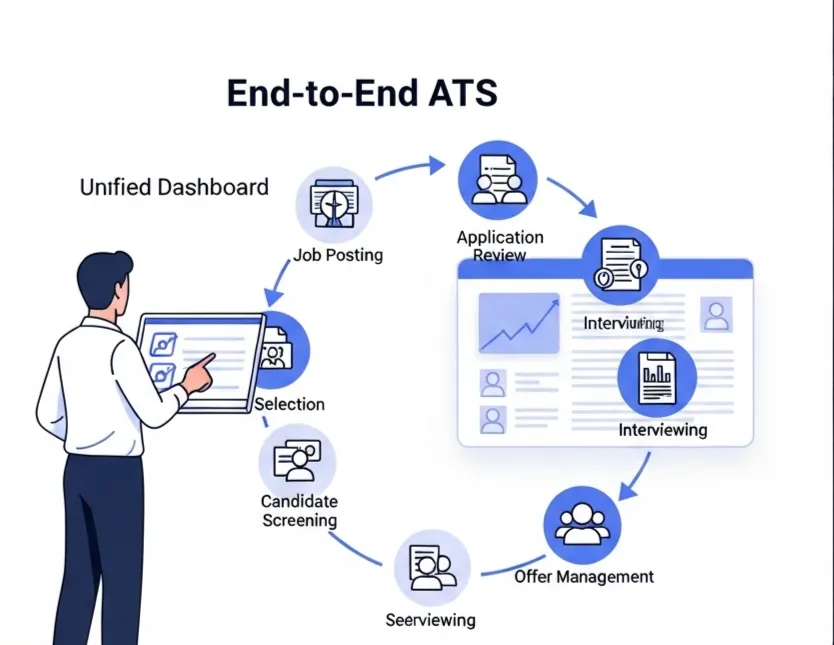
Our AI instantly scores applicants against your job requirements, letting you focus on the most qualified candidates first. - Assessments and ATS Pipeline
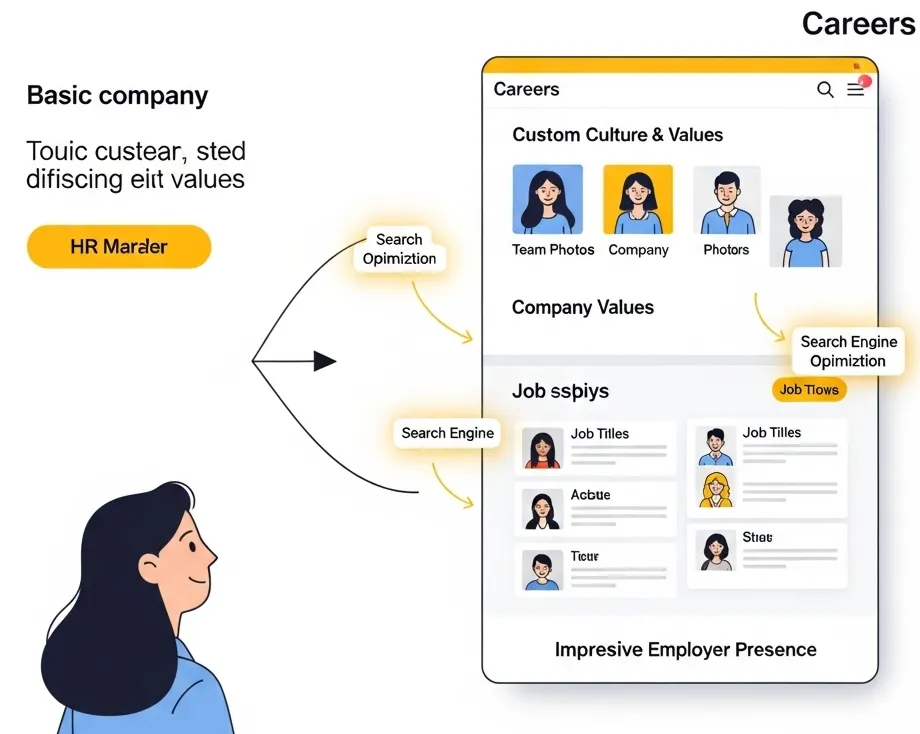
Seamlessly move promising candidates from screening to skills tests and interviews within one integrated system. - Employer Branding Suite
Ensure every touchpoint, from the job post to follow-up emails, reflects your company's brand and professionalism.
Common Pitfalls in Candidate Screening and How to Avoid Them
Even with a good process, small mistakes can lead to poor hiring outcomes. Watch out for these common traps that keep recruiting teams stuck in slow, ineffective cycles.
- Ignoring major inconsistencies between a candidate’s resume and their LinkedIn profile.
- Allowing unconscious bias from a profile picture or background to influence your decision.
- Spending 90% of your time on the resume and only 10% on their actual work samples.
- Failing to document your reasons for advancing or rejecting a candidate.
- Using different evaluation criteria for different applicants, leading to unfair comparisons.
- Relying on manual copy-pasting of information, which introduces errors and wastes time.
Recruiter reality: “I used to have five tabs open per candidate. Now, I have one. It’s not just about saving time; it’s about being able to actually think clearly about who is the best fit.”
What a Better Screening Process Can't Solve
A great screening process is a powerful tool, but it is not a magic wand. To build trust, it is important to be honest about what it cannot fix on its own.
- A confusing or poorly written job description that attracts unqualified applicants from the start.
- A negative employer brand that discourages top talent from applying.
- A disorganized or disrespectful interview process that comes after the screening stage.
- An uncompetitive salary or benefits package for the role you are trying to fill.
Ultimately, a strong multi-channel screening process helps you make the most of the applicant pool you attract. It ensures you can accurately identify the best possible talent from that group and move them forward with confidence.
Streamline Multi-Channel Screening. Hire Smarter.
Stop juggling platforms. HireZapp's AI integrates all candidate data, automating multi-channel screening for unified, efficient hiring.
Frequently Asked Questions
1) What is multi-channel screening in recruitment?
Multi-channel screening is the practice of evaluating candidates by looking at information from multiple sources, not just their resume. This includes professional networks like LinkedIn, code repositories like GitHub, personal portfolios, and other relevant online profiles to get a complete view of their skills and experience.
2) How can I improve my recruiter screening process?
You can improve your recruiter screening process by creating a standardized checklist, defining what you need to see on each channel, centralizing all candidate data in one place like an ATS, and using tools to automate repetitive data collection tasks. Consistency is key.
3) What should I look for during LinkedIn screening for a tech role?
For a tech role, look for more than just job titles. Check for detailed project descriptions, specific technologies listed in their skills section, recommendations from former colleagues or managers, and any relevant professional certifications or articles they have shared.
4) Is GitHub screening only useful for developers?
While most valuable for developers and engineers, GitHub screening can also be useful for technical writers, data analysts, and product managers who work closely with technical teams. It shows their familiarity with development workflows and their ability to collaborate in a technical environment.
5) How do I avoid bias when screening from multiple sources?
To avoid bias, create and stick to a standardized scorecard based on the job's core requirements. Focus only on the information relevant to the role's competencies. It can also be helpful to have a second person review your top candidates to ensure a fair evaluation.
6) What are the key benefits of using AI screening tools?
The main benefits of AI screening tools are speed and consistency. They can instantly analyze hundreds of profiles against your job criteria, score candidates objectively, and consolidate information automatically. This frees up recruiters to focus on strategic tasks like interviewing and building relationships.
7) How can I measure the effectiveness of my screening channels?
Track metrics like which channel brings you the most candidates who pass the initial screen, which source leads to the most hires, and the time it takes to move a candidate from application to interview. This data will show you which channels provide the highest quality applicants.