How to Design a Sourcing Strategy for Niche Tech and Design Roles
Finding a Senior Rust Developer with WebAssembly experience or a Lead Product Designer for enterprise fintech feels impossible on standard job boards. You post a role and either get silence or a flood of unqualified applicants, while the perfect candidates are happily employed and ignoring generic LinkedIn messages.

A Practical Guide to Your Niche Tech Sourcing Strategy
Finding a Senior Rust Developer with WebAssembly experience or a Lead Product Designer for enterprise fintech feels impossible on standard job boards. You post a role and either get silence or a flood of unqualified applicants, while the perfect candidates are happily employed and ignoring generic LinkedIn messages.
This isn't a sign of a talent shortage. It's a sign that your old methods don't work for highly specialized roles. The key is to stop broadcasting and start targeting with a clear, repeatable plan.
Why Your Usual Recruiting Methods Fall Short
When you're looking for niche talent, the rules of the game change. The challenges that many recruiters notice are different from high-volume hiring. Here’s why your standard approach isn't working:
- Top talent is passive.
The best people aren't scrolling job sites; they are busy building great products. You have to go to them. - Generic JDs get ignored.
Specialists can spot a copy-pasted job description from a mile away and will not engage with it. - Competition is invisible.
You aren't just competing with other job posts. You're competing with a candidate's current project, their team, and their comfort. - Broad platforms are noisy.
Major job sites are too crowded, making it difficult for your specific role to reach the right audience. - Your outreach sounds like spam.
Without personalization that shows you've done your research, your message is just another one to delete.
Your Step-by-Step Plan for a Better Niche Tech Sourcing Strategy
Building a successful process for specialized talent acquisition requires precision and a structured approach. This playbook breaks it down into manageable steps you can start using today.
- Define the “Micro-Niche” Precisely.
Go beyond the job title. List the specific tools (e.g., Figma, Golang), industries (e.g., HealthTech), and project types (e.g., API design) that define the ideal candidate. - Map Out Their Digital Hangouts.
Find where these professionals gather online. This could be GitHub for developers, Dribbble or Behance for designers, or specific Slack and Discord communities. - Craft a Hyper-Targeted Job Description.
Write a JD that speaks their language. Highlight the specific technical challenges they will solve and the impact their work will have. - Build Your Boolean and X-Ray Searches.
Create targeted search strings to find profiles outside of LinkedIn. This is essential for uncovering hidden talent on portfolio sites and community pages. - Develop Personalized Outreach Snippets.
Prepare message templates that are 80% standard but have a 20% personalization slot. Reference a specific project or skill you saw. - Activate Your Employer Branding.
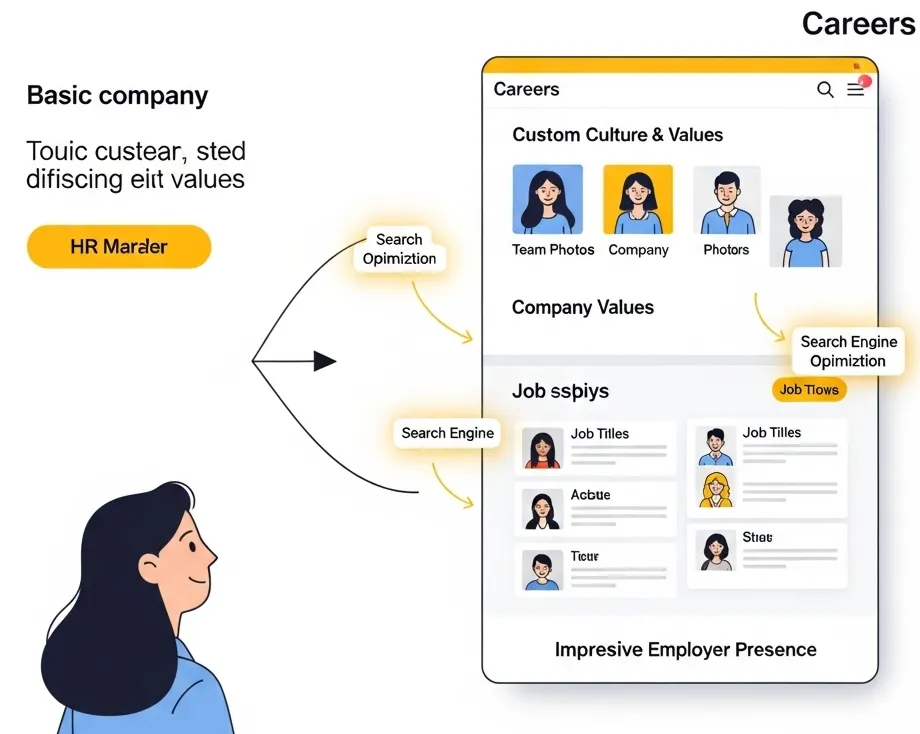
Ensure your careers page and company profiles showcase why a top specialist would want to work with you. Highlight your tech stack, culture, and interesting projects. - Screen Across Multiple Channels.
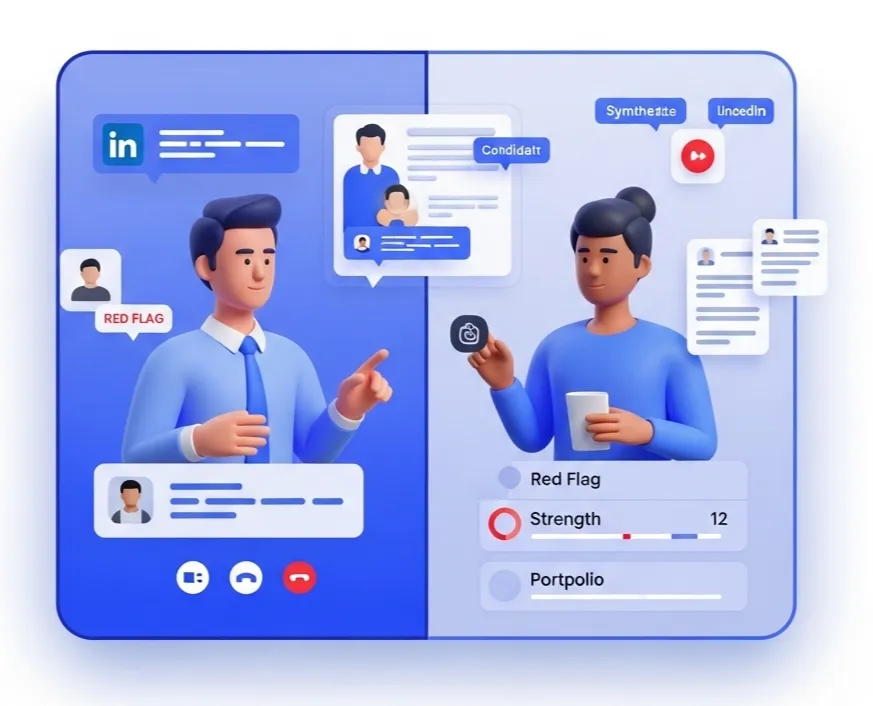
Review a candidate's full professional footprint. Look at their LinkedIn, GitHub repositories, and personal portfolio to get a holistic view of their skills. - Track Every Interaction Centrally.
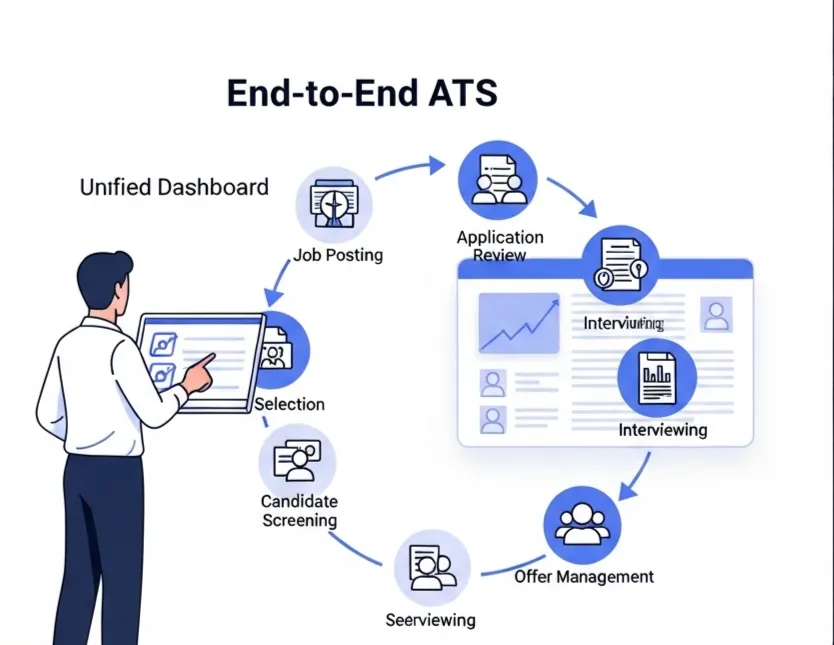
Use a simple Applicant Tracking System (ATS) to manage your pipeline. This prevents you from losing track of conversations and follow-ups.
Sourcing Templates You Can Copy
Stop starting from scratch. Use these proven templates as a foundation for your sourcing efforts. Adapt them to fit the specific role you're hiring for.
Example: Boolean Search for a Senior React Native Developer
Here is a sample string for a boolean search tech roles that you can adapt for Google or other search engines:
("React Native" OR "ReactNative") AND ("Senior" OR "Sr." OR "Lead") AND ("iOS" OR "Android") AND ("TypeScript" OR "Redux") -job -jobs -careers -apply -hire
Template: Personalized Outreach Message
Keep your first message short, respectful, and specific. This is crucial for sourcing passive candidates tech.
Hi [Candidate Name],
I saw your [Project Name] on GitHub and was really impressed with your approach to [Specific Feature]. We are building out our mobile team at [Your Company] and are looking for a senior developer to help us solve [Specific Challenge].
Would you be open to a brief, no-pressure chat next week to learn more?
Checklist: Designing Your Sourcing Strategy
- Role Definition: Have we identified the must-have vs. nice-to-have skills?
- Community Research: Have we listed at least 3-5 niche platforms or communities to search?
- Keyword List: Do we have a list of primary and secondary keywords for our searches?
- Outreach Template: Is our messaging template created with a clear personalization field?
- Employer Brand Assets: Is our careers page updated and ready to share?
- Tracking System: Do we have a central place to track every candidate interaction?
How to Automate Your Niche Sourcing Workflow
A manual process can quickly become overwhelming, especially when you are managing multiple niche roles. The right tools help you stay organized and move faster without losing that personal touch. HireZapp is designed to centralize this exact workflow.
- Sourcing Playbooks
Store your best boolean strings, outreach templates, and community links right inside HireZapp to ensure your team uses a consistent, effective approach. - AI Job Description Generation
Create compelling, targeted job descriptions that speak directly to niche experts, saving you hours of writing time. - Multi-Channel Screening
Pull in profiles from LinkedIn, GitHub, and personal portfolios into one unified candidate view, giving you a complete picture instantly. - Automated ATS Pipeline
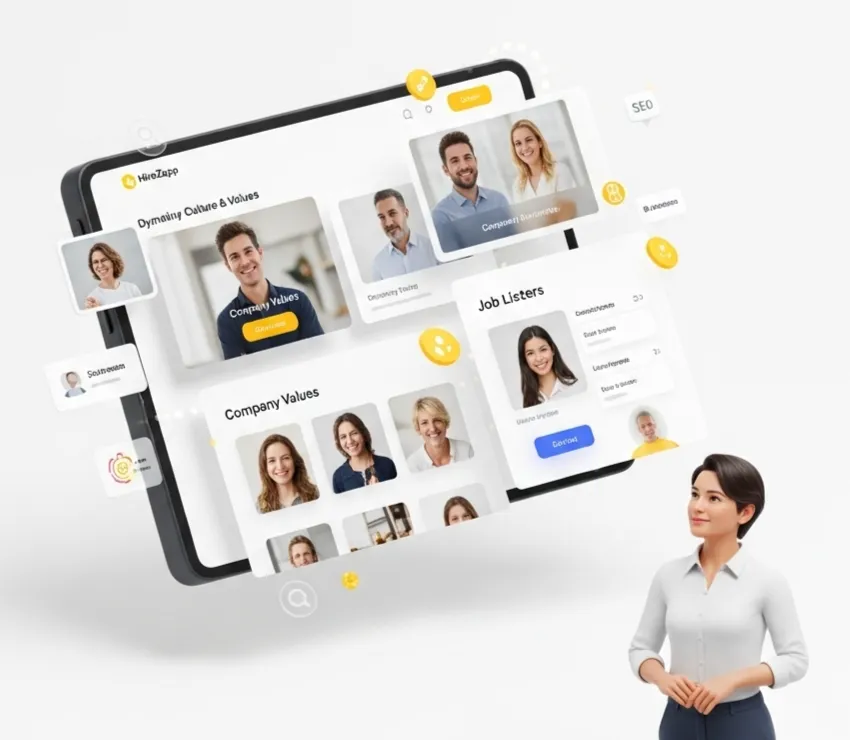
Move candidates from outreach to interview without getting lost in spreadsheets. Automated follow-ups ensure no one slips through the cracks. - Branded Careers Page & Job Posts
Reinforce your employer branding tech with a professional, easy-to-manage careers page that attracts top talent.
Common Mistakes That Keep Teams From Hiring Niche Talent
Even with a good strategy, small mistakes can derail your efforts. Avoid these common pitfalls:
- Relying only on LinkedIn and ignoring other platforms.
- Sending generic, copy-pasted outreach messages.
- Failing to mention specific technical challenges or projects.
- Having a slow, multi-step application process that causes drop-offs.
- Forgetting to sell the opportunity and the team.
- Not tracking candidate conversations, leading to embarrassing double messages.
A Sourcing Strategy is Powerful, But It Can’t Fix Everything
A targeted strategy will dramatically improve your pipeline quality. However, it's important to be realistic. This process will not solve foundational issues, such as:
- A non-competitive salary or benefits package.
- A toxic or poorly reviewed company culture.
- A poorly defined role with unrealistic expectations from leadership.
- A slow internal interview process that leaves candidates waiting for weeks.
Get Your Niche Hiring Right
Finding specialized tech and design talent is not about luck. It's about designing a deliberate, targeted process that meets great candidates where they are. By building a clear plan and using the right tools to keep it organized, you can stop chasing applicants and start having conversations with the right people for your team. This focused approach is the core of effective tech talent sourcing.
Find Niche Talent, Automate Sourcing.
Stop manual searching. HireZapp's AI automates niche talent sourcing and screening for specialized roles.
Frequently Asked Questions
1) What is a niche sourcing strategy?
A niche sourcing strategy is a targeted recruitment plan designed to find and engage candidates with very specific, in-demand skills, often in tech or design. It focuses on searching in specialized communities and using personalized outreach instead of relying on general job boards.
2) How do I find passive candidates for tech roles?
You can find passive candidates by searching on platforms where they showcase their work, like GitHub, Dribbble, or Behance. You can also join professional Slack communities, attend virtual meetups, and use advanced search techniques like X-ray and Boolean searches to find profiles on the open web.
3) What are the best platforms for design role sourcing?
For design role sourcing, look beyond LinkedIn. The best platforms are portfolio-based sites like Dribbble, Behance, and Awwwards, where you can see the quality of a designer's work directly. Niche communities on platforms like Slack and Discord can also be valuable.
4) Can you give an example of a boolean search for a developer?
Certainly. To find a Python developer in London with experience in Django, you could use a string like: (intitle:"resume" OR inurl:"resume") AND ("Python" AND "Django") AND ("London") -job -jobs -sample -template. This helps find personal websites and resumes.
5) Why is employer branding important for tech recruiting?
Employer branding is critical because top tech candidates have many options. They want to work on interesting problems with smart people in a supportive culture. Your brand, communicated through your careers page and online presence, helps convince them that your company is the right choice.
6) How can an ATS help with sourcing specialized talent?
An ATS (Applicant Tracking System) helps by providing a central database to manage all your candidates. It prevents you from losing track of conversations, helps automate follow-ups, and allows you to build a talent pool of past applicants you can revisit for future niche roles.
7) What is the difference between sourcing and recruiting?
Sourcing is the proactive process of finding, identifying, and engaging potential candidates, especially passive ones who are not actively looking for a job. Recruiting is the broader process that includes sourcing as well as interviewing, screening, and hiring the candidate.
8) How do I write an outreach message that gets a response?
To get a response, your message must be short, personalized, and focused on them, not you. Reference a specific piece of their work, explain clearly why you are reaching out, and end with a simple, low-pressure question like, "Are you open to a brief chat?"