How to Network for Talent: Building Passive Candidate Pools
Stop waiting for the perfect candidate to find your job ad. Relying only on active applicants often leads to a flood of resumes, slow screening, and a feeling that you're always starting from scratch. When you have a critical role to fill, the pressure is immense.

How to Network for Talent: A Guide to Building Passive Candidate Pools
Stop waiting for the perfect candidate to find your job ad. Relying only on active applicants often leads to a flood of resumes, slow screening, and a feeling that you're always starting from scratch. When you have a critical role to fill, the pressure is immense.
The solution is to shift from reactive hiring to proactive relationship building. Learning how to network for talent before you have an open role means you always have a warm list of qualified people who are already familiar with your company. This turns hiring into a faster, more predictable process.
Why Your Hiring Pipeline Feels Empty
If you're constantly struggling to find great candidates, it often comes down to a few common issues. Many recruiting teams find they are stuck in a cycle of posting jobs and hoping for the best, which is rarely a winning strategy.
- Relying completely on inbound job applications.
- Waiting for an urgent hiring need before starting to search.
- Having no system to track people you meet at events or online.
- Treating candidates as transactional contacts instead of relationships.
- Focusing only on LinkedIn and ignoring other professional communities.
- Lacking a clear process for long-term follow-up and engagement.
Your Step-by-Step Plan for Proactive Talent Acquisition
Building a strong talent pipeline doesn't have to be complicated. Following a clear process helps you create a repeatable system for connecting with great people. This is one of the most effective recruiter networking strategies for long-term success.
- Identify your core roles. Know the key positions you hire for repeatedly, like software engineers or sales managers.
- Define the ideal candidate profile. Go beyond skills to include traits and values that fit your company culture.
- Find where these professionals gather online. Look for niche Slack communities, GitHub discussions, design forums, or industry-specific newsletters.
- Attend targeted virtual or in-person events. Focus on smaller meetups or conferences where you can have real conversations.
- Share valuable content, not just job ads. Post helpful industry insights or company updates to attract followers.
- Connect with a simple, personalized message. Reference a shared interest, a piece of their work, or a mutual connection.
- Log every interaction in a simple system. Use a spreadsheet or an ATS to keep track of who you've met and what you discussed.
- Schedule regular, low-pressure follow-ups. Check in every few months with a helpful article or a quick question.
Simple Outreach Templates to Start Conversations
Your initial outreach is critical. Keep it short, personal, and focused on them, not you. Here are two templates you can adapt for your own use in your candidate relationship management efforts.
Template 1: Initial Cold Outreach (Non-LinkedIn)
Hi [First Name], I saw your recent project on [Platform] and was really impressed with your work on [Specific Detail]. I lead the [Function] team at [Your Company] and am always looking to connect with talented people in the space. Would you be open to a brief chat sometime? No roles to discuss right now, just building connections.
Template 2: Post-Event Follow-Up
Hi [First Name], It was great meeting you at the [Event Name] yesterday. I really enjoyed our conversation about [Topic]. I'd love to stay in touch and learn more about your work. Let's connect here.
Streamline Your Networking with the Right Tools
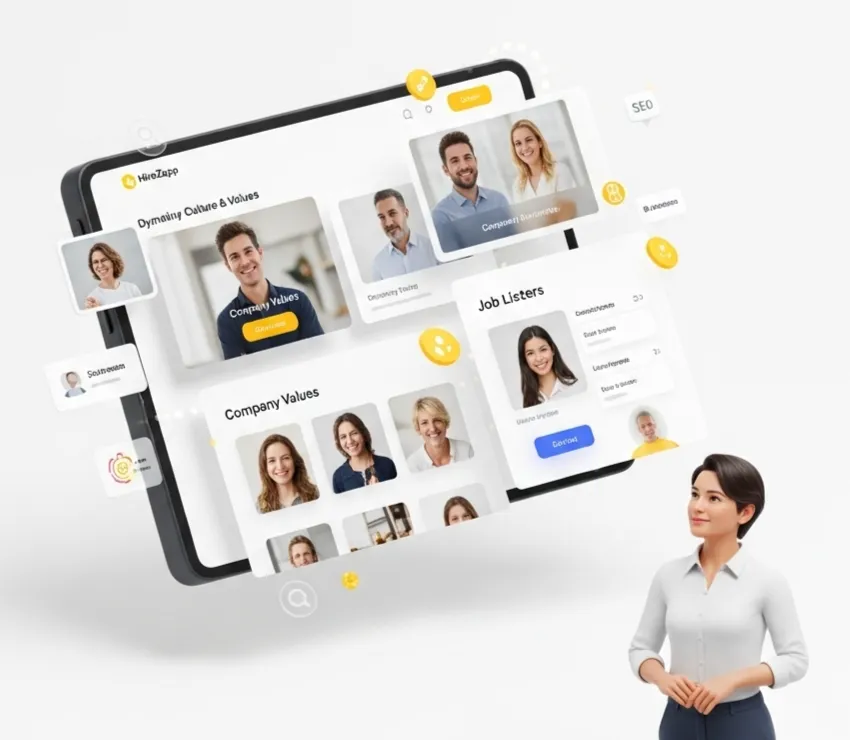
Manually tracking dozens or hundreds of potential candidates across different platforms is nearly impossible. A system like HireZapp helps you organize your efforts and turn connections into a searchable, active talent pool.
- Multi-channel Screening
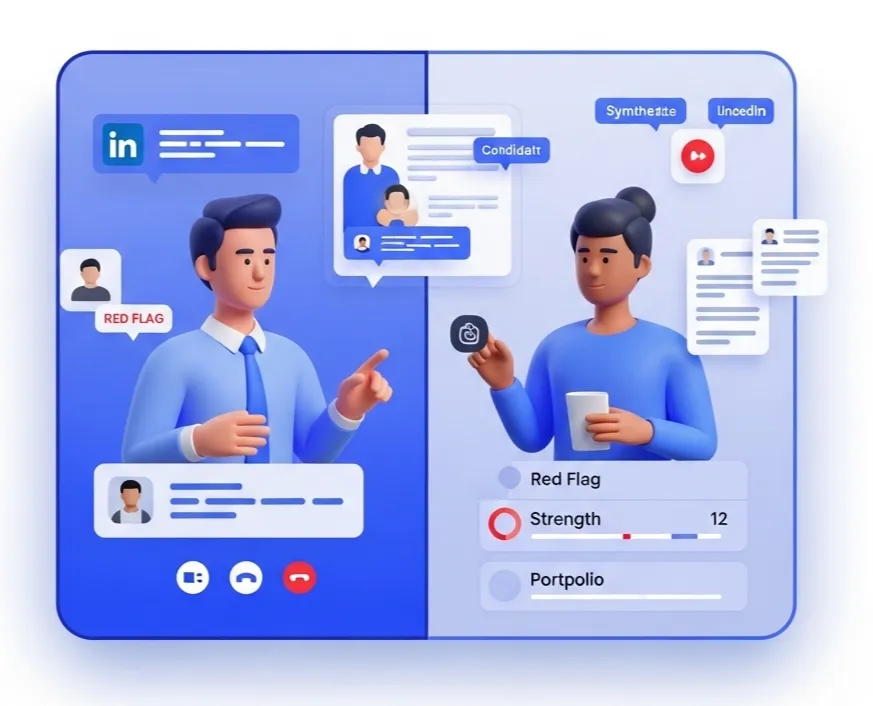
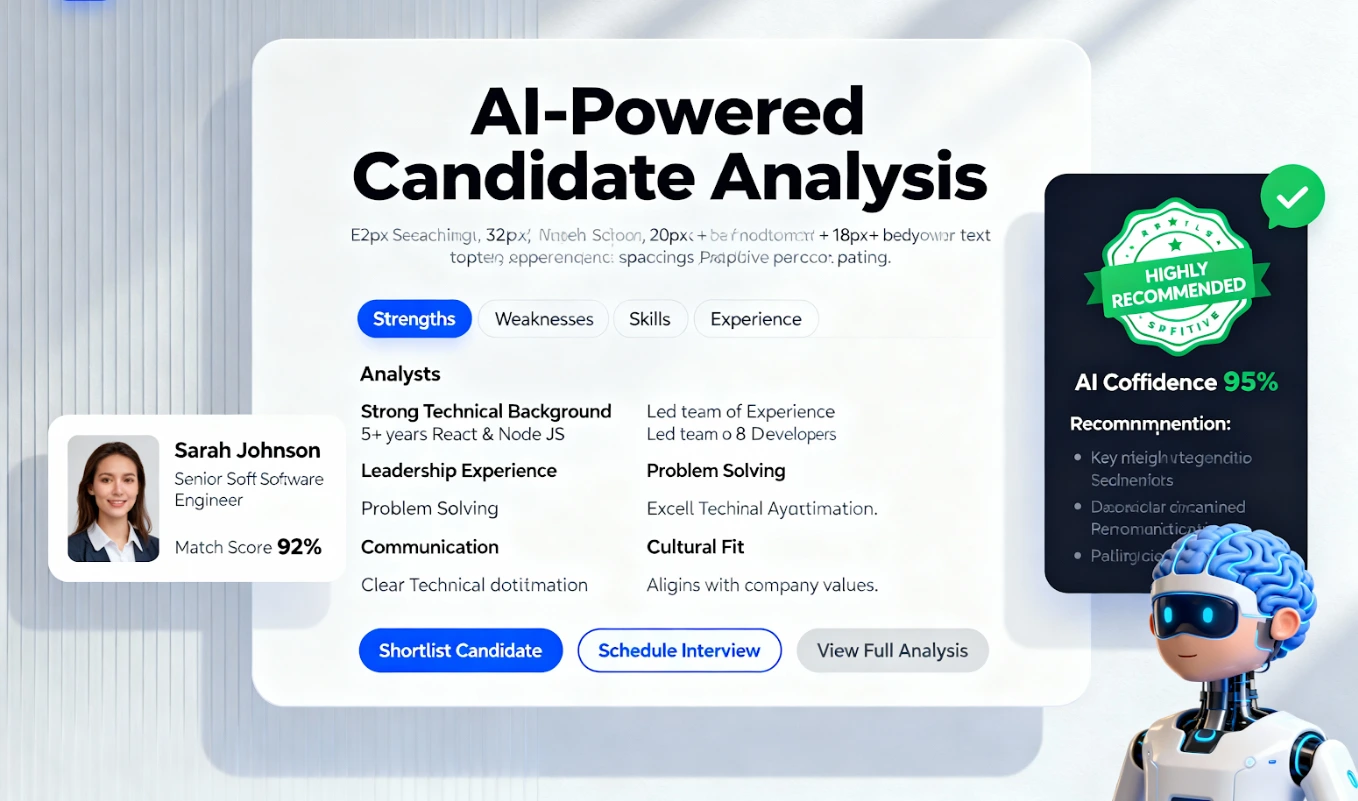
Consolidate profiles from LinkedIn, GitHub, and other sites into one view to understand each person's full skill set. - ATS Pipeline
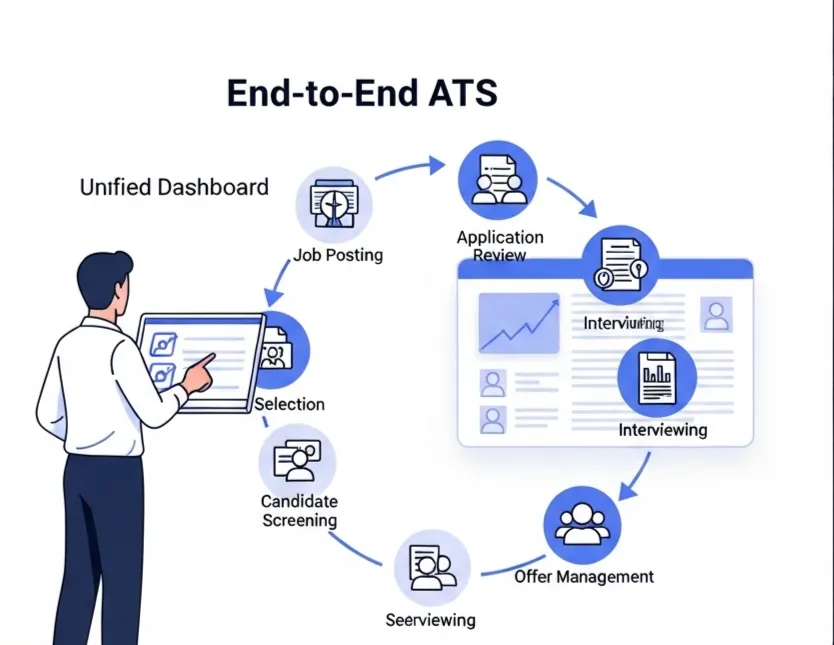
Create a dedicated “Passive Candidate” pipeline to track and nurture talent for your future hiring pipeline. - Automated Follow-ups
Set reminders or simple automated check-ins to maintain relationships without letting anyone fall through the cracks. - Employer Branding Tools
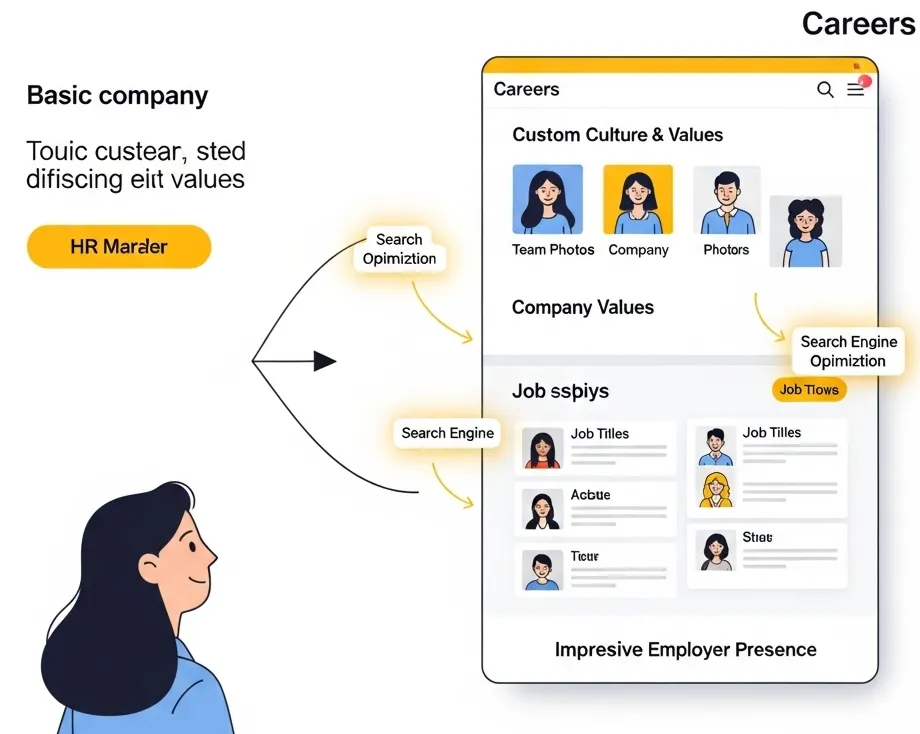
Ensure every interaction is professional and consistent with a branded careers page and candidate communications.
Common Networking Mistakes That Waste Time
Even with the best intentions, it's easy to fall into habits that don't produce results. Avoiding these common mistakes will make your efforts much more effective.
- Asking for a resume in the first message.
- Sending generic, copy-pasted outreach notes.
- Failing to follow up after an initial conversation.
- Pitching a job immediately without building rapport first.
- Forgetting to add notes about your conversations for future reference.
- Making your outreach all about your company's needs.
What Building a Talent Pool Can't Solve on Its Own
A proactive network is a powerful asset, but it is not a magic fix for everything. To be fully effective, it needs to be supported by a healthy hiring environment.
- It won't fix a confusing or lengthy interview process.
- It cannot make up for non-competitive compensation or benefits.
- It doesn't solve deep-rooted company culture issues.
- It won't replace the need for clear, well-written job descriptions.
By focusing on talent community building, you are creating a massive advantage for your future hiring. You move from a state of urgent need to one of prepared opportunity, ready to engage the right person as soon as a role opens.
Unlock Your Talent Network's Full Potential
Effortlessly manage, screen, and engage your passive talent networks with AI-powered automation.
Frequently Asked Questions
1) What is passive candidate sourcing?
Passive candidate sourcing is the process of identifying, engaging, and building relationships with professionals who are not actively looking for a new job. The goal is to create a pipeline of qualified talent you can tap into when a relevant position opens up.
2) How do you measure the success of a talent pool?
You can track metrics like the percentage of roles filled by candidates from your pool, the time-to-hire for those candidates compared to others, and the quality of hire (e.g., first-year performance reviews or retention rates).
3) What are some good talent networking events to attend?
Look for niche industry conferences, local professional meetups, university alumni events, and specialized workshops or webinars. The smaller and more focused the event, the better the opportunity for meaningful conversations.
4) How often should I contact passive candidates?
A light touchpoint every 2-4 months is often enough. You can share a relevant article, congratulate them on a work anniversary, or send a brief company update. The key is to provide value without being intrusive.
5) Is it okay to network for talent on platforms other than LinkedIn?
Absolutely. In fact, it's one of the best ways to stand out. Engage with people on platforms relevant to their field, such as GitHub for developers, Dribbble for designers, or specialized Slack and Discord communities.
6) What is the first step in building passive candidate pools?
The first step is to clearly define the key roles you hire for most frequently. This focus allows you to create a detailed ideal candidate profile, which then guides where you look and who you connect with.
7) How does this approach help small businesses or founders?
For founders and small teams, this approach saves significant time and money. Instead of paying for job ads that attract unqualified applicants, you build direct relationships with top talent, creating a more efficient and reliable hiring process as you scale.