Interview Structure: Phone Screen to Final Round
Losing a great candidate after multiple interviews is frustrating. When your hiring process feels like a series of scattered DMs, random questions, and delayed feedback, top talent simply moves on. The cost is not just a vacant role, but lost time and momentum.

A Clear Interview Structure: From Phone Screen to Final Offer
Losing a great candidate after multiple interviews is frustrating. When your hiring process feels like a series of scattered DMs, random questions, and delayed feedback, top talent simply moves on. The cost is not just a vacant role, but lost time and momentum.
Building a consistent and respectful interview process turns chaos into clarity. It helps you evaluate every applicant fairly, make confident decisions faster, and create a positive impression, even with candidates you don't hire.
Why Your Current Hiring Process Feels Chaotic
Many recruiters and founders see the same issues pop up when hiring lacks a defined framework. The problem often comes down to a few common challenges that create a poor experience for both the candidate and the hiring team.
- Interviewers ask different, unhelpful questions.
- There is no clear system for scoring or comparing candidates.
- Feedback is lost in emails, spreadsheets, or messaging apps.
- Candidates wait too long for updates and lose interest.
- Manual scheduling for multiple rounds creates delays.
- The final decision is based more on gut feeling than on clear evidence.
Your Step-by-Step Guide to a Structured Interview process
A predictable, repeatable process is the key to better hiring outcomes. By defining each stage, you create a clear path that helps you identify the best candidates and gives them the confidence to proceed.
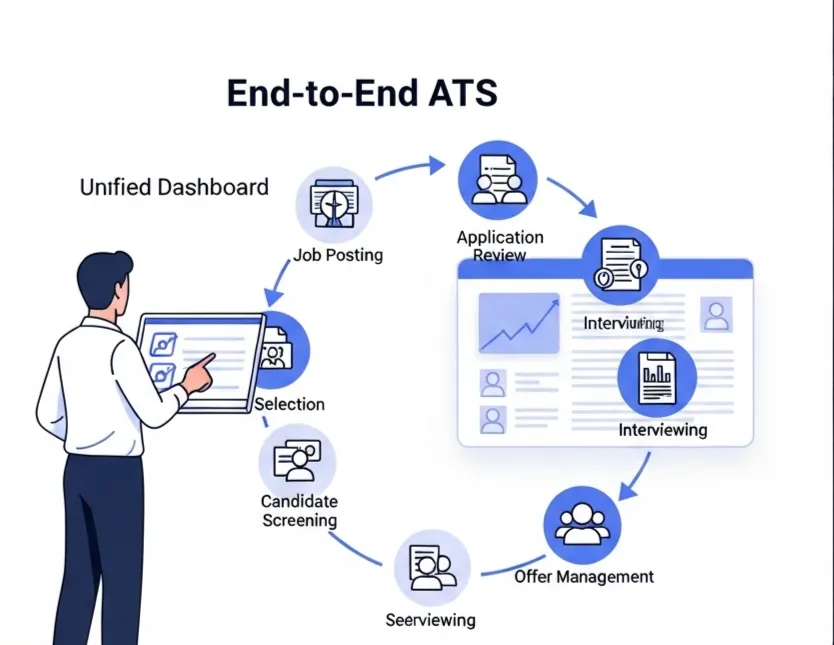
- Define the Application Review. Your AI-generated job description from HireZapp sets clear expectations. Screen resumes against these must-haves.
- Conduct the Initial Phone Screen. This is a 15-20 minute call to verify basic qualifications, check salary alignment, and gauge initial interest.
- Run the Skills-Based Interview. This stage focuses on ability. It could be a technical assessment, a portfolio review, or a practical exercise related to the job.
- Organize the Team or Panel Interview. The candidate meets with potential teammates and cross-functional partners to assess collaboration and team fit.
- Hold the Final Round Interview. This is typically with a department head or founder. It confirms alignment on strategy, culture, and long-term goals.
- Complete Reference Checks and Extend the Offer. After making a final decision, conduct quick reference checks and present a clear, compelling offer.
Essential Templates for Consistent Interviews
Using templates ensures every candidate gets a fair evaluation. It removes bias and helps you compare applicants based on the same criteria. Here are some simple templates to get you started.
Sample Phone Screen Questions
Focus on discovering core motivation and experience alignment. These baseline phone screen questions help you quickly qualify candidates.
- What about this specific role caught your attention?
- Can you tell me about a project or accomplishment from your last role that you are proud of?
- What are your salary expectations for your next role?
- What is your ideal work environment like?
- Based on the job description, what do you see as the biggest challenge in this role?
Simple Interview Scorecard Checklist
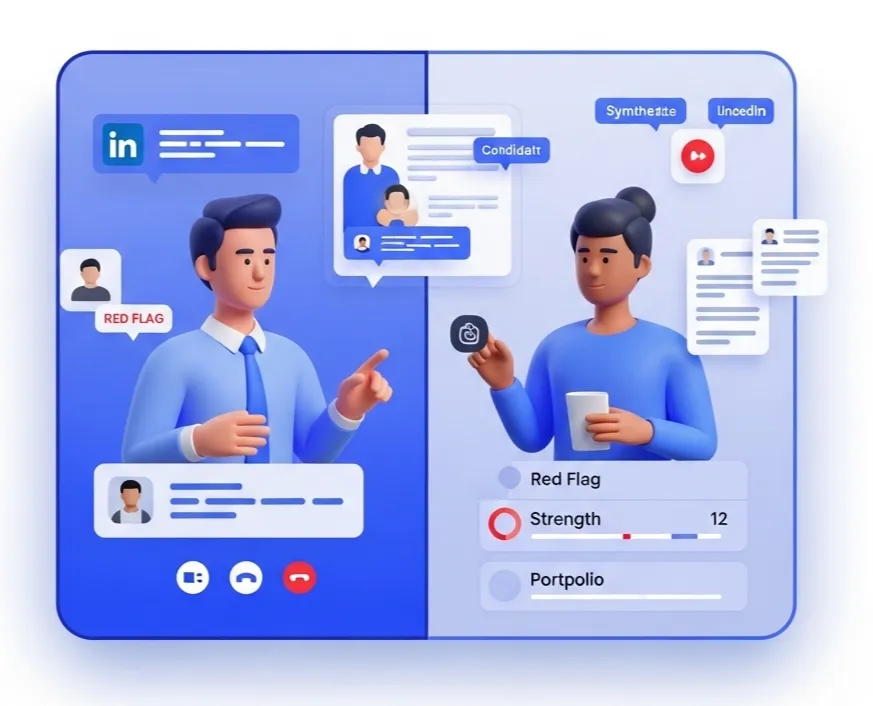
Use a simple scorecard to capture feedback right after an interview. This makes debrief meetings much more productive.
- Communication Skills
Candidate articulates thoughts clearly and concisely. - Problem-Solving Ability
Candidate demonstrates logical thinking when faced with a challenge. - Team Collaboration
Candidate shows an ability to work well with others and contribute to a team goal. - Role Alignment
Candidate's skills and career goals match the role's requirements.
How to Automate Your Interview Workflow
A great process needs the right tools to support it. Relying on manual methods for a multi-stage interview process is a recipe for delays and errors. This is where a unified platform makes all the difference, especially for managing the candidate experience interview.
Recruiter reality: "I used to live in my inbox and a spreadsheet. I was constantly worried I'd forgotten to reply to a great applicant or schedule the next step. It was exhausting."
HireZapp centralizes your entire hiring workflow, from the first application to the final offer.
- AI Job Post Generator
Create clear, optimized job descriptions and application forms that attract the right people from the start. - ATS Pipeline
Visually track every candidate through each stage of your interview process. No more wondering who is where. - Automated Follow-ups
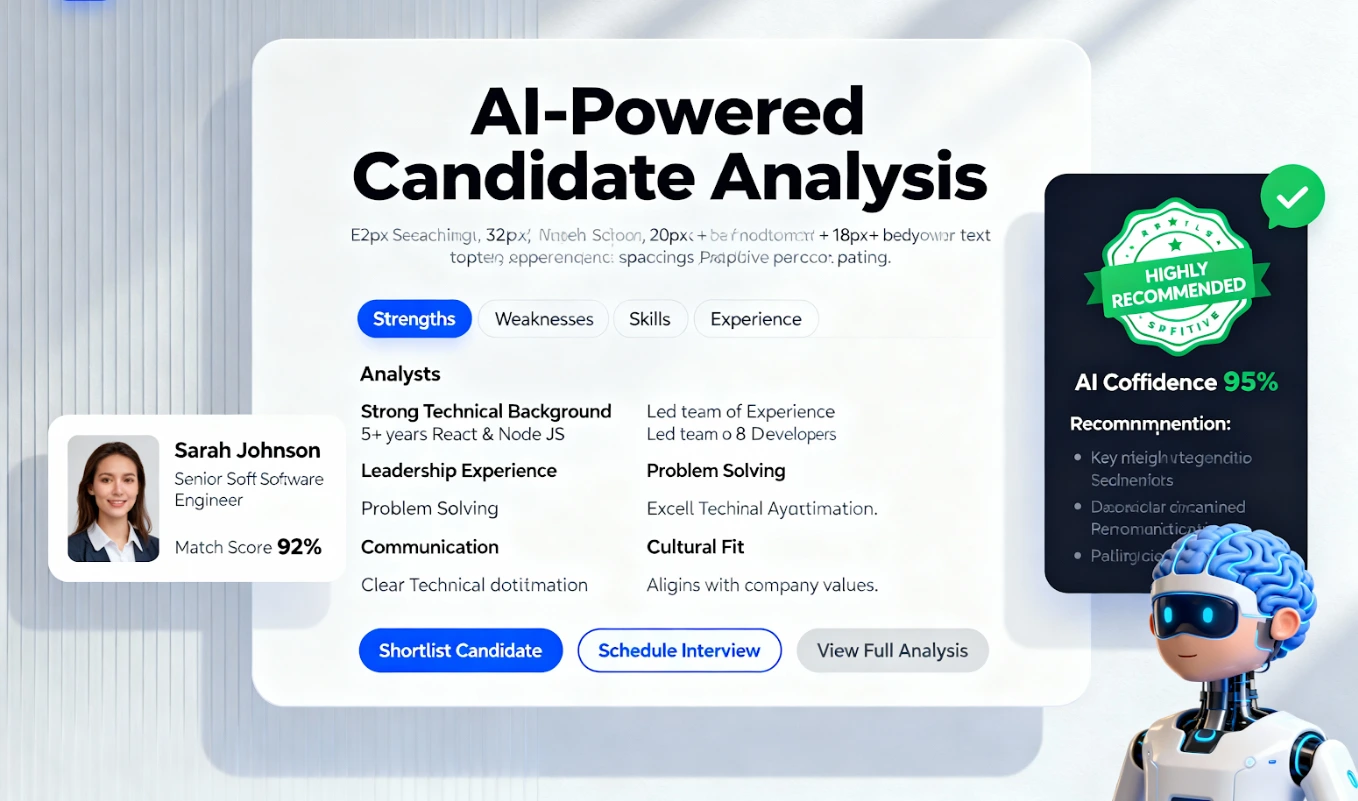
Keep candidates informed and engaged with automated messages, confirming their application or next steps. - Assessments and Scorecards
Build custom assessments and scorecards directly within the platform to standardize your evaluation process.
Avoid These Pitfalls to Reduce Interview Drop-off
Even with a good plan, small mistakes can derail your hiring efforts. Watch out for these common issues that cause candidates to withdraw their applications.
- Failing to set clear expectations about the interview process upfront.
- Taking too long to schedule the next round of interviews.
- Not preparing interviewers with the candidate's resume and the right questions to ask.
- Creating a stressful or unwelcoming interview environment.
- Forgetting to sell the role and the company to a strong candidate.
- Asking illegal or inappropriate interview questions.
- Relying on a single person's opinion to make a hiring decision.
A Great Process Can't Fix Everything
Implementing a solid interview structure is a huge step forward, but it is not a magic bullet. To be successful, your process needs to be built on a solid foundation. This system will not solve:
- A poorly defined role with unrealistic expectations.
- A non-competitive salary or benefits package.
- A negative company culture or poor employer brand reputation.
- A lack of alignment among the leadership team on the key non-negotiables for the role.
Build a Hiring Process That Wins
A disorganized interview process costs you more than just time; it costs you the best talent. By creating a clear, repeatable, and respectful interview structure, you can hire smarter, faster, and build a team that is ready to grow with you. Let a platform like HireZapp handle the logistics so you can focus on finding your next great hire.
Structure Interviews. Hire Smarter.
Implement structured interviews effortlessly. HireZapp automates screening, manages stages, and boosts candidate experience for every role.
Frequently Asked Questions
1) What are the main recruitment process stages?
The most common recruitment process stages are application screening, a phone screen, one or more skills-based or team interviews, a final interview with a senior leader, reference checks, and the final job offer.
2) How can a structured process improve the candidate experience?
A structured process improves the candidate experience by providing clarity, consistency, and timely communication. When candidates know what to expect and hear back from you promptly, they feel respected and are more likely to stay engaged.
3) What are some key panel interview best practices?
For panel interviews, assign a specific topic or skill for each interviewer to focus on. Have a pre-interview meeting to align on questions, and reserve time immediately after for the panel to share feedback using a standardized scorecard.
4) Do you have any final round interview tips for hiring managers?
For the final round, focus on strategic alignment and long-term vision. Discuss how the candidate's career goals fit with the company's future. This is also your last chance to sell the opportunity and answer their deepest questions.
5) How does ATS interview management help standardize the process?
ATS interview management helps by centralizing all candidate information, communications, and feedback. It allows you to create interview kits, use scorecards, and track progress in a visual pipeline, ensuring every candidate goes through the same fair process.
6) Why is a hiring interview process so important for small companies?
For small companies, every hire has a huge impact. A defined hiring interview process helps founders and small teams make less biased, more data-driven decisions, increasing the chances of making a successful hire that contributes to the culture and growth.