How Low-Intent Applications Cost You Real Candidates
Is your inbox overflowing with applications, yet you struggle to find anyone truly qualified? You spend hours sifting through resumes from people who barely read the job description. Meanwhile, the perfect candidate might give up and move on because your process is too noisy or confusing.

Stop Wasting Time: How Low-Intent Applications Hide Your Best Candidates
Is your inbox overflowing with applications, yet you struggle to find anyone truly qualified? You spend hours sifting through resumes from people who barely read the job description. Meanwhile, the perfect candidate might give up and move on because your process is too noisy or confusing.
This flood of unqualified interest is a bigger problem than just wasted time. It actively costs you the people you want to hire. By focusing on attracting the right applicants from the start, you can build a faster, more effective hiring process that converts talent instead of turning it away.
The Real Reasons You Get Low-Intent Applications
Many recruiters find that the problem isn't the talent pool, but the signals they send. A messy process attracts messy applications. When you see a high volume of poor-quality candidates, it often points back to one of these common issues.
- Vague Job Descriptions
When a role's duties, goals, and must-have skills are unclear, anyone can imagine they are a fit. - Frictionless One-Click Applying
Easy-apply buttons on major job boards can encourage quantity over quality, leading to spam-like submissions. - Long or Confusing Forms
If your application takes 20 minutes to complete, your best candidates may leave. If it asks for nothing, you learn nothing. - No Salary Information
Omitting compensation details attracts applicants with wildly different expectations, wasting everyone's time later on. - A Generic Careers Page
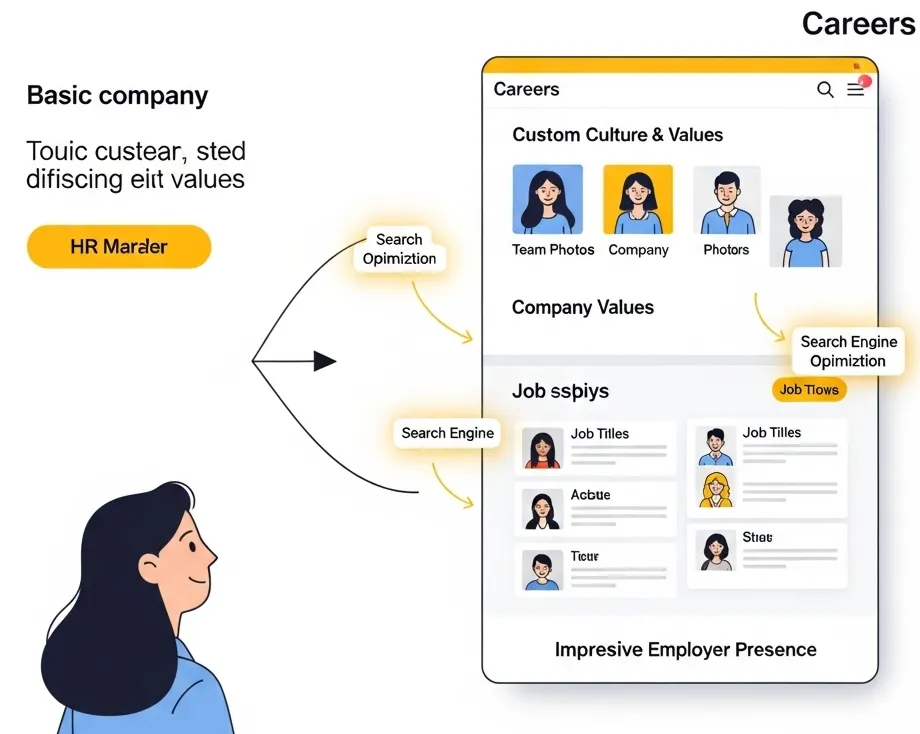
A lack of clear employer branding fails to show candidates why they should want to work specifically for you. - Posting on the Wrong Channels
Using broad, generic job boards for a niche technical role will always bring in a high volume of unqualified people.
A Simple Plan for Better Applicant Quality
You can dramatically change the quality of your applicant pool with a few strategic adjustments. This repeatable playbook helps you filter for intent before you even see the first resume, making your recruiting funnel optimization much more effective.
- Define Your Ideal Candidate First
Before you write a word, list the top five skills and outcomes this person must achieve in their first six months. - Focus on Job Description Optimization
Rewrite your job post to speak directly to your ideal candidate. Focus on what they will accomplish, not just a list of tasks. - Add Two Intent-Based Questions
Include simple questions in your job form like “What part of this role excites you most?” to see who is paying attention. - Commit to Application Process Improvement
Your form should take less than five minutes. Only ask for what you absolutely need to make an initial decision. - Set Up an Automated Confirmation
Instantly acknowledge every application. This simple step shows respect for a candidate's time and builds trust. - Review Your Best Fits Within 24 Hours
Speed is critical. Top talent has options, and a fast, personal response makes a huge difference. - Use a Simple Scorecard
Grade your top applicants against your predefined list of must-have skills to remove bias and stay focused.
Templates You Can Use Today
You don't need complex tools to start filtering for quality. Use these simple templates to gauge candidate interest and engagement right away.
<b>Screening Questions for Your Job Form</b>
- What is one professional accomplishment from your last role that you are proud of?
- Based on the job description, what do you think would be the biggest challenge in this role?
- Why are you interested in working at our company specifically?
- Describe your experience with [mention a key software or skill from the job description].
<b>Short Candidate Follow-Up Message</b>
Hi [Candidate Name],
Thanks for applying to the [Role Title] position. I was impressed with your experience in [mention one specific thing from their profile]. I would love to schedule a brief 15-minute call to discuss the role further. Are you available [suggest two times]?
Best,
[Your Name]
How to Automate Quality and Speed
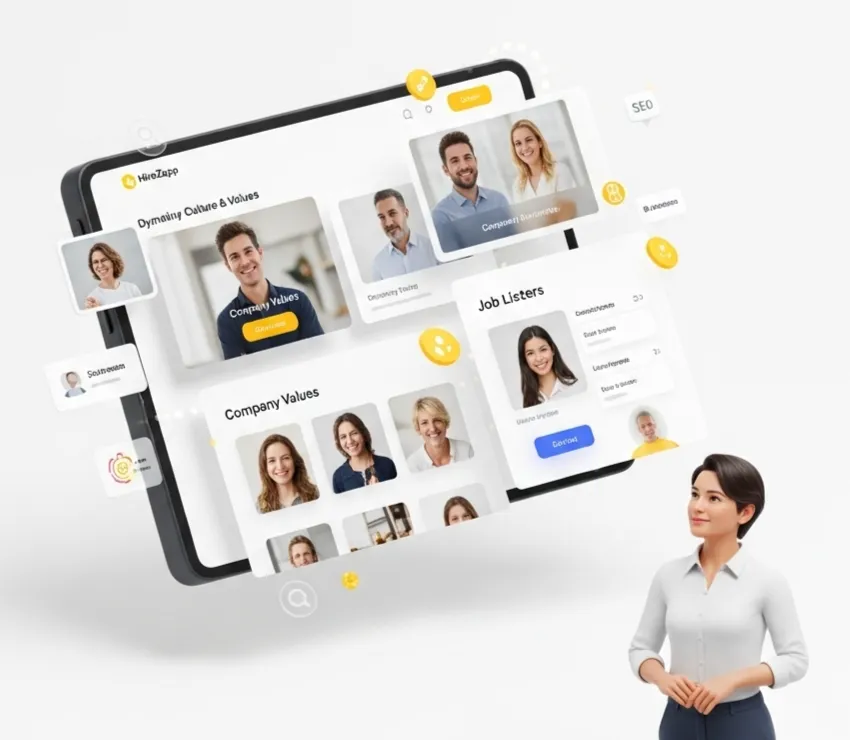
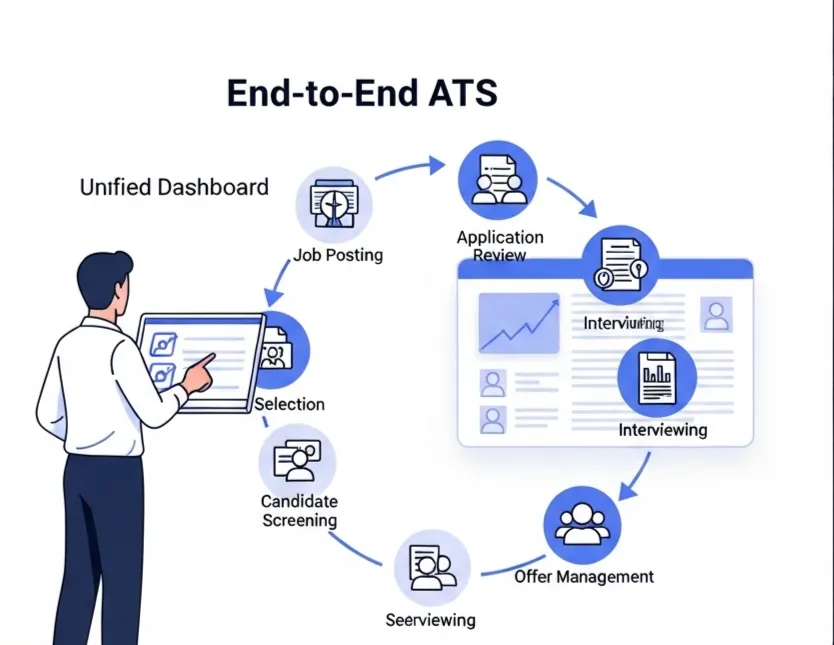
Fixing your process manually is a great start, but modern tools can handle the heavy lifting for you. An integrated system like HireZapp is designed to attract and identify top candidates automatically, so you can focus on building relationships, not managing spreadsheets.
Recruiter reality: “I used to spend my entire Monday just deleting applications that were obviously a bad fit. Now, the system shows me the top 5 candidates first, and I can reach them before another company does.”
- AI Job Descriptions and Forms
Generate clear, optimized job posts and application forms that attract the right people from the start. - Job Match Score
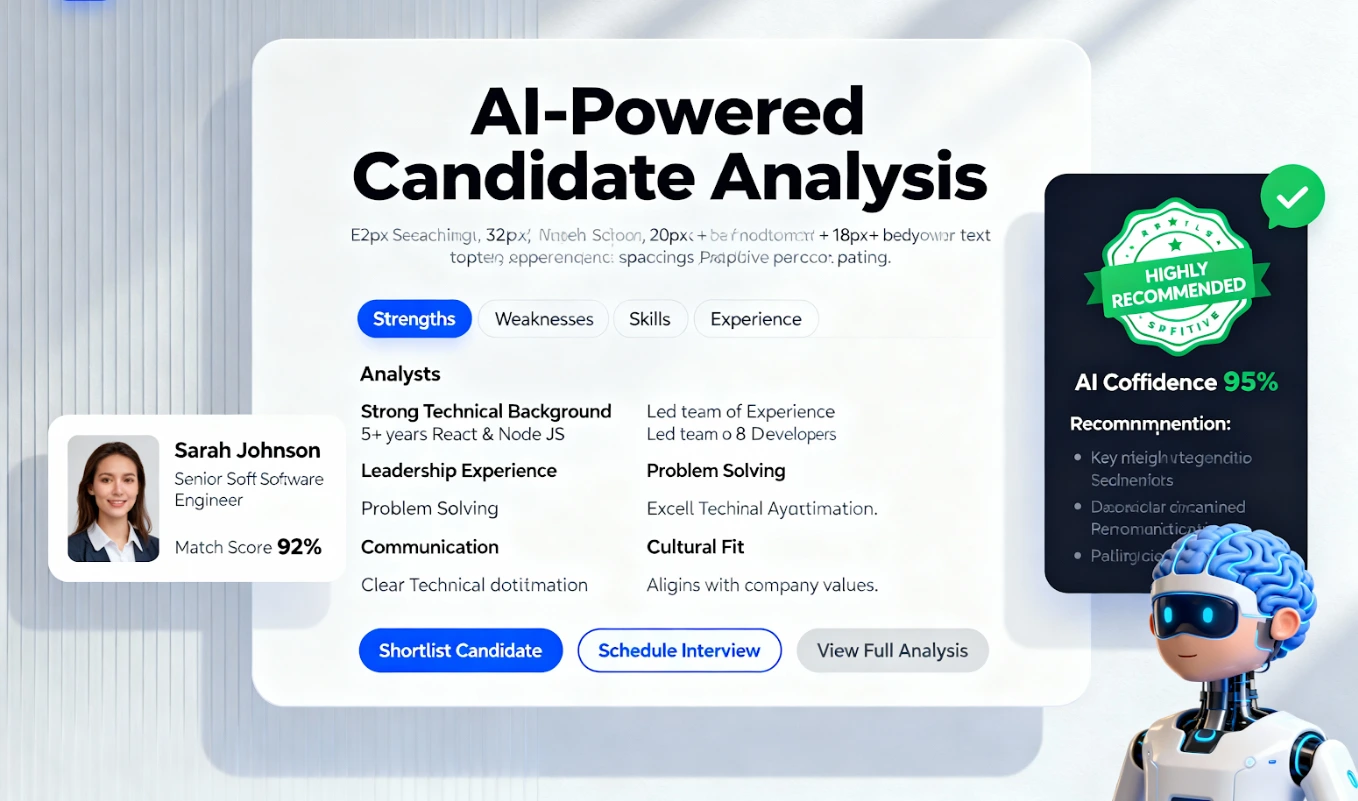
Instantly see a ranked list of applicants based on how well their skills match your requirements, saving you hours of screening. - Multi-Channel Screening
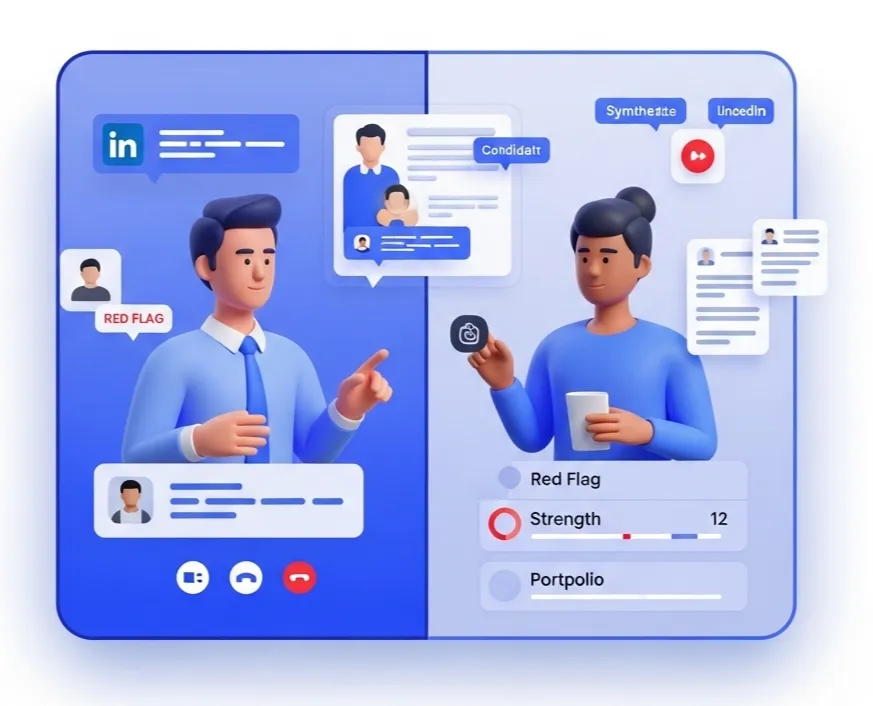
View a candidate's LinkedIn, GitHub, or portfolio right from their profile to get a complete picture beyond the resume. - Automated Follow-Ups
Ensure no one slips through the cracks and keep your high quality candidates engaged with timely, personalized communication.
Avoid These Common Traps
Even with a good process, small mistakes can undermine your efforts. Watch out for these habits that keep recruiting teams from securing the best talent.
- Ignoring the candidate experience.
- Relying only on a resume.
- Moving too slowly on promising applicants.
- Failing to communicate after the interview.
- Forgetting to sell the opportunity.
- Using generic, unbranded messages.
A Quick Reality Check
Improving your process will attract better candidates, but it is not a magic wand. There are some foundational issues that a better application system won't solve on its own.
- A non-competitive salary or benefits package.
- A negative public reputation or poor company reviews.
- A toxic work culture that current employees talk about.
- An extremely small or competitive talent market for the role.
Your Next Hire is Waiting
You don't need more applicants; you need the right ones. By tightening up your job descriptions, simplifying your forms, and communicating clearly, you create a process that attracts serious candidates and helps you identify them faster. Stop sorting through noise and start having conversations with your future best hires.
Screen smarter, hire faster
From job post to offer letter, HireZapp keeps your pipeline moving.
Frequently Asked Questions
1) What are low-intent applications?
These are submissions from candidates who are not genuinely interested or qualified for the role. They often result from one-click apply features and vague job descriptions, creating high volume but low quality for the recruiter.
2) How can I reduce unqualified applicants?
You can reduce unqualified applicants by writing clearer job descriptions, asking 2-3 specific screening questions in your application form, and clearly stating the must-have requirements for the role so people can self-select out.
3) What are the most common candidate drop off reasons?
The most common candidate drop off reasons include an overly long or complicated application process, a lack of communication from the employer after applying, and unclear expectations about the role or salary.
4) Does a longer application form improve applicant quality?
Not necessarily. While a slightly longer form can deter low-intent applicants, one that is too long or asks for repetitive information will cause top talent to drop off. The goal is to find a balance that signals seriousness without creating unnecessary friction.
5) How does an ATS for quality hires help with this problem?
An ATS for quality hires helps by automating the initial screening process. It can use scoring and keywords to rank applicants, centralize communication, and ensure a consistent and professional candidate experience, which helps attract and retain top talent.
6) What are the best applicant screening strategies?
Effective applicant screening strategies include using a scorecard based on key job requirements, asking pointed pre-screening questions in the application, reviewing a candidate's online presence (like LinkedIn), and conducting brief initial phone screens to gauge interest and communication skills.
7) What is recruiting funnel optimization?
Recruiting funnel optimization is the process of improving each stage of your hiring pipeline, from initial awareness of the job opening to the final offer. The goal is to increase the conversion rate of qualified candidates and reduce the time it takes to fill a role.