LinkedIn Recruiter vs Free Tools: The Cost of DIY Sourcing
Your day is a blur of LinkedIn DMs, messy spreadsheets, and Google Forms. You’re busy, but are you making hires? When you rely on a patchwork of free tools, you spend more time managing tasks than you do connecting with great candidates. This manual work feels productive, but it often leads to slow hiring, lost talent, and a frustrating experience for everyone involved.

LinkedIn Recruiter vs Free Tools: The Real Cost of DIY Sourcing
Your day is a blur of LinkedIn DMs, messy spreadsheets, and Google Forms. You’re busy, but are you making hires? When you rely on a patchwork of free tools, you spend more time managing tasks than you do connecting with great candidates. This manual work feels productive, but it often leads to slow hiring, lost talent, and a frustrating experience for everyone involved.
The debate over LinkedIn Recruiter vs Free Tools isn't just about monthly fees. It’s about understanding the true cost of your time, the value of a great hire, and the price of a bad candidate experience. Moving from chaos to a streamlined system helps you convert applicants into hires faster, giving you back time to focus on what matters.
Sticking with free tools feels like saving money, but the invisible expenses add up quickly. Many recruiting teams find that the real cost of DIY sourcing shows up in lost time and missed opportunities. These are the challenges that don't appear on a balance sheet but directly impact your ability to hire.
- Wasted Hours on Admin Tasks
Manually tracking candidates across spreadsheets, emails, and DMs is a full-time job in itself. - Lost Candidates in the Shuffle
Without a central system, great applicants fall through the cracks, often accepting another offer while you search for their resume. - A Poor Candidate Experience
Slow responses and a disorganized process make your company look unprofessional, causing top talent to withdraw. - No Data for Improvement
Spreadsheets can't tell you where your best candidates come from or why others drop off, making it impossible to optimize your strategy. - Limited Sourcing Reach
Relying on one or two free channels means you miss out on qualified candidates who are active on other platforms. - Inconsistent Team Collaboration
When hiring managers and recruiters use different documents, feedback gets lost and decisions are delayed.
Recruiter reality: “I spent a week manually sourcing for a role, only to find out the top candidate accepted another offer two days ago because my follow-up was buried in a spreadsheet.”
Recruiting Software Comparison: LinkedIn, Free Tools, and HireZapp
Choosing the right tools depends on your budget, team size, and hiring goals. Here is a simple breakdown to help you compare your options.
End Costly DIY Sourcing. Boost ROI.
Ditch manual sourcing's hidden costs. HireZapp automates, scales hiring, and boosts your recruitment ROI.
Free Tools (Spreadsheets, Forms, Email)
- Cost
Free to start, but high indirect costs in time and inefficiency. - Sourcing Channels
Limited to manual searches on public platforms and inbound applications. - Candidate Tracking
Entirely manual, error-prone, and difficult to scale. - Automation
None. Every email, follow-up, and update requires manual effort.
LinkedIn Recruiter
- Cost
Significant monthly or annual subscription fee per user. - Sourcing Channels
Excellent for sourcing active and passive candidates within the LinkedIn ecosystem. - Candidate Tracking
Includes project folders and basic pipeline management, but it's not a full ATS. - Automation
Offers InMail templates and some project-based automation.
HireZapp
- Cost
Flexible credit-based plans, including a free tier, designed to scale with your hiring needs. - Sourcing Channels
Integrates a multi-channel sourcing strategy with playbooks for LinkedIn, GitHub, and more. - Candidate Tracking
Provides a complete ATS pipeline to manage candidates from application to hire. - Automation
Includes automated follow-ups, assessments, and communication templates.
A Simple Framework to Measure Recruitment ROI
To understand the value of a new tool, you need to calculate your recruitment ROI. Instead of just looking at software costs, focus on the value it creates. A simple way to think about it is by measuring the time you get back and the impact of hiring better, faster.
Start by tracking these factors for one role:
- Time Spent Sourcing
How many hours did you or your team spend searching for candidates? - Time Spent Screening
How many hours were spent reviewing resumes and initial applications? - Time to Hire
How many days did it take from posting the job to getting a signed offer? - Cost of Vacancy
What is the estimated daily cost to the business of this role being empty? - Quality of Hire
How is the new hire performing after three to six months?
Once you have this baseline, you can see how a unified platform like HireZapp reduces time spent on tasks, shortens the time-to-hire, and ultimately delivers more value than its cost.
How HireZapp Bridges the Gap
HireZapp was built for growing teams who need more power than free tools but more flexibility and affordability than enterprise software. It combines the key functions of sourcing, tracking, and engagement into one simple platform.
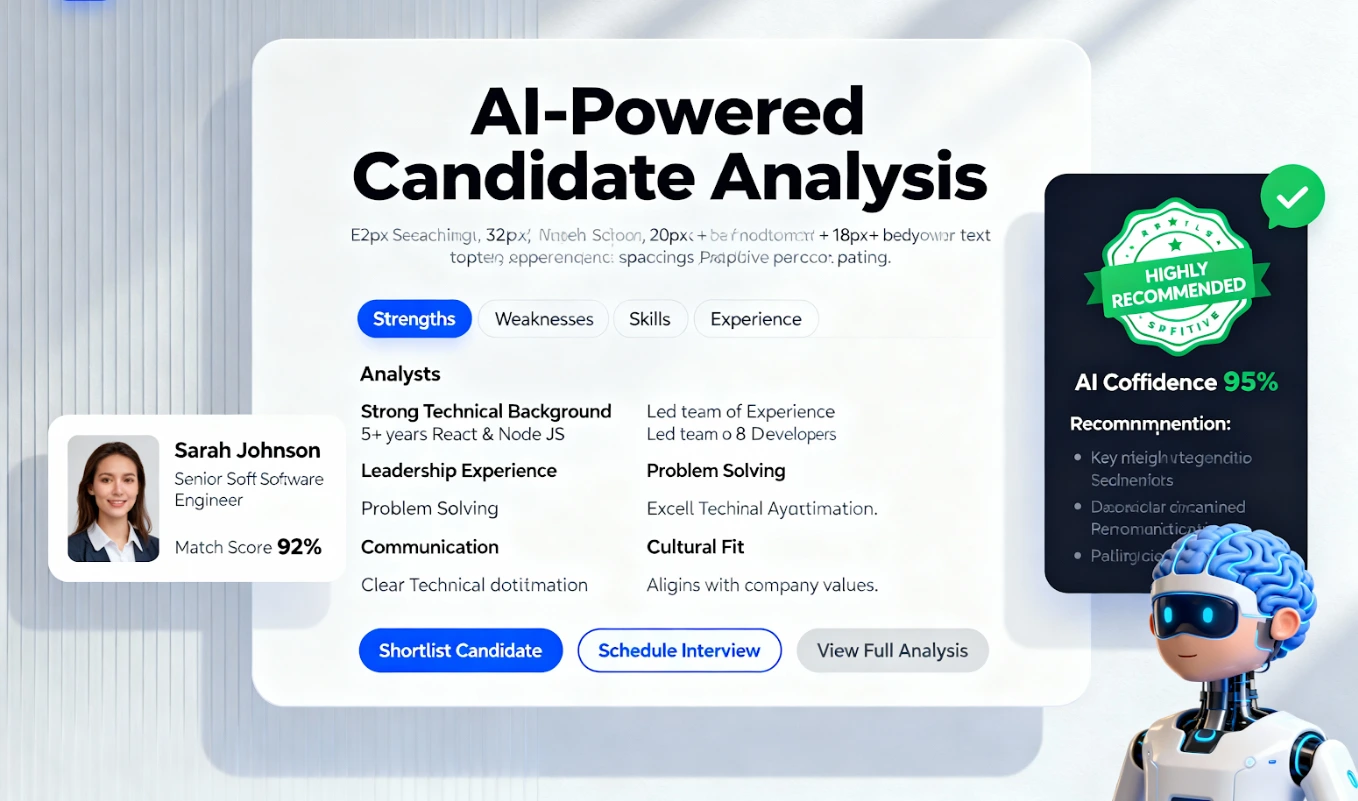
- AI-Powered Job Posts
Generate effective job descriptions and application forms in seconds to attract the right talent. - Unified ATS Pipeline
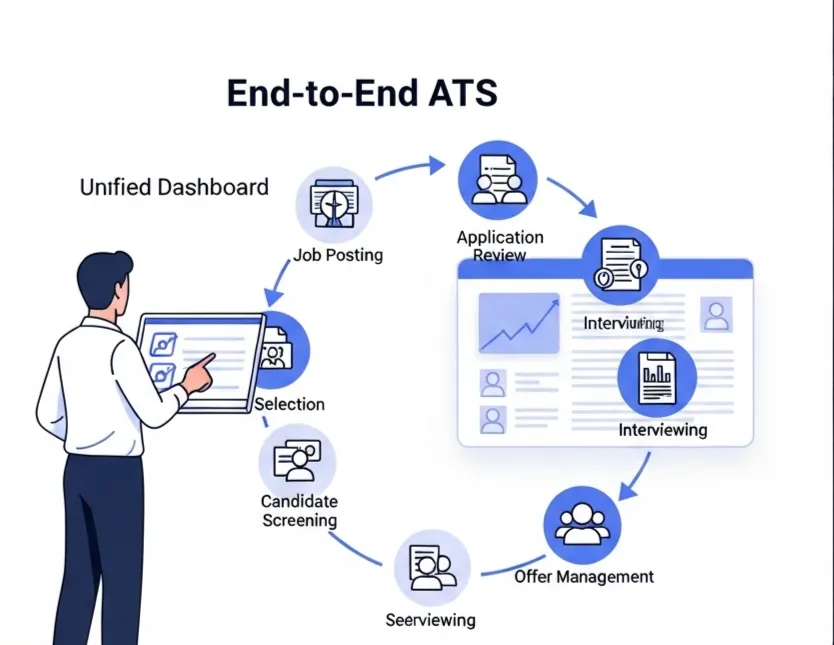
Manage every candidate in one place, from application to offer, ending spreadsheet chaos. - Multi-Channel Sourcing Playbooks
Find top candidates beyond a single platform with guided strategies for different channels. - Automated Candidate Follow-ups
Keep candidates warm and engaged without lifting a finger, improving the candidate experience. - Employer Branding Tools
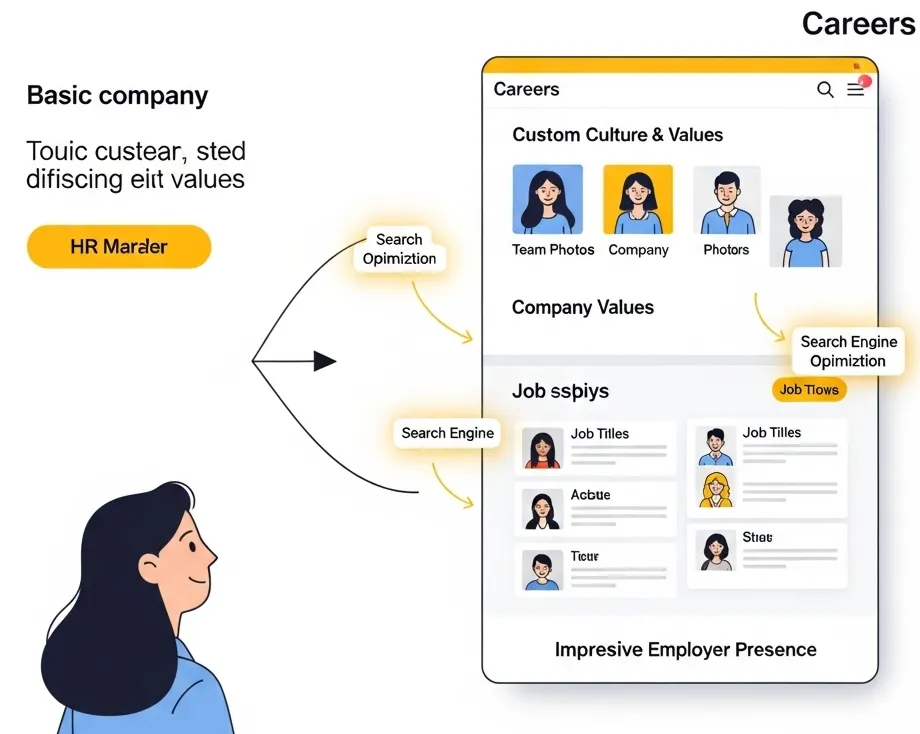
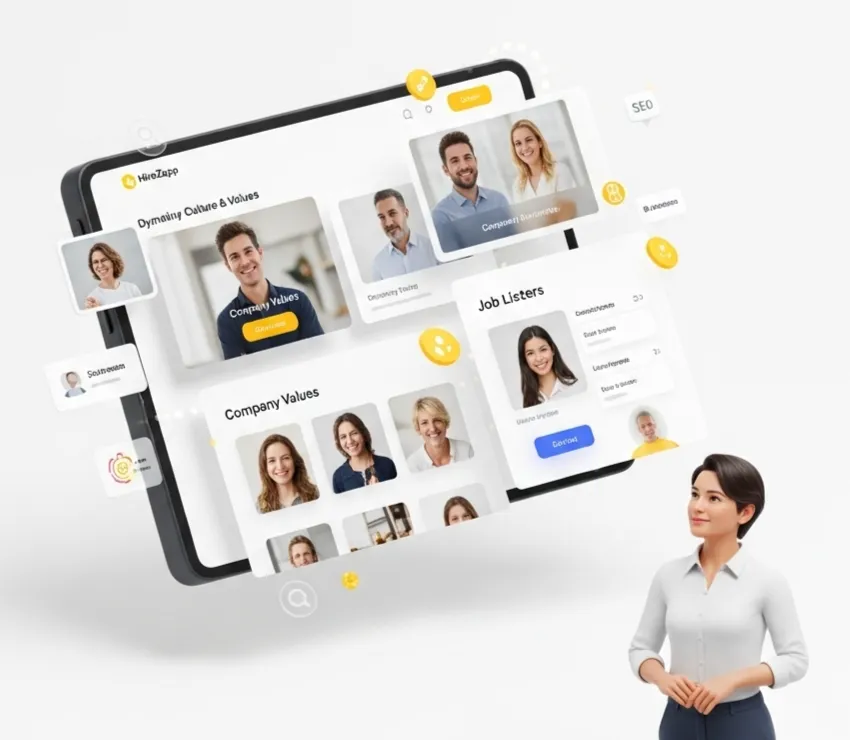
Create a professional careers page and branded communications to stand out to applicants.
Common Sourcing Traps That Stall Hiring
Whether you use free or paid tools, certain habits can keep your team stuck. Avoiding these common mistakes is crucial for building a hiring process that works.
- Relying on just one sourcing channel.
- Forgetting to sell the role and company in every message.
- Moving too slowly on promising candidates.
- Using generic, unpersonalized outreach messages.
- Failing to build a pipeline before a role is open.
- Ignoring the candidate experience after the application is submitted.
What a Sourcing Tool Won't Fix
Investing in new software is a big step, but it’s important to be realistic. A great platform can streamline your process, but it can’t solve underlying strategic problems. For example, a tool won't fix:
- A non-competitive salary or benefits package.
- A negative company culture or poor employer reputation.
- A slow and disorganized internal interview process.
- An unclear definition of the role and its responsibilities.
Move From Manual Work to Meaningful Hires
The choice between expensive subscriptions and chaotic free tools is a false one. The goal is not just to find people, but to hire the right people efficiently. By focusing on the hidden costs of manual work, you can build a strong case for a solution that supports your growth. A smart hiring platform gives you the structure and automation needed to compete for top talent.
Frequently Asked Questions
1) What is the main difference in the LinkedIn Recruiter vs Free Tools debate?
The main difference is scalability and efficiency. Free tools are manual and prone to errors, making them difficult to scale. LinkedIn Recruiter provides powerful sourcing within its platform but comes at a high cost and isn't a full ATS. The right choice depends on your hiring volume and budget.
The biggest hidden costs of manual sourcing are the value of your lost time, missed opportunities from candidates who fall through the cracks, and damage to your employer brand from a poor candidate experience. These often outweigh the cost of an affordable recruiting tool.
3) Can free recruiting tools be effective for a small business?
Yes, free recruiting tools can be effective when you're hiring very infrequently, perhaps one or two roles per year. However, as soon as you begin hiring multiple roles or need to coordinate with a team, the limitations and manual work quickly become a bottleneck.
4) When does it make sense to look for LinkedIn Recruiter alternatives?
It makes sense to explore LinkedIn Recruiter alternatives when you need a more integrated solution that includes an ATS, multi-channel sourcing capabilities beyond LinkedIn, employer branding tools, and more affordable or flexible pricing that aligns with your actual hiring needs.
5) How can an ATS for small business sourcing improve the hiring process?
An ATS for small business sourcing centralizes all candidate information, automates communication, and provides data on what's working. This eliminates messy spreadsheets, ensures timely follow-ups, and allows founders or small HR teams to manage hiring professionally without getting overwhelmed.
6) What are the first steps to creating a multi-channel sourcing strategy?
The first step is to identify where your ideal candidates spend their time online beyond LinkedIn. This could be industry-specific communities, portfolio sites like GitHub or Behance, or professional groups. Then, tailor your outreach and job posts for each specific channel.
7) How do modern recruiter productivity tools save time?
Modern recruiter productivity tools save time by automating repetitive tasks like scheduling, sending follow-up emails, and screening initial applications. They also centralize information, preventing time wasted searching for resumes or feedback across different platforms.