Recruitment Process Bottleneck Analysis: Where Are You Losing Time?
Are you spending money on job ads only to see great applicants disappear? If your hiring feels slow and talented people are dropping out, you are likely dealing with hidden friction in your workflow. Understanding your recruitment process bottlenecks is the first step to building a system that converts applicants into hires, faster.

Recruitment Process Bottleneck Analysis: Where You’re Losing Top Candidates
Are you spending money on job ads only to see great applicants disappear? If your hiring feels slow and talented people are dropping out, you are likely dealing with hidden friction in your workflow. Understanding your recruitment process bottlenecks is the first step to building a system that converts applicants into hires, faster.
By finding and fixing these specific slowdowns, you can create a smoother experience for candidates and a more predictable outcome for your team. The goal is to optimize your hiring process so you can focus on people, not paperwork.
Pinpointing the Real Source of Hiring Delays
Hiring bottlenecks are often symptoms of a few common underlying issues. Before you can fix the problem, you need to know what you are looking for. Many teams find their delays come from one of these areas.
- Vague Job Descriptions: Attracting unqualified candidates from the start wastes everyone's time.
- Manual Application Screening: Sifting through hundreds of resumes and profiles by hand is a major time sink.
- Poor Candidate Communication: Long silences or generic updates cause top talent to lose interest and accept other offers.
- Disjointed Tools: Using spreadsheets, email, and forms that do not talk to each other creates confusion and duplicate work.
- Interview Scheduling Chaos: The back-and-forth of finding a time that works for multiple people can stall momentum for days.
- Unclear Internal Next Steps: When the hiring team is not sure who owns the next decision, the process grinds to a halt.
A Step-by-Step Framework for Analyzing Your Recruitment Process Bottlenecks
Finding your specific slowdowns requires a clear plan. This simple framework will guide your recruitment process analysis and help you map out a path to improvement.
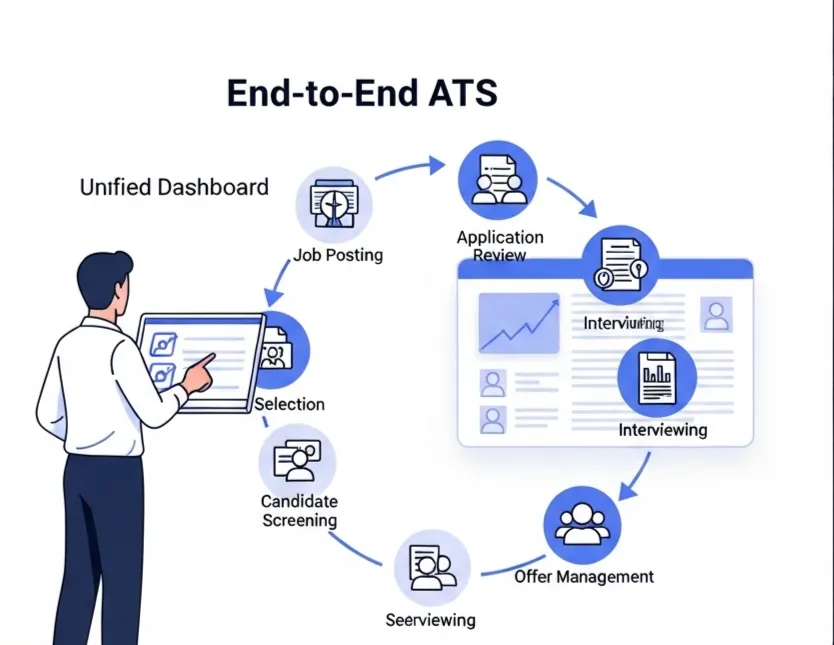
- Map Your Current Hiring Stages. Write down every single step from posting a job to sending an offer.
- Gather Basic Data for Each Stage. Note how long it takes for a candidate to move from one step to the next.
- Identify the Longest Pauses. Look for the stages where candidates wait the most, as this is a common cause of candidate drop-off.
- Ask Your Team for Feedback. Your recruiters and hiring managers know where the friction is.
- Look at Your Candidate Experience. If you can, ask recent candidates (both hired and not) for their honest thoughts.
- Isolate One Bottleneck to Fix First. Choose the one that has the biggest impact and is the easiest to change.
- Implement a Solution and Measure. Make a small change, like automating an email, and see if it speeds up that stage.
- Repeat the Process Quarterly. Consistent hiring pipeline optimization ensures your process stays efficient as you scale.
Checklist: Find Your Bottleneck Fast
Use this quick checklist to audit your own hiring stages. A “yes” to any of these questions points to a potential problem area.
- Sourcing: Are you getting a high volume of completely unqualified applicants?
- Application: Does your application form take more than five minutes to complete?
- Screening: Does it take more than 48 hours to review a new application?
- Interviewing: Does it regularly take more than three days to schedule the first interview?
- Feedback: Do candidates wait more than 24 hours for feedback after an interview?
- Offer: Is there a significant delay between the final interview and the verbal offer?
How Automation Breaks Through Common Bottlenecks
Once you have identified your bottlenecks, the right tools can help you resolve them systematically. Instead of adding more manual work, automation and centralized platforms can create a smoother flow. This is where HireZapp improves recruitment efficiency.
- AI JD + Job Form Generation
This feature helps you create clear, consistent, and attractive job posts in minutes, reducing the number of unqualified applicants. - Multi-Channel Screening
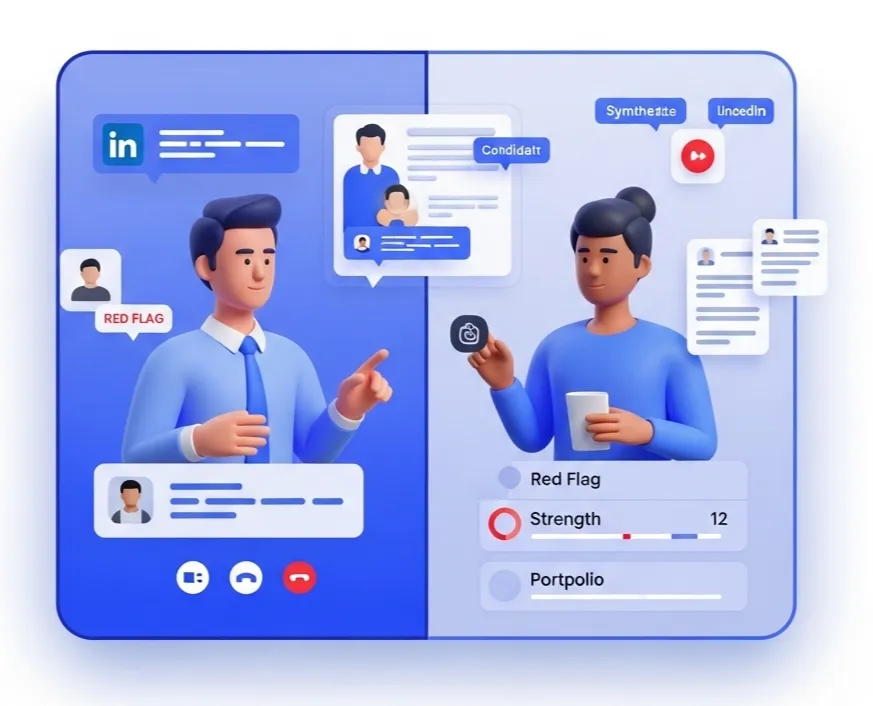
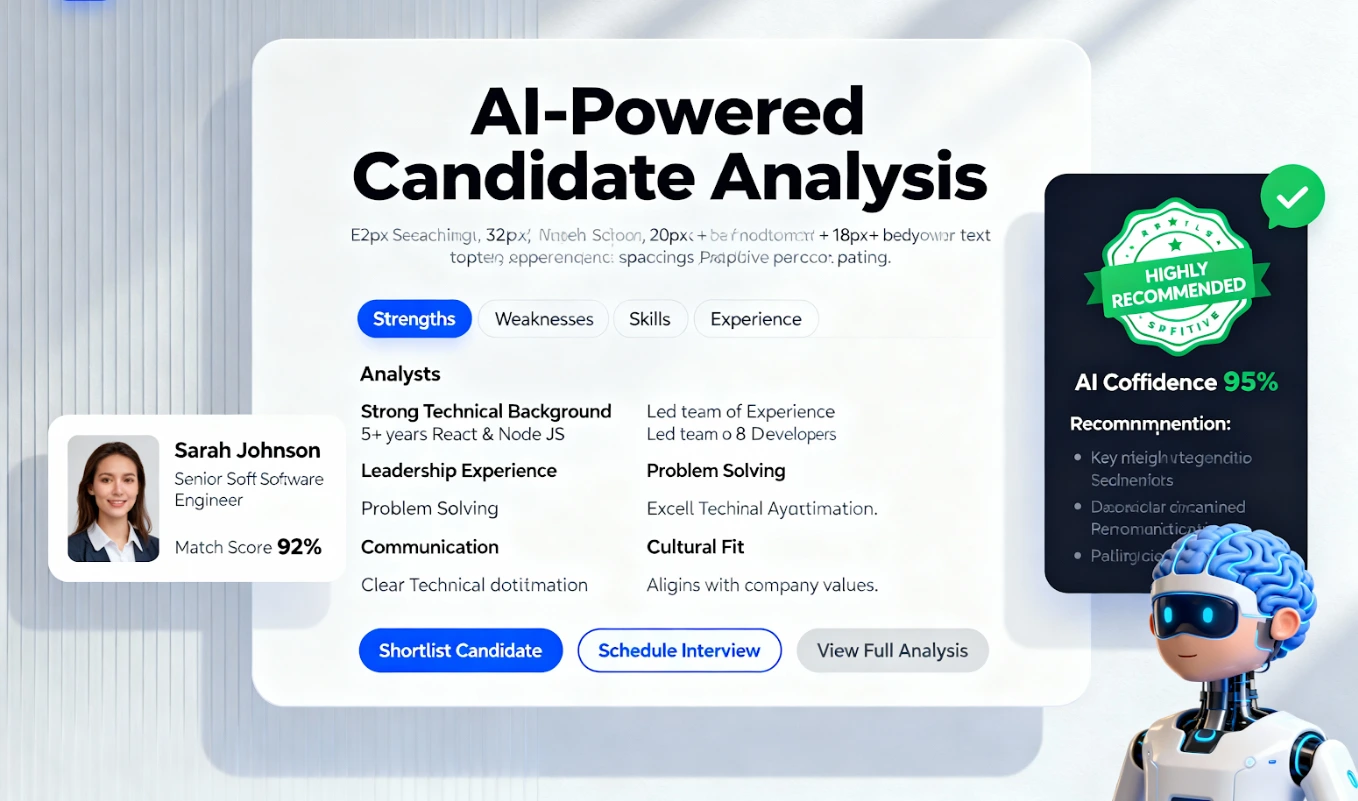
HireZapp pulls in data from places like LinkedIn and GitHub, giving you a fuller picture of a candidate without manual searching. - Job Match Score + Job Quality Score
These scores instantly surface the most relevant candidates, solving the manual screening bottleneck. - Assessments + ATS Pipeline
You can track every candidate in one visual pipeline and send skills tests automatically, preventing people from getting stuck between stages. - Automated Follow-Ups
This directly solves the communication gap by keeping candidates informed without you having to write every email by hand.
By addressing these ATS bottlenecks with a unified system, you spend less time managing process and more time engaging talent.
Recruiter reality: “I used to live in my inbox and a spreadsheet. I'd lose track of who I replied to, and good people would just vanish. It felt like I was always one step behind.”
Common Mistakes That Keep Teams Stuck
Identifying a bottleneck is only half the battle. Many teams get stuck because they make one of these common mistakes during the fixing process.
- Trying to fix everything at once.
- Ignoring qualitative feedback from candidates and recruiters.
- Choosing a new tool without mapping the process problem first.
- Focusing only on speed and ignoring the quality of hires.
- Failing to get buy-in from the entire hiring team.
- Setting unrealistic goals for improvement.
An Honest Look at What Analysis Won't Fix
A streamlined process is powerful, but it is not a magic wand. An efficient hiring system cannot solve deeper business challenges. This analysis will not fix:
- A non-competitive salary or benefits package.
- A negative company culture or poor employer brand reputation.
- A lack of clarity about the role's actual responsibilities.
- An undeveloped talent pool in your specific industry or location.
Start Building a Faster, Fairer Hiring Process
Analyzing your hiring process does not have to be a massive project. Start by mapping your steps and identifying one area for improvement. By making small, consistent changes, you will build a hiring engine that helps you secure top talent before your competitors do.
Unclog Your Hiring Pipeline
HireZapp's AI-powered ATS automates screening, scales hiring, and eliminates bottlenecks, saving you time and top talent.
Frequently Asked Questions
1) What is the most common bottleneck in the recruitment process?
The most frequent bottleneck is often the initial screening stage. Manually reviewing every application is time-consuming and can delay contact with the best candidates, causing them to lose interest.
2) How do you identify hiring bottlenecks?
You can identify them by mapping your hiring stages, measuring the time candidates spend in each stage, and gathering feedback from your hiring team and candidates. Look for the steps that take the longest or cause the most frustration.
3) How can I reduce time to hire without sacrificing quality?
Focus on efficiency, not shortcuts. Use automation for repetitive tasks like scheduling and initial screening, create clear scorecards for objective evaluations, and maintain proactive communication with top candidates.
4) What are some key recruitment metrics to track?
Start with simple but powerful metrics like Time to Fill (time from job opening to offer accepted), Time to Hire (time from application to offer accepted), Source of Hire, and Application Completion Rate.
5) How can an ATS help with bottlenecks?
A modern Applicant Tracking System (ATS) centralizes all candidate information, automates communication, helps screen applicants faster with scoring, and provides data to see where your process is slowing down.
6) Why is candidate drop-off a serious problem?
High drop-off rates mean you are losing qualified, interested talent that you have spent time and money attracting. It can also damage your employer brand if candidates have a poor experience.
7) Does our company size matter for process optimization?
No, every company benefits. Startups need an efficient process to compete for talent, while larger companies need it to manage high volumes and maintain a positive brand reputation.