Why Your Job Ad Converts at 2% Instead of 8% (And How to Fix It)
Running job ads that get plenty of clicks but few qualified applicants feels like a costly leak in your recruiting budget. You spend money to attract talent, only to see them disappear before they even finish the application. This isn't just frustrating; it's a significant drain on time and resources that stalls your growth.

Why Your Job Ad Converts at 2% Instead of 8% (And How to Fix It)
Running job ads that get plenty of clicks but few qualified applicants feels like a costly leak in your recruiting budget. You spend money to attract talent, only to see them disappear before they even finish the application. This isn't just frustrating; it's a significant drain on time and resources that stalls your growth.
When your job ad conversion rate is low, it points to a disconnect between your job post and what top candidates expect. Fixing this is about making small, smart changes that yield much better results. Let's look at how to stop losing great people in the process.
Is Your Application Process Secretly Turning Candidates Away?
Before you rewrite a single word, run through this quick diagnostic. A low conversion rate often starts with a frustrating experience for the applicant. Ask yourself if you have any of these common conversion blockers:
- A vague or confusing job title that doesn't match what candidates are searching for.
- A long list of responsibilities without any mention of impact or team culture.
- A requirement to create a new account and password just to apply.
- An application form that takes more than five minutes to complete on a mobile device.
- No clear salary range or benefits information listed upfront.
- A generic, unbranded application page that feels disconnected from your company.
A Step-by-Step Guide to Improve Job Ad Performance
Transforming your job ad from a candidate deterrent to a talent magnet is a repeatable process. Follow these steps to build a better application experience from the ground up.
- Write a crystal-clear job title. Use standard titles that people actually search for, like "Account Executive" instead of "Revenue Growth Ninja."
- Hook them in the first two sentences. Start with the most compelling part of the role or a question that speaks to a candidate's career goals.
- Focus on outcomes, not just tasks. Instead of listing duties, describe what success looks like in the role and the impact they will have.
- Define the must-haves versus nice-to-haves. Clearly separate your absolute requirements from the skills that are just a bonus to reduce unqualified applications.
- Make your application mobile-first. Ensure your form is simple, requires minimal fields, and allows for resume uploads from a phone.
- Provide a clear timeline. Let candidates know what to expect next and when they can anticipate hearing back to build trust.
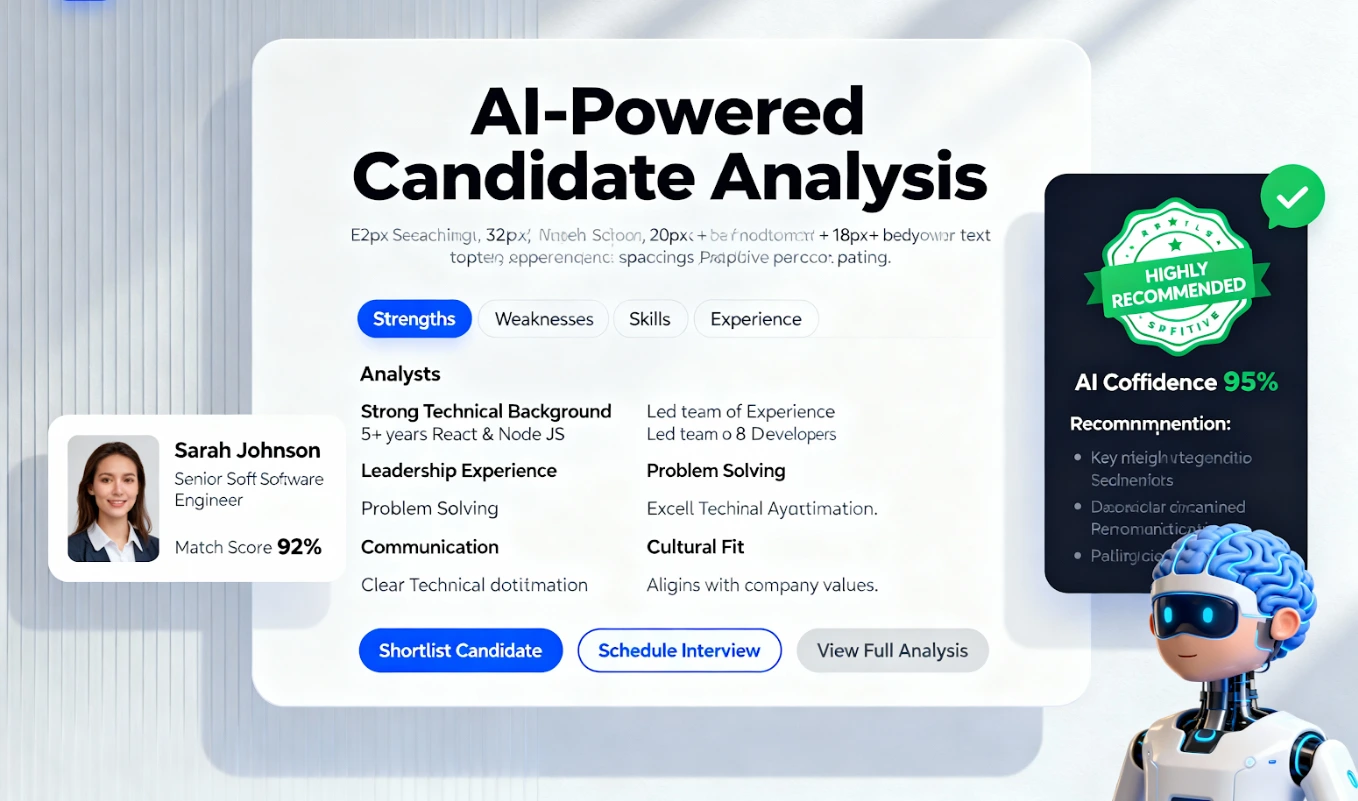
- Use an AI tool to check for bias. Tools can help you spot and remove language that might unintentionally discourage diverse candidates from applying.
From Vague to Valuable: A Job Ad Makeover
Seeing the difference is the best way to understand the power of a candidate-centric job ad. Here is a simple example of how a few changes can make a huge impact on clarity and appeal.
Before: The Corporate Jargon Ad
Our firm is seeking a results-driven synergy coordinator to facilitate cross-functional paradigm shifts. The ideal candidate will leverage core competencies to operationalize strategic initiatives and interface with key stakeholders to drive quarterly KPIs.
After: The Human-First Ad
We're looking for a Project Coordinator to help our marketing and product teams launch new features. You'll be the central point of contact, ensuring projects stay on track and helping us bring great ideas to life for our customers.
How Technology Can Bridge the Conversion Gap
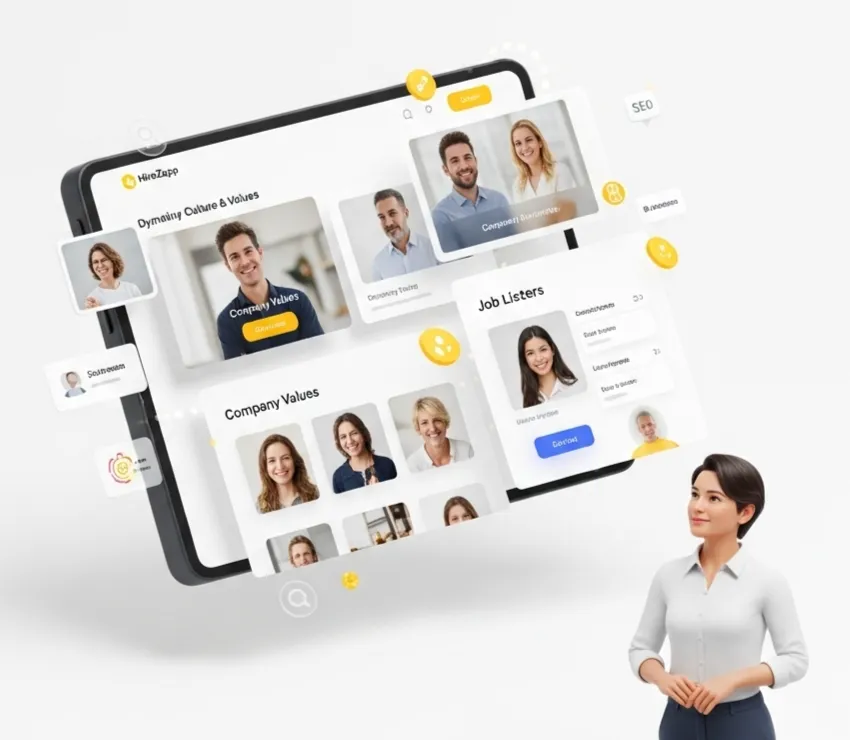
Manually managing these improvements across multiple roles is tough. The right tools can automate best practices and give you back valuable time. Here is how HireZapp helps you convert more applicants into hires, faster.
- AI Job Description Generator
Create clear, compelling, and optimized job descriptions in seconds, helping you attract the right candidates from the start. - Branded Careers Page & Job Posts
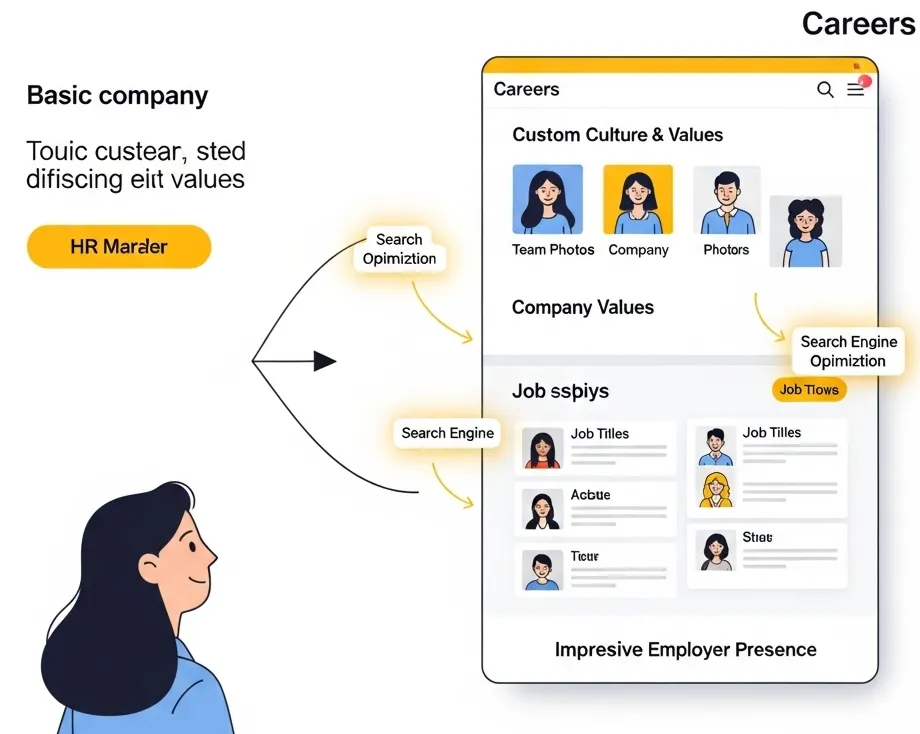
Deliver a consistent and professional brand experience that builds trust and makes candidates more likely to apply. This directly addresses the employer branding impact on conversion. - One-Click Apply from Anywhere
Capture interest instantly with simple job forms that candidates can complete from LinkedIn, your careers page, or any channel without a lengthy login process. - Automated Follow-ups
Keep candidates engaged and informed with automated messages at every stage, so no one feels lost in a black hole.
Common Habits That Cause a Low Job Ad Conversion
Sometimes, the biggest obstacle is our own process. Many teams struggle with low conversion rates because they are stuck in old habits that no longer serve them or the candidates they want to attract.
- Assuming what worked last time will work again without checking the data.
- Ignoring the mobile experience, where most candidates browse for jobs today.
- Forgetting to sell the opportunity and focusing only on your company's needs.
- Using the internal job title instead of a search-friendly public title.
- Making the application process a test of endurance rather than a simple entry point.
- Failing to track where your best applicants are coming from.
What Optimization Can't Solve
Improving your job ad is powerful, but it is not a magic wand. A clear and compelling job post will not fix deeper issues within the role or company. Be aware that optimization won't solve:
- A non-competitive salary or benefits package.
- A negative company reputation or poor online reviews.
- A broken or excessively long interview process after the application.
- A role that has unrealistic expectations or a toxic team culture.
The goal is to get more of the right people into your pipeline. From there, your interview process and offer have to seal the deal.
Your Next Hire is Waiting
Fixing your job ad conversion rate is one of the highest-leverage activities you can do in recruiting. By focusing on the candidate's experience, you not only get more applicants but better, more qualified ones. You can stop wasting ad spend and start having conversations with people who can truly help your business grow.
Ready to see how an all-in-one hiring platform can help? Explore HireZapp and see how our tools make it easier to attract and hire great talent.
Boost Job Ad Conversions
Stop losing talent. HireZapp's AI optimizes your job descriptions, turning 2% ads into 8%+ applicant magnets.
Frequently Asked Questions
1) What is a good job ad conversion rate?
While it varies by industry and role, many recruiters see a healthy job ad view-to-apply conversion rate as being between 5% and 10%. If you are consistently below 3%, it is a strong signal that there are improvement opportunities in your job ad or application process.
2) How can I measure my candidate drop-off rate?
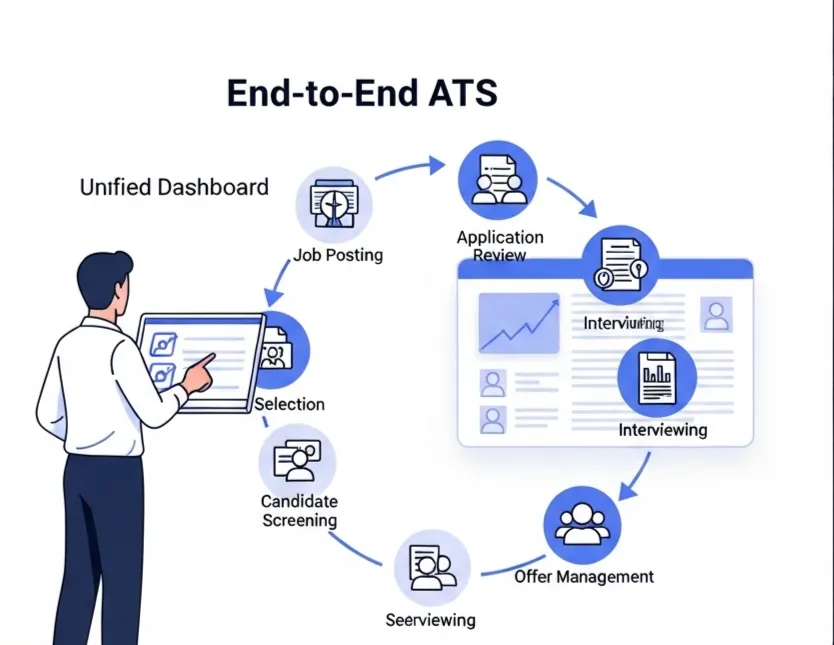
The best way is to use a modern Applicant Tracking System (ATS). An ATS can show you how many people started an application versus how many completed it. If you are using Google Forms or email, you can only track completed applications, which hides the drop-off problem.
3) What are the most important job post best practices for 2026?
The key trends are transparency, mobile-first design, and clarity. This means including salary ranges, ensuring your application takes less than three minutes on a phone, and writing job descriptions that focus on impact rather than just a list of tasks.
4) Can an AI job description generator really help?
Yes, significantly. An AI tool can help you write inclusive, clear, and compelling copy much faster. It acts as a great starting point, ensuring you include key elements and avoid common mistakes like internal jargon or biased language, which is essential for job description optimization.
5) Does employer branding impact conversion rates?
Absolutely. A candidate who clicks an ad and lands on a generic, confusing, or untrustworthy-looking application page is far more likely to leave. A consistent, professional brand experience from the ad to the final "thank you" page builds confidence and encourages completion.
6) How does ATS conversion tracking work?
ATS conversion tracking measures the number of candidates who successfully move from one stage of your hiring funnel to the next. It helps you identify bottlenecks, such as where you are losing the most candidates, so you can focus your optimization efforts effectively.
7) Why is my job description optimization not working?
If you've optimized the job description but still see low conversions, the problem is likely in the application process itself. A long, complicated form, requiring users to create an account, or a non-mobile-friendly experience are common culprits that undo the work of a great job ad.