Candidate Experience Metrics: What to Track Beyond Just "Time to Hire"
You spend weeks sourcing, screening, and interviewing, only to have your top choice accept another offer. Or worse, they ghost you completely. It's a frustratingly common story for recruiters and founders. While many teams focus only on "time to hire," they miss the bigger picture: the quality of the candidate's journey.

Candidate Experience Metrics: Moving Beyond Time to Hire
You spend weeks sourcing, screening, and interviewing, only to have your top choice accept another offer. Or worse, they ghost you completely. It's a frustratingly common story for recruiters and founders. While many teams focus only on "time to hire," they miss the bigger picture: the quality of the candidate's journey.
Focusing on the complete journey helps you understand why people drop off and how to build a process that attracts and converts the best talent. Improving your process means you stop losing great candidates to competitors who simply offer a better, faster, and more respectful experience. These are the great hires that define your company's future.
Why Top Candidates Are Dropping From Your Hiring Process
If your hiring feels like a leaky bucket, it's often due to small, overlooked issues that add up to a poor experience. These problems directly harm your hiring funnel metrics by creating friction and uncertainty for applicants.
Recruiter reality: “I was managing three roles using email and a spreadsheet. I thought I was organized, but I later found out two great candidates dropped because they never heard back after the first interview. I simply lost track.”
Here’s what is really causing top talent to walk away:
- A long and confusing application process.
- Vague job descriptions that don't explain the role's impact.
- Poor communication and long delays between hiring stages.
- Inconsistent questions and feedback from different interviewers.
- A non-existent or unprofessional careers page.
- No clear timeline provided for the hiring process.
A Step-by-Step Guide to Tracking Key Candidate Experience Metrics
To fix the leaks, you need data. This repeatable playbook will help you measure what matters, identify weaknesses, and build a hiring process that candidates appreciate. Start by tracking these core metrics.
- Candidate Satisfaction Score (CSAT)
This metric measures how satisfied candidates are with your hiring process. Ask candidates to rate their experience on a scale of 1-5 after key stages, like an interview or after the process concludes. It provides direct feedback on what's working and what isn't. - Offer Acceptance Rate
This is the percentage of candidates who accept a formal job offer. A low rate can signal issues with your compensation, culture, or the final interview stages. Calculate it by dividing the number of accepted offers by the total number of offers made. - Candidate Drop-off Rate
This shows you where in your funnel you are losing people. Track the percentage of candidates who withdraw their application at each stage. High drop-off after a technical assessment, for example, might mean it's too difficult or long. - Interview to Hire Ratio
This measures how many interviews your team needs to conduct to make one hire. A high ratio could indicate that your screening process isn't identifying the right candidates early on, wasting everyone's time. - Time to Offer
This is the time between a candidate's first contact and when they receive a formal job offer. A long time to offer gives competitors a window to attract your top candidates away. - Source of Quality Hires
This metric tracks which channels are delivering candidates who actually get hired. It helps you focus your budget and effort on the sourcing channels that provide the best return.
Templates to Start Tracking Today
You don't need complex tools to get started. Use these simple templates to begin gathering valuable data on your candidate experience.
Simple Candidate Feedback Survey
Send a short survey to candidates who have completed an interview or have been rejected. Ask these simple questions:
- On a scale of 1-5, how would you rate your overall experience with our hiring process?
- How clear was the communication you received from our team? (1-5)
- How well did the job description match your understanding of the role during the interview? (1-5)
- Is there anything we could have done to improve your experience? (Open text)
Candidate Experience Metrics Checklist
- What we will track
Decide on 2-3 key metrics to start with, like CSAT and Offer Acceptance Rate. - Why we are tracking it
Connect each metric to a specific business goal, such as reducing candidate withdrawal. - How we will measure it
Define the tool (e.g., survey tool, ATS report) and the formula for each metric. - Who is responsible
Assign one person to own the tracking and reporting for consistency. - When we will review it
Set a recurring time (e.g., monthly) to review the data and decide on actions.
How HireZapp Streamlines Your Recruiting Analytics
Manually tracking these metrics in spreadsheets is time-consuming and prone to errors. A dedicated platform like HireZapp builds measurement directly into your workflow, giving you actionable insights without the extra work. It provides the foundation for strong recruiting analytics.
- ATS Pipeline Tracking
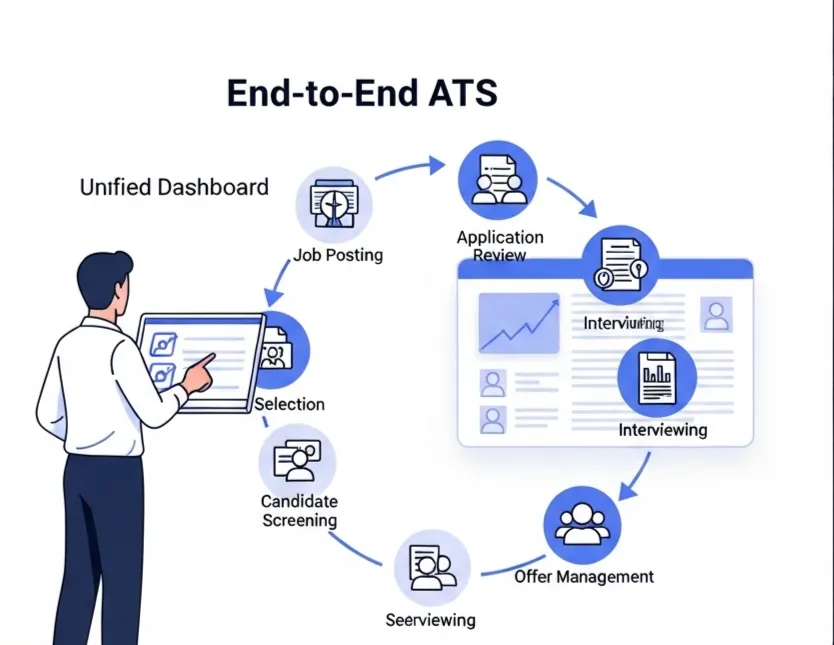
Automatically see your candidate drop-off rate at every stage of the funnel, from applied to hired. This helps you pinpoint exactly where your process is breaking down. - Automated Candidate Follow-ups
Improve your candidate satisfaction score by ensuring no applicant is left in the dark. Timely, branded communication keeps candidates engaged and feeling respected. - Job Match & Quality Scores
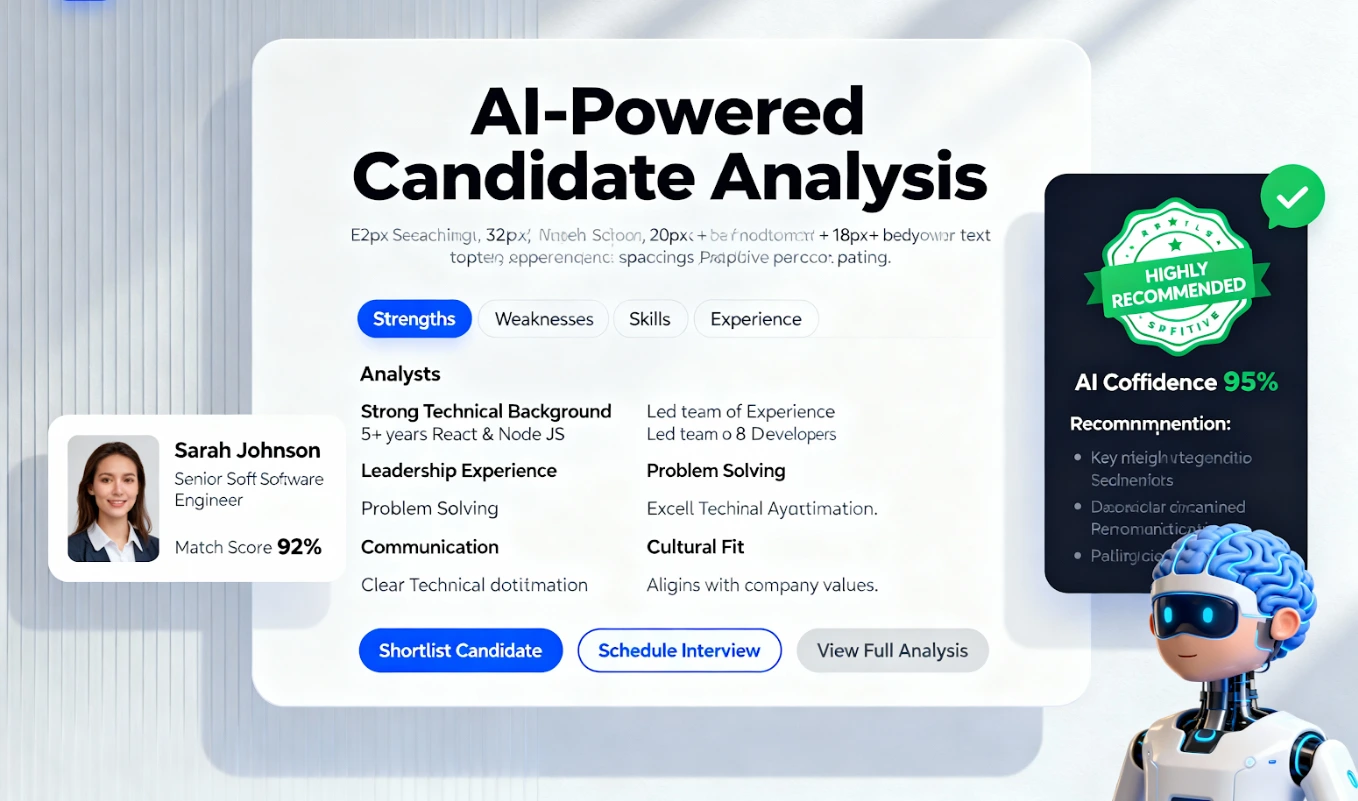
Improve your interview to hire ratio by focusing only on the most relevant applicants from the start. Our AI scoring helps you screen faster and with more accuracy. - Branded Careers Page and Job Posts
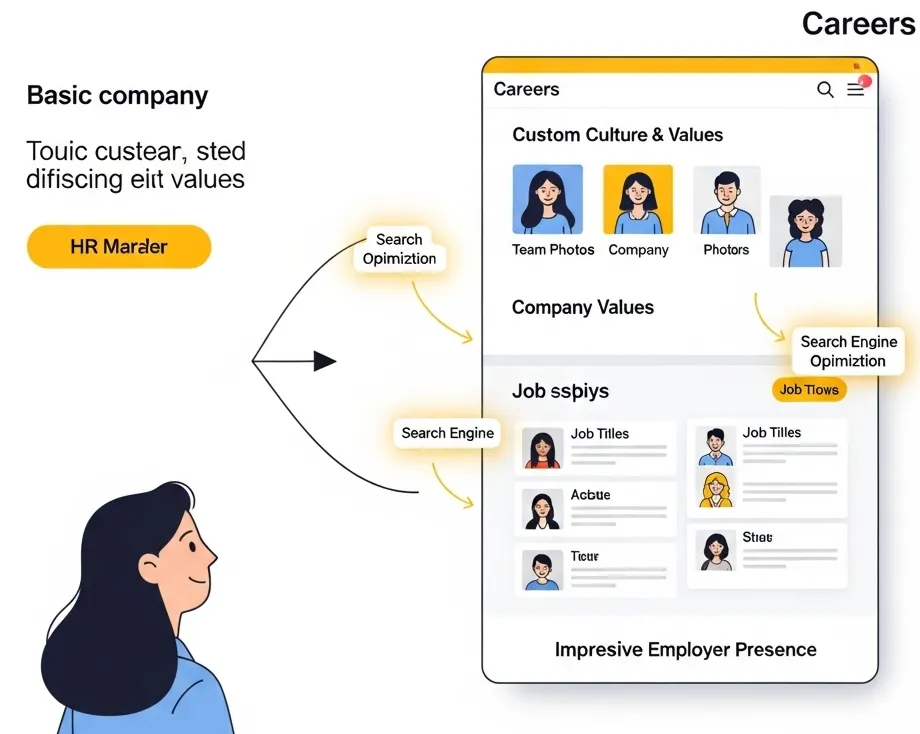
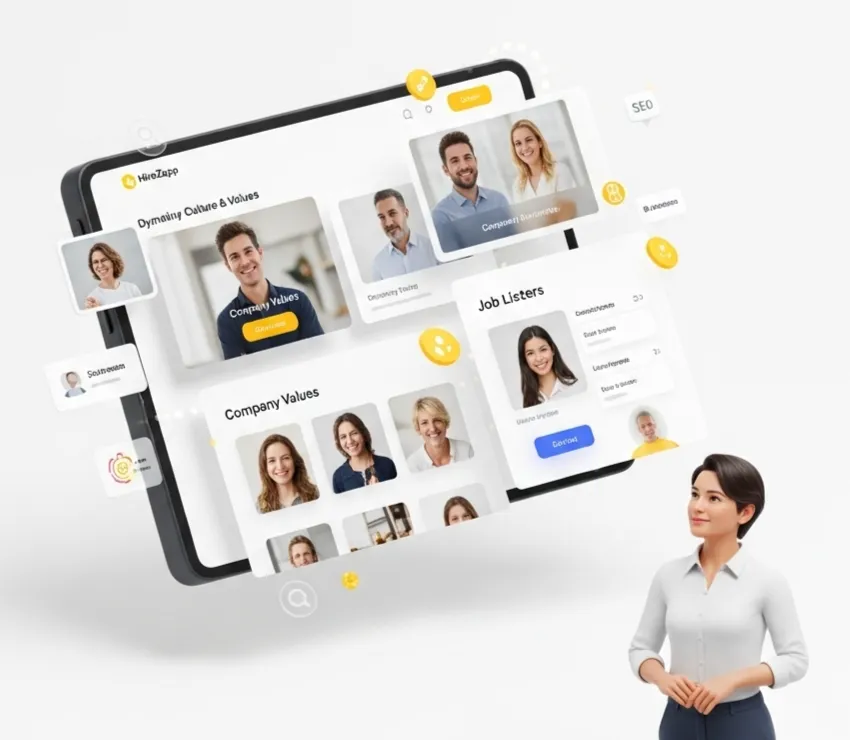
Make a great first impression. A professional, easy-to-navigate careers page reduces initial friction and application abandonment, setting a positive tone for the entire process.
Common Pitfalls That Keep Hiring Metrics Stagnant
Tracking data is only the first step. To see real improvement, you must avoid these common mistakes that prevent teams from turning insights into action.
- Focusing only on numbers while ignoring written feedback from candidates.
- Surveying only the candidates you hire, which introduces significant bias.
- Failing to share the data and key findings with interviewers and hiring managers.
- Not having a mobile-friendly application process for on-the-go candidates.
- Changing too many things at once, making it impossible to know what's working.
- Letting data sit in a report without taking any action to improve the process.
What Metrics Alone Can't Solve
Data can illuminate problems in your process, but it can't fix fundamental issues with the job itself. Be honest about whether your challenges are related to process or substance. Even the best hiring experience won't fix:
- A non-competitive salary or benefits package.
- A toxic or undefined company culture.
- A poorly defined role with unclear responsibilities.
- A hiring manager who is a poor interviewer or culture fit.
Master Candidate Experience Metrics.
Go beyond basic metrics. HireZapp's AI optimizes every candidate touchpoint.
Frequently Asked Questions
1) What are the most important candidate experience metrics?
For most B2B SaaS companies, the most impactful metrics to start with are the Candidate Satisfaction Score (CSAT), Offer Acceptance Rate, and Candidate Drop-off Rate by stage. They give you a balanced view of candidate sentiment and funnel efficiency.
2) How can I improve my offer acceptance rate?
Ensure your compensation is competitive, clearly communicate your company culture and values throughout the process, and maintain momentum between the final interview and the offer. Personalized communication from the hiring manager can also make a significant difference.
3) What's a good candidate net promoter score?
A candidate net promoter score (cNPS) measures how likely a candidate is to recommend your hiring process to others. While benchmarks vary, any positive score is considered good. The most important thing is to track your score over time and work to improve it, rather than focusing on a specific number.
4) Why is tracking the candidate drop-off rate at each stage important?
It acts like a diagnostic tool for your hiring funnel. A high drop-off after the phone screen might mean your job description is misleading. A high drop-off after a technical test could mean it's too difficult or irrelevant. It tells you exactly where to focus your improvement efforts.
5) How often should I send a candidate feedback survey?
For the best data, send a survey at two key points: after a candidate is rejected and after a new hire completes their first week. This gives you feedback from both perspectives and helps you understand the full journey.
6) Can small companies track these recruiting analytics without a big budget?
Absolutely. You can start with free tools like Google Forms for surveys and a simple spreadsheet to track rates. As you grow, an affordable, integrated system like HireZapp can automate this process and provide much deeper insights without a large investment.
7) What is the difference between time to hire and time to offer?
Time to hire typically measures the entire process from the day a job is opened to the day a candidate accepts the offer. The time to offer metric is a subset of this, focusing specifically on the candidate's journey from their first interaction with your company to receiving an offer. It is a more direct measure of the candidate's experience of your process speed.