Hiring Bias Audit: Detecting and Removing Discrimination
You are spending money on job ads and getting plenty of applicants, but the best candidates seem to be dropping off before the final interview. Your team is overloaded with manual screening, and you have a nagging feeling that great talent is slipping through the cracks. This is a common problem when hiring processes grow without clear, consistent rules.

How to Conduct a Hiring Bias Audit: A Step-by-Step Guide
You are spending money on job ads and getting plenty of applicants, but the best candidates seem to be dropping off before the final interview. Your team is overloaded with manual screening, and you have a nagging feeling that great talent is slipping through the cracks. This is a common problem when hiring processes grow without clear, consistent rules.
A well-structured audit can fix this. It helps you build a repeatable system that surfaces the best candidates based on skill, not unconscious feelings. The result is a stronger team, faster hires, and a better reputation among top talent.
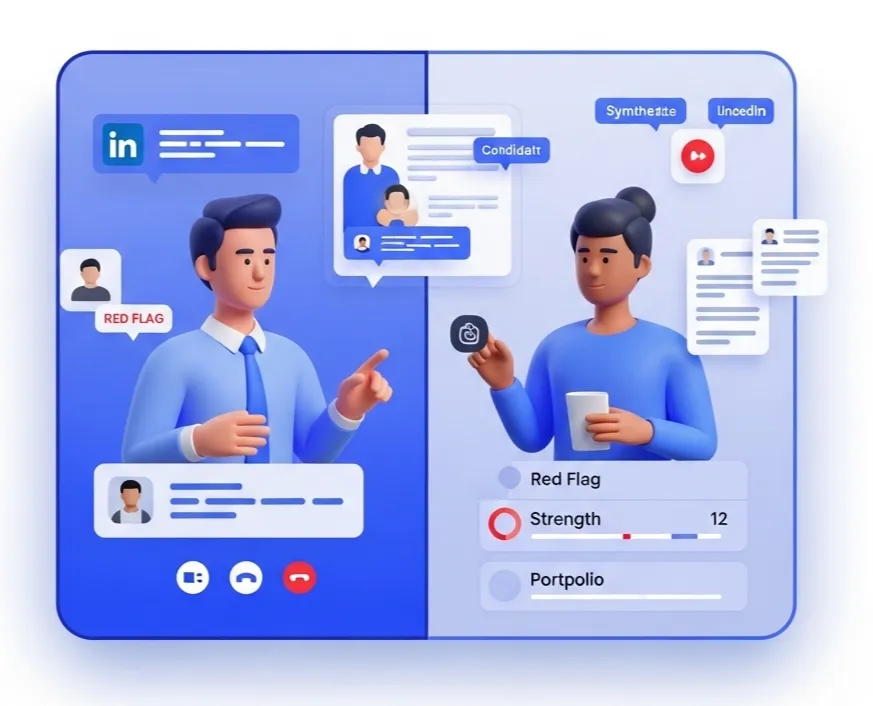
Bias often hides in plain sight within the small, everyday decisions of recruiting. Many teams struggle with unconscious bias in recruiting without even realizing it. The first step is to know where to look.
- Vague job descriptions that use coded language or overly specific requirements.
- Screening resumes based on names, photos, or university prestige instead of relevant skills.
- Unstructured interviews where each candidate gets a different set of questions.
- Relying on "gut feelings" or "culture fit" without a clear definition.
- Inconsistent feedback collection that makes it hard to compare candidates fairly.
- Referral programs that only bring in candidates from the same networks.
Your Step-by-Step Framework for a Hiring Bias Audit
Ready to build a fairer, more effective process? This playbook provides a clear path to help you identify and remove bias in hiring. Follow these steps methodically to get the best results.
- Define Your Goals
Start by identifying what fairness looks like for your organization. Set clear, measurable objectives for what you want to achieve with your audit. - Gather Your Data
Collect hiring data from your ATS or spreadsheets for the last 6-12 months. You will need information on applicant demographics, progression rates at each stage, and final hiring decisions. - Review Job Postings
Analyze the language in your job descriptions. Look for gendered words, unnecessary jargon, or qualifications that might discourage diverse candidates from applying. - Analyze the Application Stage
Review your application form. Keep it short and only ask for essential information to reduce candidate drop-off and avoid collecting potentially biasing data too early. - Examine the Screening Process
Map out how resumes are reviewed. Implement a blind screening process where names and other identifying details are hidden to focus purely on skills and experience. - Audit Your Interviews
Ensure you are using a structured interview process. This means every candidate for a specific role is asked the same core set of questions in the same order. - Check the Offer Stage
Look at data on offers extended versus offers accepted. This can reveal insights into compensation equity and the final stages of the candidate experience. - Collect Candidate Feedback
Send anonymous surveys to all applicants, including those you rejected. Ask about their experience to identify points of friction or perceived unfairness.
Recruiter reality: "We thought our process was fair, but the audit showed that our interview panel was always the same three people. We were accidentally hiring people who just thought like them."
Unbiased Templates to Get You Started
Taking action is easier with the right tools. Here are two simple templates you can adapt to create more inclusive job descriptions and standardized evaluation criteria.
Example Job Description Snippet (Skills-Focused)
We are looking for a Customer Success Manager who is passionate about helping clients achieve their goals. In this role, you will be responsible for onboarding new users, developing success plans, and analyzing product usage data to provide proactive support. Your success will be measured by customer retention and product adoption rates.
Candidate Scorecard Checklist
- Demonstrated experience with [Key Skill 1]
- Problem-solving ability shown in [Project Example]
- Communication style (Clarity and effectiveness)
- Alignment with team's core work principles
- Questions asked about the role and company
- Overall qualifications for the job's core duties
How Automation Supports Fair Hiring Practices
Manually auditing every step can be overwhelming. Modern tools can automate parts of the process to ensure consistency and fairness at scale. This is where a unified platform like HireZapp helps you build a better system.
- AI JD Generation
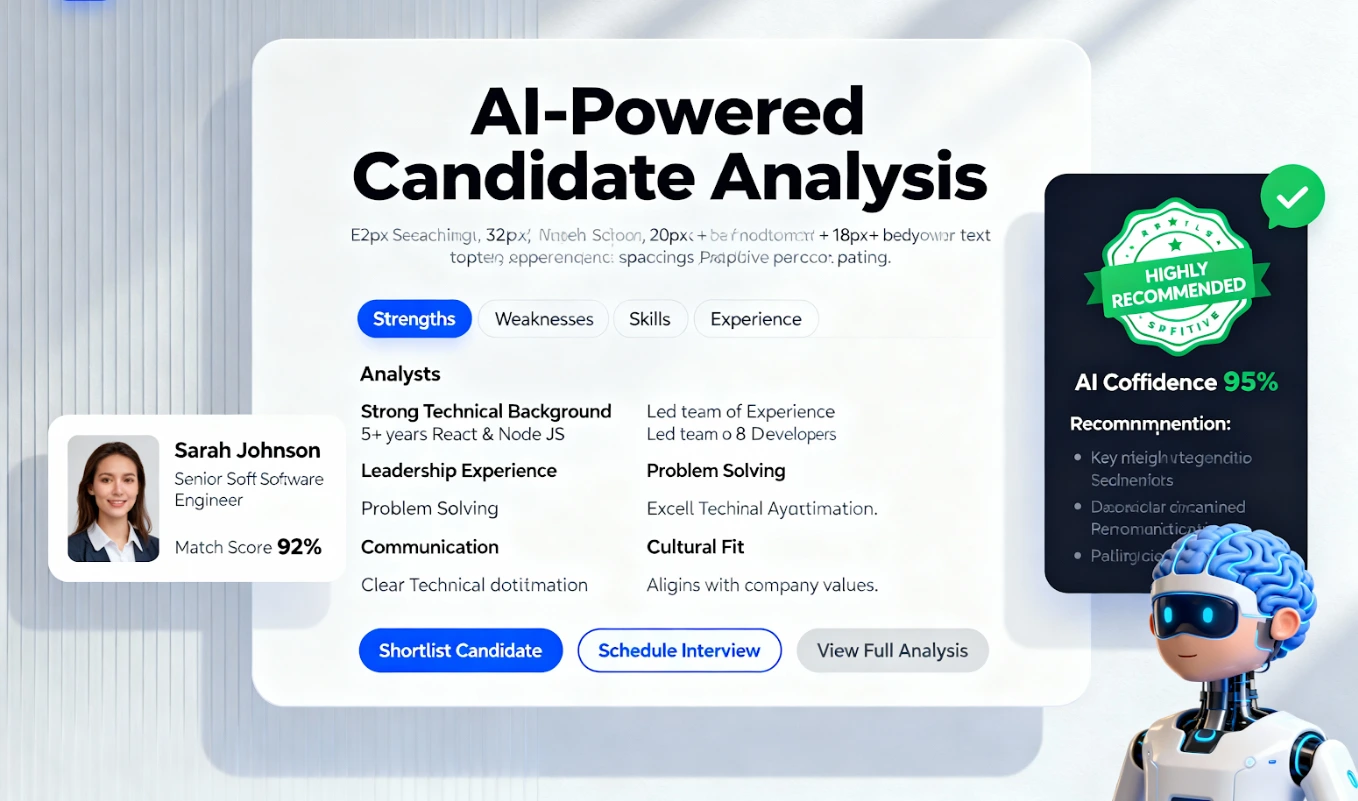
Creates skills-focused and gender-neutral job descriptions instantly, removing biased language before you even post the role. - Job Match Score
Objectively ranks every applicant based on how their skills align with the job requirements, pushing the most qualified candidates to the top. - Automated Assessments
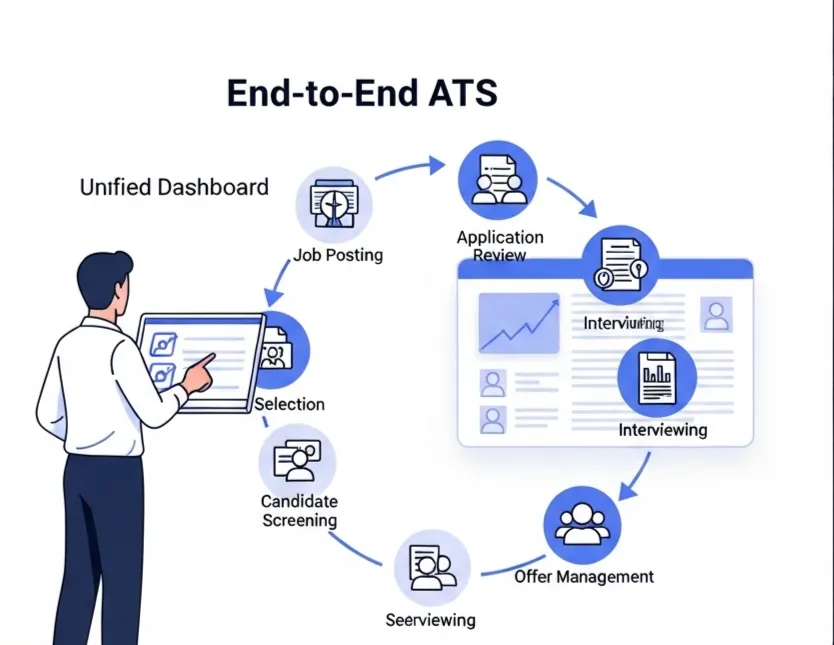
Provides a standardized way to measure specific skills, giving every candidate an equal chance to prove their abilities. - Centralized ATS Pipeline
Ensures every candidate goes through the same structured stages, preventing anyone from slipping through the cracks or getting special treatment.
Common Mistakes to Avoid in Your Audit
Even with the best intentions, it is easy to make mistakes that undermine your efforts. Watch out for these common pitfalls.
- Treating the audit as a one-time project instead of an ongoing process.
- Focusing only on numbers and ignoring qualitative feedback from candidates and hiring managers.
- Forgetting to train your team on what you have learned and how to apply it.
- Fixating on a single type of bias instead of looking at the entire system.
- Ignoring how modern AI bias detection tools can streamline your review process.
- Failing to get buy-in from leadership to make necessary changes.
An Honest Look: What an Audit Can't Do Alone
A hiring audit is a powerful tool, but it is not a magic wand. Being realistic about its limits helps you build a more complete strategy for diversity and inclusion.
- An audit reveals problems but does not automatically change company culture.
- It cannot fix a lack of diverse candidates in your pipeline; that is a sourcing issue.
- It is not a substitute for continuous, mandatory training for everyone involved in hiring.
- It will not work if leadership is not fully committed to funding and supporting the recommended changes.
Building a Fairer Process Starts Now
Conducting a hiring bias audit is one of the most impactful actions you can take to improve your recruiting. It moves you from guesswork to a data-driven process that identifies and advances the best talent, regardless of their background. By committing to this simple check-up, you are not just improving compliance; you are building a stronger, more innovative, and more successful team.
Eliminate Hiring Bias. Hire Smarter.
Go beyond audits. HireZapp's AI proactively eliminates bias from JDs and screening for truly fair hiring.
Frequently Asked Questions
1) What is a hiring bias audit?
A hiring bias audit is a systematic review of your entire recruiting process, from job description to final offer, to identify and address points where unconscious bias or systemic barriers may be disadvantaging certain groups of candidates.
2) How often should we conduct a diversity hiring audit?
Most experts recommend conducting a full diversity hiring audit annually. You should also perform smaller, more frequent checks on a quarterly basis to monitor key metrics and ensure new processes are working as intended.
3) What are the first steps to detect hiring discrimination?
The first steps are to collect and analyze your hiring data. Look at the progression rates of different demographic groups through each stage of your funnel. A significant drop-off for a particular group at a specific stage is a strong indicator that needs investigation.
4) Can an ATS help with bias prevention?
Yes, a modern system can be a powerful tool for ATS bias prevention. It helps by standardizing workflows, enabling blind resume reviews, tracking diversity metrics, and ensuring every candidate receives consistent communication and evaluation.
5) How does bias affect the candidate experience?
Bias creates a poor and frustrating candidate experience. When candidates feel a process is unfair, they lose trust in the company, are more likely to withdraw their application, and may share their negative experience online, damaging your employer brand. This is a key part of candidate experience bias.
6) What are some examples of unconscious bias in recruiting?
Common examples include affinity bias (favoring people like you), halo effect (letting one positive trait overshadow everything else), confirmation bias (looking for information that confirms your initial impression), and name bias (making assumptions based on a name).
7) Are AI hiring tools biased?
They can be if not designed and monitored carefully. The best AI bias detection tools are built on transparent algorithms and are continuously audited to ensure they focus on job-relevant skills and qualifications, rather than mimicking historical human biases.
8) How can I write more inclusive job descriptions?
Focus on essential skills and outcomes, not long lists of pedigree-based requirements. Use gender-neutral language, remove corporate jargon, and clearly state your commitment to diversity and inclusion. Tools can scan your text for biased language automatically.