How to Reduce Spam and Low-Intent Applications by 50–70%
Are you tired of sifting through hundreds of applications for a single role, only to find a few are qualified? Many founders and recruiters spend hours sorting through resumes from people who clearly haven't read the job description. This manual work slows down hiring and causes you to miss out on the best talent.


How to Reduce Spam Applications and Get Better Candidates
Are you tired of sifting through hundreds of applications for a single role, only to find a few are qualified? Many founders and recruiters spend hours sorting through resumes from people who clearly haven't read the job description. This manual work slows down hiring and causes you to miss out on the best talent.
The good news is that you can fix this. By making a few strategic changes to your process, you can dramatically improve the quality of your applicant pool. This guide provides a clear playbook to help you attract serious candidates and spend your time on interviews, not sorting.
Why Your Inbox is Full of Unqualified Candidates
If you're dealing with a flood of irrelevant applications, it's usually not bad luck. It's often a sign that your hiring process has gaps. Many recruiters notice these common issues causing the problem:
- Vague Job DescriptionsWhen roles and requirements are unclear, anyone can think they are a good fit.
- Frictionless "Easy Apply" OptionsOne-click applications invite people who are applying to everything without a second thought.
- Missing Pre-Screening StepsWithout upfront questions, you have no way to filter out candidates who lack critical skills or qualifications.
- Poorly Designed Application FormsForms that are too long discourage good candidates, while forms that are too short don't gather enough information.
- An Invisible Employer BrandSerious candidates look for signs of a professional, organized company. A weak brand attracts less serious applicants.
- Posting on the Wrong Job BoardsBroad, generic job boards can attract high volume but low quality compared to niche platforms.
Your Playbook to Reduce Spam Applications
You can regain control over your hiring funnel. This isn't about adding more work; it's about doing the right work upfront. Follow these steps to improve applicant quality and build a more efficient process.
- Start with Outcomes, Not TasksBefore writing anything, define the top three business outcomes this role must achieve in the first year. This shifts your focus from a list of skills to the actual value you need.
- Write a Job Description That Repels and AttractsUse your defined outcomes to build a clear, compelling job description. Be specific about the "must-have" skills to gently discourage those who aren't a fit.
- Create a Purposeful Application FormReplace generic forms with one that asks intentional questions. This simple step adds just enough friction to filter out low intent applicants.
- Ask Knockout Questions EarlyInclude a few non-negotiable questions in your form. For example, ask about specific software experience, visa sponsorship requirements, or salary expectations.
- Automate Your First-Pass ScreeningUse a system to automatically filter applicants based on their answers to your knockout questions. This instantly clears your pipeline of unqualified candidates.
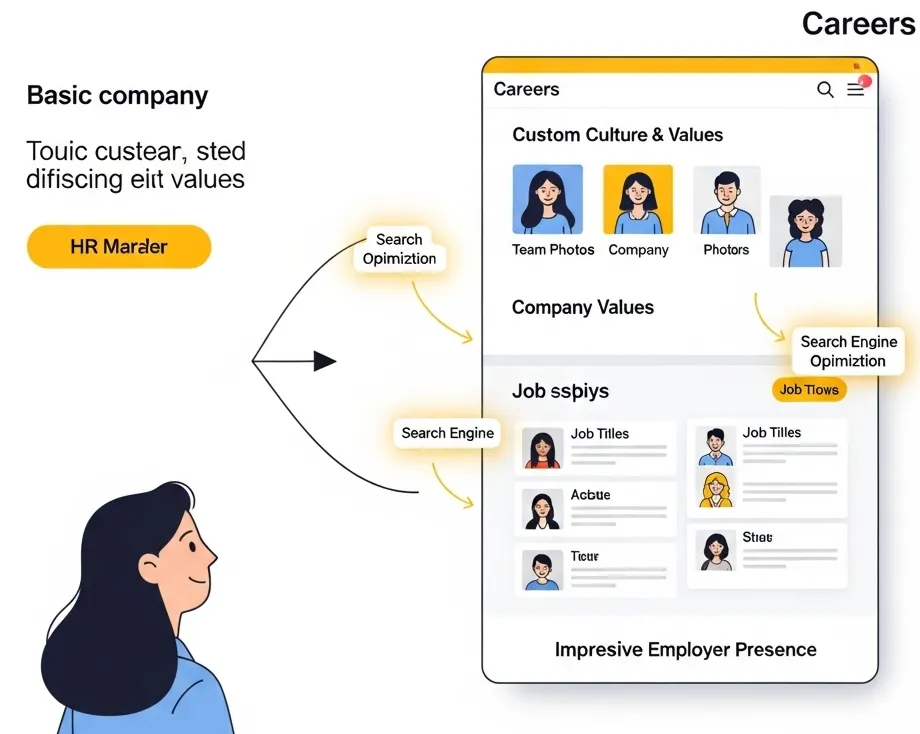
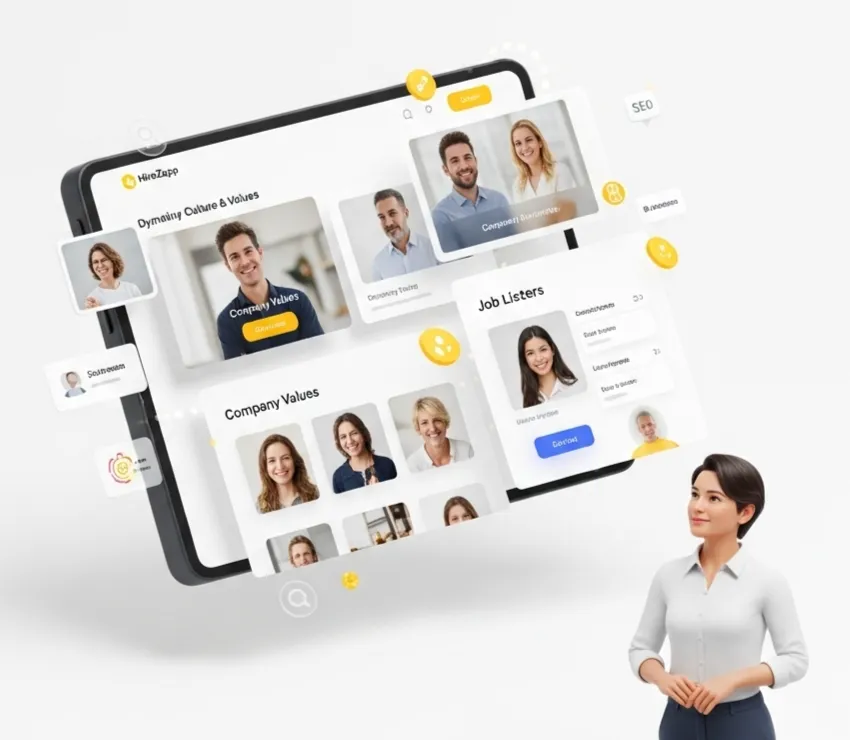
- Showcase Your Company CultureEnsure your careers page, job posts, and communications are professional and reflect your brand. High-caliber candidates are evaluating you, too.
- Track Quality Over QuantityMeasure success by the percentage of qualified applicants, not the total number of applications. This is a key part of successful hiring funnel optimization.
Recruiter reality: "I used to think more applications meant more choices. Now I know that 20 great applications are better than 200 random ones. It's about getting my time back."
Templates You Can Use Today
Putting this theory into practice is simple. Here are some examples to guide your job description optimization and screening process.
Effective Pre-Screening Questions
Add these to your application form to gather critical information upfront. These questions save you from discovering deal-breakers during an interview.
- Are you authorized to work in [Country/State] without sponsorship? (Yes/No)
- This role requires expert-level experience with HubSpot CRM. On a scale of 1-5, how would you rate your proficiency? (1=Beginner, 5=Expert)
- What are your salary expectations for this role? (Please provide a range)
- This is a [Hybrid/Remote/On-site] position located in [City]. Are you able to meet this requirement? (Yes/No)
- Describe a time you used data to solve a customer-facing problem. (Short text answer)
Checklist for a Better Application Form
Review your current form against these application form best practices. Each "yes" brings you closer to a higher-quality applicant pool.
- Is the form mobile-friendly?
- Does it take less than five minutes to complete?
- Does it avoid asking for information already on a resume (like past job duties)?
- Does it include 2-3 mandatory knockout questions?
- Does it clearly state the next steps in the process?
- Is your company logo and branding visible?
How HireZapp Automates Your Quality Control
Manually implementing these steps can be time-consuming. HireZapp is designed to build quality control directly into your workflow, making it one of the most effective applicant screening strategies for small teams.
- AI Job Description GenerationCreates clear, outcome-focused job descriptions that attract the right people and deter unqualified candidates.
- Customizable Application FormsLets you easily add pre-screening questions to filter applicants automatically.
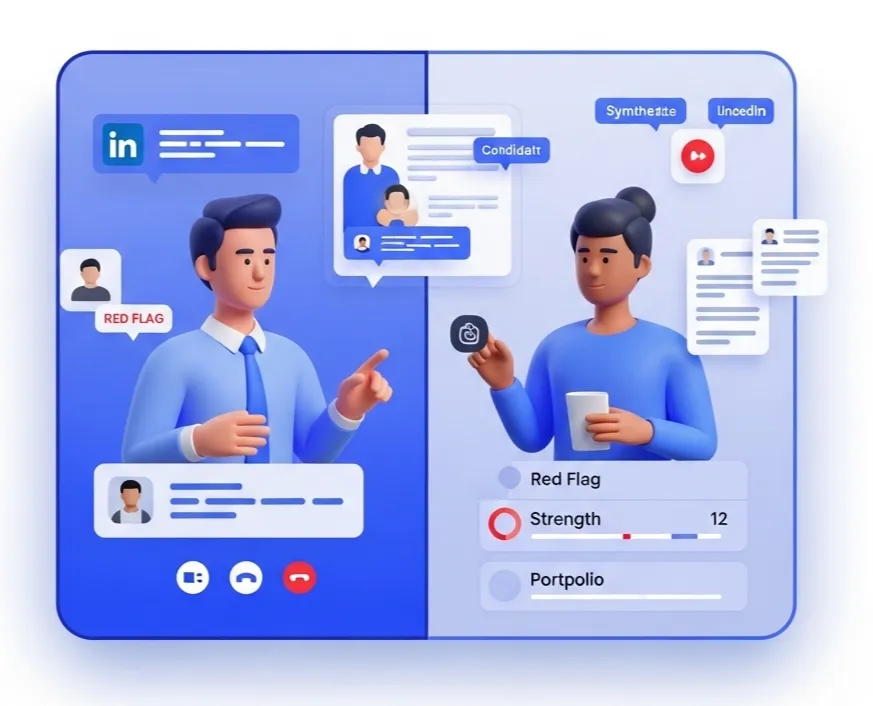
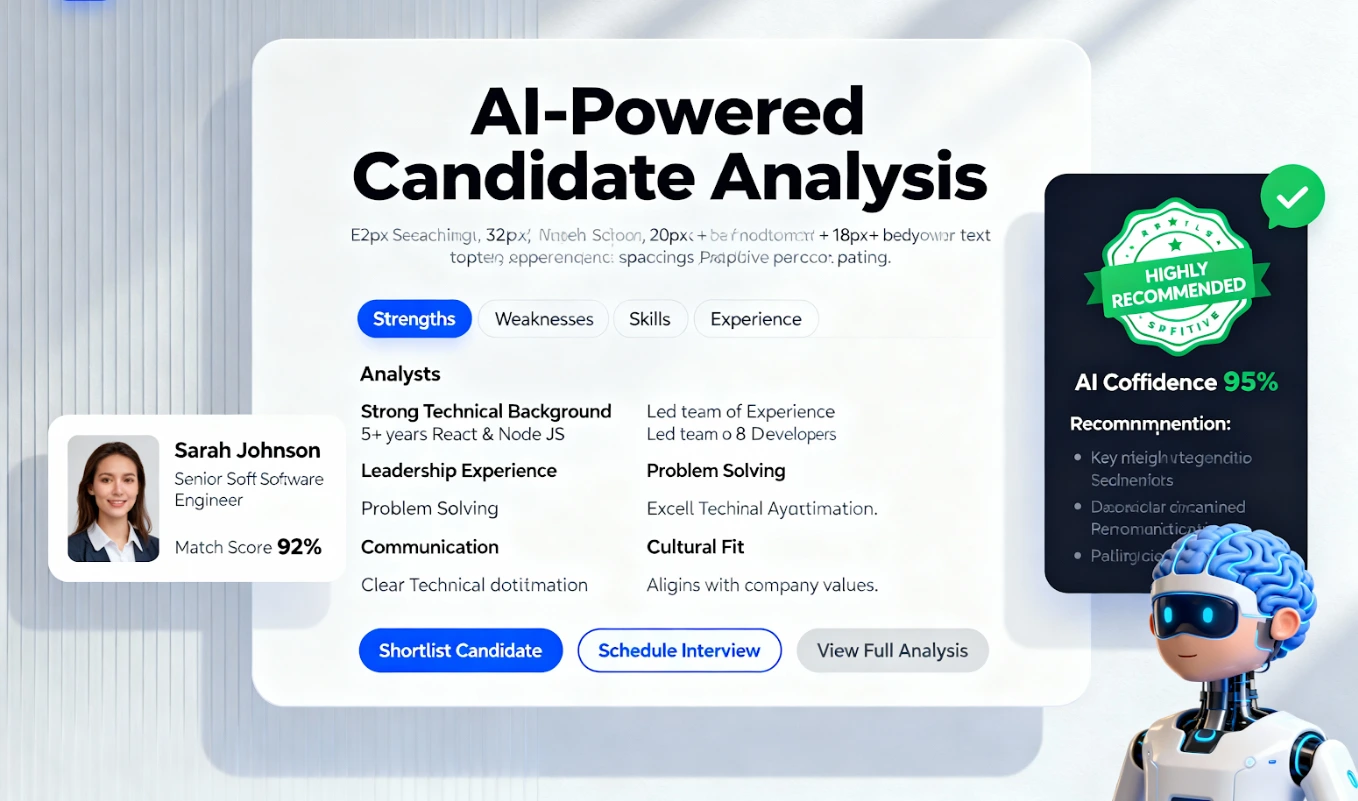
- Job Match Score and Candidate Quality ScoreInstantly shows you which applicants are the best fit based on your unique criteria, saving you hours of review time.
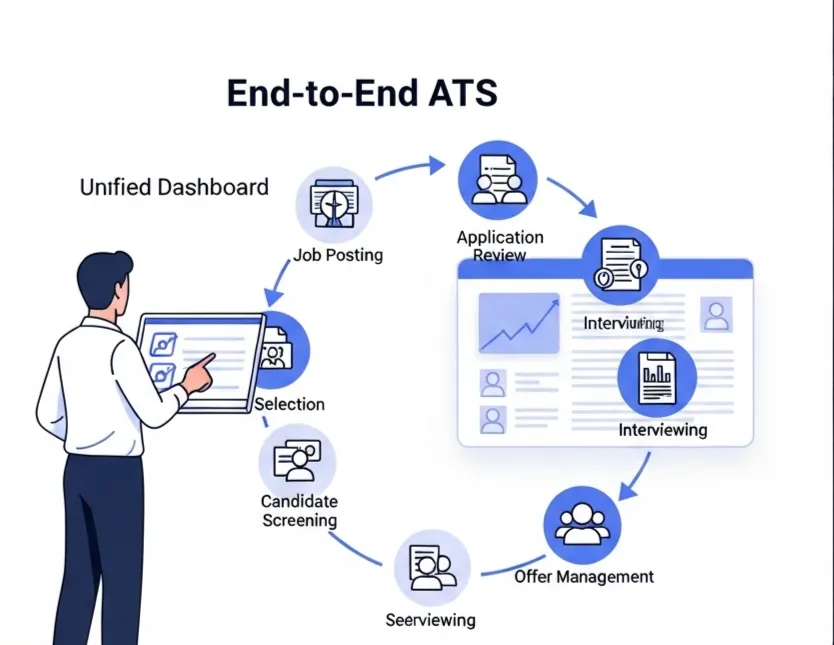
- Automated ATS PipelineMoves candidates through stages and sends follow-ups, ensuring high-intent applicants stay engaged.
- Integrated Employer BrandingCreates a professional careers page and branded communications to build trust with top talent from the first touchpoint.
Common Mistakes That Keep Teams Stuck
Even with good intentions, it's easy to fall back into old habits. Watch out for these common mistakes that lead to a high volume of spam applications.
- Chasing a high number of total applicants as a success metric.
- Copying and pasting old, generic job descriptions for new roles.
- Making your application process too long and complicated.
- Forgetting to communicate with applicants after they apply.
- Relying only on a resume to determine a candidate's potential.
- Failing to use the filtering features in your hiring software.
What This Process Won't Fix
Optimizing your application process is powerful, but it's not a silver bullet. Be aware that these strategies cannot overcome foundational business challenges, such as:
- An uncompetitive compensation and benefits package.
- A negative reputation in the market or poor company reviews.
- A poorly defined role with unrealistic expectations.
- A lack of internal alignment on what makes a successful hire.
Start Attracting the Right Candidates
You don't have to accept a messy, high-volume hiring process as the norm. By focusing on clarity, adding strategic friction, and using automation, you can build a pipeline filled with high-intent candidates. This frees you up to focus on what truly matters: building great relationships and making excellent hires.
Cut time-to-hire in half
From job post to offer letter, HireZapp keeps your pipeline moving.
Frequently Asked Questions
1) What is the first step to reduce spam applications?
The first and most important step is to rewrite your job description for clarity. Focus on the core outcomes of the role and the specific "must-have" skills required. This clarity naturally filters out people who are not a good fit.
2) How does job description optimization impact candidate quality?
Job description optimization directly impacts quality by setting clear expectations. A well-written JD speaks to the ideal candidate while discouraging those who lack the essential qualifications, significantly reducing the number of unqualified applicants you receive.
3) What are some examples of effective pre-screening questions?
Effective pre-screening questions are direct and address non-negotiable requirements. Examples include asking about work authorization, proficiency with a specific tool, salary expectations, or willingness to work on-site.
4) Can an ATS really help with low intent applicants?
Yes. A modern Applicant Tracking System (ATS) can automatically filter applicants based on their answers to pre-screening questions. This removes low intent applicants from your active pipeline before you ever have to review their resume.
5) What are the key application form best practices to follow?
The best practices include keeping the form short (under 5 minutes), ensuring it's mobile-friendly, including 2-3 knockout questions, and avoiding redundant fields that ask for information already on the resume.
6) How do you measure if you are successfully reducing unqualified candidates?
Track the ratio of qualified applicants to total applicants. If this percentage increases over time, you are successfully improving your applicant quality. For example, aim to move from 10 qualified out of 100 to 30 qualified out of 100.
7) What's the difference between a high-intent and low-intent applicant?
A high-intent applicant has researched your company, tailored their application, and can articulate why they are a great fit for the specific role. A low-intent applicant often applies with one click, uses a generic resume, and may not even remember applying.