Why Certain Roles Attract More Spam Applications (and How to Fix It)
Sifting through a mountain of resumes only to find a handful of qualified people is a massive time drain. You post a job, and within hours, your inbox is flooded with applicants who clearly ignored the core requirements. This is a common frustration for founders and recruiters trying to move quickly.


Why Certain Roles Attract More Spam Applications (and How to Fix It)
Sifting through a mountain of resumes only to find a handful of qualified people is a massive time drain. You post a job, and within hours, your inbox is flooded with applicants who clearly ignored the core requirements. This is a common frustration for founders and recruiters trying to move quickly.
The goal is to spend your time engaging with top talent, not manually deleting irrelevant applications. The good news is you can significantly reduce spam applications with a more strategic approach to how you write, post, and filter your open roles.
Decoding the Spam Magnet: Why Your Job Post is a Target
Many recruiters notice that certain roles seem to attract a higher volume of low-quality or completely irrelevant applicants. This isn't random. Specific characteristics in your job posting and process can make it an easy target for bots and serial applicants.
Recruiter reality: “I once posted a ‘Marketing Assistant’ role and got over 400 applications in two days. At least 350 of them had zero marketing experience. It felt like they just clicked ‘apply’ on everything.”
Here are the most common reasons you're getting buried in spam:
- Vague Job Titles
Generic titles like “Project Manager” or “Business Analyst” attract anyone with a loose connection to the term. - Generic Skill Requirements
Listing soft skills like “team player” or “good communicator” without specific, technical must-haves invites unqualified candidates. - No Clear Dealbreakers
If you don't state non-negotiable requirements, like proficiency in a specific software or a necessary certification, you leave the door wide open. - Relying on “Easy Apply”
One-click application buttons on major job boards are a primary source of application spam, as they require minimal effort. - Broad Location Settings
A fully remote role without any timezone or country specifications will attract global applicants who may not be eligible to work for you.
Your Step-by-Step Playbook to Reduce Spam Applications
You can regain control over your pipeline by implementing a clear, repeatable process. This isn't about creating barriers; it's about adding intentional friction to weed out those who are not serious or qualified. Following these applicant screening best practices will help you focus on candidates who are genuinely a good fit.
- Use Hyper-Specific Job Titles
Instead of “Sales Representative,” try “SaaS Account Executive (FinTech).” This immediately qualifies the audience. - Define 3-5 “Must-Have” Criteria
List non-negotiable skills, certifications, or experiences at the very top of your requirements section. - Write the Job Description for One Person
Speak directly to your ideal candidate. Mention the specific challenges they will solve and the tools they will use. - Add a Simple “Attention to Detail” Test
Include a small instruction in the job description, such as “In your application, mention your favorite productivity tool.” - Implement Knockout Screening Questions
Use your application form to ask yes/no questions about your must-have criteria. This allows for instant filtering. - Set Up Automated First-Pass Filtering
Use an Applicant Tracking System (ATS) to automatically screen out candidates who don't meet the baseline you set with your questions.
Practical Tools to Filter Candidates
Here are some templates you can adapt to create friction and gather better information upfront. Adding a few targeted screening questions for quality hires is one of the fastest ways to see a change.
Screening Question Checklist
- Eligibility Confirmation
“This role requires you to be legally authorized to work in [Country/State]. Can you confirm you meet this requirement?” (Yes/No) - Key Software Proficiency
“This role requires 3+ years of daily experience with HubSpot Marketing Hub. Does your experience match this?” (Yes/No) - Location Logistics (for on-site/hybrid)
“This is a hybrid role requiring 3 days per week in our Austin, TX office. Are you able to reliably commute?” (Yes/No) - Salary Expectation Alignment
“The salary range for this position is [$X - $Y]. Does this align with your expectations?” (Yes/No) - The “Detail Test” Question
“As requested in the job description, what is your favorite productivity tool and why?” (Short Text)
How an ATS Becomes Your Best Spam Filter
Manually implementing these steps across spreadsheets, forms, and email is overwhelming. This is where a modern recruiting platform like HireZapp helps you automate the defense against spam and stop irrelevant job applications in their tracks.
- AI Job Description Generator
Creates clear, specific JDs focused on outcomes, which naturally deter unqualified applicants. - Customizable Job Forms
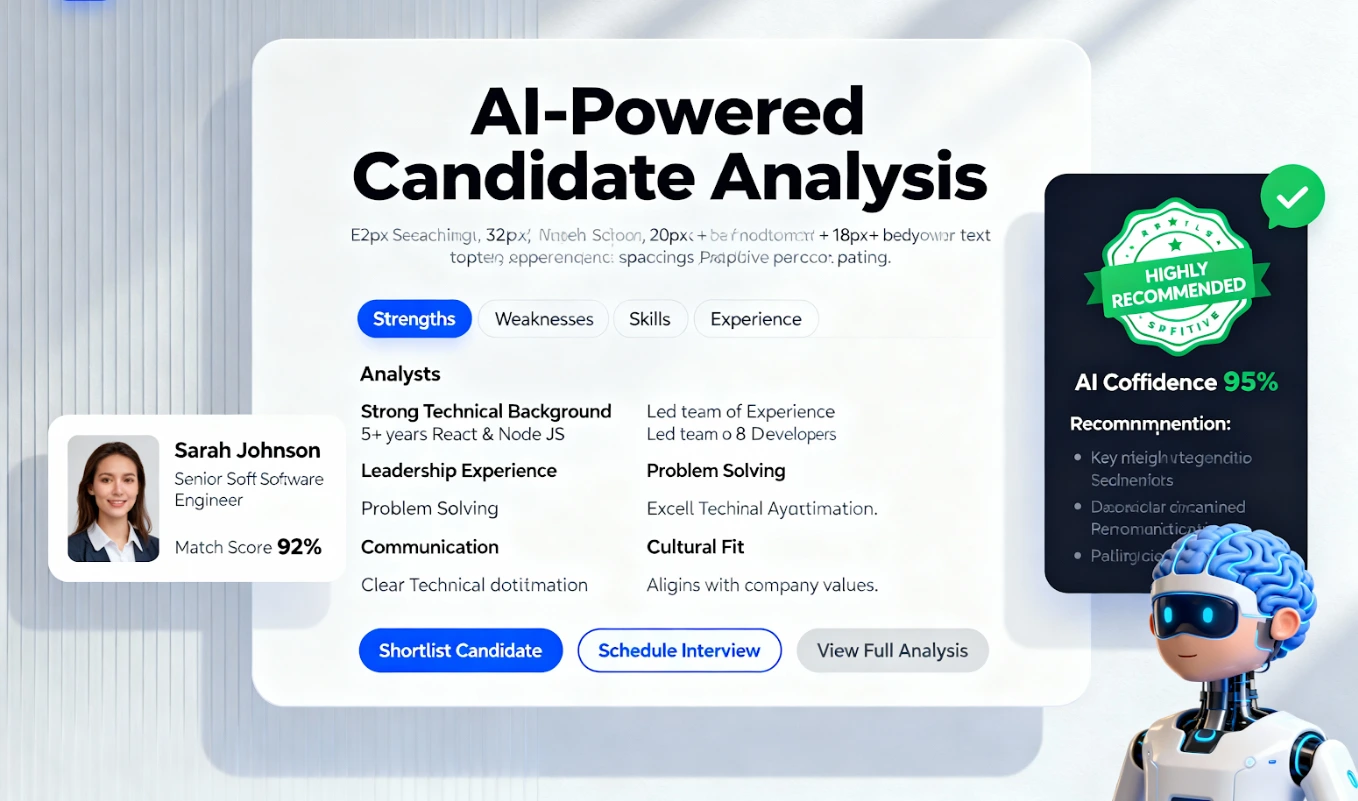
Lets you build your application form with the exact screening questions needed to pre-qualify candidates. - Job Match Score
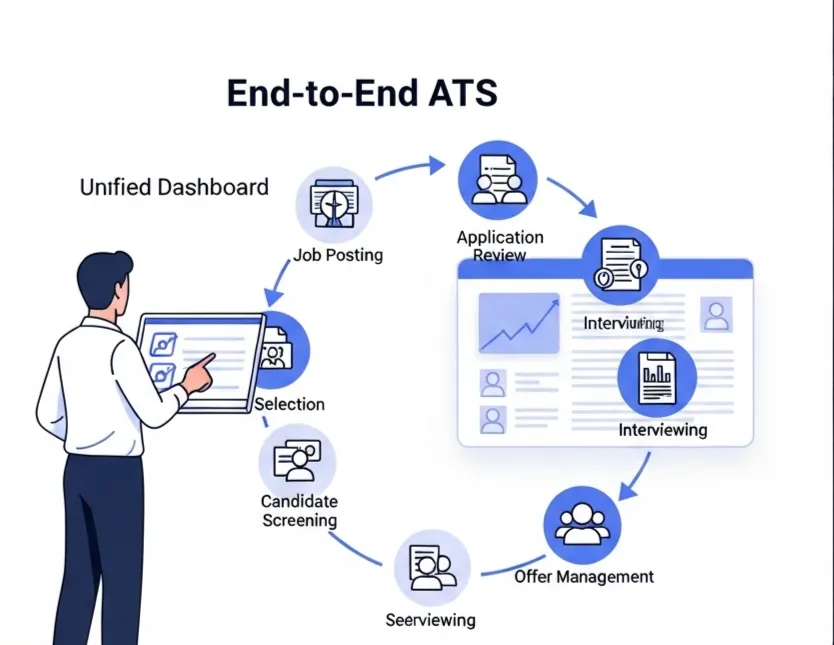
Automatically scores and ranks every applicant based on how their skills and answers align with your must-have criteria. - Centralized ATS Pipeline
Moves qualified candidates forward and archives unqualified ones, so you only spend time on the best fits. This acts as your dedicated ATS spam filter.
Avoid These Common Traps That Invite Irrelevant Applications
If your process isn't working, it might be due to a few common mistakes. Shifting away from these habits is key to improving your results.
- Relying on a single, generic job description for multiple roles.
- Ignoring the power of employer branding to attract serious candidates.
- Depending entirely on job boards without building a direct talent pipeline.
- Failing to ask any pre-screening questions before the first interview.
- Not reviewing which sourcing channels consistently deliver low-quality applicants.
- Forgetting to close the loop with rejected candidates, which can harm your reputation.
A Reality Check: What a Clean Pipeline Can't Solve
Optimizing your application process is powerful, but it's not a silver bullet. Be aware that these tactics won't fix foundational issues, such as:
- An uncompetitive salary or benefits package for your market.
- A negative company reputation or poor online reviews.
- A broken or slow interview process that causes great candidates to drop out.
- A lack of qualified talent for a highly specialized role in your region.
Fixing your top-of-funnel problem is the first step. Addressing these deeper issues is what helps you close the candidates you worked so hard to find.
Screen smarter, hire faster
From job post to offer letter, HireZapp keeps your pipeline moving.
Frequently Asked Questions
1) How do I write a job description to deter spam?
Be incredibly specific. Use a precise job title, list 3-5 non-negotiable requirements first, and describe the exact challenges and tools involved in the role. The more it sounds like it was written for a specific expert, the less appealing it is to generic applicants.
2) What's the best way to filter unqualified candidates automatically?
Use an Applicant Tracking System (ATS) with customizable application forms. Ask yes/no “knockout” questions based on your core requirements. The system can then automatically archive any applicant who answers “no” to a must-have question.
3) Can AI really help with recruitment fraud prevention?
Yes. AI tools can help by flagging suspicious patterns, such as multiple applications from the same IP address with different names or resumes with inconsistent formatting and details. While not foolproof, it adds a valuable layer of defense against sophisticated AI recruiting spam.
4) How can I stop irrelevant job applications from major job boards?
Avoid using the one-click “Easy Apply” button whenever possible. Instead, direct candidates to your own careers page to fill out a more detailed application form. This extra step is a powerful filter.
5) What are the key features of an effective ATS spam filter?
Look for customizable screening questions, automated scoring based on keywords and qualifications, duplicate application detection, and the ability to automatically archive candidates who don't meet your baseline criteria.
6) Does making the application process harder actually work?
Yes, but there is a balance. Adding a few minutes of intentional friction with 3-5 targeted questions is effective. Creating a 30-minute, complex application will deter great candidates, too. The goal is to weed out low-effort applicants, not frustrate genuine ones.
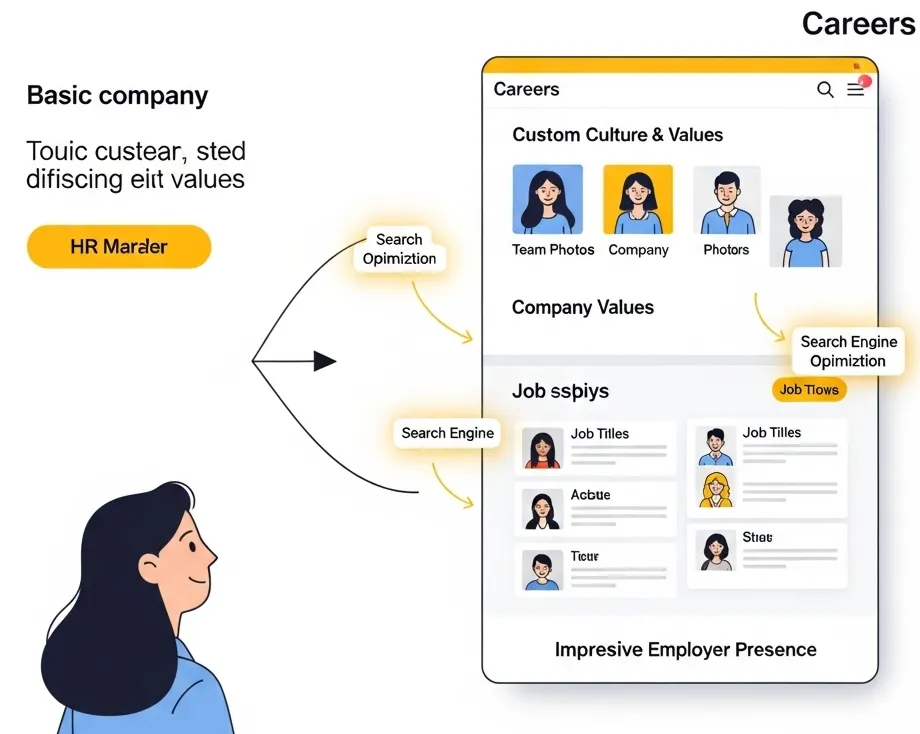
7) How does a good careers page improve application quality?
A strong careers page acts as a filter by showcasing your company culture, values, and mission. Serious candidates use it to decide if they are a good fit before they apply, while casual applicants often won't bother. This self-screening helps improve application quality significantly.