Reusing and Templating Job Descriptions for Faster Hiring
Writing a new job description for every open role feels like running in place. You spend hours trying to get the wording right, only to attract a flood of mismatched applicants. For busy recruiters and founders, this manual process wastes time and delays getting the right person in the door.

A Practical Guide to Job Description Templates for Faster Hiring
Writing a new job description for every open role feels like running in place. You spend hours trying to get the wording right, only to attract a flood of mismatched applicants. For busy recruiters and founders, this manual process wastes time and delays getting the right person in the door.
The good news is that you can stop writing from scratch. By using job description templates, you can create a consistent, effective, and repeatable system that speeds up your entire hiring cycle and helps you connect with better candidates, faster.
Why Writing JDs from Scratch Is Costing You Hires
Relying on a manual, one-off process for every job post creates hidden problems that go beyond wasted time. Many recruiters notice these issues start to stack up, making it harder to fill roles and scale the team.
- Inconsistent Branding
Each JD sounds slightly different, creating a confusing brand image for candidates. - Repetitive Manual Work
Core information like company values and benefits gets re-written and re-formatted every time. - Increased Compliance Risk
Without a standard, it's easier for biased or non-compliant language to slip through. - Slower Time-to-Fill
The delay in writing and approving a JD pushes back the entire hiring timeline for every role. - Poor Candidate Quality
Unclear or inconsistent JDs attract applicants who are not a good fit, creating more screening work. - No Performance Data
It's impossible to know which descriptions work best when every single one is different.
Your 7-Step Playbook for a Reusable Job Description Library
Building a system for reusable job descriptions doesn't have to be complicated. Follow these steps to create a process that saves time and improves consistency across all your hiring efforts.
- Audit Your Current Roles
Start by gathering all of your recent job descriptions into one place to identify common patterns and sections. - Identify Core Components
Break down a JD into reusable blocks like the company summary, benefits overview, and equal opportunity statement. - Create a Master Template
Build a single, foundational document that includes all the legally approved, consistently branded core components. - Develop Role-Family Variations
Create specific versions of the master template for different departments, like Sales, Engineering, or Marketing. - Build a Customization Checklist
Provide a simple checklist that guides hiring managers on what sections to personalize for their specific role. - Centralize Your Templates
Store all approved templates in a shared and accessible job description library so the team always uses the latest version. - Review and Update Quarterly
Set a reminder to review all templates each quarter to ensure they reflect current benefits, values, and compliance standards.
Core Components for Any Job Description Template
To get you started, here are a few examples of standardized components you can build and reuse. These create a consistent experience for every candidate, no matter the role.
Example Company Boilerplate
At HireZapp, we're building the tools that help great companies find great people. We believe hiring should be simple, fair, and fast. Our team is driven by a passion for helping recruiters and founders succeed. We value collaboration, transparency, and practical solutions that make a real impact.
Customization Checklist for Hiring Managers
- Clear Job Title
Is the title standard for the industry and easy to understand? - Top 3-5 Responsibilities
Are the most critical daily tasks listed clearly at the top? - Key Qualifications
Does this section list only the true "must-have" skills? - Inclusive Language Check
Have you removed jargon and gendered language? - Salary Range
Is the approved compensation range included and accurate?
How HireZapp Automates Your JD Workflow
A playbook is a great start, but modern tools can put this entire process on autopilot. HireZapp is designed to eliminate the manual work associated with creating, managing, and posting job descriptions so you can focus on candidates.
- AI JD + Job Form Generation
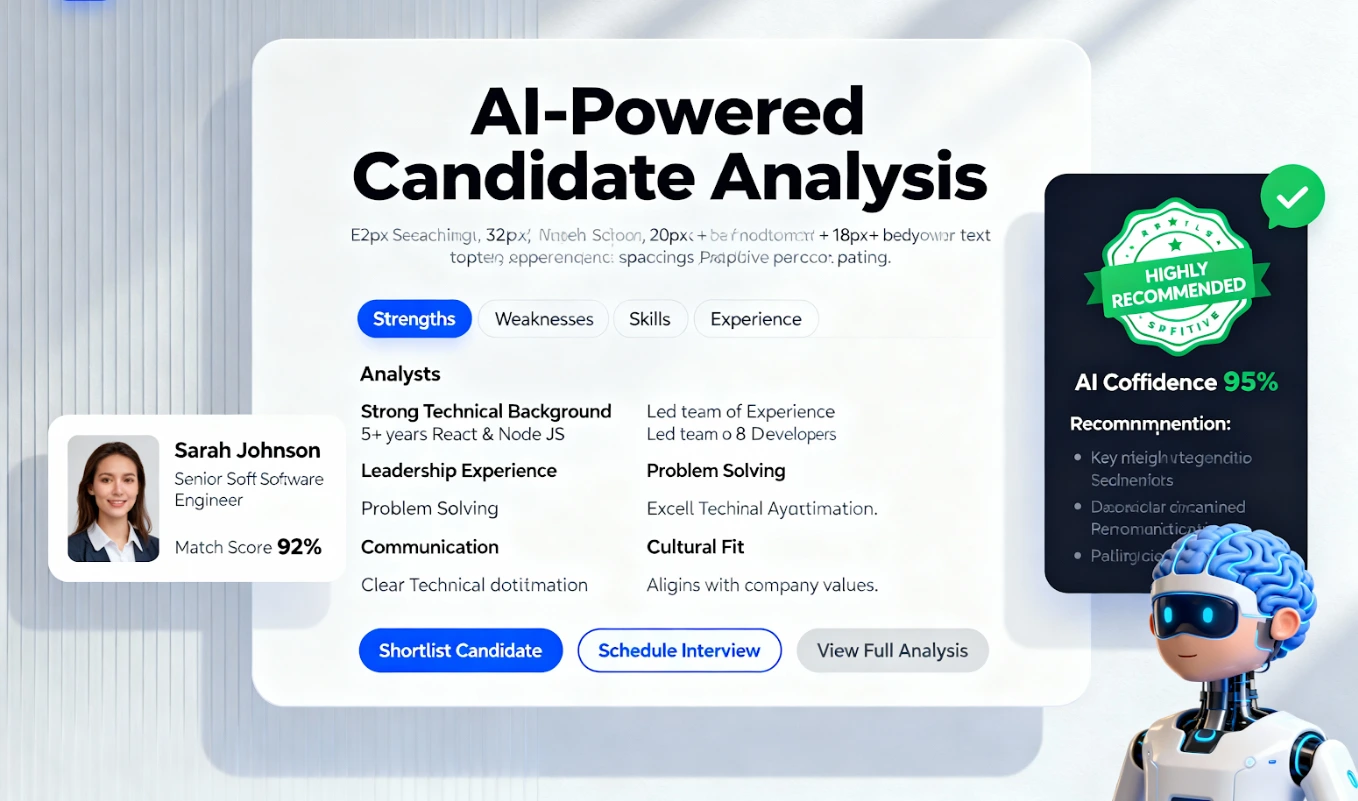
Go from a simple title to a fully optimized and compliant job description in seconds with our AI job description generator. - ATS Pipeline with Templates
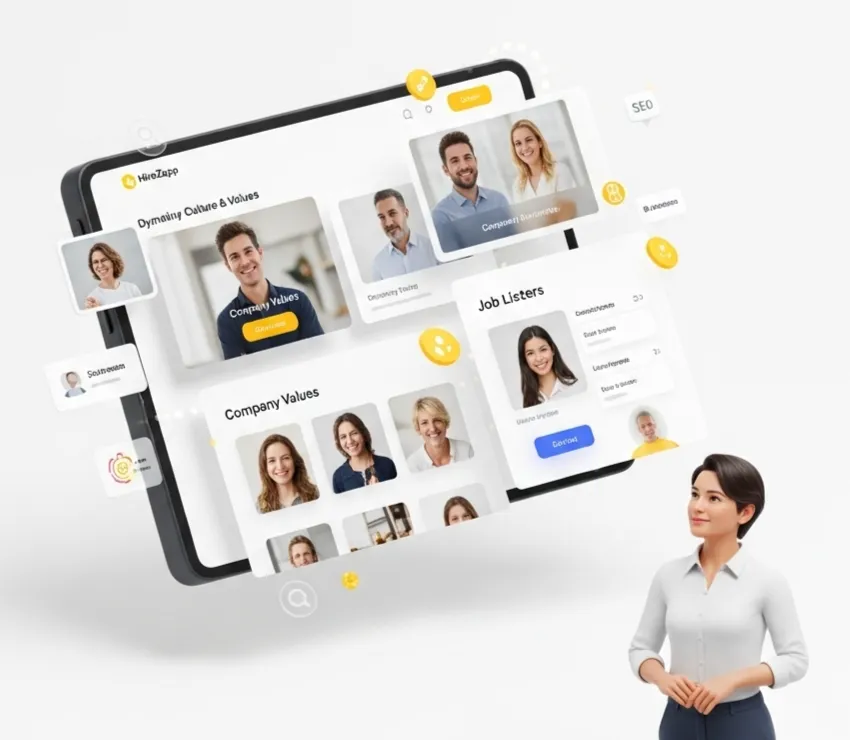
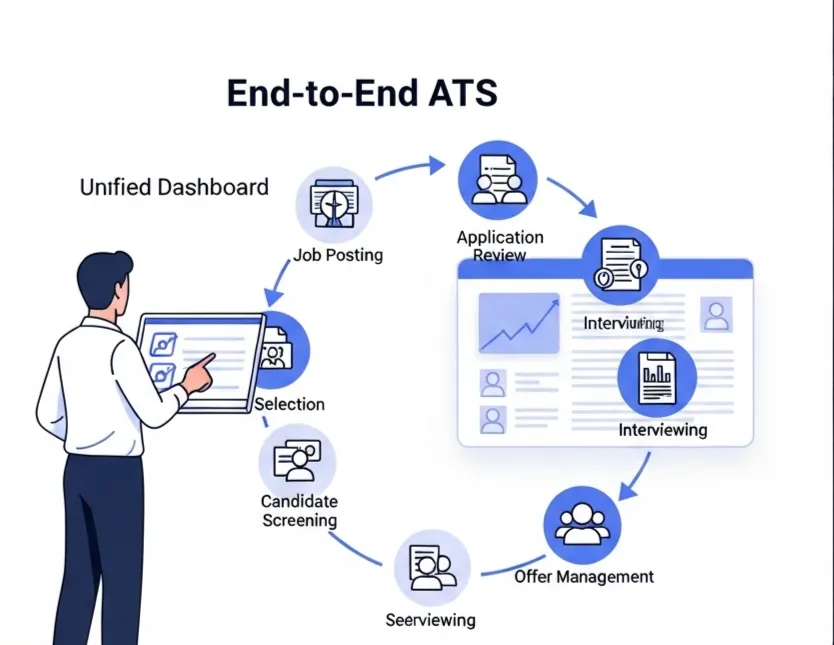
Store, manage, and deploy your best-performing JDs right from your hiring dashboard with our built-in ATS job description templates. - Employer Branding Suite
Automatically apply consistent branding to every job post, careers page, and candidate communication. - Job Quality Score
Get instant feedback on your JD's clarity, inclusivity, and potential to attract top talent before you publish it.
Automate JDs. Accelerate Your Hiring.
Transform your hiring with AI-powered job descriptions. Automate creation, ensure consistency, and scale your team faster.
Common Mistakes That Undermine Templating Efforts
Creating templates is only half the battle. To get the full benefit, your team needs to avoid these common mistakes that can lead to confusion and poor results.
- Copying and pasting without customizing for the specific role.
- Forgetting to remove internal jargon or acronyms.
- Storing templates across scattered personal folders or old email threads.
- Neglecting to get feedback from the hiring manager before posting.
- Failing to update templates when company benefits or policies change.
- Using language that unintentionally discourages diverse candidates from applying.
A Reality Check: What Templates Alone Can't Fix
Standardizing your job descriptions is a powerful step toward better hiring, but it's important to be realistic. This process is a piece of the puzzle, not a magic solution. Templates will not fix:
- A negative or weak employer brand.
- An uncompetitive salary or benefits package.
- A slow or disorganized interview process.
- A fundamental shortage of qualified candidates in your market.
Start Your Journey to Hiring Process Optimization
Moving away from a chaotic, manual approach to job descriptions is one of the fastest ways to improve your hiring outcomes. By creating a simple, repeatable system, you give your team the structure it needs to act quickly and confidently.
This is a key step in overall hiring process optimization. You will spend less time on repetitive administrative work and more time engaging with the qualified candidates who will help your company grow.
Frequently Asked Questions
1) What are standardized job descriptions?
Standardized job descriptions are templates that use pre-approved sections for company information, benefits, and legal statements to ensure consistency, compliance, and brand alignment across all open roles.
2) How do job description templates improve recruiting efficiency?
They improve recruiting efficiency by drastically reducing the time it takes to write and approve new job postings. This allows recruiters to open roles faster, engage candidates sooner, and fill positions in less time.
3) Can I use the same JD for different seniority levels?
It's not recommended. You should use a core template for the role family (e.g., Software Engineer) but create distinct variations for Junior, Mid-Level, and Senior positions to reflect the different expectations and qualifications.
4) What's the most important part of a reusable job description?
The most important part is the clear and concise definition of the role's core responsibilities and "must-have" qualifications. This is the section that requires the most customization and has the biggest impact on applicant quality.
5) How often should I update my job description library?
A good practice is to review and update your entire library on a quarterly basis. You should also make immediate updates anytime company-wide information, such as benefits or remote work policies, changes.
6) What are the risks of not using inclusive language in JDs?
Using non-inclusive language can deter qualified candidates from underrepresented groups from applying. This shrinks your talent pool, harms your employer brand, and can introduce legal risks.
7) How can an AI job description generator help with templating?
An AI tool can create a high-quality, compliant, and optimized first draft in seconds. You can then use this draft as a new template or to refine your existing ones, saving significant time while incorporating best practices.
8) Where is the best place to store ATS job description templates?
The best place is directly within your Applicant Tracking System (ATS). Storing them in an ATS like HireZapp connects them to your hiring workflow, making it easy for anyone on the team to find and use the correct, most up-to-date version.