When to Hire Your First Full-Time Recruiter (And How to Justify the ROI)
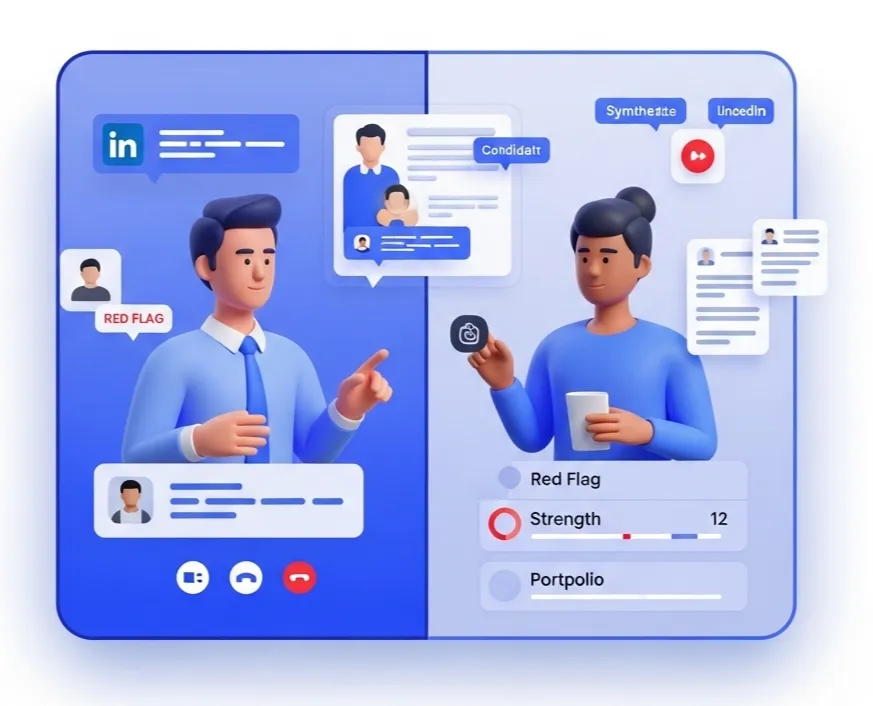
Founders and hiring managers often wear the recruiter hat for too long. Your days fill up with screening irrelevant resumes, chasing candidates on LinkedIn, and coordinating interviews instead of building the business. This scattered process leads to slow hires, frustrated teams, and missed growth opportunities.

When to Hire Your First Recruiter and Justify the ROI
Founders and hiring managers often wear the recruiter hat for too long. Your days fill up with screening irrelevant resumes, chasing candidates on LinkedIn, and coordinating interviews instead of building the business. This scattered process leads to slow hires, frustrated teams, and missed growth opportunities.
Knowing when to hire first recruiter is a critical decision that moves your company from reactive hiring to a strategic growth engine. It is not just about offloading tasks. It is about investing in a specialist who can build the team you need to win.
Before you can justify a new hire, you must understand the real cost of not hiring recruiter. The impact goes far beyond your own time. Many growing companies face the same challenges, which act as clear signals or HR hiring triggers.
- Lost Founder and Manager Productivity
Every hour spent sourcing, screening, and scheduling is an hour not spent on product, sales, or strategy. This is the most expensive time in the company. - Slow Time-to-Hire
When key roles sit open for months, projects stall and competitors pull ahead. A dedicated recruiter shrinks this timeline dramatically. - Poor Candidate Experience
Scattered communication, slow feedback, and a clunky application process deter top talent. A bad experience can damage your employer brand. - Increased Risk of Bad Hires
Rushing the process without proper vetting leads to costly hiring mistakes. A bad hire can cost a company significantly in lost salary, training, and morale. - Limited Talent Pool
Founders often hire from their immediate network. A recruiter builds and nurtures a diverse pipeline of talent you would otherwise never reach.
A Simple Framework for Recruiter ROI Justification
Getting budget approval requires a clear, data-informed case. This is not about feelings. It is about showing the financial and strategic upside. Follow these steps to build a compelling argument.
- Calculate Your Team's Time Cost
Track the hours per week that founders and managers spend on hiring tasks. Multiply those hours by their hourly rate to get a clear monthly cost. - Estimate Agency Fees Saved
If you use external recruiting agencies, add up their fees over the last six months. A full-time recruiter often costs less than just two or three agency placements. - Factor in the Cost of Open Roles
Estimate the revenue lost or project delays caused by key positions remaining unfilled. An open sales role, for example, has a direct impact on revenue. - Project a Reduction in Bad Hires
A professional recruiter improves hiring quality. Even preventing one bad hire per year can completely cover the recruiter's salary. - Outline the Strategic Value
A recruiter does more than fill roles. They build your employer brand, create a talent pipeline for future needs, and improve your entire hiring process. - Present the Final Calculation
Combine the tangible savings and projected value into a single document. Compare this total value directly against the recruiter's proposed salary.
Recruiter reality: “Founders are shocked when they see their hiring time costs more than a recruiter’s salary. The math usually makes the decision for them.”
Templates You Can Use Today
Use these tools to assess your needs and define the role. These simple templates provide a starting point for your internal discussions and planning.
Readiness Checklist
- We have 5 or more open roles simultaneously.
- Our time-to-hire is longer than 60 days for key roles.
- Managers are spending over 20% of their week on hiring tasks.
- We are receiving high applicant volume but low-quality candidates.
- Our candidate experience is inconsistent and receiving negative feedback.
- We plan to hire more than 15 people in the next year.
First Recruiter Job Description Snippet
We are looking for our founding Recruiter to build and own our talent acquisition function. You will partner directly with leadership to define roles, build a world-class candidate experience, and attract the talent we need to scale. This is a unique opportunity to build a recruiting process from the ground up, implementing the systems and strategies that will shape our company's future.
Amplify Your First Recruiter's Impact
A great recruiter can do amazing work, but they should not have to do it with spreadsheets and email. Providing modern tools from day one is the key to maximizing their impact. This is how a platform like HireZapp helps your first recruiter succeed faster.
- AI Job Description Generation
Your recruiter can create optimized, branded job posts in minutes, not hours, freeing them up to focus on sourcing. - Automated Candidate Screening
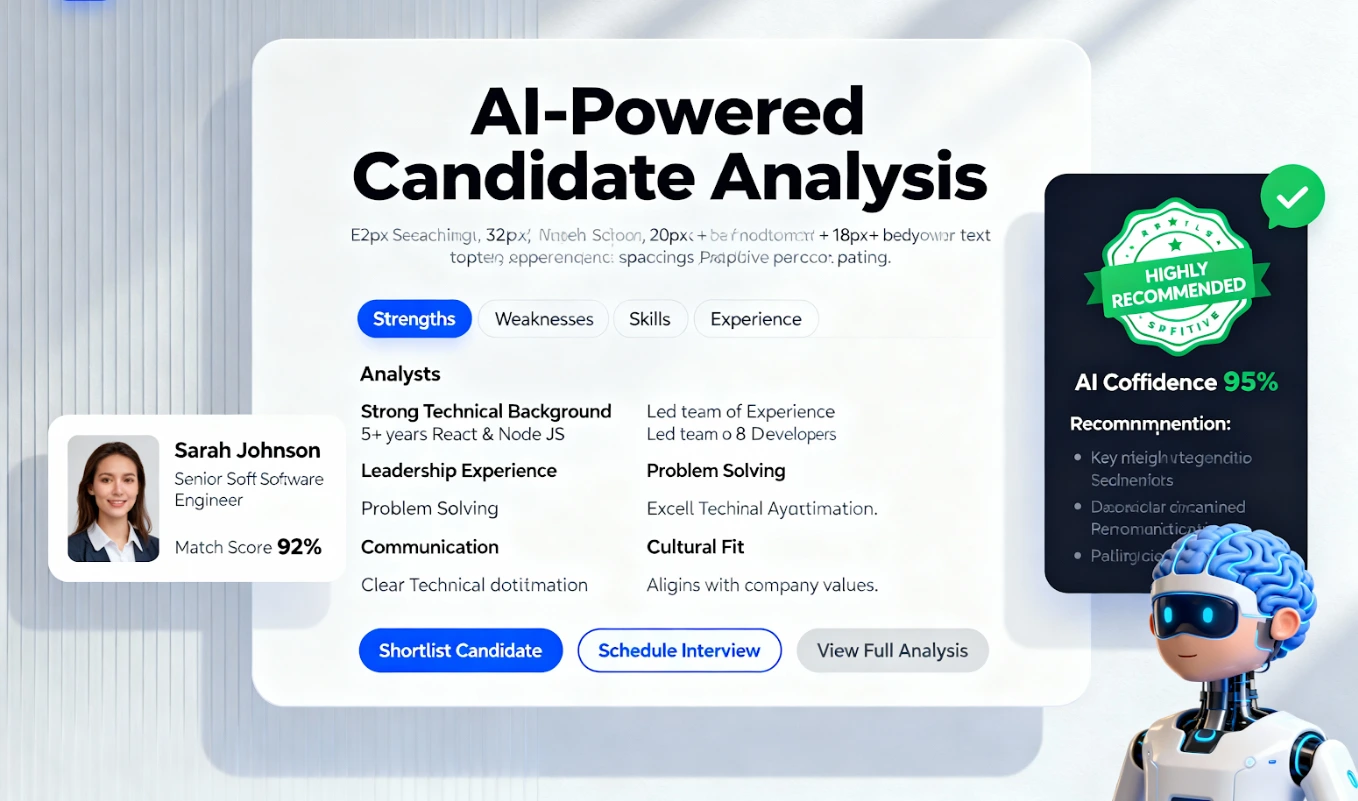
Features like a Job Match Score instantly surface the most qualified applicants, so your recruiter spends time with the right people. - Centralized ATS Pipeline
All candidate communication and interview stages are managed in one place, eliminating confusion and ensuring a smooth process. - Sourcing Playbooks
HireZapp provides guidance on sourcing channels and outreach, helping your new recruiter get up to speed on hard-to-fill roles immediately. - Branded Careers Page
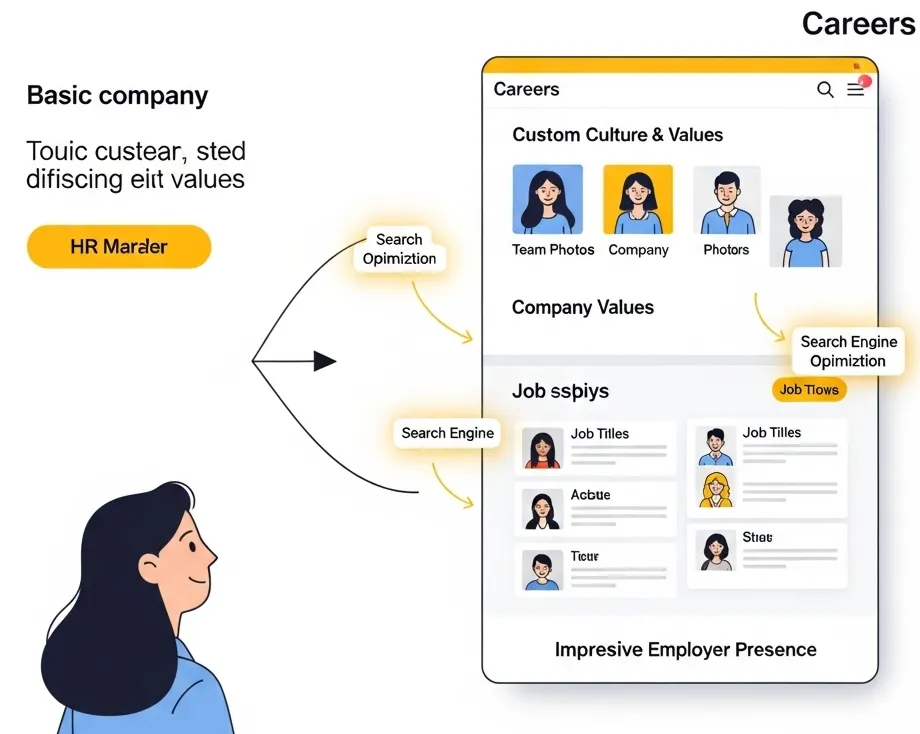
A professional careers page is set up quickly, giving your recruiter a powerful tool to build your employer brand from day one.
Avoid These Traps When Hiring Your Recruiter
Hiring your first recruiter is a major step. Many companies make preventable mistakes that limit their new hire's success. Watch out for these common issues.
- Waiting until the hiring pain is unbearable.
- Failing to provide a budget for modern recruiting tools.
- Setting unclear expectations or success metrics.
- Not giving the recruiter a strategic voice in hiring decisions.
- Micromanaging their process instead of focusing on outcomes.
- Assuming one recruiter can instantly fill 20 different roles.
What This Won't Fix
A recruiter is a powerful addition to your team, but they are not a miracle worker. Hiring a talent specialist will not solve deeper organizational problems. Be aware that a recruiter cannot fix:
- A negative or undefined company culture.
- A non-competitive compensation and benefits strategy.
- A broken interview process with unprepared interviewers.
- A lack of clarity on what skills are truly needed for a role.
Your First Step to Strategic Growth
Deciding to hire a recruiter is the first step to build internal recruiting team capabilities and a scalable hiring process. It shifts your company from short-term fixes to long-term talent strategy. By using a data-driven approach for justification and equipping them with the right tools, you set up your company and your new recruiter for success. A smart recruitment strategy for startups always starts with getting the right people on the team, and that includes the person building the team.
Maximize Your First Recruiter's ROI.
Empower your new recruiter with AI to automate tasks and accelerate their ROI.
Frequently Asked Questions
1) What is the clearest sign you need to hire your first recruiter?
The clearest sign is when founders or managers are spending more than a quarter of their workweek on recruiting activities, and this is visibly slowing down core business operations like product development or sales.
2) How should we approach the hiring manager recruiter decision process?
The decision should be a partnership. The hiring manager defines the need and the ideal candidate profile, while the recruiter owns the process of finding, engaging, and vetting that talent. Both must agree on the job requirements and interview plan before the search begins.
3) What is a good recruiter value proposition to attract top talent acquisition professionals?
Top recruiters want impact and ownership. Offer them the chance to build the recruiting function from the ground up, a seat at the table in strategic discussions, modern tools to work with, and a direct line to leadership.
4) What tools are essential for a first recruiter's success?
At a minimum, they need a good Applicant Tracking System (ATS) like HireZapp to manage candidates, access to a professional network like LinkedIn Recruiter, and a tool for interview scheduling.
5) Is it better to hire a junior or senior recruiter as your first one?
For your first hire, it is almost always better to hire a senior recruiter. They can build processes, operate independently, and provide strategic advice that a junior person cannot. The higher salary pays for itself in avoided mistakes.
6) How do you create a simple recruitment budget justification document?
Create a one-page document with three sections: The Problem (list the costs of DIY recruiting), The Solution (the proposed recruiter's salary and tool costs), and The ROI (show the savings from agency fees, time saved, and faster hiring).
7) Can a startup use a part-time or contract recruiter first?
Yes, a contract recruiter can be a great way to handle a temporary surge in hiring. However, if you have consistent, ongoing hiring needs (more than 10-15 roles per year), a full-time hire is a better long-term investment for building your employer brand and talent pipeline.